
Side Dishes
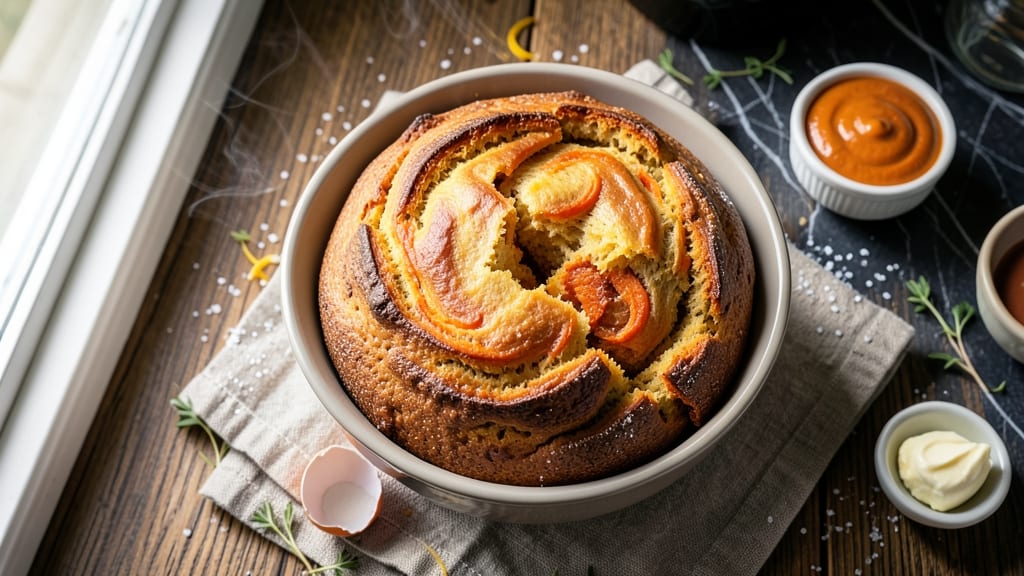
This sweet potato yeast bread machine recipe transforms humble ingredients into a moist, spice-infused loaf with a crispy crust that rivals artisanal bakeries. The secret lies in blending sweet potato puree with warm spices—cinnamon, nutmeg, and ginger—creating a fragrant dough that bakes into golden perfection.
I developed this recipe after years of experimenting with bread machine loaves, and the texture difference is night and day compared to traditional yeast bread.
The beauty of this recipe is its simplicity—just mix, set, and let your bread machine do the work. The sweet potato puree adds natural moisture and subtle sweetness, while the spices create warmth that lingers with every slice.
Unlike dense sweet potato breads, this version stays light yet hearty, with a crispy exterior that gives way to a tender, slightly sweet crumb. The bread machine handles all the heavy lifting, including kneading and proofing, so you only need to shape the dough before baking.
By the time it emerges from the machine, you'll have a loaf that smells like autumn spice and tastes even better. The crust is crispy enough to hold butter or jam without crumbling, while the interior remains soft and fragrant.
This bread is perfect for breakfast toast, sandwiches, or even as a side to hearty soups. The best part? It keeps well for days, making it ideal for meal prep or gifting.
For extra flavor, consider adding chopped walnuts or pecans to the dough before baking—they add texture and richness that pairs beautifully with the sweet potato's natural sweetness. Whether you're a bread machine novice or a seasoned baker, this recipe delivers restaurant-quality results with minimal effort. Let's get started!
Ingredients for sweet potato yeast bread machine
Sweet potato puree, warm spices, and bread machine magic combine for a loaf with restaurant-quality texture.
| Ingredient | Amount | Notes |
|---|---|---|
| Sweet Potato Puree 🍠 | 1 cup | Homemade or canned, unsweetened |
| All-Purpose Flour 🌾 | 3 ½ cups | Bread flour preferred for texture |
| Active Dry Yeast 🍞 | ¼ oz | One standard packet |
| Granulated Sugar 🍚 | ¼ cup | White or brown sugar |
| Unsalted Butter 🧈 | ½ cup | Softened, room temperature |
| Large Eggs 🥚 | 1 whole | Room temperature |
| Milk 🥛 | ½ cup | Warm, any variety |
| Ground Cinnamon 🌿 | 1 tbsp | Freshly ground preferred |
| Ground Nutmeg 🌿 | ½ tsp | Freshly grated |
| Ground Ginger 🌿 | ½ tsp | Freshly ground preferred |
| Salt 🧂 | 1 tsp | Kosher or sea salt |
| Cornmeal 🌽 | 2 tbsp | For dusting bread pan |
The sweet potato puree is non-negotiable here—homemade is ideal, but canned unsweetened works in a pinch. For the best flavor, use a vibrant orange sweet potato (not the white-fleshed variety). If you're making your own puree, roast the sweet potato first for deeper sweetness. King Arthur or Bob's Red Mill bread flour gives that perfect chewy texture, but all-purpose flour works if that's what you have. The yeast should be fresh—if it's past its expiration date, toss it. For the spices, Penzeys or McCormick ground spices add warmth without bitterness, but fresh grated nutmeg and ginger from a spice grinder elevate it further.
No sweet potato puree? Mashed roasted sweet potato works in a bind, but strain out excess moisture for a lighter dough. Substituting applesauce (half the amount) adds moisture but changes the flavor profile. The butter must be softened—microwave 40 seconds to just melt it if it's too cold. For a dairy-free version, use coconut oil (same amount) or vegan butter. The milk can be any variety, but warm milk activates the yeast faster. If you're adding nuts, chopped walnuts or pecans work best—they toast beautifully during baking. For extra richness, consider adding a tablespoon of honey or maple syrup to the dough.
This dough keeps in the fridge for 2 days before baking, making it perfect for meal prep. If you're not baking immediately, wrap the dough tightly in plastic wrap and refrigerate. The baked loaf stays fresh for 3-4 days at room temperature, wrapped in a bread bag. For longer storage, slice and freeze portions—toast straight from frozen for crispy results. The crust gets crunchier as it cools, so slice when still slightly warm for the best texture. Store extra slices in an airtight container to maintain freshness.
Why You'll Love This Recipe
- No Puree Waste: I’ll use every last drop of that sweet potato mash—no sad, leftover tub of puree sitting in the fridge. The bread machine does all the mixing, so I just dump in the puree, flour, and yeast, then walk away while it works its magic.
- Sweetly Rich Crust: That caramelized crust? Pure magic. The sugar and butter create this buttery, golden edge that cracks open just enough to reveal soft, moist crumb inside—like a hug from a bakery, but with zero guilt.
- Breakfast to Brunch: Slather it with butter for toast in the morning, turn slices into French toast for lazy weekends, or serve it warm with jam for company. It’s my go-to when I need something that feels special but takes zero planning.
- Budget-Friendly Staple: Sweet potatoes are cheap, and this recipe stretches a loaf into days of snacks. Freeze slices for toast later, or toss cubes into soups for instant heartiness. Honestly, it’s the kind of bread that makes grocery day feel like a win.
Step-by-step instructions for sweet potato yeast bread machine recipe
Transform simple ingredients into a moist, spice-infused loaf with a perfect crust using your bread machine.
Prepare the Sweet Potato Mixture
In a small bowl, combine the 1 cup sweet potato puree with the 0.25 cup granulated sugar and 1 whole large egg. Mix until smooth and fully incorporated. The sweet potato puree should be completely blended to prevent lumps in your dough—this ensures even moisture distribution throughout the loaf.
Next, add the 0.5 cup softened unsalted butter and 0.5 cup warm milk to the mixture. Stir until the butter is fully melted and the mixture reaches a creamy consistency. This step creates the rich, moist foundation for your bread. If the mixture feels too thick, add 1 tablespoon milk at a time until it reaches a pourable consistency—this helps the yeast activate properly later.
Mix Dry Ingredients and Combine
In a separate large bowl, whisk together the 3.5 cups all-purpose flour, 1 teaspoon salt, 1 tablespoon ground cinnamon, 0.5 teaspoon ground nutmeg, and 0.5 teaspoon ground ginger. Sift the dry ingredients lightly to aerate the flour and ensure even distribution of the spices throughout the dough.
Create a well in the center of the dry ingredients and pour in the sweet potato mixture. Using a wooden spoon or rubber spatula, gently fold everything together until just combined. Avoid overmixing—you should still see some flour streaks. The dough will be sticky, but that's normal. This stage is where the spices infuse the dough with warm, comforting flavors that will develop as it bakes.
Add Yeast and Prepare for Bread Machine
In a small bowl, dissolve the 0.25 oz active dry yeast in 2 tablespoons of the warm milk (reserved from the sweet potato mixture). Let it sit for 5 minutes until it becomes foamy—this indicates the yeast is active and ready to work. If it doesn't foam, your yeast may be inactive, and you'll need to start over.
Add the yeast mixture to the dough in the bread machine pan and mix on the lowest setting for 10-15 seconds until just combined. The dough will be very sticky, but that's expected. Sprinkle 2 tablespoons cornmeal into the bottom of your bread machine pan to prevent sticking. This step ensures your loaf releases cleanly from the pan and develops a crispy crust.
Set Bread Machine and Bake
Transfer the dough to the bread machine pan, making sure it's centered. If the dough is too sticky to handle, wet your hands slightly to prevent tearing. Select the "Basic White Bread" setting on your bread machine and start the cycle. The machine will automatically knead, rise, and bake the bread for you.
Bake for the full cycle time—usually 3 to 3.5 hours—until the internal temperature reaches 190-200°F and the crust is deep golden brown. The bread will have a crisp exterior and a tender, moist interior thanks to the sweet potato puree. If the crust isn't brown enough after the cycle, broil for 1-2 minutes at the end for extra crispiness.
Cool and Serve
Remove the bread from the pan immediately after the cycle ends and place it on a wire rack to cool for at least 30 minutes. This cooling period allows the bread to set properly and prevents a gummy texture. The crust will firm up slightly, and the interior will firm just enough to slice neatly.
Slice the bread while still warm for the best texture—each slice should reveal a moist, spice-infused crumb with a crispy crust. Serve with butter or jam for a comforting breakfast or snack. Store any leftovers in an airtight container at room temperature for up to 3 days or freeze for up to 3 months for freshness whenever you need it.
Pro Tips For Making Sweet Potato Yeast Bread Machine
- Strain the Puree: Skip the lumps—rub your cooked sweet potato through a fine-mesh sieve or press it against a fork in a bowl. I learned this the hard way when my bread turned gummy from undissolved starch. A smooth puree mixes evenly with flour and yeast, so don’t rush this step.
- Warm the Sweet Potato: Heat the puree to 100°F (38°C) before mixing it with yeast and flour. Cold puree slows fermentation, and your bread will take forever to rise—or worse, never rise at all. Microwave for 30 seconds or warm it in a saucepan.
- Don’t Overmix the Dough: Once the yeast and flour are combined, mix just until the dough comes together. Overworking it develops gluten too early, making the bread dense. My first few batches were brick-hard because I kept folding the dough like I was kneading pizza.
- Use Cold Butter: Cut the unsalted butter into small cubes and add it to the dough last, straight from the fridge. Warm butter melts into a greasy mess, weakening the crumb. Cold butter creates pockets for a tender, moist loaf—trust me, it’s worth the wait.
Creative variations of sweet potato yeast bread machine
Spiced Pumpkin Twist
Swap the sweet potato puree for 1 cup pumpkin puree (not pie filling) and boost the spices to 2 tbsp cinnamon, 1 tsp nutmeg, and ½ tsp cloves. Add ½ cup chopped pecans for crunch.
The pumpkin adds a deeper autumnal flavor while keeping the same moist texture. I love this variation for Thanksgiving morning—it smells like a spice cake but tastes like bread! 🍂
Cranberry Orange Zing
Fold in ½ cup dried cranberries and zest from 1 orange along with the sweet potato puree. Reduce the sugar to ¼ cup since cranberries add natural sweetness.
The orange zest brightens the warm spices, creating a tangy-sweet contrast. Perfect for holiday gifts—wrap slices in parchment and tie with twine for a festive touch. 🍊
Everything Bagel Mix-In
Sprinkle 2 tbsp everything bagel seasoning (sesame seeds, poppy seeds, garlic, onion, salt) into the dry ingredients. The savory notes balance the sweetness beautifully. Toast slices with cream cheese for a breakfast that tastes like a New York deli.
This version works especially well if you reduce the cinnamon to ½ tbsp to let the bagel seasoning shine. 🥯
Chocolate Chip Swirl
Drop ½ cup mini chocolate chips into the dough before the final knead cycle. For a marbled effect, fold them into half the dough first, then combine with the remaining dough.
The chocolate melts slightly during baking, creating pockets of gooey goodness. Pair with a glass of cold milk for ultimate comfort. 🍫
Savory Herb Loaf
Replace the warm spices with 1 tbsp dried rosemary, 1 tbsp dried thyme, and ½ tsp garlic powder. Add ¼ cup grated Parmesan cheese to the dry ingredients. This version has a savory, herby crust perfect for sandwiches or as a side to roasted meats.
The sweet potato puree keeps it moist while the herbs give it a completely different personality. 🌿
Gluten-Free Adaptation
Replace the all-purpose flour with 3 cups gluten-free 1:1 baking flour (like Bob's Red Mill) and add ½ cup almond flour for structure. Use 1 tsp xanthan gum if your blend doesn't contain it.
The texture will be slightly denser but still moist. I've found King Arthur gluten-free flour works best for maintaining that bread machine rise. 🌾
Nutrition facts
Frequently asked questions
Can I use canned sweet potato puree instead of homemade?
Yes, you can use unsweetened canned sweet potato puree as a direct substitute. Look for brands without added sugar or salt. For best flavor, drain any excess liquid first to prevent a gummy dough. The texture difference is minimal, but homemade puree adds slightly more depth of flavor.
Why did my bread turn out dense instead of light?
Dense bread usually results from overmixing the dough or inactive yeast. Make sure your yeast is fresh (test it in warm milk first) and don't knead more than necessary in the bread machine. Also, check that your sweet potato puree isn't too watery—strain excess moisture if needed. The bread machine should handle most of the work!
How do I adjust the recipe for a smaller bread machine pan?
If your pan is smaller, reduce the flour by 0.5 cups and the sweet potato puree by 0.25 cups. Keep all other ingredients proportional. The dough will be slightly thicker, but the bread machine's kneading cycle should still work. For best results, use the "Dough" setting first to develop the gluten properly before baking.
Can I add nuts or chocolate to this recipe?
Fold in ½ cup chopped walnuts or pecans during the final mixing stage, or add ½ cup mini chocolate chips before the knead cycle. For chocolate, use melting chocolate to prevent dough from drying out. These add-ins enhance flavor and texture—just be mindful they may reduce the bread's rise slightly.
How long should I let the bread cool before slicing?
Wait at least 30 minutes before slicing to allow the crust to set properly. The bread will be too soft and gummy if sliced too soon. For even better texture, let it cool completely (1-2 hours) before slicing. This also helps the spices fully infuse the crumb. The aroma will be worth the wait!