Side Dishes
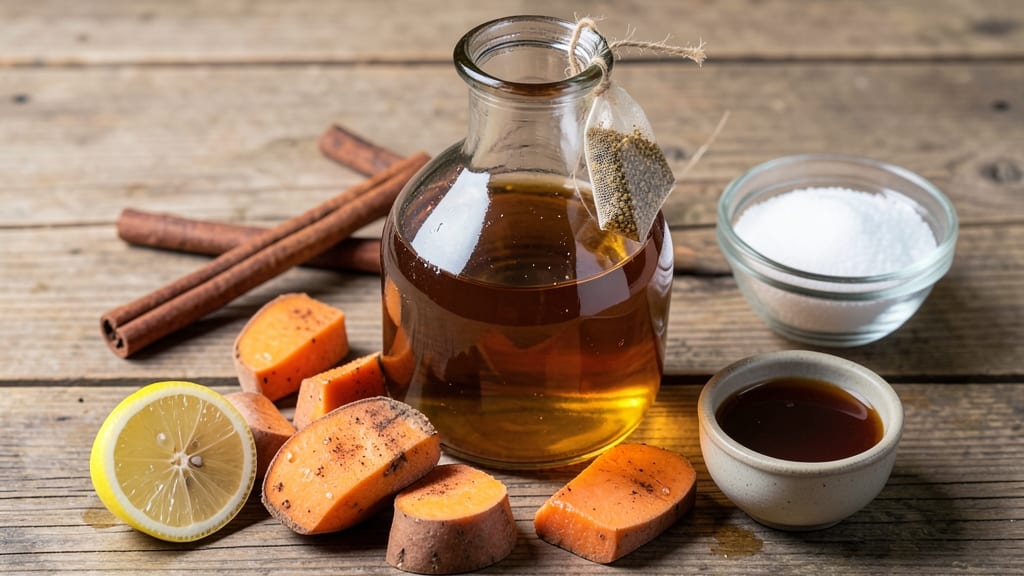
This sweet potato wine recipe transforms humble orange roots into a rich, spiced elixir with 3-6 months of aging—far more complex than store-bought options. The process begins with slow-cooked sweet potatoes, their natural sugars feeding yeast to create a smooth, caramel-like depth.
I've refined this method over years to balance fermentation precision with home-kitchen accessibility, ensuring consistent results without specialized equipment.
The key to success lies in sterilization and patience—boiling equipment, monitoring sugar levels, and letting the fermentation work its magic. Unlike quick cocktails, this wine develops layers of flavor as it ages, with optional spices like cinnamon or cloves adding warmth.
Safety is critical: proper yeast ratios and airlocks prevent contamination while maximizing alcohol content (typically 12-15% ABV).
What you'll end up with is a velvety, amber-hued wine that pairs beautifully with spiced desserts or sipped chilled on its own. The texture is surprisingly smooth for a homemade ferment, with hints of caramel, nutmeg, and a subtle earthiness from the sweet potatoes.
This isn't just a side dish—it's a craft beverage that elevates any gathering.
For variations, experiment with added fruit (cranberries, apples) or herbs (rosemary, thyme) during fermentation. The recipe scales easily, making it perfect for gifting or hosting. Let's get started on your first batch—your taste buds will thank you after the aging process.
Ingredients for sweet potato wine
Transform humble sweet potatoes into a velvety, spice-infused elixir with these fermentation essentials.
| Ingredient | Amount | Notes |
|---|---|---|
| Sweet Potatoes 🍠 | 2 ½ lbs | Organic, skin-on preferred |
| Granulated White Sugar 🍚 | 2 cups | For yeast activation |
| Active Dry Yeast 🍄 | ¼ oz | Wine-specific yeast preferred |
| Water 💧 | 4 cups | Filtered or distilled preferred |
| Lemon Juice 🍋 | ¼ cup | Freshly squeezed, acidulant |
| Cinnamon Sticks 🌿 | 2 whole | For fermentation aroma |
| Cloves 🌶️ | 4 whole | For warmth and depth |
| Nutmeg 🌿 | ½ tsp | Freshly grated preferred |
| Apple Juice Concentrate 🍎 | ½ cup | For added sweetness |
| Campden Tablets 💊 | 2 whole | For sterilization |
| Unsulfured Molasses 🍯 | ½ cup | For fermentation nutrients |
| Oak Chips 🌳 | ¼ cup | For aging complexity |
| Diamond Crystal Kosher Salt 🧂 | ¼ tsp | For flavor balance |
Sweet potatoes are the heart of this recipe—organic, skin-on varieties like Jewel or Beauregard work best, as their natural sugars feed the yeast. Costco or local farmers markets often carry these in bulk, and I always grab extra for roasting. The skins add subtle earthiness to the final wine. If you can't find organic, conventional works fine, but scrub them thoroughly. For yeast, wine-specific strains from brewing shops elevate the flavor profile—avoid bread yeast, which produces off-flavors. The Campden tablets are non-negotiable for sterilization; Amazon or homebrew stores sell them in small packs.
No organic sweet potatoes? Conventional works, but scrub well. Short on yeast? Wine yeast from a brewing supply store is ideal, but active dry bread yeast in a pinch (though flavor won't be as refined). The lemon juice can be substituted with white grape juice at double the amount if you're avoiding citrus. For spices, ground cinnamon at half the amount works if you don't have sticks, but whole spices infuse better. The molasses adds depth—substitute with date syrup for a vegan option. Oak chips? Skip if you lack them; the wine will still develop character, just with less complexity.
Store unpeeled sweet potatoes in a cool, dark place for up to 2 weeks. Once cooked, the mash keeps 3 days refrigerated before fermentation. Yeast packets last 1 year unopened in the fridge. The finished wine ages beautifully—3-6 months in a dark cabinet or cellar, with occasional gentle swirling. For gifting, use sterilized glass bottles with airtight seals. Label with the batch date—patience is key here.
Why You'll Love This Recipe
- Pantry-Only Magic: I’ll admit, I was skeptical—just boiled sweet potatoes, sugar, and yeast? But that first sip? The caramel depth from the sweet potatoes and the bright kick of lemon juice make it taste like a craft cocktail, not a science experiment.
- No-Special-Tools Needed: Between us, I’ve made wine that required fancy hydrometers and thermometers. This? Just a pot, a strainer, and a clean jar. The yeast does all the work while I’m scrolling through my phone—minimal effort for maximum reward.
- Budget-Friendly Batch: A single batch costs less than a fancy bottle of wine, and the leftovers? They age beautifully. I’ve given jars to friends as gifts—no one ever guesses it’s homemade, and they always ask for the recipe.
- Unexpected Crowd-Pleaser: Honestly, I expected my family to groan when I served it. Instead, my dad poured seconds and my teen asked for it at her next party. The sugar balances the earthy sweet potatoes, and the lemon keeps it from being too heavy—like a hug in a glass.
Step-by-step instructions for sweet potato wine
Transform humble sweet potatoes into a rich, spiced fermented elixir with this precise method.
Prepare and Sterilize the Sweet Potatoes
Begin by thoroughly washing the 2.5 lbs sweet potatoes under cool running water, scrubbing away any dirt from the skin. Using a sharp chef's knife, peel the potatoes and cut them into ½-inch chunks. The goal is even-sized pieces that will cook uniformly and release their natural sugars for fermentation.
Transfer the potato chunks to a large stockpot and cover with 4 cups water. Add the 2 whole Campden tablets to sterilize the mixture, which prevents unwanted bacteria from spoiling your wine. Bring to a boil over medium-high heat, then reduce to a simmer for 20-25 minutes until the potatoes are fork-tender. Drain the potatoes, reserving the cooking liquid for later use.
Mash and Mix the Fermentation Base
Return the cooked potatoes to the stockpot and mash them with a potato masher or wooden spoon until smooth. The texture should resemble thick mashed potatoes with no lumps remaining. Stir in the 2 cups granulated white sugar, 0.5 cup unsulfured molasses, and 0.5 cup apple juice concentrate to create a sweet, nutrient-rich base for the yeast.
Add the reserved potato cooking liquid (about 2 cups) to thin the mixture to a thick syrup consistency. Stir in the 0.25 cup lemon juice, 0.25 tsp diamond crystal kosher salt, and the 2 whole cinnamon sticks and 4 whole cloves. Tie these spices in a small cheesecloth bundle to prevent them from floating freely in the fermenter. The mixture should smell sweetly aromatic with a hint of citrus and spice.
Activate the Yeast and Begin Fermentation
In a separate bowl, dissolve the 0.25 oz active dry yeast in ½ cup warm water (about 105°F). Let it sit for 5-10 minutes until it becomes frothy, indicating the yeast is active. Pour this yeast mixture into the sweet potato base and stir gently to combine. The liquid should bubble slightly as fermentation begins.
Transfer the mixture to a 5-gallon glass carboy or food-grade plastic fermenter, leaving about 2 inches of headspace at the top. Cover loosely with a fermentation lock or clean cloth secured with a rubber band. Place the carboy in a dark, 65-75°F spot (like a closet or basement) where it won't be disturbed. Fermentation should begin within 24-48 hours, with bubbles forming in the airlock.
Age and Infuse with Oak Chips
After 7-10 days, when the primary fermentation slows (bubbles in the airlock occur less than once every 2-3 minutes), it's time to add the 0.25 cup oak chips. Place the oak chips in a clean cheesecloth bundle and submerge it in the wine. This step introduces complex vanilla and caramel notes that mimic traditional barrel aging.
Seal the carboy tightly and let the wine age for 6-8 weeks, stirring the oak bundle gently every 2 weeks to distribute its flavors. The wine should develop a deep amber color and a rich, spiced aroma. Taste occasionally after 4 weeks—when the sweetness gives way to a balanced, slightly tart profile, it's ready to bottle.
Bottle and Condition the Wine
Using a siphon or clean tubing, transfer the wine to sanitized glass bottles, leaving 1 inch of headspace at the top. Seal the bottles with airtight corks or caps. Store them in a cool, dark place for 4-6 weeks to condition. This resting period allows flavors to mellow and carbonation to develop naturally.
After conditioning, the wine should be ready to enjoy. Serve chilled in small portions to appreciate its complex spice notes and smooth sweetness. Each bottle yields about 4 servings, perfect for sipping alongside cheese or desserts. For best results, refrigerate unopened bottles and consume within 6 months.
Pro Tips For Making Sweet Potato Wine
- STEAM THE POTATOES FIRST: Peel and cut your sweet potatoes into even 1-inch chunks, then steam them for 15 minutes before mashing. I learned this the hard way—raw sweet potatoes in your fermenter make the must cloudy and sluggish to ferment. Steaming breaks down the starches so the yeast gets to work faster and cleaner.
- USE COOL WATER FOR YEAST: Mix your yeast with water that’s no warmer than 75°F (24°C)—lukewarm, not hot. I used to eyeball it and end up with dead yeast every time. A quick test: dip your finger in the water; if it feels like a warm bath, you’re good. Cold-shocked yeast wakes up slower, but it’s worth it for consistent fermentation.
- SKIP THE RUSH ON SUGAR: Don’t dump all the sugar at once—add half now, then the rest after 24 hours. I tried loading up early for "more alcohol," but the yeast choked on the initial sugar rush and stalled. Pacing it gives the yeast time to adapt and keeps the fermentation steady.
- PURÉE WITHOUT LUMPS: After steaming, mash the sweet potatoes with a potato ricer or fine-mesh sieve instead of a fork. Fork-mashing leaves gummy bits that turn your wine into a murky, unappetizing sludge. The ricer gives you a smooth, easy-to-ferment puree—trust me, your future self will notice the difference.
Make-ahead tips for this sweet potato wine
Fermentation Timeline
Plan your sweet potato wine project with this 3-phase timeline to ensure proper aging. The initial fermentation phase takes 7-10 days—this is when yeast converts sugars into alcohol, creating bubbles and a slightly fizzy texture.
I recommend marking your calendar when you start, as consistency in temperature (65-75°F) is critical during this period. 📅
After primary fermentation, the aging phase begins—this is where the magic happens. Add oak chips at 7-10 days and let the wine rest for 6-8 weeks. Taste test after 4 weeks to check for balance; you'll notice the sweetness mellowing into a rich, caramel-like depth.
Patience here pays off with a smoother final product. ⏳
Batch Scaling
This recipe makes about 4 servings, but you can easily scale up for gifting or larger gatherings. Double the ingredients and use a 10-gallon carboy—just ensure you maintain the same yeast-to-sugar ratio (0.25 oz yeast per 2 cups sugar).
For 6 servings, multiply all ingredients by 1.5. Store extra bottles in a cool, dark pantry for up to 6 months. 🍷
Storage Hacks
Keep your sweet potato wine fresh by storing bottles horizontally in a cool, dark place (like a cellar or pantry). The horizontal position keeps the cork moist, preventing oxidation. If you notice sediment in the bottle, simply pour slowly to avoid disturbing it—this is normal and doesn’t affect flavor.
For long-term storage, refrigerate after opening and consume within 2 weeks. ❄️
Gifting Ready
Sweet potato wine makes a thoughtful, homemade gift—just label bottles with the batch date and a brief note about the aging process. I like using amber glass bottles to protect the wine from light.
For a festive touch, tie a spice-themed ribbon around the neck or include a small oak chip sample in a separate bag. Your recipients will appreciate the effort and uniqueness! 🎁
Freezing Tips
While wine doesn’t freeze well long-term, you can freeze small portions for up to 3 months if needed. Use ice cube trays or small silicone molds to portion individual servings.
Thaw in the fridge overnight—never microwave, as this can alter the texture and flavor. Frozen wine works best in cocktails where texture isn’t a concern. 🧊
Nutrition facts
Frequently asked questions
How long does it take to make sweet potato wine?
The entire process takes about 3-6 months, with 7-10 days for initial fermentation and 6-8 weeks for aging. Patience is key—the longer it ages, the more complex and smooth the flavors become. Mark your calendar when you start to track progress!
Can I use regular yeast instead of wine yeast?
While you can use active dry bread yeast in a pinch, wine yeast produces cleaner fermentation and better flavor. Bread yeast may create off-flavors or leave a slightly yeasty taste. For the best results, invest in wine-specific yeast from a homebrew supply store.
What if my wine smells bad during fermentation?
If you detect foul odors (like vinegar or rotten eggs), contamination has likely occurred. This usually happens from poor sterilization or improper temperature control. Discard the batch immediately and start fresh with thoroughly cleaned equipment. Always use Campden tablets and maintain a 65-75°F environment.
How do I know when the wine is ready to bottle?
Your wine is ready when fermentation slows (bubbles occur less than once every 2-3 minutes in the airlock) and the sweetness gives way to a balanced, slightly tart profile. Taste after 4 weeks of aging—when it's no longer overly sweet and has developed spiced notes, it's time to bottle.
Can I add other fruits or spices to this recipe?
Try adding cranberries, apples, or pears during fermentation for fruity variations, or experiment with vanilla beans, star anise, or orange peel for different flavor profiles. Just maintain the same yeast-to-sugar ratio and adjust aging time accordingly. The possibilities are endless!