
Why this site exists
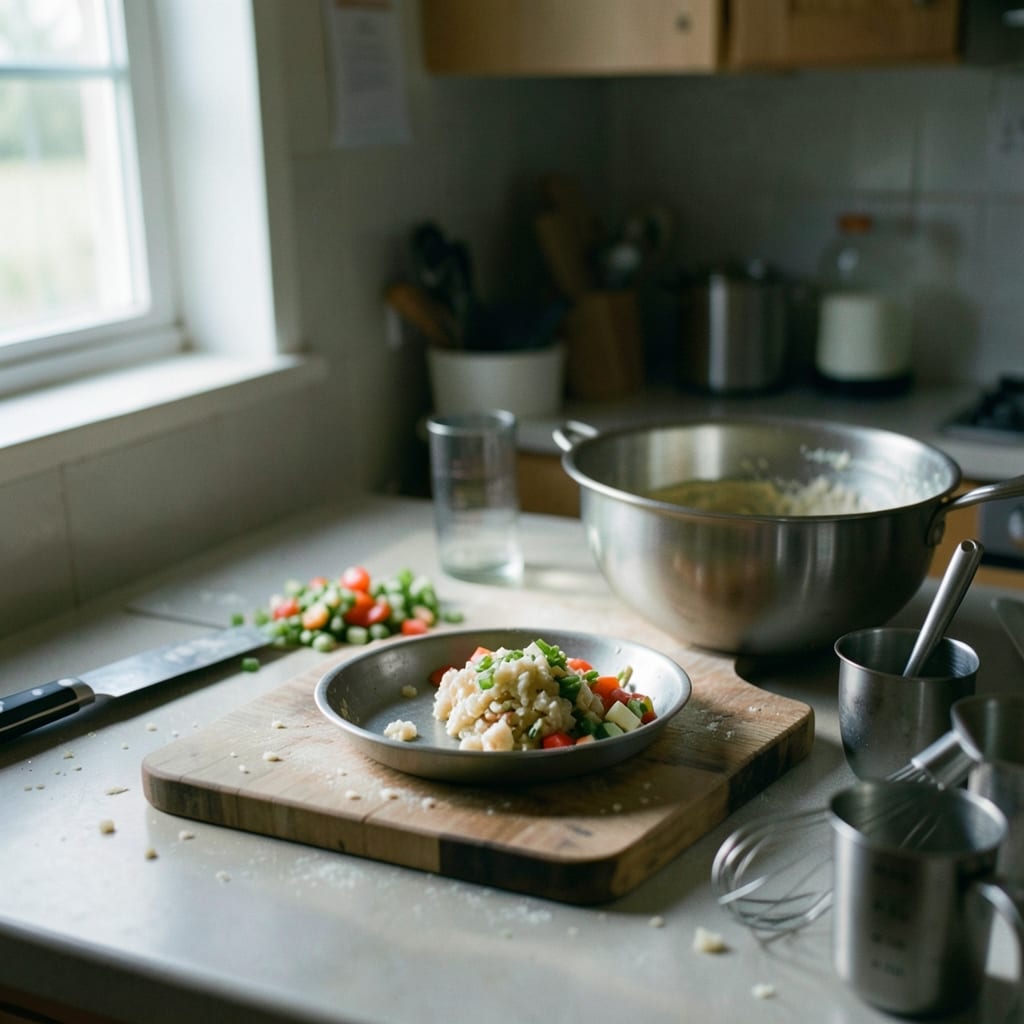
You’re standing in your kitchen, holding a bag of potatoes and a recipe card that’s already confusing you. The instructions assume you own a mandoline you’ve never heard of, or that ‘folding in’ means something other than dumping everything in a bowl and hoping for the best.
This site exists because those moments shouldn’t derail a meal.
Here, recipes are built to work with what you’ve got—not what some cookbook writer imagines you’ll have. Every dish is tested until it stops being a guess, and the steps are written so you can follow them without squinting at the screen. No shortcuts, no pretension.
Just food that tastes good and doesn’t make you question your life choices.
Who writes this site

Bernadette Gutierrez writes this site.
Do you test every recipe more than once?
Yes. Most get made at least three times—once to figure out what’s broken, once to fix it, and once to make sure the fixes didn’t break something else. If it’s a fussy dish, like a custard or a dough, it’s probably been through five versions.
What’s the weirdest mistake you’ve made in a recipe?
Once I swapped baking powder for baking soda in a cake and spent an hour trying to salvage it with vinegar. The cake was still inedible, but the lesson stuck. Now I double-check the pantry before I start.
Why isn’t [that dish I love] here?
Either I haven’t found a way to make it reliably, or it’s something I’d rather eat out. This isn’t a museum of every possible recipe—it’s a toolbox for the ones that actually work in a home kitchen.
They keep a handwritten notebook by the stove where every recipe starts: a scribbled list of what worked, what didn’t, and what they’d do differently next time. The margins are full of question marks and ‘WTF’ notes.
How a recipe is built
A recipe starts with a problem: a dish that didn’t turn out, a technique that failed, or a flavor that felt off. The first step is always to ask why it went wrong—and then to try again, one small change at a time.
The first draft
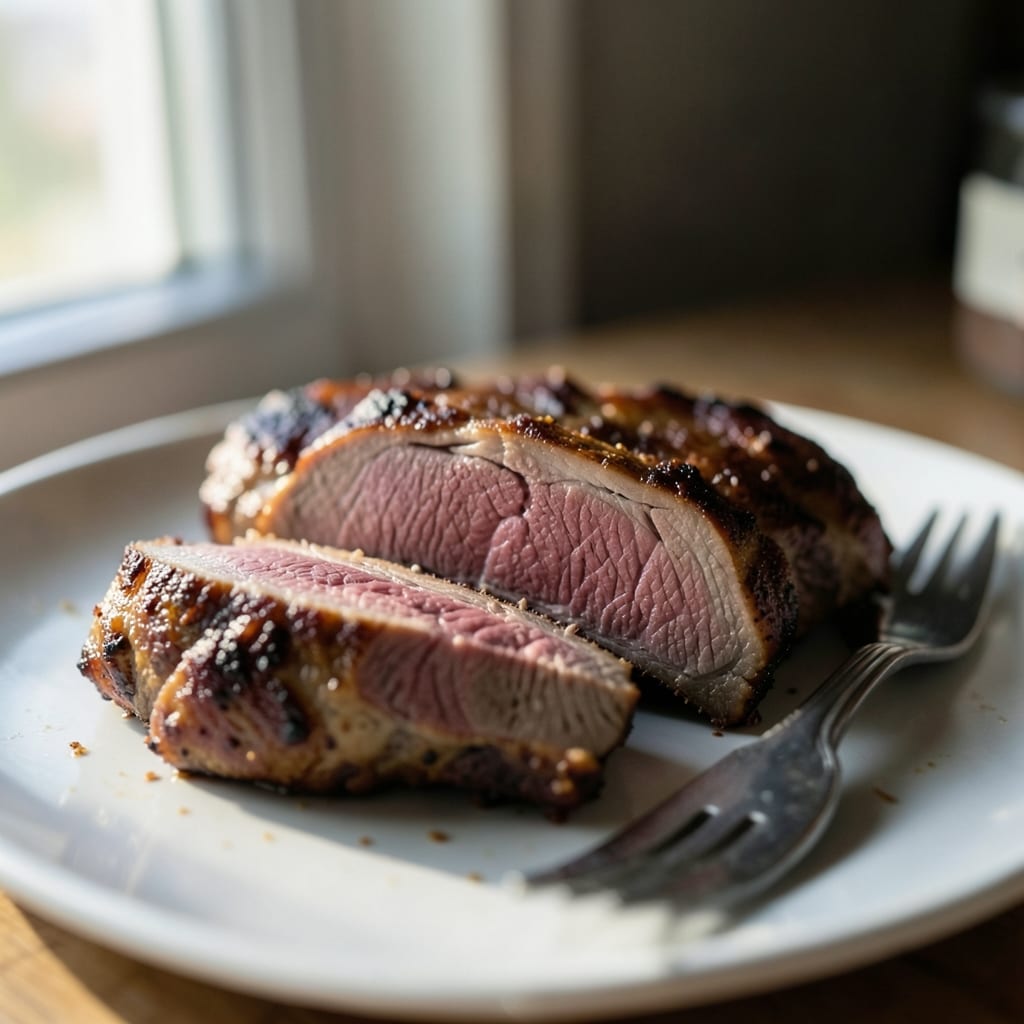
The initial version is always messy. Ingredients are eyeballed, timing is guessed, and the writer is standing over the stove like a nervous parent. If it’s a borrowed recipe, they’ll ignore half the steps just to see what happens. The goal here isn’t perfection—it’s survival.
Did the dish even come close to being edible? If not, back to the drawing board.
The fixes
Once something *almost* works, the real work begins. Too salty? Adjust. Too dry? Add fat. Too bland? Boost the acid. Each tweak is tested separately so you know exactly what made the difference.
The notes pile up—‘less salt next time,’ ‘simmer longer,’ ‘don’t skip the rest.’—until the recipe stops being a gamble.
What we will not do
This site won’t pretend every recipe is revolutionary. Some are just good, honest food—nothing fancy, nothing you couldn’t make yourself if you paid attention. We won’t replace common sense with jargon, or turn cooking into a performance.
Things you will never find here
- Recipes that require ingredients you’ve never heard of (or can’t pronounce).
- Steps written like a mystery novel—‘fold in the love’ doesn’t count.
- Photos of food that look like they were taken in a studio, not a kitchen.
- Anything that takes longer to explain than it does to make.
Where to start
If you’re new here, try the ‘Starter Dishes’ section—simple, foolproof meals to build confidence. The ‘Troubleshooting’ guide is for when things go wrong (it happens). And if you can’t find what you’re looking for, the search bar works, but so does asking on the contact page.
Say hello
We like hearing about the dishes you’ve tried, the mistakes you’ve fixed, or the recipes you wish were here. If you’ve got a question or a suggestion, the contact page is the place to ask.
The recipes are grouped by category: Appetizers, Beverages, Breakfast & Brunch, Desserts, Main Courses and Reviews.