
Side Dishes
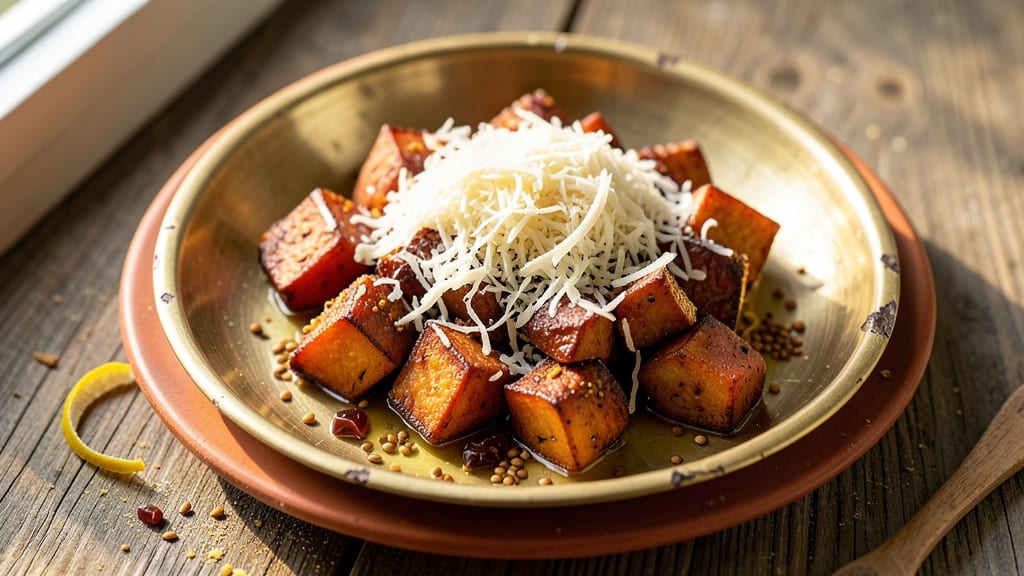
This Maharashtrian sweet potato recipe transforms humble roots into a fragrant, smoky delight that defines comfort food in Western India. Roasted with coconut, turmeric, and a touch of jaggery, it captures the essence of Shakarkandi—a dish traditionally prepared during festivals and family gatherings.
The spices infuse deep, earthy warmth while the coconut adds a subtle sweetness that balances perfectly.
The secret lies in slow-roasting the sweet potatoes until their edges caramelize into crispy perfection, then finishing them with a fragrant coconut-turmeric paste. This method preserves their natural sweetness while developing layers of smoky depth that make every bite irresistible.
Unlike quick stir-fries, the slow cooking process ensures tender, melt-in-your-mouth texture with a satisfying crunch.
What makes this recipe truly special is its versatility—serve it as a standalone side dish with steamed rice, pair it with dal and roti for a complete vegetarian meal, or even enjoy it chilled as a refreshing snack.
The aromatic blend of spices and coconut creates a dish that's both comforting and celebratory, perfect for weeknight dinners or special occasions.
For those new to Maharashtrian cuisine, this recipe introduces you to the region's love of earthy flavors and modest ingredients elevated through thoughtful preparation. The dish is naturally vegetarian, gluten-free, and packed with nutrients, making it a wholesome addition to any meal plan.
Ready to bring a taste of Maharashtra to your kitchen?
Ingredients for sweet potato maharashtrian
Earthy sweet potatoes meet aromatic spices and coconut in this Maharashtrian masterpiece.
| Ingredient | Amount | Notes |
|---|---|---|
| Sweet Potatoes 🍠 | 2 lb | Medium-sized, peeled and cubed |
| Unsalted Butter 🧈 | ½ cup | Cold, cubed for even coating |
| Shredded Coconut 🥥 | ½ cup | Unsweetened, toasted lightly |
| Ground Turmeric 🌿 | 1 ½ tsp | Freshly ground preferred |
| Jaggery 🍯 | ¼ cup | Grated, for natural sweetness |
| Cumin Seeds 🌿 | 1 tsp | Toasted until fragrant |
| Dried Red Chilies 🌶️ | 2 whole | Kashmiri or red chili flakes |
| Garlic Cloves 🧄 | 4 cloves | Minced finely for depth |
| Fresh Cilantro 🌿 | ¼ cup | Chopped, for garnish |
| Ghee 🧈 | 2 tbsp | For roasting and richness |
| Coconut Oil 🫒 | 1 tbsp | For even caramelization |
| Salt 🧂 | ½ tsp | Diamond Crystal preferred |
| Black Peppercorns 🌶️ | ½ tsp | Freshly cracked for aroma |
| Lemon Juice 🍋 | 1 tbsp | Freshly squeezed for brightness |
The sweet potatoes are the foundation—choose firm, vibrant orange varieties with smooth skin for even roasting. Whole Foods or local Indian grocers often carry the best quality, though standard grocery stores work fine. For jaggery, Patanjali or organic brands ensure authentic flavor without additives. Toast your cumin seeds and red chilies in a dry pan until fragrant—this step unlocks their full potential. The coconut should be freshly shredded; pre-shredded varieties contain anti-caking agents that dull the flavor.
No jaggery? Substitute with brown sugar or palm sugar, though jaggery's caramel notes are irreplaceable. Short on ghee? Use coconut oil or butter**, but ghee's higher smoke point ensures deeper roasting. For extra heat, add a pinch of cayenne; for smokiness, swap half the coconut for smoked paprika. The turmeric must be fresh—ground turmeric loses potency within weeks. If unavailable, use turmeric powder at half the amount**, but freshly ground is non-negotiable for authentic flavor. Toast your coconut lightly in a dry pan to enhance its nuttiness before mixing.
Store roasted sweet potatoes in an airtight container for up to 5 days, though they're best enjoyed fresh. The coconut-turmeric paste keeps for 3 months in the freezer if stored in small portions. For meal prep, roast a double batch—pair with steamed basmati rice and dal for a complete vegetarian feast. Reheat gently in a skillet with a splash of water to restore crispiness. The dish reheats beautifully, making it ideal for lunches or potlucks.
Why You'll Love This Recipe
- One-Pot Magic: I swear by this recipe when I’m too tired to wash pots—just roast the sweet potatoes with turmeric and jaggery until they’re caramelized, then fold in the butter and coconut. No extra bowls, no fuss, just flavor in a skillet.
- Caramelized Comfort: That golden jaggery glaze on the sweet potatoes? It’s like dessert sneaking into dinner. The turmeric adds warmth, the butter makes it rich, and the coconut on top? Pure satisfaction in every bite.
- Lunchbox Hero: Between us, this keeps perfectly for days—pack it in containers for work lunches or send it in your kid’s lunchbox. The coconut stays fresh, the sweet potatoes hold their shape, and it’s always a hit (yes, even on a Tuesday).
- Budget Warmth: Sweet potatoes and jaggery are my go-to for stretching meals without breaking the bank. A little butter and coconut turn basic ingredients into something special—no fancy stuff needed, just good, honest flavor.
Step-by-step instructions for Maharashtrian sweet potato roast
Here's the method for achieving that signature smoky, spiced sweetness with perfectly caramelized edges.
Prepare the Sweet Potatoes and Spice Base
Preheat your oven to 400°F. In a large bowl, combine the 2 lb sweet potatoes (cubed to 1-inch pieces) with 1.5 tsp ground turmeric, 0.5 tsp salt, and 0.5 tsp freshly cracked black peppercorns. Toss thoroughly so each piece is evenly coated in the spice blend. This ensures vibrant color and deep flavor penetration throughout.
In a separate small skillet over medium-low heat, toast the 1 tsp cumin seeds for 30 seconds until fragrant. Immediately add the 2 whole dried red chilies and 4 minced garlic cloves, cooking for another 1 minute until the garlic turns golden. Remove from heat and let cool slightly. This aromatic base forms the flavor foundation of the dish.
Create the Coconut-Jaggery Coating
In a mixing bowl, combine the 0.5 cup shredded coconut with 0.25 cup grated jaggery. The jaggery should melt slightly from the warmth of your hands, creating a sticky paste. Add the cooled cumin-garlic-chili mixture and mix well. This sweet-spicy coconut blend will caramelize beautifully during roasting, creating the signature maharashtrian flavor profile.
Add the 0.5 cup cold cubed unsalted butter to the coconut mixture and toss until the butter begins to soften and coat the coconut pieces. The butter's fat content will help create that signature crispy exterior while keeping the interior tender. Spread this mixture evenly on a parchment-lined baking sheet, creating a single even layer.
Roast the Sweet Potatoes in Two Stages
Arrange the spiced sweet potatoes in a single layer on two separate baking sheets, leaving 1-inch between each piece. This spacing prevents steaming and ensures even browning. Drizzle each tray with 1 tbsp coconut oil and toss gently to coat. Roast for 25 minutes, stirring once halfway through, until the edges begin to brown and the potatoes are slightly tender when pierced with a fork.
Remove the sweet potatoes from the oven and increase the temperature to 425°F. In a small saucepan over low heat, melt the 2 tbsp ghee with the coconut-jaggery mixture, stirring constantly until it forms a smooth, glossy sauce. This ghee-infused coconut sauce will create the signature sticky, caramelized coating.
Finish with the Signature Coconut Glaze
Return the roasted sweet potatoes to the oven and pour the ghee-coconut sauce evenly over the top. Bake for an additional 15-20 minutes until the sauce bubbles and forms a glossy, caramelized crust. The potatoes should be tender throughout with crispy edges, and the coconut should be golden brown and slightly crispy.
Remove from the oven and immediately drizzle with 1 tbsp freshly squeezed lemon juice. This final touch brightens the rich, caramelized flavors and balances the sweetness. Garnish with 0.25 cup chopped fresh cilantro and serve immediately while still warm, with the coconut glaze clinging beautifully to each piece.
Pro Tips For Making Sweet Potato Maharashtrian
- Peel After Roasting: Sweet potatoes are stubborn—peeling them raw means wasted flesh. Roast them whole with the skin on first (until tender but still firm), then slip off the peel like a glove. No more cutting into the good stuff or ending up with a mushy mess.
- Toast the Coconut: Fresh shredded coconut smells amazing but tastes bland straight from the bag. Dry-toast it in a low pan with a pinch of jaggery until it’s golden and fragrant—this cuts through the sweetness later and adds depth. (Yes, even if you’re impatient like me.)
- Temper the Jaggery: Jaggery clumps like a nightmare when you try to melt it. Heat it in a separate pan with 2 tablespoons of water first, stirring until it’s smooth and glossy. Then pour it into the sweet potatoes—no lumps, no stress.
- Finish with Butter Heat: The butter should sizzle when you add it at the end—just enough to melt the jaggery and coat the potatoes. If it’s cold, the dish tastes flat. Heat the butter until it smells nutty, then toss it in while the pan’s still warm. (Your future self will notice the difference.)
Make-ahead tips for this dish
Roast Ahead
Prepare the sweet potatoes and coconut-jaggery mixture up to Step 2 the night before, then refrigerate uncovered for 4 hours to develop deeper flavors. This allows the spices to infuse more thoroughly and the jaggery to caramelize slightly.
When ready to cook, simply roast as directed—your dish will taste even more complex from the overnight prep. 🌟
Freezer-Friendly
After roasting, let the sweet potatoes cool completely, then store them in a single layer on a tray before transferring to airtight freezer bags for up to 3 months.
To reheat, thaw overnight in the fridge, then crisp in a skillet with 1 tsp coconut oil over medium heat for 3-4 minutes per side. The coconut glaze will re-crisp beautifully, restoring that restaurant-quality texture.
Double Batch
For meal prep, double the recipe and divide the roasted sweet potatoes into 4 airtight containers. Store two portions in the fridge for 5 days and two in the freezer for 3 months.
Reheat portions in the microwave for 2-3 minutes on 50% power, then finish under the broiler for 2 minutes to restore crispiness. This makes it perfect for busy weeknights or potlucks.
Coconut Paste Prep
Make the coconut-jaggery paste 3 days in advance and store it in a small airtight container in the fridge. This gives the jaggery time to fully melt and the spices to meld together, creating a more cohesive flavor base.
When ready to use, simply warm it gently with the ghee before glazing the roasted potatoes. This shortcut saves time without sacrificing flavor depth. ✨
Garnish Fresh
Keep the fresh cilantro and lemon juice separate until serving. This ensures the garnish stays vibrant and adds that bright, fresh finish. Store the chopped cilantro in a small container with a damp paper towel to maintain freshness, and keep the lemon juice refrigerated in a sealed bottle.
Adding these elements just before serving elevates the dish every time.
Meal Pairings
This dish reheats beautifully, making it ideal for meal prep. Pair with steamed basmati rice and a simple cucumber-onion salad for a complete vegetarian meal. For extra protein, serve with chana masala or dal tadka.
The sweet-spicy flavors balance perfectly with the cooling cucumber and the hearty legumes, creating a satisfying, well-rounded plate. 🍛
Nutrition facts
Frequently asked questions
What makes this Maharashtrian sweet potato dish different from other roasted sweet potato recipes?
This recipe captures the authentic Maharashtrian flavor profile using key ingredients like jaggery (instead of sugar), toasted coconut, and a blend of cumin, turmeric, and red chilies that create a smoky-sweet balance. The two-stage roasting method develops deep caramelization while keeping the interior tender—a technique rarely found in quick-cook recipes. The final coconut glaze, infused with ghee, gives it that signature sticky, aromatic finish you won't get with butter or oil alone.
Can I substitute jaggery with something else if I can't find it?
Yes! For 0.25 cup jaggery, use 0.2 cup brown sugar or 0.2 cup palm sugar—they'll mimic the caramel notes best. Avoid white sugar, as it lacks the molasses depth that jaggery provides. If you want a closer match, try 1 tbsp honey + 0.15 cup brown sugar, though the texture may be slightly different. The key is to maintain the sweet-spicy balance that defines this dish.
How do I know when the sweet potatoes are fully cooked?
They're done when a fork pierces them easily with no resistance (for tender interior) but the edges are deep golden-brown and crispy. After the initial 25-minute roast, increase the oven temp to 425°F and watch closely—the final 15-20 minutes with the coconut glaze should create a glossy, caramelized crust. If they're still firm, roast 5 more minutes and check again. Overcooking can make them dry, so timing is key!
Is this recipe suitable for a festive Maharashtrian meal?
This dish is traditionally served during festivals like Ganesh Chaturthi or Diwali in Maharashtra. The combination of coconut, jaggery, and turmeric makes it auspicious, while the smoky aroma adds to the celebratory vibe. Serve it warm with steamed rice, dal, and a side of beetroot curry (chaat) for a complete festive spread. The dish's vibrant color and rich flavors also make it perfect for special occasions.
What should I do if my coconut glaze isn't caramelizing properly?
If the glaze stays pale or doesn't thicken, you likely need more heat or a longer finish. After pouring the sauce over the potatoes, increase the oven to 450°F and broil for 2-3 minutes until bubbly and golden. Alternatively, transfer the tray to a skillet over medium heat for 2 minutes, stirring constantly, to help the sugar in the jaggery caramelize. Ensure your ghee is fully melted—it acts as the fat needed for proper browning.