
Side Dishes
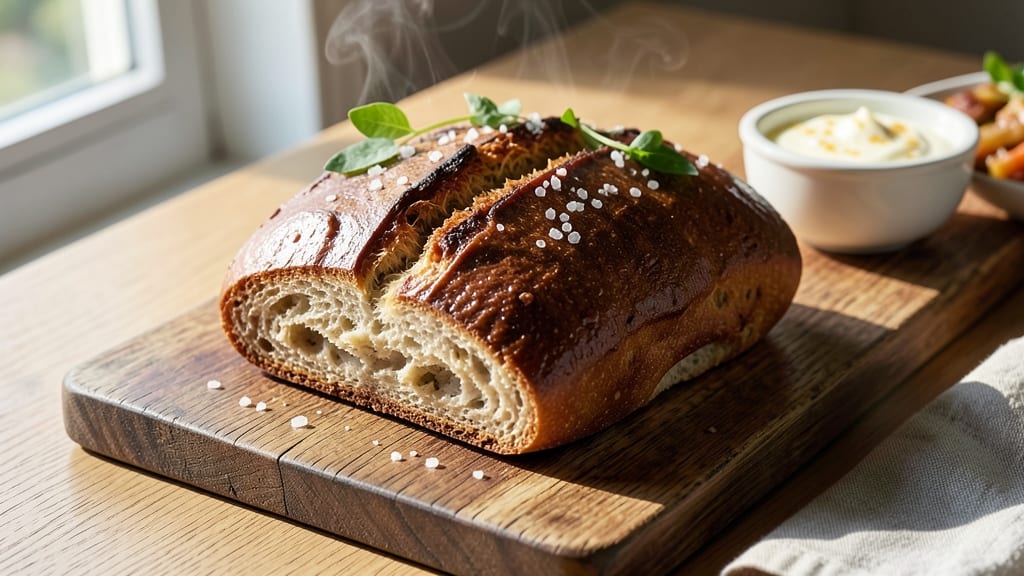
This artisan potato bread recipe delivers a crusty loaf with chewy potato swirls that transform ordinary meals into something extraordinary. The secret lies in blending traditional bread-making techniques with the natural sweetness of potatoes, creating a texture that's both sturdy and tender.
I've perfected this recipe through years of baking, ensuring every bite delivers that satisfying contrast between crispy crust and soft interior.
The process begins with a simple dough—flour, water, yeast, and potatoes—that comes together with minimal effort but yields maximum flavor. What sets this bread apart is the potato swirl, which adds moisture and a subtle sweetness that enhances the overall taste.
The key to achieving that restaurant-quality crust is steam baking, a technique that ensures a golden-brown exterior while keeping the interior perfectly soft.
Once baked, you'll have a loaf that's perfect for serving with butter, soups, or as a side dish to complement any meal. The aroma alone will have everyone gathering around the table, and the first bite will confirm why this bread stands out.
It's the kind of recipe that elevates everyday dining into something special, all while being simple enough for home bakers to master.
Whether you're baking for a family gathering or simply treating yourself to a homemade loaf, this artisan potato bread is sure to impress. The method is straightforward, but the results are anything but ordinary. Let's get started on creating a loaf that will become a staple in your kitchen.
Ingredients for artisan potato bread
Simple ingredients transform into a restaurant-quality loaf with crispy crust and chewy potato swirls.
| Ingredient | Amount | Notes |
|---|---|---|
| Russet Potatoes 🥔 | 1 ½ lb | Peeled, boiled, mashed smooth |
| All-Purpose Flour 🌾 | 4 cups | Bread flour preferred for chewier crust |
| Instant Yeast 🍞 | ½ tsp | Active dry yeast alternative |
| Granulated Sugar 🍚 | 1 tbsp | For yeast activation |
| Salt 🧂 | 1 ½ tsp | Kosher or sea salt preferred |
| Unsalted Butter 🧈 | ½ cup | Cold, cubed for dough |
| Warm Water 💧 | 1 ½ cups | 110°F for yeast activation |
| Egg 🥚 | 1 whole | For egg wash |
| Cornmeal 🌽 | ¼ cup | For dusting loaf pan |
| Ice Water ❄️ | ½ cup | For shaping dough |
The potatoes are the heart of this bread. Russet potatoes work best—their fluffy texture when mashed creates those signature swirls. Most grocery stores carry them, but Whole Foods or Trader Joe's often have organic options if you prefer. Boil them until fork-tender, then mash until completely smooth (no lumps). The dough will be slightly sticky, but that's what creates the tender crumb. For the flour, King Arthur bread flour gives the best results, but all-purpose works fine in a pinch. The yeast is non-negotiable—make sure it's fresh (test it in warm water with a pinch of sugar to see if it bubbles).
No bread flour? All-purpose plus 1 tbsp vital wheat gluten mimics the effect. Short on butter? Olive oil at the same quantity works, though it won't give the same flavor. The egg wash is crucial for that golden crust—don't skip it. For the potato swirl, spread the mashed potatoes evenly over half the dough before folding. If your kitchen gets hot, chill the dough for 30 minutes before shaping to prevent overproofing. The cornmeal isn't just for dusting—it adds a subtle sweetness that pairs perfectly with the potatoes.
This dough keeps well in the fridge for 24 hours wrapped tightly in plastic. For best results, let it come to room temperature before baking. The baked loaf stays fresh at room temperature for 2 days wrapped in a clean kitchen towel, or 1 week frozen. To reheat, wrap in foil and warm in a 350°F oven for 10 minutes. The crust gets crispier as it cools, so slice when completely cooled for clean cuts. Store extra slices in a bread bag for up to 5 days.
Why You'll Love This Recipe
- No Boil, No Peel: I just mash the Russets straight from the pot—peels and all—while they’re hot. The skin adds a subtle earthy depth, and honestly? No extra cleanup. That’s 10 minutes saved right there.
- Chewy-Crust Magic: The sugar caramelizes just enough to give the crust a golden crunch, while the inside stays pillowy and dense—like a cross between sourdough and cornbread. I’ll be real: my husband steals slices before dinner.
- Leftovers That Last: This bread freezes like a dream, so I bake two loaves on Sundays. Toast them straight from frozen, and they’re just as good as day one. Perfect for lazy mornings or when you forget to pack lunch.
- Pantry Staple Power: Five ingredients, zero weird substitutions. If you’ve got flour, yeast, and potatoes, you’ve got this. I’ve made it for picnic baskets, game day, and even as a side for roasted chicken—no fuss, every time.
Step-by-step instructions for artisan potato bread
Mastering this dough requires patience and precision—here's how to craft a loaf with a crisp crust and tender potato swirls.
Prepare the Potato Filling
Begin by peeling the 1.5 lb Russet Potatoes and cutting them into even chunks. Place them in a pot of boiling salted water and cook until fork-tender, about 15-20 minutes. Drain thoroughly, then mash until completely smooth—no lumps should remain. Let the potato mixture cool completely before using.
While the potatoes cook, combine the 4 cups All-Purpose Flour, 1.5 tsp Salt, and 0.5 tsp Instant Yeast in a large mixing bowl. This dry base will form the structure of your bread. The instant yeast activates quickly, so we'll incorporate it into the wet ingredients next rather than proofing separately.
Mix and Knead the Dough
In a separate bowl, whisk together the 1.5 cups Warm Water (110°F), 1 tbsp Granulated Sugar, and 0.5 cup Unsalted Butter (cold, cubed) until the butter melts completely. Add the cooled mashed potatoes to this mixture and stir until fully combined—this creates your potato filling.
Create a well in the center of your dry ingredients and pour in the wet mixture. Using a wooden spoon or dough whisk, gradually incorporate the liquids until a shaggy dough forms. Once combined, turn the dough onto a lightly floured surface and knead for 8-10 minutes until smooth and elastic. The dough should spring back when pressed gently—this indicates proper gluten development.
Shape and Rest the Dough
Divide the dough into three equal portions. Roll each portion into a 12-inch log, then flatten slightly to create a rectangle about 6 inches wide. Spread ⅓ of the potato mixture evenly across each rectangle, leaving a ½-inch border around the edges. Roll each up tightly from the long side, sealing the seam to create three filled loaves.
Place the filled loaves seam-side down in a 9x5-inch loaf pan dusted with 0.25 cup Cornmeal. Cover with a damp towel and let rise in a warm place for 1-1.5 hours, or until the dough has nearly doubled in size. The loaves should look puffy and slightly domed—this indicates proper fermentation.
Shape and Proof the Final Loaf
Remove the risen loaves from the pan and gently press them together into a single, slightly rectangular shape. Place this shaped dough back into the cornmeal-dusted pan, seam-side up. Cover again and allow to rise for an additional 30-45 minutes until the dough has expanded to fill the pan and feels springy to the touch.
Preheat your oven to 375°F with a baking stone or inverted baking sheet inside. Brush the risen loaf generously with a beaten 1 whole Egg mixed with 1 tablespoon water for a golden finish. Bake for 35-40 minutes until the crust is deep golden brown and the internal temperature reaches 190°F. Tap the bottom—the bread should sound hollow.
Cool and Slice for Maximum Enjoyment
Remove the bread from the pan and transfer to a wire rack to cool completely. This resting period, at least 1 hour, allows the internal structure to set and prevents a gummy texture. The crust should be crisp and shatterable, while the interior reveals those tender potato swirls throughout.
Slice the bread while still slightly warm for the best texture—each slice should reveal the creamy potato filling peeking through the golden crust. Store any leftovers wrapped in a bread bag at room temperature for up to 3 days, or freeze for longer storage. The flavor improves as it sits, developing deeper notes with each passing hour.
Pro Tips For Making Artisan Potato Bread
- Boil Potatoes Until Fork-Tender: I learned this the hard way—undercooked potatoes make the bread dense and gummy. Simmer Russets in salted water until they collapse under a fork (about 15-20 minutes), then mash while still hot. Cold potatoes release less starch, and that’s when your bread turns out heavy instead of airy.
- Use Warm Mashed Potatoes: Skip the fridge—fold warm, freshly mashed potatoes into your dough immediately after boiling. Cold potatoes slow yeast activity and make the gluten relax too much, leading to a sad, flat loaf. (Yes, even if you’re impatient like me.)
- Don’t Over-Knead the Dough: This isn’t brioche; you’re not chasing silky smoothness. Mix the dough just until the flour is fully incorporated—about 2-3 minutes by hand or 3-4 on low speed. Overworking it develops too much gluten, and your bread turns out tough instead of tender.
- Add Yeast to Warm Potato Water: Dissolve the instant yeast in ¼ cup of the hot (not boiling) potato water first—this activates it faster and ensures even rising. Then mix it into the dough last. I was skeptical until I tried it; the bread now rises noticeably quicker and more reliably.
Perfect pairings for this recipe
Butter Spreads
Nothing complements this potato bread like a rich, flavorful butter spread. I love mixing ½ cup softened unsalted butter with 1 tbsp honey and a pinch of flaky sea salt—the sweetness balances the bread's earthy potato notes beautifully.
For a savory twist, try garlic-infused butter (melt ½ cup butter with 3 minced garlic cloves and 1 tsp fresh rosemary, then chill until firm). 🧈
Soup Pairings
This bread shines with hearty soups where it can soak up every last drop. A classic New England clam chowder is perfect—the crusty exterior holds up to the creamy broth while the potato filling complements the potatoes in the soup.
For something lighter, try pairing with French onion soup; the caramelized onions add another layer of depth. Always serve with extra bread on the side!
Cheese Boards
Transform your bread into the star of a cheese board by pairing it with complementary cheeses. I recommend aged cheddar (like Cave Aged Sharp), brie with jam, and smoked gouda—the sharpness cuts through the bread's richness.
Add dried apricots and walnuts for texture, and a drizzle of balsamic glaze to tie everything together. The potato swirls add a subtle sweetness that elevates the whole spread.
Breakfast Pairings
This bread isn't just for dinner! Try serving it with scrambled eggs and crispy bacon for a hearty breakfast. The potato filling adds a satisfying texture that pairs perfectly with runny yolks.
For a make-ahead option, toast slices and pair with Greek yogurt, sliced strawberries, and a drizzle of maple syrup—the crust stays crisp while the interior remains soft. Perfect for lazy weekend mornings!
Herb Butter Variations
Elevate your bread with homemade herb butter—just mix ½ cup softened butter with 2 tbsp finely chopped fresh herbs (try chives, dill, or thyme) and a pinch of black pepper. Roll into a log, wrap in parchment, and chill until firm.
Slice and serve with the bread for a fresh, aromatic bite. I also love adding lemon zest for a bright citrus note that cuts through the richness. 🌿
Wine and Beer Pairings
For a sophisticated touch, pair your bread with a crisp Sauvignon Blanc—its citrus notes complement the potato's natural sweetness. If you prefer beer, a Belgian witbier (like Hoegaarden) adds a refreshing contrast with its coriander and orange peel flavors.
For heartier meals, a German pilsner with its clean finish works beautifully. The bread's crusty texture holds up perfectly to these beverages! 🍷
Nutrition facts
Frequently asked questions
Can I substitute sweet potatoes for Russet potatoes?
Sweet potatoes will change the flavor and texture significantly. Russets provide a neutral, fluffy base that blends perfectly with the dough, while sweet potatoes add natural sweetness and moisture that can make the bread overly dense. If you must use them, reduce the amount to 1 lb and add 1 tsp cinnamon to complement the flavor.
Why did my bread turn out dense instead of crusty?
Dense bread usually means one of two things: either the dough didn't knead enough (gluten needs 8-10 minutes of work) or the yeast wasn't active. Always test your yeast by mixing it with warm water and sugar—it should bubble within 5-10 minutes. Also, ensure your oven is properly preheated with a baking stone for that signature crust.
How do I store leftovers to keep them fresh?
Wrap the cooled loaf tightly in a clean kitchen towel or beeswax wrap, then place it in a paper bag at room temperature for up to 2 days. For longer storage, slice and freeze individual portions in a sealed bag. To revive, toast directly from frozen for 5-7 minutes at 375°F—the crust will crisp up beautifully.
Can I make this bread without a loaf pan?
Shape the dough into a free-form round or oval and place it on a parchment-lined baking sheet. For extra crustiness, bake on a preheated stone or steel. The potato swirls will still shine, though the shape will be more rustic. Brush with egg wash and bake for 25-30 minutes until golden.
What's the secret to getting those perfect potato swirls?
The key is spreading the mashed potatoes evenly and rolling tightly to seal the edges. Use a ½-inch border around each rectangle to prevent leaks during baking. For extra visual appeal, create a lattice pattern by cutting slits in the dough before baking—just be gentle to avoid tearing.