
Side Dishes
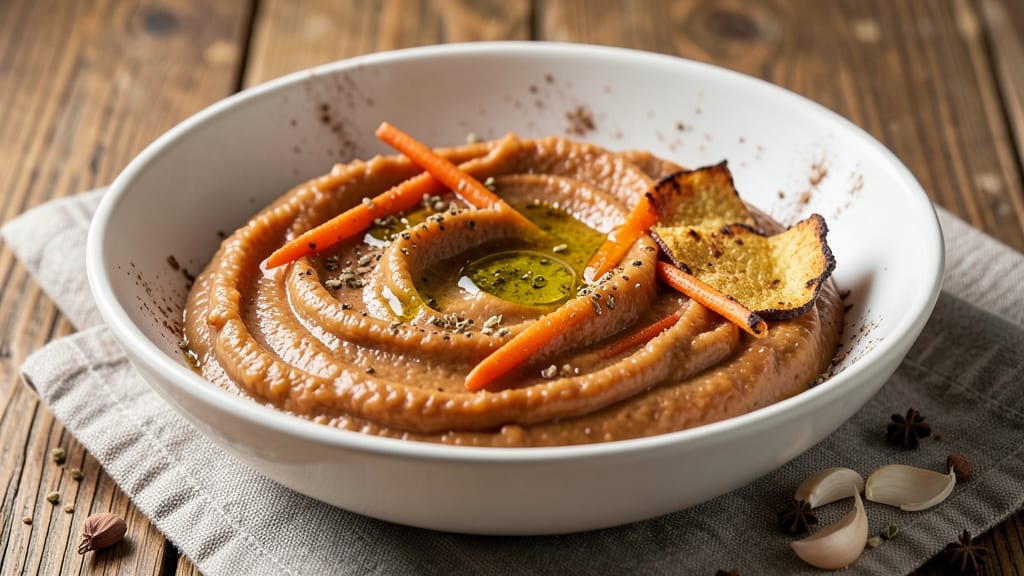
This sweet potato and carrot puree recipe transforms humble root vegetables into a velvety, aromatic side dish that elevates any meal—whether paired with curries, soups, or crusty bread.
The secret lies in slow-roasting the vegetables until tender, then blending them into an ultra-smooth texture with just the right balance of natural sweetness and subtle spice. I developed this recipe after realizing how often store-bought purees fall short of homemade quality, and the difference is night and day.
The technique is straightforward but yields restaurant-quality results: peel and dice the sweet potatoes and carrots into even pieces, then roast them until caramelized and fork-tender. This method deepens their natural flavors while ensuring a silky-smooth finish.
A touch of olive oil, garlic, or warm spices like cumin or cinnamon can transform this puree into a flavor powerhouse without overpowering the dish.
What you’ll end up with is a creamy, golden puree that’s rich in texture and packed with natural sweetness, yet balanced enough to complement bold flavors. The roasting process intensifies the vegetables’ natural sugars, creating a subtle caramelization that adds depth.
This puree isn’t just a side—it’s a versatile canvas for spices, herbs, or even a splash of lemon juice for brightness.
Serve it warm alongside curries, use it as a base for soups, or spread it on toasted bread for a hearty appetizer. The possibilities are endless, and the process is foolproof—perfect for meal preppers or anyone looking to add a touch of elegance to their table.
Let’s get started on creating this velvety masterpiece.
Ingredients for sweet potato and carrot puree
Restaurant-quality puree starts with these carefully selected ingredients for velvety texture and aromatic depth.
| Ingredient | Amount | Notes |
|---|---|---|
| Sweet Potatoes 🍠 | 2 lbs | Organic preferred, peeled and cubed |
| Carrots 🥕 | 1 ½ lbs | Organic preferred, peeled and chopped |
| Extra-Virgin Olive Oil 🫒 | ¼ cup | High quality, fruity variety |
| Garlic Cloves 🧄 | 4 cloves | Fresh, minced for aromatic depth |
| Ground Cumin 🌿 | 1 tsp | Toasted for enhanced warmth |
| Ground Cinnamon 🌶️ | ½ tsp | For subtle sweetness |
| Salt 🧂 | 1 tsp | Diamond Crystal preferred |
| Black Pepper 🌶️ | ½ tsp | Freshly ground for brightness |
| Vegetable Broth 💧 | ½ cup | Low-sodium preferred |
| Unsweetened Almond Milk 🥛 | ¼ cup | For creaminess and balance |
| Fresh Lemon Juice 🍋 | 1 tbsp | Brightens final flavor |
| Fresh Thyme Leaves 🌿 | 2 tsp | Chopped, for herbal depth |
The sweet potatoes and carrots are the foundation, and organic is ideal—their natural sweetness shines brightest without pesticide interference. Whole Foods Market or local farmers markets offer the best quality, but any well-stocked grocery store carries reliable options. Look for sweet potatoes with smooth, firm skin and vibrant orange flesh—avoid any with soft spots or green patches. Carrots should be crisp and bright orange; organic varieties often have deeper flavor. For the olive oil, California-grown extra-virgin brands like Corto or Lucini elevate the dish with their fruity notes, but any high-quality EVOO will work. Fresh garlic and thyme are non-negotiable—their aromatic compounds deepen as they roast with the vegetables.
No organic sweet potatoes? Conventional works fine, but peel thoroughly to remove any wax coatings. Short on carrots? Butternut squash or parsnips add similar sweetness and texture. The almond milk can be swapped for cashew milk or coconut milk if preferred, though almond provides the best neutral creaminess. For spice alternatives, cardamom or smoked paprika offer unique depth, while turmeric adds vibrant color. The vegetable broth ensures moisture without overpowering—low-sodium versions like Pacific Foods or homemade are ideal. If you're in a pinch, water works, but the broth adds subtle umami. Fresh herbs can be substituted with dried at one-third the amount, though fresh is always superior.
Roasted vegetables keep in the fridge for 5 days when stored in an airtight container, but blending them immediately yields the best texture. The puree itself stays fresh for 4-5 days refrigerated or 3 months frozen. For freezing, portion into ice cube trays before transferring to a bag—perfect for quick reheating. Thaw overnight in the fridge or warm gently on the stovetop with a splash of water. This puree reheats beautifully, so double the batch if you're planning to use it throughout the week. Leftovers can be thinned with water or broth as needed for soups or sauces.
Why You'll Love This Recipe
- One-Pot Magic: I swear by this recipe because it’s actually one-pot—no blender transfers, no extra bowls. Just roast the sweet potatoes and carrots until tender, then mash them right in the pan with a fork. The olive oil and cumin blend right in while it’s still warm, and honestly? That’s where the flavor really comes together.
- Earthy & Smoky Depth: The cumin and roasted garlic give this puree a warm, almost spiced-sweetness that’s way more interesting than plain mashed sweet potatoes. I’ll be real: I’ve made it without cumin before, and it’s just… missing something. The caramelized edges from the roasting? Absolute game.
- Meal Prep MVP: This keeps perfectly for 4-5 days in the fridge—great for quick lunches or baby food (my toddler calls it "orange mush," but she devours it). I double the batch every Sunday and use it in wraps, over toast, or even mixed into scrambled eggs. No waste, just flavor.
- Budget Bright Spot: Sweet potatoes and carrots are cheap, and this recipe stretches them further than you’d think. A single batch feeds my family of four for two meals, and the olive oil and garlic are pantry staples. Plus, it’s one of those rare dishes where the simpler the ingredients, the richer the result—no fancy swaps needed.
Step-by-step instructions for sweet potato and carrot puree
Transform humble root vegetables into a luxurious, velvety puree with layers of spiced warmth.
Roast Vegetables Until Caramelized
Preheat your oven to 400°F and line a large baking sheet with parchment paper. Arrange the 2 lbs sweet potatoes and 1.5 lbs carrots in a single layer, ensuring they have space to roast evenly. Drizzle evenly with the 0.25 cup extra-virgin olive oil, then sprinkle with the 1 tsp salt, 0.5 tsp black pepper, 1 tsp ground cumin, and 0.5 tsp ground cinnamon. Toss gently to coat all surfaces.
Roast for 30-35 minutes until the sweet potatoes and carrots are fork-tender and their edges begin to caramelize. You'll know they're ready when the skin offers slight resistance but the flesh yields easily to gentle pressure. The oven should smell like warm spices and caramelizing sugar—this is your cue that the vegetables are developing their natural sweetness. Real talk: don't skip the roasting. Steaming or boiling would leave you with a watery, flavorless puree. The Maillard reaction during roasting builds depth that no other method can match.
Build Flavor with Aromatics and Broth
While the vegetables roast, heat a large skillet over medium heat. Add the 4 minced garlic cloves and sauté for 1-2 minutes until fragrant but not browned. Immediately transfer the garlic to a blender along with the roasted vegetables, 0.5 cup vegetable broth, and 2 tsp fresh thyme leaves. The garlic should still carry its warm, pungent aroma—this is when it releases its full flavor profile.
Blend until completely smooth, scraping down the sides as needed. The puree should be silky with no visible texture. If it's too thick, add 1-2 tablespoons of water at a time until you reach a velvety consistency. This is where the magic happens: the roasted vegetables provide natural sweetness, the spices add warmth, and the broth balances the richness. I've found that blending immediately after roasting preserves the maximum flavor and texture.
Create Creamy Balance with Dairy and Acid
Return the puree to the skillet and stir in the 0.25 cup unsweetened almond milk and 1 tbsp fresh lemon juice over low heat. The almond milk adds creaminess without overpowering the vegetable flavors, while the lemon juice brightens the dish and cuts through any richness. Stir constantly for 3-5 minutes until the mixture reaches 160°F—just warm enough to meld the flavors without cooking the puree further.
Taste and adjust seasoning if needed. You might need a pinch more salt or a splash more lemon juice to achieve perfect balance. The final texture should be smooth yet substantial, with a luxurious mouthfeel. This is the moment that matters: the puree should coat the back of a spoon without being gluey, and each bite should deliver the caramelized sweetness of the roasted vegetables with a sophisticated spice profile. The lemon juice is particularly important here—it's what transforms this from a simple vegetable puree into something restaurant-worthy.
Finish with Precision and Serve
Transfer the puree to a serving bowl and let it rest for 5 minutes before serving. This brief resting period allows the flavors to fully meld and the texture to stabilize. The puree should be warm but not hot, with a glossy sheen that indicates perfect consistency. For an elegant presentation, drizzle with an additional 1 teaspoon of extra-virgin olive oil and garnish with a sprinkle of fresh thyme leaves.
Serve immediately while warm. This puree pairs beautifully with grilled meats, roasted proteins, or even as a standalone vegetarian dish. The combination of sweet potatoes and carrots creates a naturally sweet base, while the spices and lemon juice add complexity. Don't let the simplicity fool you—this is a puree that deserves center stage. If you find yourself with leftovers, store them in an airtight container in the refrigerator for up to 3 days, though I doubt you'll have any. The flavors only deepen with time, making it even more irresistible the next day.
Pro Tips For Making Sweet Potato And Carrot Puree
- ROAST FIRST, PUREE SECOND: I used to boil sweet potatoes and carrots together, but roasting them at 400°F (200°C) for 25-30 minutes—cut into even chunks, tossed with a drizzle of olive oil and a pinch of salt—gives you caramelized edges and deeper flavor. The texture stays silky when you puree, and the cumin clings better to roasted veggies than steamed ones.
- PEEL AFTER COOKING: Sweet potatoes and carrots lose nutrients (and sometimes turn bitter) when peeled raw, but if you wait until after cooking, the skins slide off effortlessly. Just rub them with a damp towel first—works like a charm, and you’ll save time scraping stubborn spots.
- SALT THE WATER: If you’re boiling (and yes, I know roasting is better), add a generous tablespoon of salt to the water. The sweet potatoes absorb it as they cook, so you won’t need to over-season later. Trust me, the flavor balance is way more consistent when the salt is in from the start.
- TOAST THE CUMIN: Before adding ground cumin to your puree, dry-toast it in a small pan over low heat for 30 seconds—just until it smells warm and earthy. It mellows out the sharpness and makes the flavor sing. Skip this, and you’ll taste the raw spice instead of the cozy warmth you want.
Serving suggestions for leftovers
Curry Pairing Perfection
This puree is a game-changer with Indian curries—especially butter chicken or lentil-based dal. The natural sweetness of the roasted vegetables balances the tangy tomato base and spices, while the cumin and cinnamon in the puree mirror flavors already in the dish.
I like to serve it warm alongside curries, letting the two dishes complement each other like peanut butter and jelly. 🌶️
For extra harmony, stir a spoonful of the puree directly into your curry sauce during the last 5 minutes of simmering. This creates a velvety, golden swirl that ties everything together beautifully.
The almond milk in the puree adds creaminess without needing heavy cream, making it perfect for vegan curry adaptations.
Soup Upgrade
Transform any soup into a heartier meal by swirling in this puree. It works especially well with tomato basil soup or lentil soup, where its sweetness contrasts the earthiness of the vegetables.
I add about ½ cup of puree to a bowl of hot soup, then top with a dollop of Greek yogurt and a sprinkle of toasted pumpkin seeds for crunch. The result is a restaurant-worthy bowl that feels indulgent yet balanced. 🥄
For a creamy potato-leek soup upgrade, blend ½ cup of the puree directly into the soup base before serving. The caramelized sweetness enhances the natural flavors of the leeks and potatoes, while the spices add warmth.
Serve with a side of crusty bread to soak up every last drop of that luxurious texture.
Toasted Bread Spread
This puree isn't just for sides—it's a showstopping spread for toasted bread. Warm sourdough or baguette slices in the oven until golden, then spread with the puree. Top with a sprinkle of flaky sea salt and a drizzle of honey for a sweet-savory balance that's perfect for brunch or appetizers.
I love pairing it with smoked salmon or avocado slices for a vegetarian-friendly twist. 🥖
For a spiced twist, mix in ½ teaspoon of smoked paprika and a pinch of cayenne before spreading. The heat and smokiness elevate the puree into a flavorful dip that's perfect with vegetable sticks or chips.
This version is especially popular at my dinner parties—it's simple but feels gourmet.
Breakfast Bowl Base
Start your day with this puree as the base for a warm breakfast bowl. Layer it with scrambled tofu or poached eggs, then top with crispy chickpeas, avocado slices, and fresh cilantro.
The sweetness of the puree balances the savory elements, creating a dish that's both comforting and exciting. I often reheat it gently on the stovetop with a splash of water to maintain its creamy texture. 🍳
For a make-ahead option, prepare the puree in advance and store it in the fridge. In the morning, simply reheat it with a splash of almond milk and top with your favorite breakfast ingredients.
It's a fantastic way to add warmth and depth to your morning routine without sacrificing flavor.
Nutrition facts
Frequently asked questions
Can I make this puree without roasting?
You can boil or steam the vegetables instead, but roasting is key for that caramelized depth and natural sweetness. Boiled versions tend to be watery and lack the rich, spiced complexity. If you prefer boiling, add an extra 1 tablespoon of olive oil and ½ teaspoon of cinnamon to compensate for the lost flavor.
How do I adjust the thickness of the puree?
Start with 1-2 tablespoons of water or vegetable broth at a time when blending if it's too thick. For extra creaminess, stir in 1-2 tablespoons of almond milk or Greek yogurt after blending. The goal is a velvety texture that coats the back of a spoon without being gluey—like a fine mashed potato.
Can I use frozen sweet potatoes or carrots?
Fresh is ideal for best texture, but frozen works in a pinch! Thaw and drain the vegetables thoroughly before roasting. Add 2-3 extra minutes to the roasting time since frozen veggies start cooler. For extra moisture, reduce the broth to ¼ cup to prevent a watery puree. The flavor will be slightly less intense, but still delicious.
What's the best way to reheat leftovers?
Gently reheat on the stovetop over low heat with a splash of water or almond milk to restore creaminess. Avoid microwaving—it can make the puree grainy. For best results, warm to 160°F and stir constantly. If it thickens too much, thin with a little broth or water. The puree reheats beautifully and tastes even better the next day!