
Side Dishes
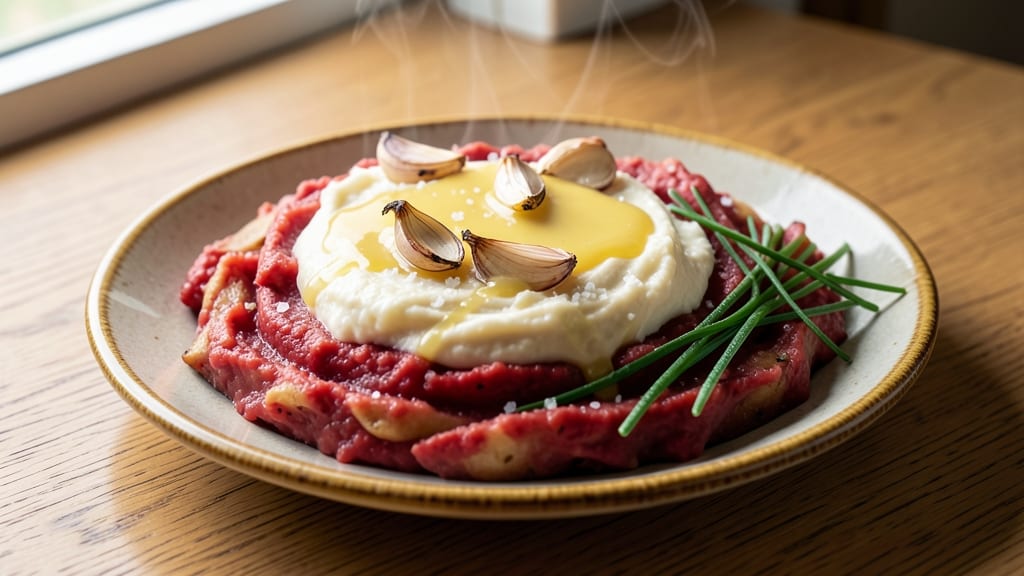
This baby red potatoes mashed potato recipe transforms humble spuds into velvety perfection with a texture so smooth it rivals restaurant-quality sides. The secret lies in proper boiling and mashing techniques that eliminate lumps while preserving the potatoes' natural sweetness and delicate flavor.
Unlike traditional starchy potatoes, baby reds break down beautifully, creating an ultra-creamy consistency that's ideal for holiday tables or weeknight dinners.
What sets this method apart is the attention to detail during cooking and mashing. We'll use a combination of butter and warm milk (or dairy-free alternatives) to achieve that signature creamy texture without overworking the potatoes.
The process only takes about 30 minutes from start to finish, making it perfect for busy cooks who want restaurant-quality results at home.
By the time you're done, you'll have perfectly smooth mashed potatoes with a tender, almost custard-like consistency that melts in your mouth. The vibrant red color adds visual appeal, while the flavor remains true to classic mashed potatoes. This recipe serves 6-8 and can be easily doubled for larger gatherings.
Serve these creamy mashed potatoes alongside roasted meats, grilled vegetables, or as a comforting side dish for any meal. The recipe includes optional garnishes like fresh chives or roasted garlic to elevate the presentation. Let's get started on creating your smoothest mashed potatoes yet!
Ingredients for baby red potatoes mashed potato
Baby red potatoes plus butter and warm milk—just three essentials for velvety perfection.
| Ingredient | Amount | Notes |
|---|---|---|
| Baby Red Potatoes 🥔 | 2 ½ lb | Unpeeled, halved for even cooking |
| Unsalted Butter 🧈 | ¾ cup | Cold, cut into small cubes |
| Whole Milk 🥛 | 1 cup | Warm, not boiling |
| Large Garlic Cloves 🧄 | 2 whole | Roasted for sweet aroma |
| Fresh Chives 🌿 | ¼ cup | Chopped, for garnish |
| Diamond Crystal Kosher Salt 🧂 | 1 ½ tsp | Adjust to taste |
| Freshly Ground Black Pepper 🌶️ | ½ tsp | Freshly cracked preferred |
| Heavy Cream 🥛 | ¼ cup | Optional for extra richness |
| White Wine Vinegar 🍷 | 1 tsp | Balances richness |
| Extra-Virgin Olive Oil 🫒 | 1 tbsp | For roasting garlic |
| Cream Cheese 🧀 | 4 oz | Optional for ultra-smooth texture |
The potatoes are everything here. Baby reds are sweeter and creamier than russets, but any small red potato works. Trader Joe's and Whole Foods carry them pre-washed, which saves time. Look for firm, vibrant potatoes—avoid any with sprouts or soft spots. Halving them first ensures even cooking, but don't skip the cold start: drop them into boiling water without peeling. The skins soften beautifully and add texture. For roasting the garlic, Costco sells those big cloves perfect for this trick—just toss them in olive oil and roast at 400°F until golden.
No butter? Coconut oil or vegan butter works, but trust me on the full-fat version for that signature creaminess. Milk too warm? Microwave it 30 seconds to just heat through—boiling kills the creaminess. Short on time? Instant potatoes are a last-resort swap, but they won't give you that restaurant-quality texture. The cream cheese is optional but game-changing for ultra-smooth results. Skip it if you're watching calories, but I always grab the Philadelphia brand—it blends seamlessly. For the vinegar, any white vinegar works, but apple cider vinegar adds a subtle sweetness that pairs perfectly with the potatoes.
Potatoes keep best in a cool, dark place for up to 2 weeks, but baby reds cook faster—use them within 1 week for peak flavor. The roasted garlic? Store it in the fridge for 5 days—it's perfect for spreading on toast or mixing into sauces. Leftovers? These mashed potatoes reheat beautifully—just warm with a splash of milk to restore creaminess. I always make a double batch: one for dinner and one for lunches. Portion into containers and freeze for up to 3 months—they thaw perfectly with a quick microwave zap.
Why You'll Love This Recipe
- No Boil, No Peel: These tiny potatoes practically cook themselves—just a quick roast in the oven while you chop garlic. No peeling, no waiting for water to boil, no mess. Honestly, I’ve made this while scrolling through emails, and it still comes out buttery and tender.
- Garlic-Chive Magic: That first bite of warm, garlicky mash with fresh chives on top? It’s like a hug in food form. The roasted garlic adds depth, while the chives bring a bright finish—simple, but it’s the kind of flavor that makes you pause mid-bite.
- Leftovers That Don’t Suck: Unlike regular mashed potatoes that turn gluey, these stay creamy and delicious for days. I’ve reheated slices straight from the fridge for lunch, and they’re just as good—no one will guess they’re not fresh.
- Budget Meal, Big Impact: Baby red potatoes are cheaper than russets, and you use the whole potato—no waste. A single bag stretches across multiple meals, and the butter and milk are basic pantry staples. Between us, this is my go-to when I need a filling, satisfying side without breaking the bank.
Step-by-step instructions for ultra-creamy baby red potatoes
Here's how to transform simple baby red potatoes into velvety mashed potatoes with zero lumps.
Roast the Potatoes for Maximum Flavor
Preheat your oven to 400°F and line a baking sheet with parchment paper. Halve the 2.5 lb baby red potatoes lengthwise, leaving the skins intact for texture. Toss them with 1 tablespoon extra-virgin olive oil and 1 teaspoon diamond crystal kosher salt until evenly coated.
Arrange the potato halves cut-side down on the baking sheet, leaving space between each piece. Roast for 30 minutes until the edges are golden brown and a knife slides in easily. Flip the potatoes and roast for another 15-20 minutes until tender. The roasting caramelizes the natural sugars, creating depth of flavor that steaming or boiling can't match.
Roast the Garlic for Sweet Aroma
While the potatoes roast, prepare the 2 whole large garlic cloves. Preheat your oven to 375°F and place the garlic cloves on a small piece of aluminum foil. Drizzle with a tiny bit of olive oil, wrap them loosely, and roast for 12-15 minutes until golden and fragrant.
Let the garlic cool slightly, then squeeze it out of the skins directly into your mashed potatoes. The roasted garlic adds a sweet, mellow depth that complements the earthy potatoes beautifully. This is where the magic happens—simple ingredients transformed into something extraordinary.
Mash with Butter and Milk for Creaminess
Transfer the roasted potatoes to a large pot and add ¾ cup unsalted butter, cut into small cubes. Mash everything together using a potato masher or ricer—this prevents lumps better than a fork. I like to work in batches if needed to ensure even texture.
Gradually add the 1 cup warm whole milk while continuing to mash. The warmth of the milk helps incorporate it smoothly, creating a silky texture. If the mixture seems too thick, add a splash more milk. You're aiming for a consistency that's light enough to pipe but still substantial enough to hold its shape.
Add Cream Cheese for Ultra-Smooth Texture
In a separate small saucepan, gently warm the 4 oz cream cheese and ¼ cup heavy cream over low heat until the cream cheese melts completely. This creates a luxurious, velvety base that elevates the mashed potatoes to restaurant-quality.
Remove the saucepan from heat and stir in 1 teaspoon white wine vinegar and ½ teaspoon freshly ground black pepper. The vinegar brightens the flavors while balancing the richness. Slowly fold this mixture into your mashed potatoes until fully combined and completely smooth.
Finish with Fresh Chives and Serve Warm
Transfer the mashed potatoes to a serving bowl and gently fold in the ¼ cup chopped fresh chives. The chives add a fresh, bright contrast to the rich, creamy potatoes. Taste and adjust seasoning with additional salt if needed.
Serve immediately while warm, piping onto plates or passing in a bowl. The contrast of the warm, creamy mashed potatoes against cool chives makes each bite irresistible. This recipe delivers that perfect balance of texture and flavor that makes mashed potatoes feel like a special occasion dish.
Pro Tips For Making Baby Red Potatoes Mashed Potato
- Boil Until Fork-Tender: Baby red potatoes are stubborn—don’t cut them until they’re actually done. Toss whole, unpeeled potatoes in boiling salted water (yes, with skins on) and cook until they pierce easily with a fork. I learned this the hard way: undercooked potatoes turn to mush when mashed, and overcooked ones get gluey. Aim for 15-20 minutes, then peel while still warm for easier handling.
- Use Roasted Garlic: Skip the raw clove—roast 2-3 whole garlic cloves in the oven (400°F for 10-12 minutes) until soft and caramelized. Mash them directly into the potatoes with the butter and milk. The flavor is deeper, sweeter, and blends seamlessly without that sharp raw bite. (Yes, it’s extra work, but your taste buds won’t care.)
- Don’t Overmix the Potatoes: The moment you see lumps, stop mashing. Baby red potatoes break down quickly, and once they turn into glue, there’s no fixing it. Use a ricer or a potato masher—press, don’t stir—until just combined. A few small lumps? That’s the sign of a good mash. Overworking them is how you end up with sad, pasty potatoes.
- Sauté the Chives Last: Chives burn faster than you’d think. After mixing in the butter, milk, and roasted garlic, turn off the heat and stir in the chopped chives off the stove. Their bright color and freshness fade fast under heat, so save them for the final touch. (Pro move: reserve a few extra for garnish—they make the dish look like you put in effort.)
Essential equipment for baby red potatoes mashed potato
Must-Have Tools
Start with a potato masher or ricer—these are game-changers for ultra-smooth texture. I swear by the OXO Good Grips Potato Masher for its sturdy handle and effective design. A ricer like the KitchenAid Potato Ricer takes it to the next level, eliminating every last lump. 🥔
Precision Thermometer
Invest in a digital instant-read thermometer (I use Thermoworks ThermoPop) to check your potatoes' internal temperature—205-210°F means perfect doneness. Overcooked potatoes turn gummy, while undercooked ones create a gritty texture. This small tool saves you from guesswork and ensures consistent results every time.
High-Quality Pot
Use a heavy-bottomed stainless steel pot (like All-Clad) for even heat distribution when boiling or reheating. Thin aluminum pots can create hot spots, leading to uneven cooking. The pot should be large enough to hold your potatoes without overcrowding—8-10 inches is ideal for this recipe.
A lid with a vented top helps maintain steady temperature.
Optional Luxury Tools
For that restaurant-quality finish, consider a food mill (like the OXO Good Grips Food Mill) to achieve silky-smooth mashed potatoes with minimal effort. A stand mixer with a paddle attachment (like KitchenAid) also works wonders for blending the final texture.
These tools aren't essential, but they elevate the process for special occasions. 💫
Storage Containers
For leftovers, use glass airtight containers (like Pyrex) to preserve freshness. These containers maintain moisture and prevent freezer burn if you're storing for later. I recommend quart-sized containers for portion control—perfect for meal prep.
Label them with dates to track freshness, as baby red potatoes lose texture faster than russets when stored.
Nutrition facts
Frequently asked questions
Why do baby red potatoes make better mashed potatoes than russets?
Baby reds have a naturally creamy texture and higher moisture content, which breaks down beautifully when cooked. Their thin skins also soften perfectly without peeling, adding subtle sweetness. Unlike russets, they don't turn gummy when overcooked, making them ideal for ultra-smooth results. Plus, their vibrant color adds visual appeal to any plate!
Can I make this recipe without cream cheese for a lighter version?
Skip the cream cheese and use an extra ¼ cup heavy cream or ½ cup warm milk instead. For richness without dairy, blend ¼ cup cashew cream (soaked cashews blended with water) into the final mixture. The texture will be slightly lighter but still velvety. The key is to keep the milk warm when adding it.
What's the best way to reheat leftover mashed potatoes?
For perfect reheating, transfer portions to a microwave-safe bowl and cover with a damp paper towel. Heat in 30-second intervals at 50% power, stirring between each interval until warmed through. To restore creaminess, add 1-2 tablespoons warm milk or cream while reheating. Never microwave dry—this creates a gummy texture. For oven reheating, spread on a baking sheet at 350°F for 10-15 minutes with foil, then broil for 2 minutes for a crispy top.
How do I adjust this recipe for fewer servings?
For 4 servings, halve all ingredients: 1.25 lb baby red potatoes, ½ cup butter, ½ cup milk, and 2 oz cream cheese. Keep the same ratios to maintain texture. The roasting time remains the same, but reduce to 15 minutes total. For 2 servings, use ½ lb potatoes, ¼ cup butter, and ¼ cup milk—perfect for a cozy dinner for two!
Can I use baby red potatoes from the frozen section?
Fresh is best for this recipe, but if you must use frozen, thaw them completely in cold water first. Frozen potatoes often have higher moisture content and can make your mash watery. To compensate, reduce the milk to ½ cup and add 1 extra tablespoon butter. Also, roast them 5 minutes longer to ensure even cooking. For best results, always choose fresh baby reds when possible—they yield the creamiest texture.