
Side Dishes
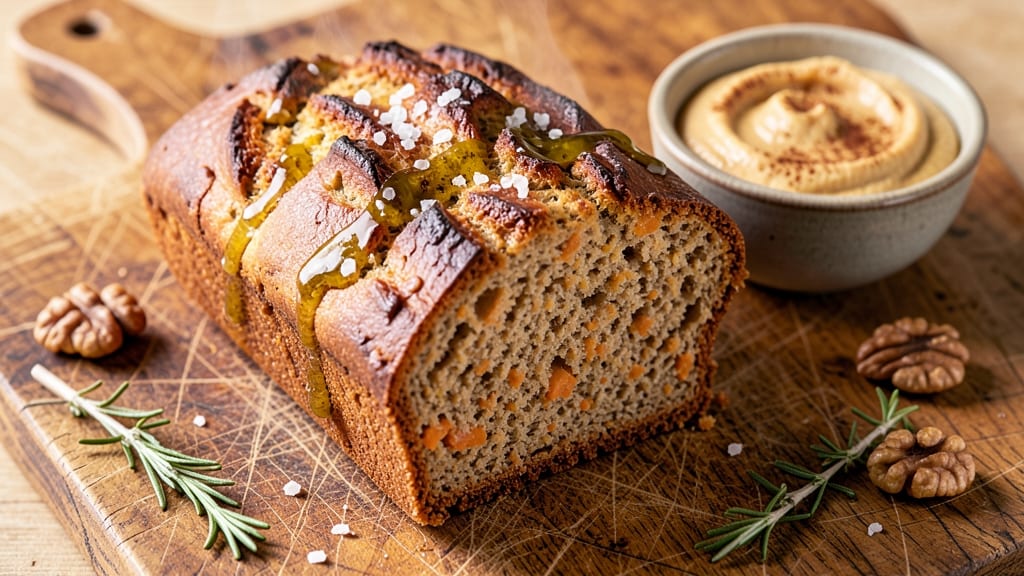
This whole wheat sweet potato bread recipe delivers the perfect balance of hearty texture and comforting sweetness—ideal for sandwiches, toast, or serving alongside soups. 💛 The secret lies in blending whole wheat flour with mashed sweet potato, creating a moist crumb and warm spice harmony that keeps slices tender for days.
With no dairy or refined sugar, it’s naturally vegetarian and packed with fiber-rich ingredients.
What sets this recipe apart is the slow fermentation process, which develops deep flavor without needing yeast. The sweet potato adds natural sweetness while keeping the bread moist, while whole wheat flour provides a satisfying chew.
Optional add-ins like honey or seeds can customize it to your taste, but even as-is, it’s a crowd-pleaser.
The result is a loaf with a golden crust and a soft, slightly sweet interior—perfect for breakfast toast or dinner rolls. Baking time is straightforward, and the dough is forgiving, making it ideal for beginners and seasoned bakers alike.
Store leftovers in the fridge for up to 5 days or freeze for longer shelf life.
Whether you’re baking for a family meal or meal prepping for the week, this recipe delivers restaurant-quality bread with minimal effort. The warm spices and natural sweetness make every slice feel like a cozy hug. Let’s get started!
Ingredients for whole wheat sweet potato bread
Eight wholesome ingredients blend for bread that’s moist, sweet, and packed with fiber-rich goodness.
| Ingredient | Amount | Notes |
|---|---|---|
| Whole Wheat Flour 🌾 | 4 cups | Unbleached preferred for better texture |
| Sweet Potato 🍠 | 1 ½ cups | Cooked and mashed, unsweetened |
| Water 💧 | 1 ½ cups | Warm for optimal dough activation |
| Olive Oil 🫒 | ¼ cup | Extra-virgin for best flavor |
| Granulated Sugar 🍚 | ¼ cup | Light brown sugar for depth |
| Active Dry Yeast 🍞 | ½ tsp | Ensure yeast is fresh |
| Salt 🧂 | 1 ½ tsp | Diamond Crystal preferred |
| Ground Cinnamon 🌿 | 1 tsp | Freshly ground for warmth |
| Ground Nutmeg 🌿 | ½ tsp | Freshly grated preferred |
| Ground Ginger 🌿 | ½ tsp | Freshly ground for zing |
| Applesauce 🍎 | ½ cup | Unsweetened for moisture |
| Honey 🍯 | ⅛ cup | Optional for added sweetness |
| Sesame Seeds 🌻 | 2 tbsp | Optional for topping |
The whole wheat flour is the foundation here. King Arthur or Bob's Red Mill are my go-tos—they’re finely milled and consistently high-quality. The sweet potato is non-negotiable for that natural sweetness and moisture, so pick one that’s firm and vibrant orange. Roast it first (400°F for 45 minutes) until tender, then mash it smooth. No need to add sugar—it’s already sweet. For the yeast, check the expiration date—old yeast won’t activate properly. If you’re in a pinch, Trader Joe’s or Whole Foods usually have fresh batches.
No applesauce? Plain Greek yogurt or mashed banana works in a bind, though applesauce keeps it neutral. Skipping honey? Maple syrup at half the amount adds depth without overpowering. The spices are where the magic happens—Penzeys or Spicewalla for pre-ground blends, but fresh grinds make a world of difference. For the olive oil, avoid the cheap stuff—it’ll taste like it in every bite. The dough will be sticky, but that’s normal. Don’t overwork it—just handle it gently to avoid developing gluten.
This bread keeps beautifully. Wrap tightly in foil or a bread bag to maintain freshness for up to 5 days at room temperature. For longer storage, freeze slices in a sealed bag—they’ll toast up like fresh. The crust stays crisp for about 2 days, but the interior stays tender. Portion into single slices before freezing for easy grab-and-toast mornings. Leftovers? Toss them in a toaster or air fryer for a quick breakfast upgrade.
Why You'll Love This Recipe
- Sweet Potato Magic: The roasted sweet potato puree adds natural sweetness and moisture—no fancy mixers or additives. I just boil, mash, and blend it right into the dough, and suddenly, your bread tastes like autumn in a loaf.
- No-Knead Bliss: Honestly, this dough comes together with just a fork and a bowl. Mix the flour, sweet potato, and water, let it rise overnight, and bake—no standing over a mixer or second-guessing your technique. My lazy Sunday mornings thank me.
- Breakfast to Brunch: Between us, this bread is ridiculously good toasted with butter or as a base for avocado toast. But here’s the kicker: it’s also perfect for French toast (yes, even with whole wheat) or as a side for breakfast burritos. One batch covers the whole week.
- Budget Baking Wins: Whole wheat flour and sweet potatoes are pantry staples that won’t break the bank. I’ve made three loaves from this recipe for under $5, and they keep for days—freeze slices for toast or sandwiches later. Zero waste, all flavor.
Step-by-step instructions for whole wheat sweet potato bread
Here's how to create a tender, spice-infused loaf with perfect moisture balance.
👨🍳 Step 1: Activate the Yeast and Prepare the Sweet Potato Base
In a small bowl, combine the 1.5 cups warm water (around 110°F—should feel warm to touch but not hot) with the 0.25 cup granulated sugar and 0.5 tsp active dry yeast. Let it sit for 5-10 minutes until frothy—this confirms your yeast is active. If it doesn't bubble, your yeast may be stale.
While waiting, cook the 1.5 cups sweet potato until tender. Pierce with a fork to test doneness, then mash until completely smooth. The texture should be silky with no lumps—this prevents dense bread. Let it cool completely before using.
👨🍳 Step 2: Mix Wet Ingredients and Combine with Dry Components
In a large mixing bowl, whisk together the mashed sweet potato, 0.25 cup olive oil, 0.5 cup applesauce, and 0.125 cup honey until fully combined. The mixture should be smooth with no visible streaks of oil. This blend creates the bread's signature moisture and sweetness.
In a separate bowl, sift together the 4 cups whole wheat flour, 1.5 tsp salt, 1 tsp ground cinnamon, 0.5 tsp ground nutmeg, and 0.5 tsp ground ginger. Gradually add this dry mixture to the wet ingredients while mixing on low speed with a dough hook attachment. Add the yeast mixture last and mix until just combined—overmixing develops gluten and can make the bread tough.
🥘 Step 3: Knead the Dough for Optimal Texture
Knead the dough on medium speed for 5-7 minutes until it becomes smooth and elastic, pulling away from the sides of the bowl. The dough should be slightly tacky but not sticky—add 1 tablespoon flour if needed. Whole wheat flour absorbs more moisture, so don't be surprised if it feels drier than white flour dough.
Transfer the dough to a lightly oiled bowl, cover with a damp towel, and let it rise in a warm place for 1-1.5 hours or until doubled in size. The dough should spring back slowly when poked—this indicates proper fermentation. If your kitchen is cold, place the bowl near a warm oven (with light on) to encourage rising.
🔥 Step 4: Shape and Proof the Loaf
Punch down the risen dough to release air, then shape it into a 9x5-inch loaf pan. Press the dough gently into the corners to ensure even baking. Brush the top with a bit of water, then sprinkle evenly with the 2 tbsp sesame seeds for texture and visual appeal.
Cover the pan with a towel and let the dough proof for another 30-45 minutes until it rises about 1 inch above the pan's rim. Preheat your oven to 375°F during this time. The bread is ready when it springs back slowly when poked—this final proofing ensures a light, airy crumb.
🔥 Step 5: Bake to Golden Perfection
Bake the bread for 45-50 minutes until the top is deep golden brown and an instant-read thermometer inserted into the center reads 190-195°F. Tap the bottom—it should sound hollow. If the top browns too quickly, tent loosely with foil to prevent over-browning while ensuring doneness.
Remove from the oven and let cool in the pan for 10 minutes before transferring to a wire rack. The internal temperature will rise another 10°F during cooling, ensuring complete doneness. Slice when completely cool for clean cuts—this bread stays moist for days when stored properly.
Pro Tips For Making Whole Wheat Sweet Potato Bread
- Bake at 350°F (not higher): I learned this the hard way—whole wheat dough dries out fast, and sweet potatoes add moisture unpredictably. Cranking the oven to 375°F will give you a crust before the center is done, leaving you with a dense, gummy loaf. Stick to 350°F and bake until the internal temp hits 190°F—yes, even if the top looks underdone.
- Roast sweet potato until fork-tender: Raw sweet potato puree tastes bland and gummy in bread. Roast cubed sweet potatoes at 400°F for 25-30 minutes until they collapse under a fork—this caramelizes the sugars and deepens the flavor. Skip the microwave; it leaves the starch unbroken and watery.
- Weigh your whole wheat flour: Scooping whole wheat flour by volume is a disaster—it packs differently than all-purpose, and your bread will turn out either too dense or too dry. Use a kitchen scale for precision: 350 grams of whole wheat flour is your baseline. (Yes, even if the recipe says "cups.")
- Add a splash of vinegar: Whole wheat bread can taste flat, and sweet potatoes lean toward neutral. Stir in 1 teaspoon of apple cider vinegar to the dough—it brightens the flavor and helps the gluten relax during mixing. I was skeptical until I tried it: the bread now has a subtle tang that balances the sweetness.
Flavor customization for this whole wheat sweet potato bread
Sweetness Variations
For a naturally sweeter loaf, replace the 0.125 cup honey with 0.25 cup maple syrup—the deeper caramel notes complement the sweet potato beautifully. If you prefer a milder sweetness, reduce the honey to 2 tbsp and add 1 tbsp molasses for a subtle smoky depth.
I’ve found that local raw honey from Trader Joe’s adds floral complexity that store-bought varieties miss. 🍯
Spice Intensities
Boost the warmth by doubling the ground cinnamon to 2 tsp and adding 0.25 tsp cardamom for an exotic twist. For a spicier kick, swap the nutmeg for ½ tsp ground cloves—just a pinch goes a long way!
If you’re sensitive to strong spices, reduce the ginger to ¼ tsp and add ½ tsp vanilla extract for a sweeter, milder profile. Freshly toasted spices (like cinnamon) release more aroma, so I always toast them in a dry pan for 1 minute before adding.
Moisture Boosters
Add ¼ cup Greek yogurt to the wet ingredients for extra tenderness—it adds protein and moisture without altering flavor. For a dairy-free version, use ¼ cup coconut milk (full-fat for best texture). If your kitchen is dry, increase the water by 2 tbsp to compensate.
I’ve also had success with ¼ cup pumpkin puree for a seasonal twist—it keeps the bread moist longer and adds subtle sweetness. 🍠
Texture Add-Ins
Stir in ½ cup chopped walnuts or pecans for crunch, or add 2 tbsp sunflower seeds for a nutty contrast. For a crustier texture, sprinkle 1 tbsp poppy seeds on top before baking.
If you love chewy bits, fold in ¼ cup dried cranberries (chopped) or 2 tbsp raisins—they’ll plump up during baking. I avoid overloading the dough, as too many add-ins can make the bread dense.
Dietary Swaps
Replace the whole wheat flour with a 1:1 gluten-free blend (like Bob’s Red Mill 1-to-1) for a GF version—just add 1 tsp xanthan gum to bind. For a lower-sugar option, omit the honey and use ¼ cup unsweetened applesauce instead.
If you’re avoiding refined sugar entirely, swap the granulated sugar for ¼ cup date paste** (blended dates). The bread will still rise well, but the flavor becomes more earthy. 🌱
Nutrition facts
Frequently asked questions
Why does my whole wheat sweet potato bread turn out dense?
Whole wheat flour absorbs more moisture than white flour, so the dough may feel drier. Overmixing or skipping the kneading step can also cause density. Try kneading for 5-7 minutes until smooth, and add 1-2 tbsp extra water if needed. Let the dough rise fully—it should double in size before baking.
Can I make this bread without a loaf pan?
Shape the dough into a round or oval and bake on a parchment-lined sheet. For a rustic look, use a cast-iron skillet or Dutch oven. Bake at 375°F for 35-40 minutes, checking for golden-brown crust. Brush with melted butter after baking for extra flavor.
How do I store leftovers to keep them fresh?
Wrap cooled slices in plastic wrap or store in an airtight container. This bread stays fresh for 3-4 days at room temperature or 5 days in the fridge. For longer storage, freeze slices in a sealed bag—they’ll toast up perfectly. Reheat in a toaster or oven at 300°F for 5 minutes to restore freshness.
What’s the best way to test if my yeast is active?
Mix 0.5 tsp yeast with 1.5 cups warm water (around 110°F) and 0.25 cup sugar. Wait 5-10 minutes—if it bubbles and smells slightly sweet, your yeast is good. No bubbles? Try fresh yeast or check your oven’s warm setting to activate it.
Can I substitute butternut squash for sweet potato?
Yes, but adjust the sweetness! Butternut squash is milder, so add 1 tbsp extra honey or maple syrup to compensate. Cook and mash it the same way, but expect a slightly different texture—squash adds a creamier consistency. For best results, use 1.5 cups cooked squash just like the sweet potato.