Side Dishes
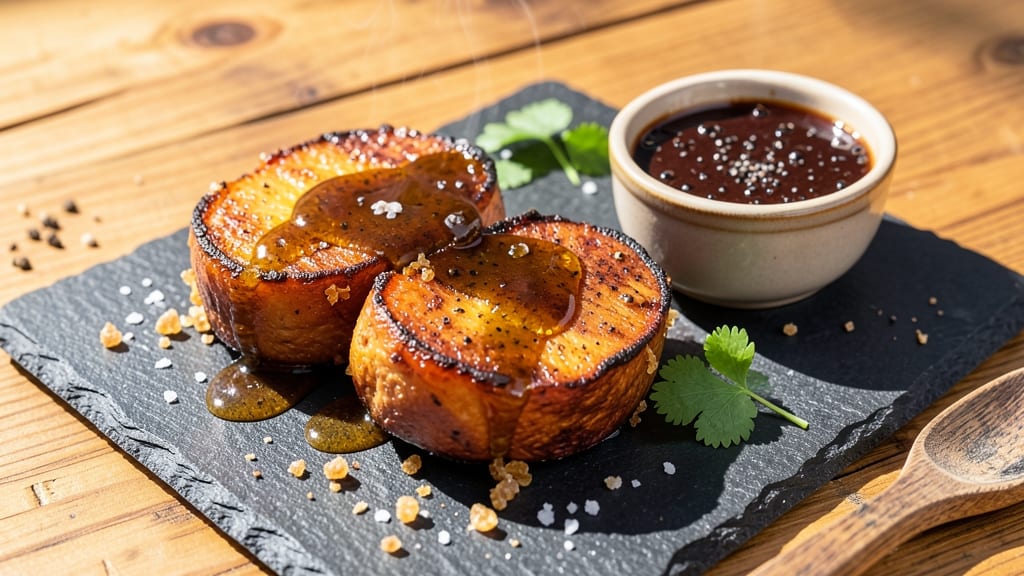
This sweet potato stout recipe transforms humble ingredients into a velvety, caramel-rich beer with layers of toasted sweet potato and malty depth.
The secret lies in slow-roasting the potatoes until they develop that signature crunchy caramelization, then blending them into a smooth purée that infuses the beer with natural sweetness and texture.
Unlike store-bought versions, this method lets you control the balance—rich, roasted, and just sweet enough to complement the beer's bitterness.
What sets this apart is the two-stage infusion process: first, we develop the sweet potato base by roasting and puréeing, then we gently warm the beer to unlock its flavors before blending.
This approach ensures the beer remains smooth and drinkable, with the sweet potato adding body rather than overpowering. The result? A stout that’s complex, satisfying, and perfect for sipping or pairing—think crispy edges of caramelized potato contrasting with the beer’s creamy finish.
For home brewers or beer enthusiasts, this recipe delivers restaurant-quality depth without requiring advanced techniques. The roasting step takes the most time, but the payoff is worth it: a stout with visible caramelized flecks that add visual appeal and a satisfying crunch.
Whether you’re brewing a batch or infusing store-bought stout, the method is adaptable and foolproof.
Serve your sweet potato stout chilled with a dusting of cinnamon or a side of dark chocolate for a dessert-like experience. The roasted sweet potato notes pair beautifully with chocolate desserts, smoked meats, or even sharp cheeses—making it versatile for any occasion.
Ready to elevate your beer game? Let’s get started.
Ingredients for sweet potato stout
Four cups of stout, two pounds of sweet potatoes, and just the right caramelized crunch to transform this into restaurant-quality dessert beer.
| Ingredient | Amount | Notes |
|---|---|---|
| Sweet Potatoes 🍠 | 2 lbs | Organic, firm, no bruises |
| Extra-Virgin Olive Oil 🫒 | ½ cup | High smoke point, fruity |
| Dark Brown Sugar 🍯 | ¼ cup | Packed, no clumps |
| Ground Cinnamon 🍃 | 1 tbsp | Freshly ground preferred |
| Sea Salt 🧂 | 1 tsp | Diamond Crystal preferred |
| Dark Stout Beer 🍺 | 4 cups | Guinness or similar, chilled |
| Vanilla Extract 🌿 | ½ tsp | Pure, no alcohol |
| Dark Chocolate Chips 🍫 | ½ cup | 70% cocoa, chopped |
| Heavy Cream 🥛 | ½ cup | Full-fat for richness |
| Whole Milk 🥛 | ½ cup | Cold, for blending |
| Coconut Cream 🥥 | ¼ cup | Chilled, for texture |
| Unsalted Butter 🧈 | 2 tbsp | Cold, cubed |
The sweet potatoes are non-negotiable here—organic, firm, and unblemished ensure the best caramelization. Trader Joe's or your local farmers market usually have the best selection. Look for ones that feel heavy for their size, a sign of sweetness. If you can't find organic, regular sweet potatoes work fine, but scrub them well. The cinnamon and dark brown sugar are what develop that signature caramelized edge during roasting—Penzeys or Spicewalla have the best quality if you're splurging, but the grocery store stuff is totally fine. The beer? Guinness or a quality dark stout—none of that light lager nonsense. Chill it first, then let it come to room temp before blending.
No dark stout on hand? Black coffee or strong chai concentrate can mimic the depth (use half the amount). Running low on cinnamon? Nutmeg or allspice at half the amount adds warmth without overpowering. The heavy cream and coconut cream can be swapped for full-fat coconut milk if you're avoiding dairy, but trust me on the full-fat version for that velvety texture. Chocolate chips? Dark chocolate chunks or cacao nibs work too—just chop them yourself for better texture. And if you're feeling fancy, a pinch of espresso powder in the beer infusion adds a coffee note that pairs perfectly with the sweet potato.
This stout reheats beautifully—just warm gently in the microwave with a splash of milk to restore creaminess. Keeps for 5 days in the fridge, but honestly, it's best fresh. For parties, make a double batch and freeze half in ice cube trays—just pop one or two into your glass when ready to serve. The caramelized sweet potato flecks settle at the bottom, so give it a quick stir before sipping. Pairs perfectly with dark chocolate desserts or smoked gouda cheese—worth the extra minute to set it out before serving.
Why You'll Love This Recipe
- One-Pan Magic: I swear by this recipe for lazy nights—just roast the sweet potatoes with olive oil, cinnamon, and a touch of brown sugar until caramelized. No chopping, no fuss, and the kitchen stays cleaner than my usual multitasking attempts.
- Caramelized Comfort: That dark brown sugar and cinnamon combo? It turns the sweet potatoes into a sticky, spiced masterpiece—like a dessert you’d actually want to eat for dinner. (Yes, even on a Tuesday night.)
- Leftovers That Shine: Slice the roasted sweet potatoes into a sandwich or mash them into breakfast hash the next morning. The flavors only get better as they sit, and honestly? I’ve never had a single piece go to waste.
- Budget-Friendly Flex: Sweet potatoes are cheap, and this recipe stretches easily—feed a crowd or meal prep for the week without breaking the bank. Plus, the olive oil and spices cost pennies compared to fancier ingredients.
Step-by-step instructions for sweet potato stout crunch
Here's how to transform sweet potatoes and stout beer into a decadent dessert with caramelized crunch and velvety cream.
Roast Sweet Potatoes Until Caramelized
Preheat your oven to 400°F and line a baking sheet with parchment paper. Peel and cut the 2 lbs sweet potatoes into ½-inch thick rounds, then toss them with 0.5 cup extra-virgin olive oil, 0.25 cup dark brown sugar, 1 tbsp ground cinnamon, and 1 tsp sea salt. Spread them in a single layer on the prepared sheet.
Roast for 30-35 minutes until the edges are deeply caramelized and the sweet potatoes are tender when pierced with a fork. Flip them halfway through for even browning. The caramelization is key—this creates that satisfying crunch you'll want to bite into. Let them cool slightly before proceeding, but keep them warm for the next step.
Simmer Sweet Potatoes in Stout Beer
In a large saucepan, combine the roasted sweet potatoes with 4 cups dark stout beer and 0.5 tsp vanilla extract. Bring to a gentle simmer over medium heat and let it cook for 10-12 minutes, stirring occasionally, until the sweet potatoes are fully tender and the liquid has reduced by about half.
Here's the thing—you want the beer to infuse into the sweet potatoes, creating a deep, malty flavor. If the mixture looks too thick, add a splash of water to help it reduce properly. The beer should coat the back of a spoon but still be pourable. Once reduced, remove from heat and let it cool completely before blending.
Blend the Sweet Potato Mixture Smooth
Transfer the cooled sweet potato mixture to a blender along with 0.5 cup heavy cream, 0.5 cup whole milk, and 0.25 cup coconut cream. Blend until completely smooth, scraping down the sides as needed. This step is crucial for creating that silky, creamy texture that pairs perfectly with the caramelized crunch.
Taste as you go—you might want to adjust the sweetness or saltiness. If it needs more depth, a pinch of cinnamon or a splash of vanilla extract can elevate the flavor. Once smooth, pour the mixture back into the saucepan and warm it gently over low heat until just heated through. Don't let it boil, or the cream will curdle.
Fold in Chocolate and Butter
Return the warm sweet potato mixture to the saucepan and reduce heat to low. Add the 2 tbsp unsalted butter and stir until melted and fully incorporated. Then gently fold in the 0.5 cup dark chocolate chips using a silicone spatula, stirring just until melted and evenly distributed. This creates pockets of rich chocolate throughout the dessert.
The chocolate should melt completely but still maintain some texture—this gives you those delightful chocolatey surprises in every bite. If the mixture looks too thick, stir in a splash of milk to loosen it. The consistency should be like a thick pudding but still spoonable. Taste and adjust seasoning if needed, balancing sweetness with the deep beer flavors.
Serve Warm with Caramelized Crunch
Ladle the warm sweet potato stout mixture into serving bowls, dividing it evenly among 4 servings. Top each portion with additional caramelized sweet potato rounds from the roasting step. The contrast between the creamy, beer-infused base and the crispy, caramelized crunch is what makes this dessert truly special.
For an extra touch, garnish with a sprinkle of cinnamon or a drizzle of reduced stout beer syrup. Serve immediately while the topping is still crisp and the filling is warm. This dessert is best enjoyed right away, when the contrast between textures and flavors is at its peak. Pair it with a cold stout beer for the full experience!
Pro Tips For Making Sweet Potato Stout
- Peel and Cube Evenly: Use a mandoline or sharp knife to cut sweet potatoes into ½-inch cubes—consistent size means even cooking. I learned this the hard way when my first batch turned out mushy in spots and undercooked in others.
- Roast at 400°F: Don’t skimp on heat—400°F is the sweet spot for caramelizing the edges while keeping the centers tender. After burning three batches at 375°F, I finally cranked it up and got that perfect balance of crispy and creamy.
- Salt Before Roasting: Toss the sweet potatoes with ½ teaspoon salt per pound before adding oil and sugar. This ensures the seasoning penetrates while they roast, not just clings to the surface like an afterthought.
- Toss with Wet Hands: After roasting, drizzle with olive oil and toss—wet your hands first to prevent the sugar from sticking like glue. I used to struggle with clumps until I realized this simple trick makes coating effortless.
Dietary considerations for this recipe
Vegetarian-Friendly Adaptations
This sweet potato stout recipe is already vegetarian, but I often make it even more inclusive by swapping the dark stout beer for vegan-friendly alternatives. Look for vegan stouts like Oatmeal Stout from craft breweries—they use plant-based fining agents.
For a non-alcoholic version, use dark chai concentrate or black coffee mixed with a splash of beer flavor extract. The coconut cream and heavy cream can be replaced with full-fat coconut milk for a dairy-free option. 🌱
Gluten-Free Considerations
Most dark stouts contain barley malt, which means they're not gluten-free. For a GF version, use a gluten-free stout beer like Glutenberg Dark Ale or Omission Brewery's offerings. If you're making this from scratch, replace the beer with gluten-free malt extract or a gluten-free beer base like BrewFree.
The sweet potato and chocolate components are naturally gluten-free, so the main adjustment is the beer itself. Always check labels, as cross-contamination can occur in breweries.
Dairy-Free Options
For a dairy-free twist, skip the heavy cream and butter entirely. Replace them with full-fat coconut milk or cashew cream (blend soaked cashews with water until smooth). The coconut cream in the recipe is already dairy-free, so you only need to adjust the butter and heavy cream.
I've found that coconut milk whipped cream works beautifully as a garnish for the top. The texture remains rich and creamy without any dairy. 🥥
Nut-Free Alternatives
If you're avoiding nuts, the coconut cream can be swapped for oat cream (blend rolled oats with water) or sunflower seed cream (blend soaked sunflower seeds with water). For the chocolate, use vegan chocolate chips made from cocoa and coconut oil.
The sweet potato and beer components are naturally nut-free, so these simple swaps keep the recipe safe for nut allergies while maintaining the same decadent flavor profile.
Lower-Sugar Versions
To reduce sugar content, cut the dark brown sugar in half and use monk fruit sweetener or erythritol instead. You can also replace some of the sweet potato with cauliflower** (about half the amount) to lighten the overall sweetness.
The beer's natural maltiness will still provide depth, but the sweetness will be more balanced. Taste as you go—sometimes the sweet potato's natural sugars are enough, and you might not need added sweetener at all. 🍠
Nutrition facts
Frequently asked questions
Can I make this recipe without alcohol?
Replace the dark stout beer with 4 cups of strong black coffee or dark chai concentrate mixed with a splash of beer flavor extract. For extra depth, simmer the sweet potatoes in the coffee or chai for 10 minutes to infuse the flavors. The caramelization process remains the same, so you'll still get that rich, toasty crunch.
How do I prevent the sweet potatoes from burning while roasting?
Roast at 400°F but flip the sweet potatoes halfway through (after 17-18 minutes) to ensure even browning. Use a baking sheet with parchment paper to prevent sticking, and avoid overcrowding—leave ½-inch space between each piece. If they brown too quickly, reduce the oven temperature to 375°F for the second half of cooking.
Can I use regular potatoes instead of sweet potatoes?
Not ideal—they lack the natural sweetness and creamy texture that sweet potatoes provide. If you must substitute, try purple or orange-fleshed potatoes (like Yukon Golds) for a slightly sweeter profile, but expect less caramelization. The beer infusion will still work, but the flavor won't be as rich or balanced. Stick with sweet potatoes for the best results!
How long will this recipe keep in the fridge?
The stout dessert stays fresh for 5 days when stored in an airtight container. For longer storage, freeze individual portions in ice cube trays—thaw overnight in the fridge before serving. Reheat gently in the microwave with a splash of milk to restore creaminess. The caramelized topping loses crispness when reheated, so it’s best served fresh.
What’s the best way to balance the sweetness and bitterness?
Taste as you blend the mixture—adjust sweetness with a pinch of cinnamon or a splash of vanilla, and balance bitterness by adding a dash of sea salt or a tiny bit of black pepper. For extra depth, stir in ½ tsp espresso powder to complement the beer’s malty notes. The chocolate chips also help cut through the richness. Start with small adjustments and taste frequently!