
Side Dishes
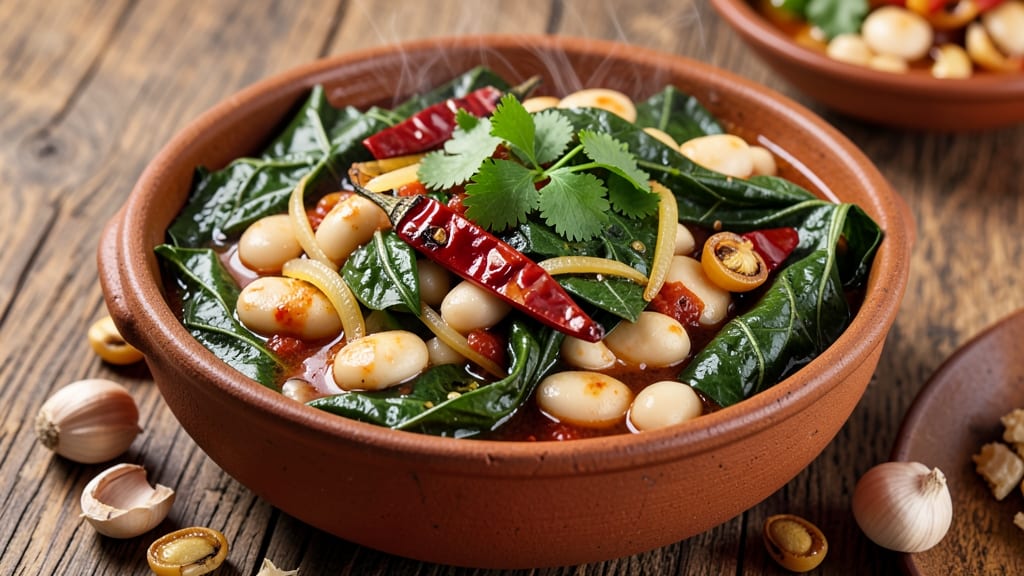
This African sweet potato leaves recipe transforms humble greens into a flavor-packed side dish that carries the soul of West African cuisine. The nutty aroma of locust beans and the earthy sweetness of the leaves create a perfect harmony that pairs beautifully with rice, stews, or fufu.
I've perfected this method over years of cooking traditional meals, ensuring every bite delivers that authentic, comforting taste.
The secret lies in the slow cooking process, which allows the greens to wilt perfectly while absorbing the rich flavors of onions, garlic, and peppers. Unlike many quick sides, this dish requires patience—30 minutes of gentle simmering transforms tough leaves into tender, flavorful bites.
The result is a dish that's both nutritious and deeply satisfying, with a texture that's tender yet slightly crisp.
What makes this recipe truly special is its versatility—it's vegetarian by default but packed with umami from the locust beans, making it a staple in many African households.
The dish is simple yet sophisticated, perfect for weeknight dinners or special occasions when you want to bring a taste of Africa to your table. The aroma alone will have everyone asking for seconds.
Serve this earthy, spice-infused side with your favorite African stew or as a standalone dish with a side of rice. The flavors deepen as it sits, so making it ahead is ideal. Let's bring this traditional recipe to life in your kitchen.
Ingredients for sweet potato leaves african
These earthy greens and nutty locust beans create a West African-inspired side dish that's simple yet deeply flavorful.
| Ingredient | Amount | Notes |
|---|---|---|
| Sweet Potato Leaves 🌿 | 12 oz | Fresh, stems removed |
| Locust Beans (Irwo) 🌱 | ½ cup | Dried, soaked overnight |
| Yellow Onions 🧅 | 1 whole | Diced, medium size |
| Garlic Cloves 🧄 | 4 cloves | Minced, fresh preferred |
| Scotch Bonnet Peppers 🌶️ | 1 whole | Seeds removed, chopped |
| Tomato Paste 🍅 | 2 tbsp | San Marzano preferred |
| Vegetable Oil 🫒 | 2 tbsp | For sautéing |
| Ground Black Pepper 🌶️ | ½ tsp | Freshly ground |
| Salt 🧂 | 1 tsp | Diamond Crystal preferred |
| Smoked Paprika 🌶️ | ½ tsp | For depth of flavor |
| Dried Thyme 🌿 | ¼ tsp | Or 1 tbsp fresh |
| Bay Leaves 🍃 | 1 whole | For aromatic depth |
| Water 💧 | 2 cups | For simmering |
Locust beans are the heart of this dish—dried and soaked overnight for that rich, nutty flavor. You can find them at African markets or online specialty stores like African Grocer. If you can't get them, substitute 1/4 cup peanut butter for a similar depth, though it won't be identical. For the sweet potato leaves, any green leafy vegetable like collards or kale works in a pinch, but the authentic taste comes from the sweet potato variety. Look for fresh, vibrant leaves—avoid any that look wilted or yellowed.
No locust beans? Peanut butter or even walnuts can add some nutty richness, though nothing matches the authentic flavor. Fresh garlic and onions are ideal, but powdered versions work at half the amount if you're in a hurry. The Scotch bonnet pepper is key for that signature heat—jalapeños or habaneros can substitute, but adjust the amount based on your heat preference. For the tomato paste, San Marzano is the gold standard, but any quality paste will do. If you're short on time, a handful of cherry tomatoes blended works too.
This dish tastes even better the next day as the flavors meld. Store leftovers in an airtight container in the fridge for up to 3 days. The locust beans can be pre-soaked and stored in the fridge for 2 days before cooking. For a quick weeknight meal, chop all your veggies and store them in a container—just add the locust beans and water when you're ready to cook. The aroma alone will have everyone at the table asking what's for dinner.
Why You'll Love This Recipe
- No-Chop Nightmare: I swear by this recipe when I’m too tired to chop—just tear those sweet potato leaves (no knife skills needed) and toss them in. The locust beans soften fast, and the onions caramelize while you stir, so you’re basically done before the scotch bonnet adds its heat.
- Umami Bomb: That combo of locust beans and garlic? It’s like a flavor explosion in your mouth. The leaves get tender but still hold their bite, while the scotch bonnet brings a slow-building heat that lingers—perfect for when you want something that stays with you.
- Leftover Goldmine: This dish tastes better the next day, honestly. The flavors meld into something richer, and it reheats like a dream. I’ll make a big batch on Sundays and eat it all week—no sad leftovers here, just happy meals.
- Pocketbook Hero: Sweet potato leaves and locust beans are dirt cheap, but they pack a punch. A single bunch of leaves and a bag of irwo stretch for days, and you’re getting protein and greens without breaking the bank. My wallet and my family thank me every time.
Step-by-step instructions for sweet potato leaves African recipe
Transform simple ingredients into a flavorful West African classic with these straightforward directions.
Prepare the Locust Beans
Start by draining and rinsing the soaked locust beans (irwo) thoroughly. Place them in a small pot and cover with fresh water. Bring to a boil over high heat, then immediately reduce to medium-low heat and simmer for 45-60 minutes until tender. You'll know they're ready when they're soft enough to crush between your fingers with minimal resistance.
While they cook, add the whole bay leaf to the pot to infuse subtle aromatic depth. Drain the beans, reserving ½ cup of the cooking liquid, and set aside. The beans should be fully cooked but still hold their shape—overcooking will make them mushy and ruin the dish's texture.
Sauté the Aromatics
Heat the 2 tablespoons vegetable oil in a large pot over medium heat. Add the diced yellow onions and cook for 3-4 minutes until they soften and become translucent. You'll see them go from opaque to slightly caramelized around the edges.
Add the minced garlic cloves and chopped Scotch bonnet peppers (remove seeds if you prefer less heat). Cook for another 2 minutes until the garlic turns golden and the peppers release their vibrant aroma. Be careful not to burn the garlic—it should smell sweet and fragrant, not bitter. Stir frequently to distribute the heat evenly.
Build the Flavor Base
Stir in the 2 tablespoons tomato paste and cook for 1-2 minutes until it darkens slightly and blends completely with the onions and peppers. This step develops the rich, savory foundation of the dish.
Add the cooked locust beans, 0.5 teaspoon smoked paprika, 0.25 teaspoon dried thyme, 0.5 teaspoon ground black pepper, and 1 teaspoon salt. Stir well to combine all ingredients thoroughly. The beans will absorb the flavors and become infused with the aromatic spices.
Simmer with Sweet Potato Leaves
Pour in the 2 cups water and bring the mixture to a gentle boil. Add the 12 ounces sweet potato leaves, stirring to ensure they're fully submerged in the liquid. Reduce heat to low-medium and let it simmer uncovered for 20-25 minutes.
During this time, the leaves will wilt and soften, releasing their earthy flavors into the broth. Stir occasionally to prevent sticking and ensure even cooking. You'll notice the liquid reduce slightly and the leaves take on a vibrant green hue—this is when you know they're nearly done.
Finish and Serve
Remove the pot from heat and let it sit for 5 minutes to allow the flavors to meld. Taste and adjust seasoning if needed—you might want to add a pinch more salt or a dash of pepper to suit your preference.
Serve immediately while hot, accompanied by a side of rice or your favorite bread. The locust beans will have a satisfying nutty texture, while the sweet potato leaves provide a tender, slightly bitter contrast that balances the dish perfectly. This hearty, flavorful recipe makes for an excellent main course or side dish that's sure to impress.
Pro Tips For Making Sweet Potato Leaves African
- SOAK LOCUST BEANS FIRST: I learned this the hard way—skipping the soak makes irwo taste bitter and chewy. Toss them in warm water for at least 2 hours (overnight if possible), then rinse before cooking. The longer they soak, the creamier the final texture.
- STEAM THE LEAVES FIRST: After washing sweet potato leaves, blanch them in boiling water for 3-4 minutes until just wilted. This removes dirt and softens the fibers before frying or stewing—no more crunchy bits in your dish.
- LOW-HEAT FRY IRWO: Locust beans burn faster than you think. Cook them on medium-low heat with enough oil to coat, stirring constantly for 8-10 minutes until golden. High heat turns them rubbery—trust the process.
- SALT THE LEAVES LAST: If you salt the leaves early, they’ll turn slimy. Add salt only after they’ve cooked for 10 minutes, then let the stew simmer another 5. The flavor balances better this way—no one likes mushy greens.
Serving suggestions for leftovers
Rice Pairings
This dish pairs beautifully with jasmine rice or basmati rice, both of which absorb the rich flavors of the locust beans and sweet potato leaves. Cook 1 cup rice with 1.5 cups water and a pinch of salt—it should be tender but still slightly firm.
The mild, floral notes of jasmine rice complement the earthy sweetness of the greens perfectly. 🌾
For a heartier option, try West African jollof rice, which mirrors the dish's bold spices. The tomato-based sauce and peppers in jollof rice create a satisfying contrast to the nutty locust beans. I like to prepare the rice separately and serve it alongside the greens for a complete meal.
Bread Sides
A warm, crusty African doughnut bread (like kenkey or puff-puff) adds a delightful texture contrast. The slightly sweet, pillowy bread soaks up the flavorful broth while providing a soft bite. For a lighter option, whole wheat pita or naan works well too. 🥖
If you're serving this as a main course, consider injera, the spongy Ethiopian flatbread made from teff flour. Its tangy flavor and unique texture make it a perfect match for the dish's earthy profile. Injera also helps to scoop up every last bite of the flavorful greens.
Protein Additions
While this dish is vegetarian by default, you can easily add protein for a more substantial meal. Grilled chicken or smoked fish (like mackerel) are popular choices in West African cuisine. The smoky flavors of grilled chicken pair wonderfully with the nutty locust beans and spicy peppers. 🍗
For a vegetarian protein boost, stir in crumbled tofu or lentils during the final 5 minutes of cooking. The tofu absorbs the flavors beautifully, while lentils add a hearty, earthy texture that complements the sweet potato leaves. Both options work well without overpowering the dish.
Garnishes & Finishing Touches
A sprinkle of toasted sesame seeds or crushed peanuts adds a delightful crunch and nutty depth. Toast 1 tablespoon sesame seeds in a dry pan over medium heat for 1-2 minutes until golden, then sprinkle over the finished dish. 🌰
For a fresh finish, top with chopped cilantro or scallions. The bright, herbaceous notes cut through the richness of the locust beans and peppers, adding a refreshing contrast. A drizzle of red palm oil (if available) enhances the dish's traditional African flavors and gives it a vibrant color.
Nutrition facts
Frequently asked questions
What can I substitute if I can't find sweet potato leaves?
You can use collard greens, kale, or spinach as substitutes, though the flavor won't be identical. For a closer match, try African spinach (Amaranthus) or jute leaves, which are commonly used in West African cooking. If using spinach, add it only at the end to prevent over-wilting.
How do I properly soak and prepare locust beans?
Soak the locust beans in water for at least 8 hours (overnight is best) to soften them. Drain and rinse before cooking. Simmer them in fresh water for 45-60 minutes until tender—overcooking makes them mushy. Reserve some cooking liquid to maintain the dish's moisture during simmering.
Can I make this dish ahead of time?
Yes! This dish tastes even better the next day as flavors meld. Store leftovers in an airtight container in the fridge for up to 3 days. Reheat gently on the stove with a splash of water to restore moisture. The locust beans will soften further, enhancing the dish's richness.
What's the best way to adjust the heat level?
Remove the seeds from the Scotch bonnet pepper for milder heat, or keep them for a spicier kick. For extra heat, add 1/4 teaspoon cayenne pepper when simmering. If the dish is too spicy, balance it with a pinch more salt or a spoonful of tomato paste to mellow the flavors.
Are sweet potato leaves safe to eat raw?
No, they should always be cooked to break down their natural toxins and improve digestibility. Raw consumption may cause stomach upset. The 30-minute simmering process in this recipe ensures they're perfectly safe and tender.