
Side Dishes
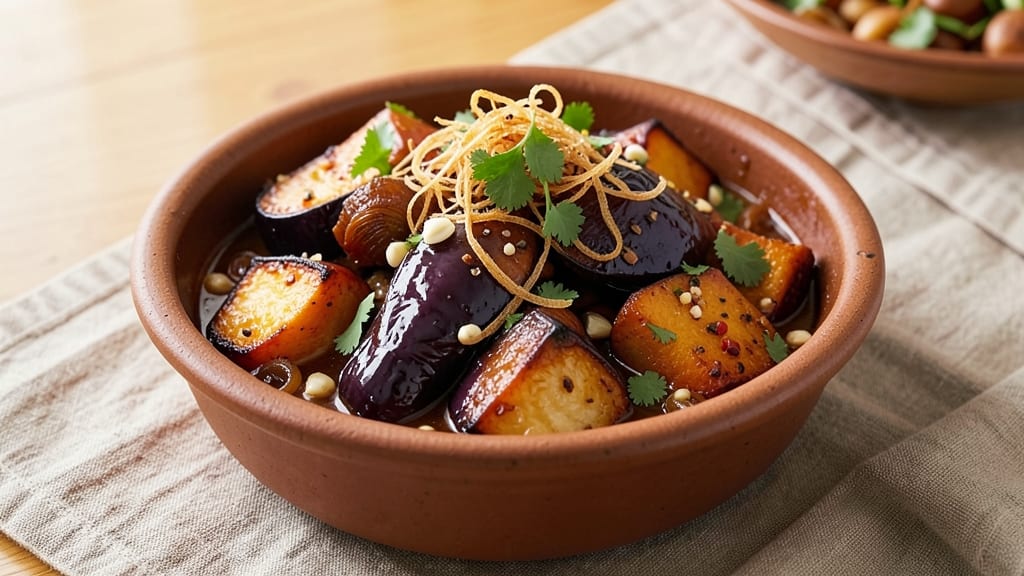
This Sweet Potato Kong Kare-Kare delivers the rich, nutty depth of Filipino comfort food with tender sweet potatoes and oxtail in a fragrant peanut sauce.
The secret lies in slow-cooking the meat until fork-tender while building layers of flavor with shrimp paste, annatto seeds, and toasted peanuts—each element essential for that authentic, creamy-saucy texture.
What makes this dish special is how the sweet potatoes absorb the sauce while maintaining their natural sweetness, creating a perfect balance of savory and sweet.
The recipe begins with browning the oxtail and vegetables to develop deep, caramelized flavors before simmering everything in a coconut milk base. Toasted peanuts and garlic infuse the sauce with nutty richness, while annatto seeds lend that signature golden hue.
The key to success? Patience—allowing the meat to break down slowly ensures melt-in-your-mouth tenderness, while the sweet potatoes soak up the creamy, peanutty goodness without turning mushy.
By the time you serve this dish, you’ll have a steaming pot of creamy, aromatic Kong Kare-Kare with perfectly tender oxtail, sweet potatoes, and eggplant bathed in a velvety peanut sauce.
The dish is traditionally served with steamed rice and crispy garlic rice cakes (kikiam), but it’s equally satisfying on its own. The combination of textures—soft meat, tender vegetables, and the nutty crunch of toasted peanuts—makes every bite unforgettable.
This recipe stays true to Filipino tradition while being approachable for home cooks. Whether you're preparing for a family gathering or simply craving a taste of the Philippines, this dish delivers restaurant-quality results with a few simple techniques. Let’s get cooking!
Ingredients for sweet potato kong
Sixteen ingredients for a dish that tastes like Filipino home cooking—creamy, nutty, and full of smoky-sweet balance.
| Ingredient | Amount | Notes |
|---|---|---|
| Oxtail 🥩 | 2 lb | Cut into 1.5-inch pieces, trimmed |
| Sweet Potatoes 🍠 | 3 medium | Peeled, cut into 2-inch chunks |
| Eggplant 🍆 | 1 medium | Cut into 1.5-inch cubes |
| Onions 🧅 | 2 whole | Yellow or red, sliced into half-moons |
| Garlic Cloves 🧄 | 8 cloves | Minced, not pressed |
| Shrimp Paste 🦐 | 2 tbsp | Filipino <em>bagoong</em>, not fish sauce |
| Annatto Seeds 🌶️ | 1 tbsp | Toasted for deeper color |
| Peanuts 🥜 | 1 cup | Unsalted, dry-roasted |
| Coconut Milk 🥥 | 1 can (13.5 oz) | Full-fat, not light |
| Smoked Paprika 🌶️ | 1 tbsp | For smoky depth |
| Ground Black Pepper 🌶️ | 1 tsp | Freshly cracked |
| Salt 🧂 | 1 ½ tsp | Diamond Crystal preferred |
| Olive Oil 🫒 | ½ cup | For browning meat |
| Maple Syrup 🍁 | 2 tbsp | Pure grade B for depth |
| Green Onions 🧅 | 3 whole | Sliced, for garnish |
The oxtail is non-negotiable for authentic texture—look for bone-in pieces at Filipino markets or the butcher counter. If you can't find oxtail, beef short ribs work in a pinch, but they won't be as tender. Sweet potatoes should be firm with no soft spots; Beauregard or Jewel varieties hold up best. The shrimp paste is the flavor bomb here—Filipino bagoong (not fish sauce!) adds that umami punch. Toast the annatto seeds in a dry pan for 30 seconds first—they release their color better that way.
No shrimp paste? Miso paste plus a dash of fish sauce mimics the funk, but you'll lose that signature Filipino tang. Running short on peanuts? Cashews or almonds toasted to the same crunch work, though peanuts are traditional. The coconut milk must be full-fat—light versions make the sauce separate. For extra smokiness, swap half the paprika for liquid smoke (½ tsp)**>. And if you're feeling fancy, add ½ cup grated coconut to the sauce for texture.
This dish tastes even better the next day—plan ahead. Store in an airtight container for 4-5 days in the fridge, or freeze for 3 months. The sauce thickens as it cools, so add a splash of coconut milk when reheating. Garnish with extra peanuts and green onions right before serving—they add that restaurant-quality crunch. Leftovers reheat beautifully in a pot with a splash of water or coconut milk.
Why You'll Love This Recipe
- One-Pot Magic: I swear by this recipe when I’m too tired to wash a million dishes—just toss everything in one pot, let it simmer, and walk away. The oxtail melts into the sweet potatoes, turning them rich and tender without any extra effort.
- Rich Umami Bomb: That oxtail? It’s the star—deep, savory, and slightly sweet, especially when it caramelizes with the onions and garlic. Add the eggplant at the end, and it soaks up all that flavor like a sponge, giving you that perfect bite.
- Leftovers That Beg for More: Between us, this dish actually tastes better the next day. The flavors meld into something even more cohesive, and I’ve reheated it for lunch three times without getting sick of it—proof it’s a keeper.
- Budget-Friendly Feast: Oxtail might sound fancy, but it’s way cheaper than most cuts, and sweet potatoes stretch across multiple meals. I feed my whole family for under $15, and no one complains—honestly, they usually ask for seconds before I even finish serving.
Step-by-step instructions for sweet potato Kong
Here's how to build this rich, layered dish with smoky-sweet depth and creamy texture.
Brown the Oxtail and Vegetables for Maximum Flavor
Heat the 0.5 cup olive oil in a large Dutch oven over medium-high heat until shimmering. Add the 2 lb oxtail cut into 1.5-inch pieces in a single layer, working in batches if needed. Let them sear undisturbed for 3-4 minutes until deeply browned on all sides. This step develops the rich, caramelized base for your dish.
Once the oxtail is browned, remove it and set aside. In the same pot, add the 2 whole onions sliced into half-moons and 1 medium eggplant cut into 1.5-inch cubes. Cook for 8-10 minutes until the onions soften and the eggplant begins to brown. Add the 3 medium sweet potatoes cut into 2-inch chunks and cook for another 5 minutes to develop their natural sweetness.
Build the Smoky-Sweet Base with Aromatics
Reduce heat to medium and add the 8 cloves minced garlic, 2 tbsp shrimp paste, 1 tbsp toasted annatto seeds, 1 tbsp smoked paprika, and 1 tsp ground black pepper. Stir vigorously for 1 minute until fragrant—this releases the deep, umami flavors that define Kong. The shrimp paste will darken the mixture, and you'll smell that distinctive savory aroma.
Deglaze the pot with 1 cup coconut milk, scraping up all those flavorful browned bits from the bottom. Add 1.5 tsp salt and bring to a gentle simmer. Return the browned oxtail to the pot, along with any accumulated juices. Cover and let it simmer for 1 hour until the oxtail becomes tender and starts to pull away from the bone.
Create the Creamy Coconut Base
After the initial simmer, uncover the pot and increase heat to medium-high. Stir in the remaining 1 can (13.5 oz) coconut milk and 2 tbsp maple syrup. Let it simmer uncovered for 15-20 minutes until the sauce thickens to a creamy consistency. You're looking for a velvety texture that coats the back of a spoon—this is where the dish transforms from savory to luxurious.
Taste and adjust seasoning—you might need a touch more salt to balance the sweetness. Here's the thing: the maple syrup should enhance, not overpower. If it tastes too sweet, add a splash of water to dilute slightly. The sauce should be rich, slightly sweet, and deeply aromatic from the annatto and smoked paprika.
Finish with Crunch and Garnish
In a dry skillet over medium heat, toast the 1 cup peanuts for 3-4 minutes until golden and fragrant. Watch them closely—they burn quickly. Remove from heat and set aside. Return to the Dutch oven with the Kong sauce and stir in the toasted peanuts. They'll add a delightful textural contrast to the creamy base.
Divide the Kong among serving bowls and garnish with sliced 3 whole green onions. The peanuts will float on top, adding that satisfying crunch with every bite. Serve immediately while the sauce is still warm and creamy—this dish tastes best straight from the pot when the textures are at their peak.
Pro Tips For Making Sweet Potato Kong
- BLANCH OXTAL FIRST: I learned this the hard way—skipping the 10-minute blanch in salted water before browning turns your oxtail into a sad, gray sponge. The collagen needs that initial shock to tighten the meat and render fat properly. Use boiling water, not simmering, and keep the pot moving so the tails cook evenly.
- PEEL SWEET POTATOES AFTER COOKING: Sounds weird, but it works: slice them raw, then boil or steam until fork-tender before peeling. The skins stay on during cooking, locking in moisture and giving a better texture. Once cooked, the peel slides off like magic—no struggling with a vegetable peeler. (Your future self will thank you.)
- DON’T CROWD THE EGPLANT: After burning three batches of eggplant in oil, I finally figured out: cut them into ½-inch slices and fry in batches, not a pile. A single layer in hot oil (350°F) ensures crisp edges without greasy mess. Overcrowding steams the eggplant instead of browning it—no one wants mushy eggplant in their kong.
- SAUTÉ ONIONS LOW AND SLOW: My grandmother swore by this, and she was right: cook the onions for 20-25 minutes on low heat until deep golden, not caramelized. High heat burns them into bitter bits. The slow process builds sweetness that balances the rich oxtail—skip this, and your dish tastes flat. (Yes, even if you’re impatient like me.)
Best sauces and condiments for this recipe
Peanut Sauce Perfection
The heart of Kong Kare-Kare lies in its creamy peanut sauce, where toasted peanuts create that signature nutty richness. For extra depth, I blend ½ cup roasted peanuts with 1 cup coconut milk, 1 tbsp shrimp paste, and 1 tsp smoked paprika until silky smooth.
For a smoother texture, strain through a fine-mesh sieve—this removes any gritty bits while keeping all the flavor. 🥜
Don’t skip the toasting step—this enhances the peanut flavor dramatically. Spread 1 cup unsalted peanuts on a baking sheet and toast at 350°F for 8-10 minutes until fragrant.
Let them cool before grinding into a powder for the sauce. For a spicier kick, add ½ tsp cayenne pepper to the sauce mixture.
Sweet-Tangy Glaze
This maple-smoked glaze elevates the dish by balancing the peanut sauce’s richness. Combine 2 tbsp pure maple syrup with 1 tbsp soy sauce and ½ tsp liquid smoke in a small saucepan.
Simmer for 3-4 minutes until slightly thickened, then drizzle over the finished Kong. The glaze adds a caramelized sheen and a subtle smokiness that pairs perfectly with the sweet potatoes. 🍁
For a lighter option, replace half the maple syrup with agave nectar—it’s less viscous and won’t overpower the dish. If you prefer a sweeter profile, add 1 tsp honey to the glaze mixture. Always taste as you go; the sauce should complement, not dominate, the peanut base.
Umami Boosts
Shrimp paste (bagoong) is non-negotiable for that authentic Filipino umami punch. If you can’t find it, mix 1 tbsp miso paste with ½ tsp fish sauce as a substitute—though nothing beats the real deal.
For extra depth, add 1 tbsp oyster sauce to the simmering pot during the final 10 minutes of cooking. This adds a briny, savory layer that ties all the flavors together. 🦐
Another pro trick? Stir in 1 tsp fish sauce during the last 5 minutes of simmering. It enhances the sauce’s complexity without overpowering the peanut flavor. For a vegetarian twist, swap shrimp paste for 1 tbsp soy sauce plus ½ tsp mushroom powder—it mimics the umami without seafood.
Garnish Game-Changers
Fresh green onions are a must for that bright, crisp finish. Slice 3 whole green onions thinly and scatter them over the top just before serving—they add a refreshing contrast to the rich peanut sauce.
For extra crunch, top with toasted coconut flakes—sprinkle ¼ cup over each serving in the last minute of cooking. 🌿
Don’t underestimate the power of crushed peanuts! Pulse ¼ cup toasted peanuts in a food processor until coarsely crushed, then sprinkle over the dish. This adds texture and visual appeal, making every bite feel like a restaurant-quality experience.
For a spicy-sweet garnish, mix 1 tsp chili powder with 1 tsp sugar and dust lightly over the top.
Nutrition facts
Frequently asked questions
Can I substitute oxtail with another meat?
Yes! For a similar texture, use beef short ribs (cut into 1.5-inch pieces) or pork shoulder. If you prefer chicken, opt for bone-in chicken thighs—they stay juicier than breasts. The cooking time may vary slightly, so check for tenderness after 45-50 minutes instead of 1 hour.
Why are my sweet potatoes mushy?
Mushy sweet potatoes usually mean they cooked too long in the liquid. To fix this, add them only after browning the onions and eggplant (Step 1), and reduce simmering time to 5-7 minutes instead of 10. For extra firmness, parboil them for 3 minutes first, then add to the pot. The sauce should thicken around them, not soak them completely.
How do I make this dish vegetarian?
Replace the oxtail with extra-firm tofu (pressed and cubed) or mushrooms (shiitake or portobello). Skip the shrimp paste and use 1 tbsp soy sauce + ½ tsp mushroom powder for umami. Add 1 cup chickpeas for protein. The peanut sauce remains the same, but reduce coconut milk to 1 can (13.5 oz) to balance the dish.
Can I make this in an Instant Pot?
Sear the oxtail, onions, and eggplant as directed, then add all ingredients except peanuts. Cook on high pressure for 30 minutes, then quick-release. Finish with the peanut sauce and toast peanuts separately. The sauce may need 5-10 extra minutes on the stovetop to thicken. For sweet potatoes, add them 5 minutes before the end to avoid mushiness.
What’s the best way to reheat leftovers?
Gently reheat in a pot with 2 tbsp coconut milk or water over low heat for 5-7 minutes, stirring occasionally. Avoid microwaving—it makes the sauce watery. For extra creaminess, stir in 1 tsp peanut butter while reheating. Leftovers taste even better the next day!