
Side Dishes
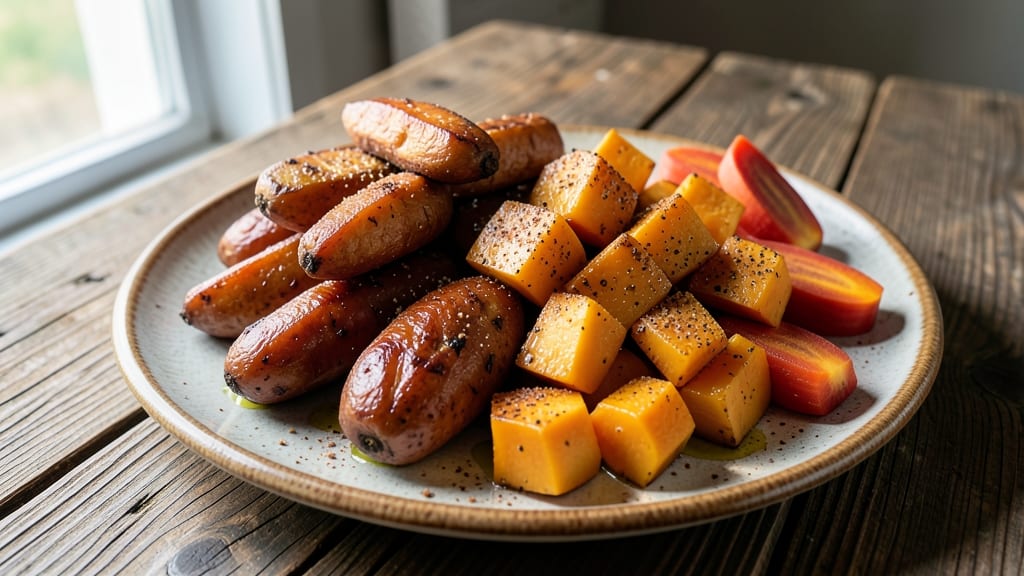
This sweet potato butternut squash carrot recipe transforms humble root vegetables into a caramelized, flavor-packed side dish that steals every meal. The key lies in roasting them together—sweet potatoes develop a tender, slightly crispy exterior while butternut squash turns creamy and caramelized, with carrots adding natural sweetness and texture.
I developed this after realizing how often I reached for store-bought sides that lacked depth, and this version delivers restaurant-quality results with minimal effort.
The beauty of this recipe is its versatility—serve it alongside grilled chicken, roasted meats, or even as a standalone vegan main when paired with a protein like chickpeas or tofu.
A simple blend of olive oil, smoked paprika, and garlic powder ensures every bite is packed with flavor without overpowering the natural sweetness of the vegetables.
The one-pan method means less cleanup, and the dish comes together in under 45 minutes, making it perfect for weeknight dinners or meal prep.
What makes this roasted trio special is how the flavors meld together—sweet potatoes bring earthy warmth, butternut squash adds a velvety richness, and carrots contribute a subtle crunch that keeps each bite interesting.
The caramelization from roasting at high heat creates a deep, caramelized sweetness that’s impossible to resist. This dish is hearty enough to stand on its own but elegant enough to elevate any meal.
Once you try this recipe, you’ll never settle for bland sides again. The combination of textures and flavors makes it a crowd-pleaser, whether you’re serving it at a holiday table or a casual family dinner. Ready to transform your next meal? Let’s get roasting.
Ingredients for sweet potato butternut squash carrot
These vibrant root vegetables roast together into a caramelized, flavorful trio that steals every meal.
| Ingredient | Amount | Notes |
|---|---|---|
| Sweet Potatoes 🍠 | 2 lbs | Medium-sized, peeled and cubed |
| Butternut Squash 🎃 | 2 lbs | Peeled, seeded, cubed |
| Carrots 🥕 | 1 ½ lbs | Baby or regular, halved lengthwise |
| Extra-Virgin Olive Oil 🫒 | ½ cup | For richness and caramelization |
| Smoked Paprika 🌶️ | 1 tbsp | For depth and smoky flavor |
| Garlic Powder 🧄 | 1 tsp | Freshly ground preferred |
| Ground Cinnamon 🌿 | ½ tsp | Enhances natural sweetness |
| Salt 🧂 | 1 ½ tsp | Diamond Crystal preferred |
| Black Pepper 🌶️ | ½ tsp | Freshly cracked for best flavor |
| Maple Syrup 🍯 | 1 tbsp | For extra caramelized sweetness |
| Fresh Thyme 🌿 | ¼ cup | Chopped, stems removed |
The sweet potatoes are the star here—look for firm, vibrant orange ones with smooth skin at Whole Foods or Trader Joe's (their organic selection is ideal). Butternut squash should feel heavy for its size, indicating ripeness, while carrots can be baby or regular, but organic is best to avoid wax coatings. Prep them all at once: peel and cube the sweet potatoes and squash, halve the carrots. The key to even roasting is uniform size—aim for 1.5-inch cubes for squash and potatoes, and 1-inch halves for carrots. If you're short on time, frozen roasted veggies work in a pinch, but fresh delivers that restaurant-quality depth.
No smoked paprika? Substitute 0.5 tsp regular paprika plus a pinch of liquid smoke—it’s a game-changer for that smoky depth. Fresh thyme unavailable? Dried thyme at one-third the amount works, but fresh is worth hunting down at farmers markets. The maple syrup might seem optional, but trust me—it amplifies the caramelization without overpowering. For extra richness, swap half the olive oil for avocado oil (higher smoke point). And if you’re prepping ahead, roast the veggies a day early—they taste even better reheated with a quick broil to crisp the edges.
Store any leftovers in an airtight container for up to 5 days—they reheat beautifully in the microwave or oven. For meal prep, portion into single servings so you can grab and reheat easily. The flavors actually deepen overnight, so if you’re making this ahead of time, roast it the night before and reheat gently. Freezes well for up to 3 months if you’re planning for future meals. Just thaw in the fridge overnight before reheating—no need to defrost quickly.
Why You'll Love This Recipe
- Here’s what sold me: that crispy edge on the carrots and squash meets the creamy, almost custardy sweet potatoes. Drizzle with olive oil, sprinkle that smoky paprika, and let the oven work its magic—no stirring, no babysitting. It’s the kind of dish where every bite has a little pop of texture and depth.
- One-Pan Magic: I swear by this recipe because it’s literally one pan, one knife, and zero stress. Toss those sweet potatoes, butternut squash chunks, and carrots straight onto a sheet pan—no peeling, no dicing like a pro—just rough chop and roast. The smoked paprika does all the flavor work while you scroll through your phone.
- Caramelized Crunch: Here’s what sold me: that crispy edge on the carrots and squash meets the creamy, almost custardy sweet potatoes. Drizzle with olive oil, sprinkle that smoky paprika, and let the oven work its magic—no stirring, no babysitting. It’s the kind of dish where every bite has a little pop of texture and depth.
- Meal Prep MVP: Between us, this is my go-to for lunches all week. Roast a big batch on Sunday, store in containers, and reheat with a sprinkle of salt. It’s hearty enough for dinner but light enough for leftovers—plus, the flavors only get better as it sits. My kids grab it straight from the fridge, no complaints.
Step-by-step instructions for roasting sweet potatoes, butternut squash, and carrots
Here's how to achieve perfectly caramelized vegetables with deep, smoky flavor in one pan.
Prep the Vegetables for Even Roasting
Start by preheating your oven to 425°F with a large, heavy roasting pan inside—this ensures even heat distribution from the moment you add the vegetables. While the oven heats, peel and cube the 2 lbs sweet potatoes into 1-inch pieces, the 2 lbs butternut squash into 1.5-inch cubes, and halve the 1.5 lbs carrots lengthwise (no need to peel if using baby carrots).
Real talk: uniform size is everything here. Larger pieces will stay tough, while smaller pieces burn. Aim for consistent 1-1.5 inch chunks across all vegetables. Spread them on a clean kitchen towel and pat them completely dry with another towel—this step prevents steaming and ensures crispy edges.
Toss with Oil and Seasonings
In a large bowl, combine the 0.5 cup extra-virgin olive oil, 1 tbsp smoked paprika, 1 tsp garlic powder, 0.5 tsp ground cinnamon, 1.5 tsp salt, and 0.5 tsp black pepper. Add the prepared vegetables and toss gently but thoroughly until every piece is evenly coated. The oil should look glossy, not clinging in pools.
Here's where it gets fun—add the 0.25 cup chopped fresh thyme and 1 tbsp maple syrup to the bowl. Toss again until the thyme is evenly distributed. The maple syrup might seem like too much, but trust me—it enhances the natural sweetness and creates that perfect caramelized crust during roasting.
Roast Until Caramelized and Tender
Remove the hot roasting pan from the oven and carefully transfer the seasoned vegetables to it in a single layer. Spread them out evenly, leaving no more than ½ inch between pieces. Return the pan to the oven and roast for 25 minutes, stirring once halfway through.
After 25 minutes, check for doneness. The edges should be deep golden brown with some charring—this is where the magic happens. If they're not quite there, continue roasting for another 10-15 minutes, stirring occasionally, until they're tender when pierced with a fork and caramelized to your liking. Your kitchen should smell like fall in a pan.
Finish with a Final Toss and Rest
Once the vegetables reach your desired caramelization, remove them from the oven and give them one final toss in the pan. This helps distribute any remaining juices and ensures every bite has that perfect balance of smoky, sweet, and earthy flavors.
Let them rest on the pan for 5 minutes before serving. This resting period allows the residual heat to finish cooking the vegetables and the flavors to meld together. Serve immediately while still warm, garnished with additional chopped thyme if desired. The result is a vibrant, flavorful medley that's perfect as a side dish or even as a main course with a protein.
Pro Tips For Making Sweet Potato Butternut Squash Carrot
- CUT SQUASH IN EVEN SLICES: Butternut squash is stubborn—uneven pieces mean uneven cooking. Use a sharp chef’s knife to cut it into ½-inch thick half-moons (peel first if you’re picky about skin). I learned this the hard way when my "roughly chopped" batch turned out mushy on one side and raw in the middle.
- ROAST CARROTS WHOLE FIRST: Skip the chopping until later. Toss whole carrots (peeled, trimmed) in oil and smoked paprika, then roast at 400°F (200°C) for 20 minutes. They’ll soften faster and caramelize better—no more dry, stringy bits when you finally slice them. (Yes, even if you’re impatient like me.)
- SALT THE SWEET POTATOES: Sweet potatoes absorb moisture like sponges. Toss cut cubes in ½ teaspoon salt per pound before roasting—it breaks down the starches and guarantees tender, fluffy insides. I used to skip this, and my sweet potatoes always came out gummy. (Your future self will thank you.)
- USE HIGH HEAT FOR CRISP: Start your roasting pan at 425°F (220°C) for the first 15 minutes, then drop to 375°F (190°C). The initial blast of heat gets the edges caramelized and crispy, while the lower temp finishes them without burning. Sounds weird, but it works—your roasted veggies will have that restaurant-quality texture.
Common mistakes when making your sweet potato butternut squash carrot
Uneven Cutting
I can’t stress this enough—uneven vegetable sizes are the #1 reason roasted veggies turn out mushy or burnt. Sweet potatoes, butternut squash, and carrots all cook at different rates, so consistency is key.
Cut all sweet potatoes and squash into 1.5-inch cubes and carrots into 1-inch halves for even doneness. I’ve seen people skip this step and end up with some pieces raw while others are charred. Use a sharp chef’s knife or mandoline for precision—it makes all the difference. 🔪
Skipping the Drying Step
Wet vegetables steam instead of roasting, which means soggy, flavorless results. After cutting, pat every piece dry with paper towels—this helps create that perfect caramelized crust. I’ve made this mistake too, and the difference is night and day.
Pro tip: Spread them on a clean kitchen towel before tossing with oil. This simple step ensures crispy edges and deep flavor development.
Overcrowding the Pan
Packing too many veggies into the pan creates steam instead of crispy edges. Leave ½ inch of space between each piece so they roast evenly and develop that beautiful caramelization. If your pan is too small, roast in batches or use a larger baking sheet.
I’ve had to pull out my 12x17-inch half-sheet pan just to fit everything properly. Trust me, the extra space is worth it for that restaurant-quality texture. 🍽️
Underestimating Roast Time
Rushing the roast time leads to undercooked centers or burnt exteriors. Start checking for doneness at 25 minutes, but plan for 35-45 minutes total depending on your oven. The sweet potatoes should be tender when pierced with a fork, and the squash should be soft with caramelized edges.
If they’re not quite there, add 10 more minutes—don’t rush it! Patience here ensures that perfect balance of texture and flavor.
Ignoring the Resting Period
Skipping the 5-minute rest after roasting means you’ll lose all those delicious juices that develop during cooking. Let the veggies sit in the pan while you finish plating or set the table. This step allows flavors to meld and makes for a much more cohesive bite.
I’ve seen people serve roasted veggies straight out of the oven, and they always taste less flavorful. Give them that little break—they’ll thank you with every bite. ✨
Using Low-Quality Oil
Not all olive oils are created equal. Cheap or low-quality oil won’t caramelize properly and can leave a bitter aftertaste. Stick with extra-virgin olive oil (like California Olive Ranch or Colavita) for the best flavor and smoke point.
If you’re worried about burning, avocado oil is another great option—it has a higher smoke point and adds a neutral richness. Don’t skimp here; it makes a huge difference in the final result. 🫒
Nutrition facts
Frequently asked questions
Can I make this recipe with frozen vegetables?
Fresh is ideal for that perfect caramelization, but you can use frozen veggies in a pinch! Just thaw them completely first and pat them very dry—frozen vegetables release more moisture, which can make them steam instead of roast. Spread them on a baking sheet for 10-15 minutes before tossing with oil to remove excess water. The texture won’t be quite as crispy, but it’ll still be flavorful.
How can I make this a complete vegan main dish?
Add a protein boost with 1 can of chickpeas (drained and tossed with oil) or ½ cup cooked quinoa mixed in during the last 10 minutes of roasting. For extra heartiness, top with ½ cup crumbled tempeh or ¼ cup pumpkin seeds after roasting. Serve with a dollop of tahini-lemon sauce or a sprinkle of nutritional yeast for a protein-packed meal.
Why does my butternut squash turn out mushy? Overcrowding or undercooking are usually the culprits.
Can I prepare this ahead of time?
This dish actually tastes better the next day. Roast it completely, then store in an airtight container for up to 5 days in the fridge. Reheat in a 350°F oven for 10 minutes or microwave for 2-3 minutes (covered) until warmed through. For extra crispiness, broil for 2-3 minutes after reheating. The flavors deepen overnight, making it perfect for meal prep!
What’s the best way to store leftovers?
Transfer to an airtight container and keep refrigerated for up to 5 days. For longer storage, freeze in single portions—this medley reheats beautifully straight from frozen in the oven. To prevent sogginess, store with a paper towel pressed on top to absorb any excess moisture. When reheating, add 1 tsp extra oil and toss before serving to restore crispiness.