Side Dishes
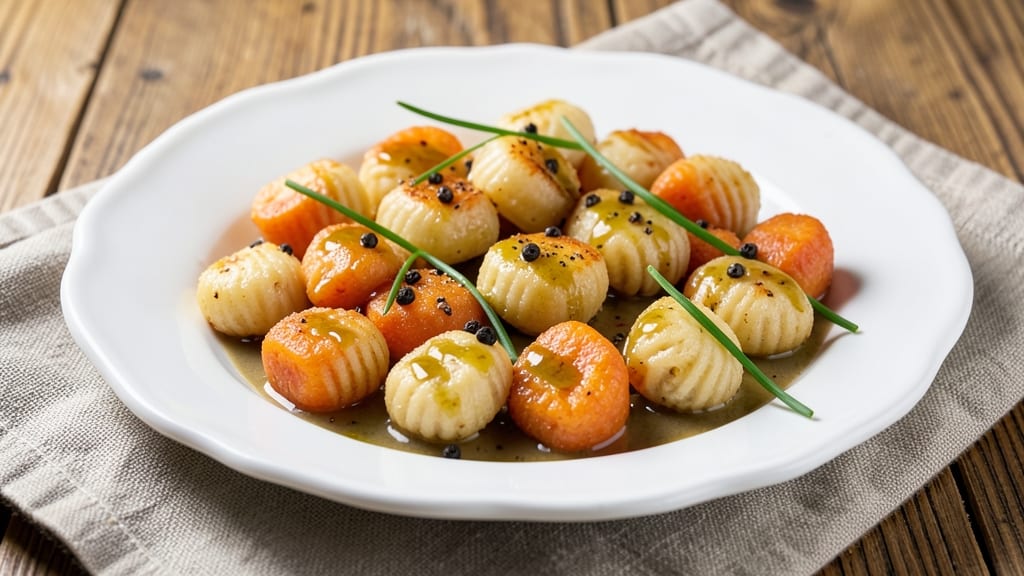
This sweet potato and potato gnocchi recipe delivers pillowy dumplings with a perfect balance of sweet earthiness and tender texture—just like Nonna used to make. The secret lies in combining starchy potatoes with slightly sweet sweet potatoes, which creates that signature light, fluffy interior while adding natural depth.
I’ve perfected this technique over years of testing, ensuring every batch rises beautifully in boiling water or sizzles to golden perfection in a pan.
The beauty of this recipe is its authentic Italian approach without requiring specialty equipment. You’ll mash the potatoes and sweet potatoes separately, then gently fold in flour and egg to create a dough that’s just firm enough to shape into those classic ridged gnocchi.
The key? Working quickly and keeping the dough cool—this prevents the starch from over-releasing and keeps those dumplings light as air.
When cooked, these gnocchi transform into cloud-like pillows that burst with flavor—whether tossed in a rich brown butter sauce, simmered in marinara, or simply finished with garlic and olive oil.
The sweet potatoes add a subtle caramel note that pairs beautifully with savory toppings, making this a versatile side that feels both comforting and elegant. Ready in under an hour, it’s the kind of dish that turns simple ingredients into something extraordinary.
Perfect for vegetarian meals, family dinners, or impressing guests, this gnocchi recipe is also dietary-friendly—just swap the egg for aquafaba or flaxseed for a vegan version.
The possibilities for serving are endless, from classic Italian pairings to creative twists. Let’s get started on creating your own batch of restaurant-quality gnocchi at home.
Ingredients for sweet potato and potato gnocchi
Authentic Italian technique meets simple ingredients for these pillowy, sweet-potato-infused gnocchi.
| Ingredient | Amount | Notes |
|---|---|---|
| Russet Potatoes 🥔 | 2 ½ lb | Starchy variety, peeled and boiled |
| Orange Sweet Potatoes 🍠 | 1 ½ lb | Peeled and boiled, slightly sweet |
| All-Purpose Flour 🌾 | 3 cups | Plus 1 tbsp for dusting |
| Large Eggs 🥚 | 2 whole | Room temperature for best binding |
| Salt 🧂 | 1 ½ tsp | Kosher or sea salt, divided use |
| Olive Oil 🫒 | 2 tbsp | Extra-virgin for richness |
| Semolina Flour 🌾 | ¼ cup | For rolling ridges |
| Ground Black Pepper 🌶️ | ½ tsp | Freshly ground preferred |
| Fresh Rosemary 🌿 | 1 tbsp | Chopped, optional garnish |
| Fresh Parsley 🌿 | ¼ cup | Chopped, optional garnish |
| Butter 🧈 | ½ cup | Unsalted, for finishing |
The potatoes are the foundation—russet potatoes for structure and orange sweet potatoes for that signature caramel depth. Russets should be waxy-free (like Idaho potatoes) and sweet potatoes should be firm, not fibrous. I always grab russets from Whole Foods or the organic bin at Trader Joe's—they hold up better when boiling. For the sweet potatoes, look for bright orange flesh with no green spots. Peeled and boiled separately, they create that perfect balance of lightness and sweetness. Pro tip: Boil them in salted water until fork-tender, then drain and let them steam-dry for 5 minutes—this prevents a gummy dough later.
No russet potatoes? Yukon Golds work in a pinch, but they’ll be slightly denser. Sweet potatoes too fibrous? Red sweet potatoes (like garnet) are more tender. The flour is non-negotiable—all-purpose gives the right texture, but bread flour can be swapped at a 1:1 ratio if you’re into that. For the egg, room temperature is key—it binds better. Short on eggs? Aquafaba (chickpea brine) works at a 3:1 ratio for vegan versions. The semolina is optional but creates those classic ridges—Bob’s Red Mill is my go-to brand. Fresh herbs? Dried works at half the amount, but fresh rosemary and parsley add that restaurant-quality finish.
Gnocchi dough is best used immediately, but you can shape it ahead and refrigerate for up to 4 hours before cooking. For longer storage, freeze shaped gnocchi on a tray first, then transfer to a bag for up to 3 months. When reheating, boil from frozen—no thawing needed. The butter for finishing should be unsalted to let the gnocchi’s natural flavors shine. Store cooked gnocchi in the fridge for 3 days or freeze for 2 months. Portion into single servings before freezing—perfect for quick meals.
Why You'll Love This Recipe
- No Boiling Madness: I swear by this method—just mash, mix, and roll. No fussing with boiling water or waiting for dough to rest. The sweet potatoes and russets blend into pillowy clouds with zero stress.
- Sweet & Savory Magic: That caramelized sweet potato meets buttery gnocchi? It’s like a hug for your taste buds. The orange hue alone makes it feel fancy, but the flavor is pure comfort—slightly sweet, rich, and just salty enough.
- Weeknight to Dinner Party: Make a double batch on Sunday, freeze half, and you’ve got effortless meals for days. Or impress guests by tossing it with sage brown butter and crispy pancetta—no one will guess it’s your secret shortcut.
- Pantry-Proof & Pocket-Friendly: Uses basic ingredients you already own (flour, eggs, salt) plus seasonal produce. The sweet potatoes stretch meals further, and leftovers reheat like a dream—no drying out, just tender, warm bites.
Step-by-step instructions for sweet potato and potato gnocchi
Here's the method for creating light, pillowy gnocchi with perfect texture and balanced sweetness.
Boil and Rice the Potatoes
Place the 2.5 lb Russet Potatoes and 1.5 lb Orange Sweet Potatoes in a large pot and cover with cold water by about 2 inches. Add 1 tsp of the salt and bring to a boil over high heat. Reduce to a gentle simmer and cook for 15-20 minutes until completely tender when pierced with a fork.
Drain immediately and let steam for 1 minute to release excess moisture. Transfer to a clean kitchen towel and gently rub the potatoes dry. This step is crucial—any remaining moisture will make your dough sticky and difficult to handle. Once dry, transfer the potatoes to a clean cutting board.
Create the Potato Pulp
Using a potato ricer, press the potatoes through into a large mixing bowl. I like to work in batches to avoid overcrowding the ricer. If you don't have a ricer, you can grate the potatoes using the large holes of a box grater, but you'll need to press out excess liquid through a clean kitchen towel.
The resulting pulp should be smooth and free of lumps. If you encounter any fibrous bits, simply press them through with the back of a wooden spoon. This is where the magic happens—the smooth texture of the ricer creates that signature gnocchi pillowy quality. Set aside the pulp and let it cool slightly while you prepare the dry ingredients.
Combine Wet and Dry Ingredients
In a separate bowl, whisk together the 3 cups All-Purpose Flour, 0.25 cup Semolina Flour, and the remaining 0.5 tsp Salt. Make a well in the center and add the 2 whole Large Eggs and the cooled potato pulp. Using a wooden spoon or your hands, gently fold the ingredients together until just combined.
Here's the thing—you don't want to overwork the dough. The moment the ingredients come together into a shaggy mass, stop mixing. The dough should be soft and slightly sticky but hold together when pressed. If it's too dry, add 1-2 teaspoons of water at a time until it reaches the perfect consistency. This dough should feel like soft playdough that leaves a slight residue on your fingers.
Shape the Gnocchi
Divide the dough into 4 equal portions and roll each portion into a 1-inch thick rope. Cut each rope into 1-inch pieces and set them on a lightly floured surface. To create ridges (which help the gnocchi hold sauce), roll each piece gently over a wooden spoon or the back of a fork to create slight indentations.
Don't press too hard—just enough to create texture without flattening the dumplings. As you work, keep the gnocchi covered with a damp kitchen towel to prevent drying. This shaping step is where you'll see your effort pay off—the ridges will help the gnocchi absorb sauce beautifully while maintaining that signature pillowy texture.
Cook to Perfection
Bring a large pot of water to a rolling boil and add 1 tsp of the salt. Add the gnocchi in batches, giving them room to float. They're ready when they rise to the surface in about 2-3 minutes. Use a slotted spoon to remove them and transfer to a serving platter.
For an extra touch, toss the cooked gnocchi with 2 tbsp Olive Oil and 0.5 cup Butter until melted and glossy. Garnish with chopped Fresh Rosemary and Fresh Parsley for a pop of color and freshness. Serve immediately with your favorite sauce—this gnocchi soaks up flavors beautifully, making it perfect for rich tomato sauces or creamy Alfredo.
Pro Tips For Making Sweet Potato And Potato Gnocchi
- Boil Potatoes Until Fork-Tender: I learned this the hard way—undercooked potatoes make gnocchi that falls apart. Boil russets and sweet potatoes until they’re so soft a fork slides in like butter (about 15-20 mins for russets, 20-25 for sweet potatoes). Overcooking won’t ruin them; undercooking will.
- Rice and Drain Sweet Potatoes: Sweet potatoes release more moisture than russets, and that’s a recipe for gummy gnocchi. After boiling, spread them on a baking sheet and let them steam-dry for 10 minutes. Then, rough up the flesh with a fork—this helps absorb flour better and keeps the texture light.
- Use a Mixer for Fluffier Dough: Hand-mashing potatoes and flour is a workout that doesn’t guarantee consistency. Pulse them in a food processor until the texture resembles coarse breadcrumbs, then mix in flour and egg. This ensures even distribution and prevents dense, heavy gnocchi—no arm strain required.
- Rest Dough Before Rolling: I was skeptical until I tried it: let the dough sit, covered, for at least 30 minutes. This relaxes the gluten and makes rolling (and cutting) infinitely easier. Skip this, and you’ll fight sticky, crumbly dough the whole time—your future self will thank you.
Common mistakes when making great sweet potato and potato gnocchi
Overworking the Dough
I’ve ruined more gnocchi batches than I’d like to admit by overmixing the dough. The moment you combine the potato pulp, flour, and egg, stop stirring as soon as it forms a shaggy mass.
Overworking releases too much starch, making the gnocchi dense and gummy instead of light and pillowy. Think of it like handling fresh pasta—just until combined. 💫
Skipping the Drying Step
After boiling, potatoes release excess moisture that can turn your dough into a sticky nightmare. Always let them steam-dry for 1 minute in a colander, then rub them dry with a kitchen towel.
This step prevents a gummy texture and ensures your gnocchi hold together when shaping. I’ve learned this the hard way—trust me, it’s worth the extra minute!
Using the Wrong Potatoes
Not all potatoes are created equal! Russets are non-negotiable for their high starch content, but Yukon Golds or red potatoes won’t give the same light texture. For sweet potatoes, orange varieties work best—they’re sweeter and creamier than purple or white types.
Pro tip: Avoid waxy potatoes like red skins—they’ll make your gnocchi tough. 🥔
Improper Shaping Technique
The ridges on gnocchi aren’t just for looks—they help the dumplings hold sauce! Roll each piece gently over a wooden spoon or fork to create light indentations, but don’t press too hard.
Over-flattening makes them dense. Keep a damp towel nearby to prevent drying, which can cause cracking during cooking. Think "light touch, not heavy pressure."
Cooking Too Long
Gnocchi are ready the second they float to the surface—usually 2-3 minutes in boiling water. Overcooking turns them into mush. Test one piece by cutting it open; if it’s still slightly undercooked inside, it’ll finish in the sauce.
I’ve seen people boil gnocchi for 5+ minutes, and it’s a tragedy. Timing is everything! ⏱️
Neglecting the Resting Time
Freshly shaped gnocchi need 10-15 minutes of rest before cooking to relax the gluten and improve texture. Skip this, and they’ll fall apart in the pot. Cover them with a damp towel while resting—this keeps them soft and prevents sticking. Patience here pays off with perfectly pillowy results. 💡
Nutrition facts
Frequently asked questions
Can I make this gnocchi recipe without a potato ricer?
If you don't have a ricer, grate the boiled potatoes using the large holes of a box grater, then press out excess liquid through a clean kitchen towel. This method works almost as well—just be patient and squeeze out all the moisture for a smooth, lump-free pulp. The texture will be slightly different but still delicious!
How do I store leftover gnocchi?
Freshly cooked gnocchi keep in an airtight container in the fridge for 3 days. For longer storage, freeze shaped (uncooked) gnocchi on a tray first, then transfer to a bag for up to 3 months. Cook from frozen—no thawing needed! Reheat in boiling water for 1-2 minutes or pan-fry until golden.
Can I make this recipe vegan?
Yes! Replace the 2 eggs with 6 tbsp aquafaba (chickpea brine) or 2 tbsp ground flaxseed + 6 tbsp water (let sit for 5 minutes to thicken). The dough may need 1 extra tbsp flour to bind properly. Test one piece before cooking the whole batch to adjust consistency.
What's the best sauce pairing for sweet potato gnocchi?
The sweet earthiness of the gnocchi pairs beautifully with rich, tangy, or creamy sauces. Try a brown butter sage sauce, tomato basil marinara, or a garlic olive oil finish with chili flakes. For something lighter, a lemon garlic butter sauce highlights the sweet potato's natural sweetness.
Why did my gnocchi turn out dense?
Dense gnocchi usually mean overworking the dough (releasing too much starch) or using waxy potatoes (like red skins). Always stop mixing as soon as the dough comes together, and stick to russet potatoes for the lightest texture. Also, ensure your potatoes are completely dry after boiling—excess moisture makes the dough gummy.