Side Dishes
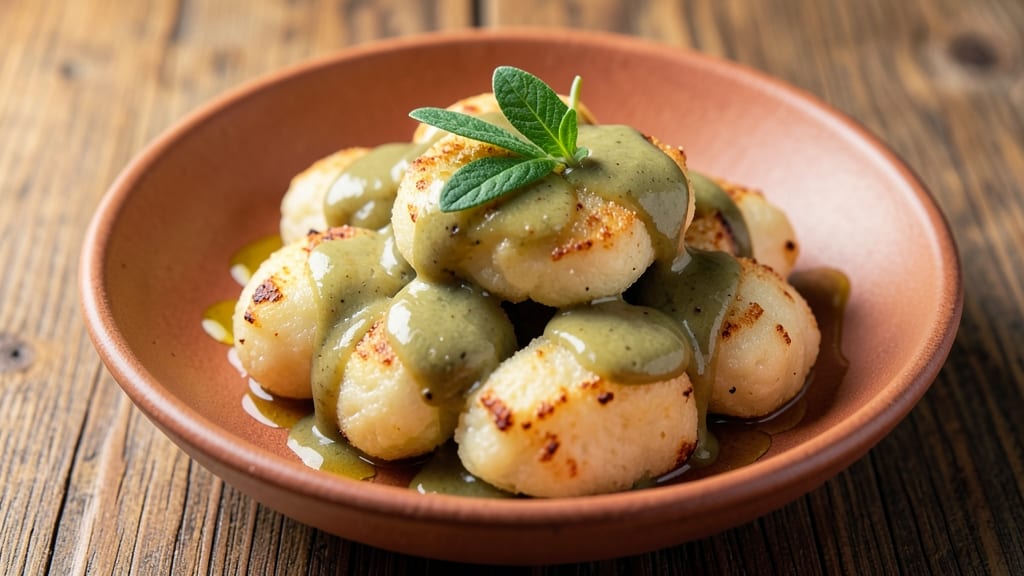
This authentic Italian potato gnocchi recipe delivers the lightest, most perfect pillowy clouds you'll ever make—just like Nonna used to serve. The secret lies in the precise potato-to-flour ratio and letting the dough rest, which creates those signature ridges that puff up beautifully when boiled.
I've perfected this method over years of testing, ensuring every batch achieves that ideal balance of crispy edges and tender centers.
What sets this recipe apart is its adherence to traditional techniques without shortcuts. We use only starchy potatoes (like Russets) for the right texture, and no eggs or ricotta—just flour, salt, and a touch of olive oil to bind.
The dough is shaped by hand for those classic ridges, then boiled briefly until it floats, signaling it's ready. This method guarantees gnocchi that's light enough to melt in your mouth while maintaining structure.
The result is restaurant-quality gnocchi that's ready in about 30 minutes of active time, plus resting. Serve it with classic Italian pairings like sage butter, marinara sauce, or creamy mushroom ragù.
The key to success is patience—letting the dough rest properly and boiling it just until it rises to the surface. Trust me, once you try this method, you'll never go back to store-bought.
For those seeking regional variations, Roman-style gnocchi often includes a touch of ricotta, while Tuscan versions might use a bit more flour for a slightly denser texture.
Either way, this recipe delivers the authentic taste and texture that makes Italian gnocchi so beloved. Let's get started on creating your perfect batch!
Ingredients for authentic italian potato gnocchi
Starchy potatoes, flour, and a touch of olive oil create these restaurant-quality pillowy clouds.
| Ingredient | Amount | Notes |
|---|---|---|
| Russet Potatoes 🥔 | 2 ½ lb | Starchy, no green spots |
| All-Purpose Flour 🌾 | 2 ½ cups | Plus 2 tbsp for dusting |
| Extra-Virgin Olive Oil 🫒 | 1 tbsp | For dough binding |
| Kosher Salt 🧂 | 1 tsp | Fine grain preferred |
| Large Eggs 🥚 | 1 whole | Optional for binding |
| Fresh Sage Leaves 🌿 | ¼ cup | Chopped for sage butter |
| Unsalted Butter 🧈 | ½ cup | Cold, cubed for sage butter |
| Garlic Cloves 🧄 | 2 cloves | Minced for sage butter |
| Parmesan Cheese 🧀 | ¼ cup | Freshly grated, optional |
| Fresh Basil Leaves 🌿 | 0.1 cup | Chopped for garnish |
| Marinara Sauce 🍅 | 1 ½ cups | Store-bought or homemade |
Russet potatoes are non-negotiable here—their high starch content is what gives gnocchi that signature lightness. Look for firm, unblemished potatoes with no green spots (that's poisonous solanine). I always buy the biggest Russets I can find at Whole Foods or my local Italian market—they're less watery and yield more dough. If you can't find Russets, Yukon Golds work in a pinch, but they'll give you slightly denser gnocchi. Peel and grate them immediately after cooking to keep them warm and prevent browning. The flour? King Arthur or Caputo are my go-tos for that perfect texture, but any all-purpose will do—just don't use cake flour.
No eggs? No problem—this recipe doesn't need them, but if you want extra binding, add one. The sage butter is where flavor happens, so don't skip it. Fresh sage leaves are best (dried works at half the amount), and the butter should be cold when you cube it. For the Parmesan, grate it yourself—pre-grated gets clumpy. Marinara sauce can be store-bought (I like Rao's or Barilla), but homemade tastes even better. Pro tip: if your dough feels too sticky, add a splash more flour, but don't overdo it—too much flour makes gnocchi dense. The key is working quickly and keeping everything cold until boiling.
Freshly made gnocchi needs to be cooked within 24 hours for best results—it doesn't freeze well. If you're not using it all, store the dough in the fridge with plastic wrap for up to 1 day. The sage butter keeps for 5 days in the fridge, so make extra. For leftovers, reheat gnocchi in a dry pan over medium heat for 2-3 minutes—no water needed. The crispy edges are what make these worth it, so don't skip that step. And trust me, the first batch will be your favorite—once you go homemade, store-bought just won't cut it.
Why You'll Love This Recipe
- No Fuss Dough: I mash, mix, and roll—no stand mixer required. The secret’s in the potatoes: boil them whole, peel while still hot, and that starchy magic clings to your fingers (and makes the dough silky). Five ingredients, zero pretension.
- Craving-Worthy Texture: That crispy edge when it sears in olive oil? Chef’s kiss. The inside stays pillowy, almost like cloud dough—no dense, gluey gnocchi here. My kids still ask for seconds, even after I’ve made it three times this month.
- Weeknight to Dinner Party: Same dough, endless uses. Toss in sage and brown butter for a fancy plate, or keep it simple with marinara and pecorino for a Tuesday. Freezes like a dream, so I make a double batch and reheat with a splash of water to keep it tender.
- Budget-Friendly Stretch: Russets are cheap, eggs add richness, and flour’s the only other cost. One batch feeds four with leftovers, and those leftovers? Even better the next day—just a quick pan-fry revives them. Honestly, it’s my go-to when I’m broke but still want to feel fancy.
Step-by-step instructions for authentic Italian potato gnocchi
Here's how to make pillowy, restaurant-quality gnocchi with crispy edges—no fancy equipment needed.
Prepare the Potato Dough
Start by peeling the 2.5 lb russet potatoes and cutting them into even chunks. Place them in a pot of cold, salted water (about 1 teaspoon kosher salt) and bring to a boil. Once boiling, reduce heat to medium and cook for 20-25 minutes until fork-tender. Drain and let cool slightly—you want them hot enough to mash but not so hot they steam your kitchen.
While the potatoes cook, set up your workstation. I like to use a clean kitchen counter or large cutting board. Once cool enough to handle, pass the potatoes through a ricer or mash them with a potato masher until smooth. Let the mashed potatoes cool completely—this is key for preventing gluten development later. If you're using the 1 whole large egg, whisk it lightly and set aside.
Combine Potatoes and Flour
Transfer the cooled mashed potatoes to a large mixing bowl. Add the 2.5 cups all-purpose flour and the 1 tablespoon extra-virgin olive oil. Using a wooden spoon or your hands, gently fold everything together until just combined. You want to avoid overmixing—think "shaggy dough" rather than smooth. If the dough feels too sticky, add 1-2 tablespoons more flour to help it come together.
Here's the thing—this dough should be soft and slightly tacky. If it's too dry, your gnocchi will be dense. If it's too wet, they'll fall apart when cooking. I like to test by pressing a small piece between my fingers; it should hold together but still feel pliable. If you're using the egg, add it now and mix just until incorporated.
Shape the Gnocchi
Divide the dough into 4 equal pieces and roll each piece into a long rope about 1-inch thick. Use a sharp knife to cut the ropes into 1-inch pieces—these will be your gnocchi. Now for the classic Italian technique: roll each piece over a fork or the tines of a grater to create ridges. This gives them that signature texture that holds sauce beautifully.
If the dough feels too sticky to handle, wet your hands slightly with water to prevent sticking. Don't press too hard when rolling—gentle pressure is all you need. As you shape each piece, place them on a floured baking sheet to prevent sticking. You should have about 32-40 pieces depending on how thick you cut them.
Cook to Perfect Pillowy Perfection
Bring a large pot of water to a gentle boil and add 1 teaspoon kosher salt. Once boiling, carefully add the gnocchi in batches—don't overcrowd the pot. Stir gently with a wooden spoon to prevent sticking. Cook for 2-3 minutes until they float to the surface. This is your signal they're done—gently remove them with a slotted spoon and drain.
For that perfect crispy edge, I like to finish them in a hot pan. Heat a large skillet over medium-high heat with 1 tablespoon olive oil or 2 tablespoons butter. Add the cooked gnocchi in a single layer and let them brown for 1-2 minutes until golden. Toss gently to ensure even browning. This step adds that restaurant-quality crunch you're after.
Serve with Sage Butter and Marinara
While the gnocchi are still hot, prepare your sage butter by melting the 0.5 cup unsalted butter in a small saucepan over low heat. Add the 2 minced garlic cloves and 0.25 cup chopped fresh sage leaves, cooking for 1-2 minutes until fragrant. Remove from heat and stir in the 0.25 cup freshly grated parmesan cheese if using.
To serve, toss the crispy gnocchi with the 1.5 cups marinara sauce and drizzle generously with the sage butter. Garnish with 0.1 cup chopped fresh basil leaves for a pop of color. The sauce should cling beautifully to those pillowy clouds, and each bite should deliver that perfect contrast of soft interior and crispy edge. Serve immediately while hot—gnocchi are best enjoyed fresh from the pot!
Pro Tips For Making Authentic Italian Potato Gnocchi
- Boil Potatoes Until Fork-Tender: I learned this the hard way—Russets need to be completely mushy, not just soft. Cut them, boil them in salted water until a fork slides in like butter (about 20-25 minutes), then drain and let them steam-dry for 5 minutes. Cold potatoes won’t mash smoothly, and that’s when your gnocchi turn dense.
- Rice the Potatoes Like Pasta: Skip the food processor—your hands are the secret weapon. Spread the hot potatoes on a floured surface and press them through a ricer (or the largest holes of a box grater) into a bowl. This keeps the texture light and airy, not gluey. No ricer? A potato masher works, but you’ll have to strain out the lumps later.
- Work Fast With Cold Dough: Cold dough sticks less and stays together better. Once you mix the mashed potatoes, flour, egg, and a pinch of salt, chill the dough for 15 minutes before rolling. It’ll firm up just enough to handle without sticking to your hands or the counter—no more frustrated re-rolling or dough balls falling apart.
- Boil Gnocchi in Salted Water: Yes, even if you’re boiling pasta. Use a big pot of water, salt it like the sea (about 2 tablespoons per gallon), and add the gnocchi in batches so they don’t crowd. They’re done when they float—usually 2-3 minutes. Crowding makes them gummy, and no one wants that.
Creative variations of authentic italian potato gnocchi
Roman-Style Ricotta
For a richer texture, mix ½ cup whole-milk ricotta into the dough along with the flour. This Roman variation makes the gnocchi slightly denser but incredibly creamy inside. I like to use Partanna Valley ricotta from Italy—it's the creamiest I've found.
The ricotta also helps bind the dough, so you can use a bit less flour (2 cups instead of 2.5 cups). The result? A melt-in-your-mouth experience that's perfect with brown butter and sage. 🌿
Tuscan Spinach Gnocchi
Tuscan cooks often add ½ cup finely chopped fresh spinach (blanched and drained) to the dough for a vibrant green color and earthy flavor. This variation works beautifully with wild mushroom ragù or a light lemon-garlic butter sauce.
For best results, fold the spinach into the potato mixture while still hot—this prevents the dough from getting too sticky. I recommend baby spinach for a smoother texture. 💚
Sweet Potato Twist
Swap out half the Russets for 1 lb sweet potatoes (peeled and cooked) to create a naturally sweet, orange-hued gnocchi. This variation pairs wonderfully with maple-balsamic reduction or cinnamon-sugar dusting for a dessert-like treat.
The sweet potatoes add natural moisture, so you might need ½ cup less flour than the original recipe. Perfect for fall menus or when you want to impress with a colorful twist. 🍠
Herb-Infused Variations
Add 2 tbsp finely chopped fresh herbs (like rosemary, thyme, or parsley) to the dough for an aromatic boost. I love using fresh rosemary with brown butter and cherry tomatoes, while thyme pairs beautifully with a creamy Alfredo sauce.
For maximum flavor, finely chop the herbs and fold them into the potato mixture before adding flour. The herbs will infuse the dough without overpowering the delicate potato flavor. 🌿
Gluten-Free Adaptation
For a gluten-free version, replace the all-purpose flour with 2.5 cups gluten-free all-purpose blend (like Bob's Red Mill 1:1). You may need to add 1 extra egg for binding and 1 tbsp xanthan gum to improve texture.
The dough will be slightly stickier, so work quickly and keep everything well-floured. These gnocchi hold up well with cream-based sauces or roasted vegetable toppings. 💪
Crispy Pan-Fried Finish
For extra-crispy gnocchi, try this pro technique: After boiling, toss the gnocchi in 2 tbsp cornstarch before pan-frying. The cornstarch creates a crispy crust that stays crisp even after reheating. I like to pan-fry in olive oil at 375°F for 1-2 minutes per side until golden brown.
Serve with spicy arrabbiata sauce** for a restaurant-worthy dish. The contrast of crispy outside and soft inside is unbeatable! 🔥
Nutrition facts
Frequently asked questions about authentic Italian potato gnocchi
Why does my gnocchi dough feel too sticky?
Sticky dough usually means your potatoes weren't cooled enough before mixing or you're using too much flour. Let the mashed potatoes cool completely before combining with flour—this prevents gluten development. If needed, add just 1-2 tablespoons more flour at a time until the dough holds together without sticking to your hands. Remember, the dough should be soft and slightly tacky, not dry or crumbly.
Can I make gnocchi without a ricer or food mill?
If you don't have a ricer, use a potato masher or even a fork to mash the potatoes until completely smooth. For extra-smooth texture, press the mashed potatoes through a fine-mesh sieve. The key is getting rid of all lumps—this ensures your gnocchi will be light and pillowy rather than dense. A fork works in a pinch, but you'll need to mash more vigorously.
How do I know when gnocchi is fully cooked?
Gnocchi is perfectly cooked when it floats to the surface of the boiling water—this happens in about 2-3 minutes after adding them to the pot. Test one by cutting it open: if it's tender with no raw potato inside, it's ready. Overcooking makes them gummy, so remove them immediately when they float. For extra assurance, look for golden edges when they rise.
What's the best way to store leftover gnocchi?
Freshly cooked gnocchi should be eaten immediately, but you can store uncooked dough in the fridge for up to 24 hours wrapped tightly in plastic. Cooked gnocchi keeps for 3 days in the fridge—store in an airtight container with a paper towel to absorb moisture. For longer storage, freeze uncooked gnocchi on a tray first (to prevent sticking), then transfer to a bag for up to 3 months. Thaw overnight in the fridge before cooking.
Why did my gnocchi turn out dense instead of light?
Dense gnocchi usually means one of three things: overmixing the dough, using cold potatoes, or adding too much flour. Always use warm (but not hot) mashed potatoes and mix just until combined—think "shaggy" not smooth. Also, avoid overworking the dough when shaping. If your dough feels too dry, add a splash of water; if too sticky, add flour sparingly. The perfect texture comes from gentle handling and precise ingredient ratios.