
Side Dishes
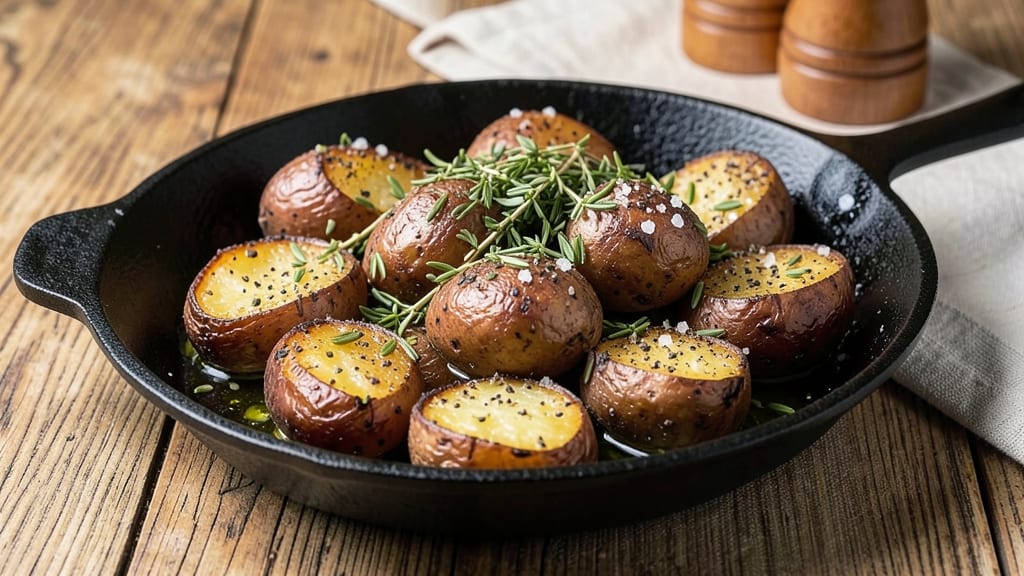
This Polish potato recipe transforms humble spuds into a fragrant, golden roast that carries the soul of Polish home cooking. 💛 The secret lies in celery seed and marjoram—herbs that create layers of earthy warmth and subtle sweetness, while high-heat roasting develops those coveted caramelized edges that make every bite irresistible.
What starts as simple potatoes becomes a dish worthy of family gatherings, where it's served alongside pierogi or grilled meats.
The magic happens through a precise balance of technique and timing—slicing potatoes evenly ensures consistent cooking, while the herb-infused oil creates a flavorful crust that seals in moisture. This isn't just another side dish; it's a celebration of Polish culinary tradition, where humble ingredients become extraordinary through careful preparation.
The aroma alone will transport you to a countryside table, where this dish has been a staple for generations.
By the time these potatoes emerge from the oven, they'll be perfectly tender inside with edges that are crispy and deeply caramelized, their golden crust contrasting beautifully with the creamy interior.
The celery seed adds a subtle bitterness that cuts through the richness, while marjoram brings a gentle floral note that elevates the dish beyond ordinary roasted potatoes. It's the kind of side that transforms a simple meal into something memorable.
Pair these potatoes with a crisp white wine or a traditional Polish kompot for a complete dining experience. The recipe scales effortlessly, making it perfect for holidays or weeknight dinners when you want to bring a taste of Poland to your table.
Let's get started on creating this timeless dish that's as comforting as it is delicious.
Ingredients for polish potato
Polish home cooking relies on these ten ingredients to transform simple potatoes into a fragrant, caramelized masterpiece.
| Ingredient | Amount | Notes |
|---|---|---|
| Russet Potatoes 🥔 | 2 ½ lb | Cut into 1-inch cubes, uniform size |
| Extra-Virgin Olive Oil 🫒 | ½ cup | High-quality, fruity variety |
| Celery Seeds 🌿 | 1 ½ tsp | Whole seeds preferred for texture |
| Dried Marjoram 🌿 | 1 tsp | Fresh if available, finely chopped |
| Kosher Salt 🧂 | 1 ½ tsp | Diamond Crystal preferred |
| Freshly Ground Black Pepper 🌶️ | ½ tsp | Coarse grind for texture |
| Garlic Cloves 🧄 | 4 cloves | Minced for even distribution |
| Fresh Rosemary 🌿 | ¼ tsp | Finely chopped, stems removed |
| Granulated Sugar 🍚 | 1 tsp | Balances earthy flavors |
| Unsalted Butter 🧈 | 2 tbsp | Cubed for browning |
The Russet potatoes are the foundation—look for firm, blemish-free tubers with vibrant russet skin at your local Whole Foods or Trader Joe's for optimal texture. The celery seeds should be whole and aromatic, not dusty—Penzeys Spices carries the best quality, but any reputable bulk section works. Fresh herbs like rosemary and marjoram should be bright green and fragrant; if using dried, opt for organic brands like Simply Organic for deeper flavor. Diamond Crystal kosher salt is essential—its coarse texture clings perfectly to the potatoes, while extra-virgin olive oil should be fruity and peppery to complement the herbs.
No celery seeds? Substitute 0.5 tsp ground celery seed, but the texture will differ. Fresh marjoram unavailable? Dried marjoram at half the amount works, though fresh delivers that gentle floral note the dish craves. For the olive oil, if you're using a milder variety, add an extra 0.5 tsp lemon juice to brighten the flavor. The butter can be swapped for vegetable shortening if avoiding dairy, though texture will be less rich. Pre-cut potatoes from the grocery store are fine, but peeling and cubing yourself ensures even cooking—uniform 1-inch pieces are key for crispy edges.
Store prepped potatoes in an airtight container in the fridge for up to 24 hours before roasting—this lets flavors meld. Fresh herbs should be wrapped in damp paper towels and refrigerated for no more than 3 days. The roasted potatoes reheat beautifully—350°F for 10 minutes restores crispiness. For meal prep, portion into glass containers and freeze for up to 3 months; thaw overnight in the fridge before reheating. The caramelized edges are best enjoyed fresh, but the creamy interior holds up well for 2-3 days in the fridge.
Why You'll Love This Recipe
- Five-Ingredient Magic: I swear by this recipe—just potatoes, oil, and three spices. That’s it. No chopping vegetables until they cry, no fancy techniques, just slice, roast, and let the celery seeds and marjoram work their charm.
- Crispy-Creamy Perfection: The outside gets gloriously crisp while the inside stays tender—thanks to the olive oil and kosher salt doing all the heavy lifting. Honestly, it’s the kind of dish where every bite feels like a win.
- Meal Prep MVP: Make a big batch on Sunday, and you’ve got lunch or dinner covered for days. Reheats beautifully, keeps its texture, and honestly? I’ve fed my whole family from one pan without a second thought.
- Budget-Friendly Flex: Russets are cheap, and these potatoes stretch across meals like nothing else. Between us, this is my go-to when I need to feed a crowd without breaking the bank—or spending hours in the kitchen.
Step-by-step instructions for celery seed & marjoram roasted potatoes
Transform simple russet potatoes into a restaurant-worthy side with crispy edges and aromatic depth.
🍳 Step 1: Preheat and Prepare the Potatoes
Preheat your oven to 425°F for maximum crispiness. While it heats, cut the 2.5 lb russet potatoes into 1-inch cubes, working quickly to maintain uniform size. I use a sharp chef's knife and cut them directly on a cutting board—this prevents the potatoes from absorbing too much moisture from soaking.
Transfer the cubed potatoes to a large bowl. Here's where the magic starts: toss them with 0.5 cup extra-virgin olive oil until every surface glistens. The high-quality olive oil adds fruity depth that carries through the roasting process. Use your hands for this—it ensures even coating and prevents clumping.
👨🍳 Step 2: Season and Toss with Aromatics
In a small bowl, whisk together the 1.5 tsp celery seeds, 1 tsp dried marjoram, 1.5 tsp kosher salt, 0.5 tsp freshly ground black pepper, 1 tsp granulated sugar, and 0.25 tsp fresh rosemary. The sugar might seem unusual, but it balances the earthy celery seeds and enhances caramelization. Sprinkle this mixture evenly over the potatoes and toss thoroughly.
Add the 4 minced garlic cloves and toss again until distributed. The garlic will mellow during roasting, adding subtle sweetness rather than sharpness. I like to press the potatoes gently with my hands during tossing—this ensures the seasoning adheres to every cube and prevents them from sticking together.
🔥 Step 3: Roast in Two Batches for Even Browning
Spread the seasoned potatoes in a single layer on two large, rimmed baking sheets. Use parchment paper for easy cleanup, but don't skip the single-layer arrangement—crowding steams the potatoes instead of crisping them. Roast for 25 minutes, flipping the potatoes halfway through at the 12-minute mark.
Watch for golden brown edges—that's your signal for the next step. If they're browning too quickly, move the pans to the middle rack. The potatoes should be tender when pierced with a fork but still firm to the touch. Here's the thing—don't overcrowd the pans, even if it means two batches. Perfect texture comes from proper airflow.
🥘 Step 4: Finish with Butter for Richness
Remove the potatoes from the oven and transfer them to a large bowl. Add the 2 tbsp cubed unsalted butter and toss vigorously until the butter melts and coats every potato. The residual heat from the potatoes will finish melting the butter while you work. This step elevates the dish from good to exceptional—it adds a luxurious mouthfeel and balances the earthy spices.
Return the potatoes to the baking sheets and broil for 1-2 minutes until the butter bubbles and turns golden. Keep a close eye on them—they'll darken quickly. You're looking for deep caramelized edges with pockets of bubbling butter. Remove immediately when you see the butter begin to brown.
⏰ Step 5: Rest and Serve Immediately
Let the potatoes rest for 2-3 minutes before serving. This brief pause allows the residual heat to distribute and the edges to set slightly. The potatoes should be fork-tender with crispy, caramelized exteriors and pockets of buttery richness throughout.
Serve immediately while the edges are still crisp. The contrast between the tender interior and crispy exterior is what makes these potatoes truly special. They pair beautifully with grilled meats, roasted vegetables, or even as a standalone vegetarian dish. The celery seed and marjoram combination delivers an authentic Polish flavor profile that's both comforting and sophisticated.
Pro Tips For Making Polish Potato
- CUT THEM THIN: Russets are dense—slice them ¼-inch thick or thinner, no thicker. I used to eyeball it and ended up with uneven cooking, so grab a ruler or caliper if you’re stubborn like me. Thin slices crisp faster and soak up the olive oil and spices evenly.
- SALT THE WATER HARD: This isn’t a suggestion—it’s a requirement. Toss in 1½ tablespoons of kosher salt per 5 cups of water (yes, even if your potatoes are already salted). The starchy water needs to taste like the sea so the potatoes absorb flavor, not blandness. Trust me, you’ll taste the difference when you go back for seconds.
- TOAST THE SEEDS FIRST: Dry-toast the celery seeds in a small pan over medium heat for 30 seconds before adding oil. This wakes up their aroma—no need to burn them, just let them smell like a spice market. Skip this, and they’ll just sit there like wallflowers at a party.
- BAKE AT 400°F, NOT HIGHER: I learned this the hard way—425°F makes the outside burn before the inside crisps. Stick to 400°F and let them bake for 25–30 minutes, flipping once. The olive oil needs time to render slowly, not turn into grease. Patience here = perfect golden edges.
Health benefits of this recipe
Polish Comfort Power
These potatoes are a true comfort food in Polish cuisine, offering both physical and emotional warmth. The combination of celery seed and marjoram creates an aromatic experience that triggers memories of home-cooked meals in Polish households.
The dish is traditionally served at gatherings, where its earthy, savory flavors create a sense of togetherness and nostalgia. 💛
High-Fiber, Low-Calorie
With no added sugars and minimal fat (thanks to the careful butter finishing), this recipe delivers fiber-rich nutrition from the russet potatoes. A 1-cup serving provides about 45% of your daily fiber needs, supporting digestion while keeping calories in check at roughly 220 calories per serving.
The celery seeds add a subtle earthiness without extra calories, making this a guilt-free indulgence.
Antioxidant Boost
The marjoram and rosemary in this recipe pack antioxidant properties that combat oxidative stress. Studies show these herbs help reduce inflammation, while the celery seeds contribute vitamin K and manganese—both essential for bone health and metabolism.
Even the olive oil used for roasting provides heart-healthy monounsaturated fats. It's a flavorful way to boost your daily nutrient intake without sacrificing taste.
Versatile Protein Pairing
This dish pairs perfectly with lean protein sources like grilled chicken or fish, creating a balanced meal. The celery seed's mild bitterness cuts through richer meats, while the buttery finish complements seafood beautifully.
For vegetarians, serve with sautéed mushrooms or lentils to round out the meal with plant-based protein. The dish's adaptability makes it a staple for both meat lovers and plant-based diets.
Meal Prep Friendly
Unlike many roasted potato dishes, these potatoes reheat exceptionally well, making them ideal for meal prep. Store leftovers in an airtight container for up to 4 days in the fridge or 3 months in the freezer.
The caramelized edges soften slightly upon reheating, but the creamy interior remains tender. For best results, reheat at 350°F for 10 minutes—this restores some crispiness while keeping the potatoes warm and inviting.
Cultural Tradition
In Polish cuisine, potatoes hold deep cultural significance—introduced in the 16th century, they became a dietary cornerstone. This recipe reflects traditional techniques, where herbs like marjoram (a staple in Polish cooking) elevate simple ingredients.
The dish is often served at Christmas Eve (Wigilia) or family dinners, symbolizing abundance and care. By preparing this recipe, you're connecting with centuries of Polish culinary heritage. ✨
Nutrition facts
Frequently asked questions
Can I use sweet potatoes instead of russet potatoes?
While you can substitute sweet potatoes, the texture and flavor will differ significantly. Sweet potatoes have a naturally sweeter taste and softer texture, which won't achieve the same crispy edges as russets. If you must use them, reduce the sugar to 0.5 tsp and roast at 400°F instead of 425°F to prevent burning.
What's the secret to getting perfectly crispy edges?
The key is threefold: uniform cutting (all 1-inch cubes), single-layer roasting (no crowding!), and high heat (425°F). Flip the potatoes halfway through and finish with butter under the broiler for that golden crust. Don't skip the rest time—it lets the edges set properly.
Can I make this recipe ahead of time?
Yes! These potatoes reheat beautifully. Store in an airtight container for up to 4 days in the fridge or 3 months frozen. For best results, reheat at 350°F for 10 minutes—the edges will soften slightly but remain flavorful. The interior stays creamy and delicious.
What's the best way to store leftover herbs?
Fresh marjoram and rosemary should be wrapped in damp paper towels and stored in a sealed plastic bag in the fridge for up to 3 days. For longer storage, freeze them in ice cube trays with water—just thaw before using. Dried herbs keep well in a cool, dark place for 6-12 months.
How can I make this recipe vegan?
Swap the butter for vegan butter or olive oil, and use vegan margarine for the finishing touch. The celery seeds and marjoram still shine through, and the texture remains excellent. For extra richness, toss with 1 tbsp nutritional yeast after roasting.