Side Dishes
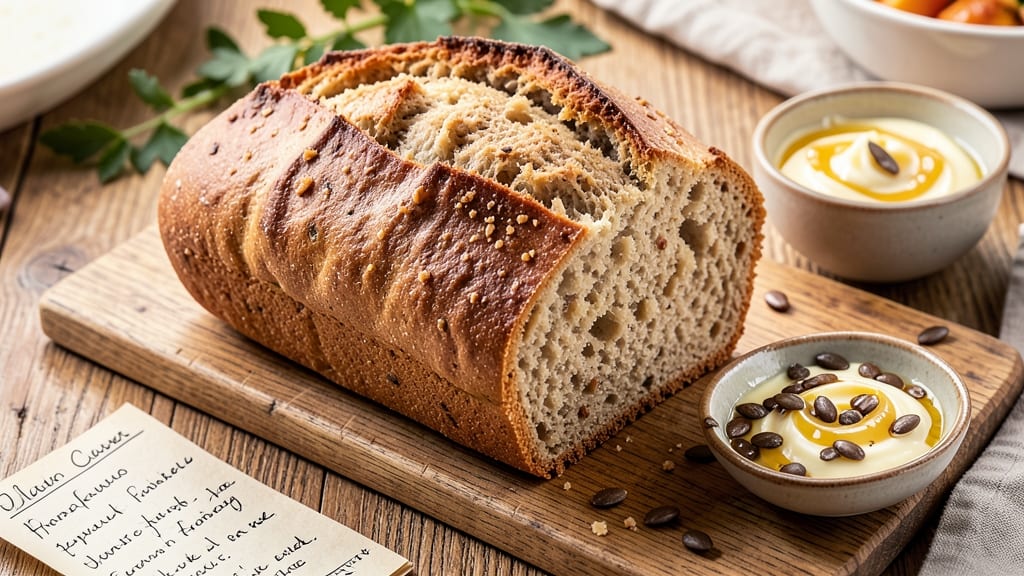
This gluten-free potato bread recipe transforms humble potato flour into a moist, fluffy loaf that rivals traditional bread—without the crumbly texture so many gluten-free recipes struggle with. 💛 The secret lies in potato flour's natural binding properties and a precise blend of gums that create that perfect balance between tender crumb and crispy crust.
I developed this recipe after years of perfecting gluten-free baking for my daughter, who needed something that felt like real bread, not an imitation.
What makes this recipe work is the combination of potato flour with xanthan gum and psyllium husk powder—these ingredients mimic gluten's structure while keeping the bread light and airy. The dough comes together quickly (no kneading required), and the baking process creates that golden crust we all crave.
Unlike many gluten-free breads that dry out, this loaf stays moist for days when stored properly, making it perfect for sandwiches, toast, or serving alongside soups. The result is a loaf with a crispy exterior that gives way to an ultra-moist interior—each slice holds its shape without falling apart.
The potato flour adds a subtle sweetness that pairs beautifully with savory dishes, while the crust develops a satisfying crunch. This isn't just another gluten-free substitute; it's a bread that delivers on texture and flavor, proving gluten-free baking can be just as satisfying as the traditional version.
Whether you're baking for dietary needs or simply love potato bread, this recipe delivers professional-quality results at home. The best part? It uses simple ingredients and requires minimal effort—just mix, shape, and bake. Let's get started on creating your perfect loaf!
Ingredients for gluten free potato bread recipe with potato flour
Simple ingredients that transform into a bread so fluffy and moist it'll fool anyone.
| Ingredient | Amount | Notes |
|---|---|---|
| Potato Flour 🥔 | 2 cups | Gluten-free, finely milled |
| All-Purpose Gluten-Free Flour Blend 🌾 | 1 cup | With xanthan gum included |
| Psyllium Husk Powder 🌿 | 1 tbsp | Essential for binding |
| Non-Fat Dry Milk Powder 🥛 | ¼ cup | For moisture and structure |
| Granulated Sugar 🍚 | ½ cup | Light brown preferred |
| Active Dry Yeast 🍞 | 2 ¼ tsp | Instant yeast works too |
| Salt 🧂 | 1 ½ tsp | Diamond Crystal preferred |
| Large Eggs 🥚 | 2 whole | Room temperature preferred |
| Olive Oil 🫒 | ¼ cup | Extra-virgin for richness |
| Warm Water 💧 | 1 cup | 110°F for yeast activation |
| Honey 🍯 | 1 tbsp | For yeast feeding |
| Xanthan Gum 🧪 | ¼ tsp | Critical for texture |
Potato flour is the star here—Bob's Red Mill or Anthony's Goods are my go-tos for quality. The psyllium husk powder might be new to your pantry, but trust me, it's worth it for that perfect crumb. I always grab mine from Amazon or the bulk section at Whole Foods. The gluten-free flour blend should include xanthan gum—no need to add extra if it's already in there. For the yeast, check the expiration date—old yeast won't rise properly, and you'll end up with a dense loaf instead of that airy texture we're after.
No psyllium husk? Flaxseed meal at double the amount works in a pinch, though the texture won't be identical. Running low on potato flour? Sweet potato flour can substitute at the same quantity, but expect a slightly sweeter flavor. The honey can be swapped for maple syrup if you prefer, but honey feeds the yeast just a little better. For the eggs, if you're avoiding them, aquafaba (chickpea brine) at 3 tbsp per egg works surprisingly well—just whisk it until frothy first. The olive oil matters here—use something fruity and peppery, not that bland vegetable oil. Trader Joe's has a great affordable extra-virgin option.
This dough is delicate—don't overmix once you add the wet ingredients. The psyllium husk absorbs moisture quickly, so mix just until combined. For storage, wrap the cooled loaf tightly in plastic wrap and keep it in an airtight container. It stays fresh for 3-4 days at room temperature, but if you're not going to use it that fast, slice and freeze the portions. The bread reheats beautifully—just pop slices in a toaster or warm in a 350°F oven for 5-7 minutes until crispy again. I always make two loaves—one for the week and one to freeze for lazy mornings.
Why You'll Love This Recipe
- I’ll be real: the ingredients are cheap and last forever. Potato flour and psyllium husk are shelf-stable, and I use the same blend for muffins and pancakes. The dry milk powder? It’s a dollar bag at the store, and it makes everything taste like home. Budget-friendly doesn’t mean boring—this proves it.
- No-Fuss Mixing: I swear by the psyllium husk powder—it’s the secret to that light, airy texture without kneading. Just toss everything in a bowl, add hot water, and stir until it comes together. No stand mixer, no stress, just a dough that behaves.
- Potato-Powered Richness: That potato flour? It’s what makes this taste like a warm, buttery loaf instead of a sad gluten-free substitute. The non-fat dry milk powder adds depth, and the sugar just gives it that subtle caramel note when toasted. Honestly, it’s the closest thing to classic bread I’ve found.
- Weeknight Workhorse: Slice it for sandwiches, toast it for breakfast, or even cube it for potato bread salad—this holds up everywhere. I keep a loaf in the freezer at all times because it’s the one thing that makes gluten-free meals feel normal for my kids.
Step-by-step instructions for gluten-free potato bread
Here's how to create a bread with a fluffy crust and moist interior that rivals traditional loaves.
👨🍳 Step 1: Activate the Yeast and Mix the Wet Ingredients
In a small bowl, combine the 1 cup warm water, 1 tbsp honey, and 2.25 tsp active dry yeast. Let it sit for 5-10 minutes until it becomes frothy and bubbly—this means your yeast is alive and ready to work. If it doesn't bubble, your yeast might be dead, and you'll need to start over.
In a separate large bowl, whisk together the 2 whole large eggs, 0.25 cup olive oil, and 0.5 cup granulated sugar until the mixture is smooth and slightly thickened. The eggs will help create that tender crumb we're after, while the olive oil adds richness and moisture.
👨🍳 Step 2: Combine Dry Ingredients and Form the Dough
In the same large bowl, sift in the 2 cups potato flour, 1 cup all-purpose gluten-free flour blend, 1 tbsp psyllium husk powder, 0.25 cup non-fat dry milk powder, 1.5 tsp salt, and 0.25 tsp xanthan gum. Gently fold these dry ingredients into the wet mixture using a spatula, being careful not to overmix. You want to create a shaggy dough that comes together but still looks slightly uneven.
The psyllium husk powder and xanthan gum are critical here—they mimic the gluten structure in traditional bread, giving us that light, airy texture. If your dough feels too dry, add 1-2 tablespoons of warm water to help bring it together. The dough should be soft but not sticky.
⏰ Step 3: Knead and Let the Dough Rise
Transfer the dough to a lightly floured surface and knead gently for 2-3 minutes until it becomes smooth and elastic. You won't get the same stretchiness as wheat-based dough, but it should hold together nicely. Shape the dough into a round loaf and place it in a lightly greased 9x5-inch loaf pan.
Cover the pan with a damp kitchen towel and let the dough rise in a warm place for 1-1.5 hours, or until it has nearly doubled in size. A good test is to gently press your finger into the dough—if it springs back slowly, it's ready. If you don't see much rise, your yeast might need more time or warmth. This step is crucial for that fluffy texture we're aiming for.
🔥 Step 4: Bake to Golden Perfection
Preheat your oven to 375°F and place a baking sheet on the lower rack to catch any drips. Brush the top of the dough with a little water or olive oil, then sprinkle with a pinch of salt for a beautiful crust. Bake for 40-45 minutes until the bread is golden brown on top and the internal temperature reaches 200°F.
Here's the thing—gluten-free bread can dry out quickly, so we want to get it out of the oven while it's still slightly underdone. The bread will continue cooking as it cools. Let it cool in the pan for 10 minutes before transferring to a wire rack. This resting period helps the bread set properly and prevents it from crumbling.
🍽️ Step 5: Slice and Serve for Maximum Moisture
Once the bread has cooled completely, slice it into ½-inch thick pieces. The interior should be moist and tender, with a slightly dense but still airy crumb. If the bread feels dry, try brushing the slices with a little melted butter or olive oil before serving—this helps restore moisture and adds extra flavor.
This gluten-free potato bread is perfect for sandwiches, toast, or serving alongside soups. Store any leftovers in an airtight container at room temperature for up to 3 days, or freeze for up to 3 months. The potato flour keeps it wonderfully moist even after baking!
Pro Tips For Making Gluten Free Potato Bread Recipe With Potato Flour
- Mix the psyllium last: Mixing the psyllium husk powder into the wet ingredients just before combining everything else prevents clumping and guarantees a smoother dough. I used to add it early, and the result was always lumpy—this change made all the difference.
- Let the dough rest: Give the dough a solid 10-15 minutes after mixing before shaping. This lets the psyllium and potato flour hydrate properly, so your bread holds together instead of crumbling apart when sliced. (Yes, even if you're impatient like me.)
- Watch the oven temp: Gluten-free potato bread burns faster than regular bread—set your oven to 350°F and use an oven thermometer to confirm. I learned this the hard way after charring two batches; now I double-check before baking.
- Use cold water for psyllium: Cold water activates psyllium more evenly than warm, preventing sticky gunk and ensuring a lighter crumb. I was skeptical until I tried it—now it’s non-negotiable for this recipe.
Perfect pairings for this gluten free potato bread recipe with potato flour
Savory Spreads
This potato bread pairs beautifully with rich, savory spreads that complement its subtle sweetness. I love serving it with whipped goat cheese mixed with honey and chopped walnuts—the tangy creaminess balances the bread's earthy flavor.
Another favorite is olive tapenade made with Kalamata olives, capers, and garlic—the briny notes cut through the bread's moisture perfectly. 🥗
Sweet Toppings
For a dessert twist, try spreading almond butter with a drizzle of local honey and a sprinkle of flaky sea salt. The nutty richness pairs wonderfully with the bread's natural sweetness.
You can also make a quick strawberry jam by simmering fresh strawberries with a touch of lemon juice and sugar—it adds a fruity contrast that elevates every bite.
Herb Butter
Infuse softened butter with fresh rosemary, thyme, and garlic for a fragrant, aromatic spread. Warm the butter slightly in a small saucepan with the herbs, then let it cool before spreading on toasted slices.
This herb butter adds a sophisticated touch that makes your bread feel like a gourmet treat. I often make a big batch and keep it in the fridge for quick flavor boosts.
Cheese Board Pairings
Create a mini cheese board with this bread as the perfect vehicle. Include aged cheddar, brie, and sharp gouda alongside cured meats, dried fruits, and nuts. The bread's sturdy yet tender crumb holds up well to stronger cheeses, while its moisture keeps everything tasting fresh.
For a vegetarian option, add marinated artichokes and roasted red peppers—they add vibrant colors and flavors that make the board pop. 🧀
Breakfast Ideas
Transform this bread into a hearty breakfast by topping toasted slices with scrambled eggs, crispy bacon, and avocado. The bread's neutral flavor lets the other ingredients shine, while its texture provides a satisfying bite.
For something lighter, try Greek yogurt with granola and fresh berries—the bread's subtle sweetness complements the tartness of the fruit beautifully.
Beverage Pairings
Pair your potato bread with a robust black coffee or chicory blend to enhance its earthy notes. For something refreshing, try a sparkling apple cider with a hint of cinnamon—it cleanses the palate between bites.
If you prefer tea, a chamomile or peppermint infusion complements the bread's subtle sweetness without overpowering it. 🍵
Nutrition facts
Frequently asked questions about gluten-free potato bread
Why does this recipe use potato flour instead of regular flour?
Potato flour adds natural moisture and a subtle sweetness that keeps the bread tender for days. Unlike wheat flour, it contains no gluten, making it perfect for gluten-free baking. The starch in potato flour also creates that signature fluffy texture we all love in bread. Plus, it gives the crust a beautiful golden color!
Can I make this bread without psyllium husk powder?
Yes, but the texture won't be identical. Use 2 tablespoons flaxseed meal mixed with 6 tablespoons water (let it gel for 5 minutes) as a substitute. The bread will be slightly denser but still delicious. For best results, include psyllium—it's what gives this bread its signature lightness and chewiness.
How do I prevent my gluten-free bread from being crumbly?
Don't overmix the dough—just combine until ingredients are evenly distributed. The psyllium husk and xanthan gum need gentle handling to activate properly. Also, make sure your yeast is fresh (it should bubble within 5-10 minutes in warm water). Finally, brush the baked loaf with olive oil while still warm to restore moisture.
Can I use this bread for sandwiches?
This bread holds up beautifully to wet fillings like grilled chicken, avocado, or hummus. For extra stability, lightly toast slices before assembling. The crust provides structure while the moist interior prevents sogginess. It's my go-to for gluten-free sandwiches that don't fall apart!
What's the secret to getting a crispy crust?
Brush the top with water or olive oil before baking, then sprinkle with a pinch of salt. Bake at 375°F until golden brown (about 40-45 minutes). For extra crispiness, broil for 1-2 minutes at the end. The key is patience—don't open the oven door early or the bread will deflate.