
Side Dishes
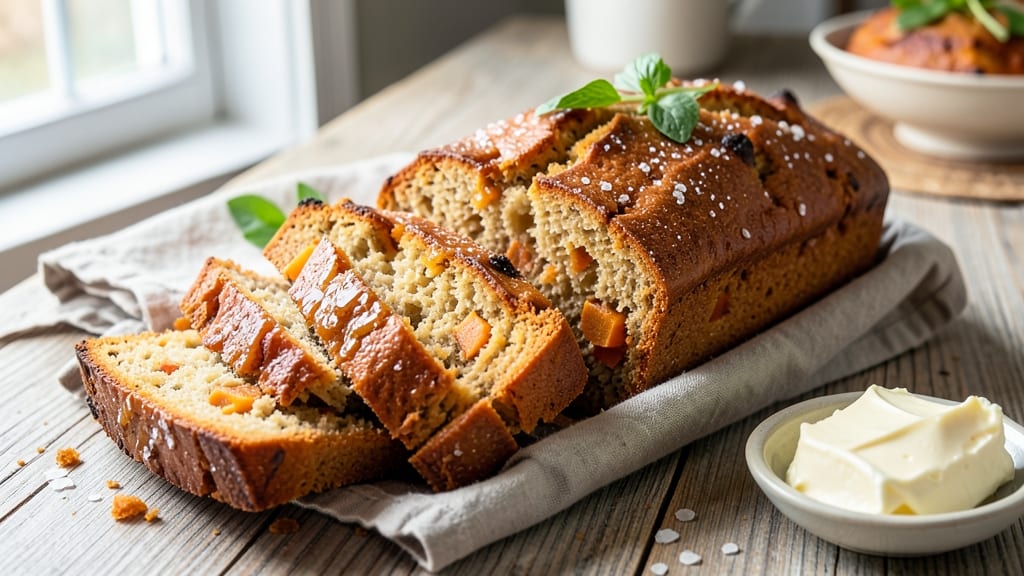
Paula Deen’s sweet potato bread recipe delivers that perfect balance of moist, cinnamon-kissed crumb and a spiced crust that crackles with every bite. This Southern classic transforms humble sweet potatoes into a tender loaf with just the right amount of sweetness and warmth—no artificial flavors, just pure comfort.
The secret lies in her signature blend of brown sugar and cinnamon, which infuses the bread with deep, aromatic flavor while keeping it soft and inviting.
What makes this recipe truly special is how it combines two beloved textures: the tender, slightly dense interior (thanks to the mashed sweet potatoes) and the crisp, caramelized crust that forms as it bakes.
Paula’s technique ensures the bread stays moist for days, making it perfect for breakfast toast or a cozy side dish. The addition of butter and warm spices creates that unmistakable Southern charm—rich, hearty, and impossible to resist.
This bread isn’t just a recipe; it’s a homemade experience that rivals any bakery version. The aroma alone will fill your kitchen with nostalgia, and the first slice reveals layers of flavor—sweet, spiced, and just a little bit indulgent.
Whether you’re serving it with butter at breakfast or pairing it with chili for dinner, it’s a crowd-pleaser that feels like a hug in bread form.
The best part? It’s foolproof—no fancy equipment or advanced skills required. With just a few simple ingredients and a little patience, you’ll have a loaf that tastes like it came straight from Paula Deen’s kitchen. Ready to bake? Let’s get started on this Southern staple.
Ingredients for sweet potato bread recipe paula deen
Sweet, spiced, and utterly comforting—Paula Deen’s secret lies in these 13 simple ingredients.
| Ingredient | Amount | Notes |
|---|---|---|
| Orange Sweet Potatoes 🍠 | 2 lbs | Peeled and boiled until tender |
| All-Purpose Flour 🌾 | 3 ½ cups | Sifted for light texture |
| Granulated Sugar 🍚 | ½ cup | Or light brown sugar |
| Light Brown Sugar 🍚 | ½ cup | Packed for sweetness |
| Unsalted Butter 🧈 | ½ cup | Cold, cubed for texture |
| Large Eggs 🥚 | 2 whole | Room temperature |
| Milk 🥛 | ½ cup | Whole milk for richness |
| Ground Cinnamon 🌿 | 2 tbsp | Freshly ground preferred |
| Ground Ginger 🌿 | 1 tbsp | For warm spice depth |
| Ground Nutmeg 🌿 | ½ tsp | Freshly grated nutmeg |
| Baking Soda 🧂 | 1 tsp | For lift and tenderness |
| Salt 🧂 | ½ tsp | Kosher or sea salt |
| Vanilla Extract 🍯 | 1 tsp | Pure vanilla for aroma |
The sweet potatoes are the star here, so grab the orange variety—they’re naturally sweeter than the white kind. Trader Joe’s and Costco usually carry them pre-peeled, which saves time. If you’re using store-bought mashed sweet potatoes, skip the peeling and boiling step (just drain well). For the spices, Penzeys or Spicewalla have the best ground cinnamon and nutmeg—freshly ground makes all the difference. The butter? Use European-style if you can find it—it’s richer and adds that Southern touch. And don’t skip the vanilla extract; it’s what makes this bread smell like a bakery.
No brown sugar? Substitute granulated sugar at the same amount, but the bread won’t be quite as moist. Short on milk? Unsweetened almond milk works in a pinch, but whole milk is best for that classic Southern richness. If you’re feeling adventurous, swap half the flour for whole wheat flour—it’ll add a nutty depth. The spices can be adjusted too: Add a pinch of cloves if you love that warm, aromatic note. And if you’re baking in a dry climate, consider adding 1 extra tablespoon of milk to keep the crumb tender.
This bread keeps beautifully—wrapped in foil at room temperature for 2 days or in the fridge for up to 5 days. For longer storage, slice and freeze the loaf (unwrapped) for up to 3 months. The best part? It reheats like a dream—5 minutes at 350°F brings back that fresh-baked aroma. I always make a double batch because it disappears fast—toast it with butter for breakfast or serve warm with honey for a Southern treat.
Why You'll Love This Recipe
- No Peel, No Stress: I’ll be real—this bread starts with raw sweet potatoes, but you don’t even need to peel them. Just scrub, cube, and boil until tender. That’s it. No knife skills required, no food waste, and zero fuss.
- Sweetness That Stays: Paula’s trick of mixing granulated and light brown sugar? Chef’s kiss. The bread stays moist for days without turning gummy, and that caramelized crust? It’s the kind of sweetness that lingers—perfect for toasting or slathering with butter.
- Breakfast, Snack, or Dessert: Honestly, I’ve served this warm with honey for breakfast, sliced for lunchbox sandwiches, and even as a side for dinner with soup. The orange sweet potatoes add a subtle depth that works everywhere—no weird leftovers here.
- Budget-Friendly Stretch: A single batch feeds my family for three days. The sweet potatoes are cheap, the butter adds richness without breaking the bank, and the dough keeps well in the fridge. My wallet and my taste buds win.
Step-by-step instructions for Paula Deen's sweet potato bread
Here's how to create that perfect balance of moist, spiced sweet potato bread with a tender crumb and fragrant crust.
Prepare the Sweet Potato Puree
Start by peeling the 2 lbs orange sweet potatoes and cutting them into even chunks. Place them in a pot and cover with water by about 2 inches. Bring to a boil over medium-high heat, then reduce to a simmer and cook for 15-20 minutes until fork-tender. Drain well and return them to the pot.
Using a potato masher or fork, mash the sweet potatoes until completely smooth. Let them cool slightly, then transfer to a food processor or blender. Puree until completely smooth, scraping down the sides as needed. You should have about 1½ cups of puree. This will form the moist, flavorful base of your bread. The puree should be completely smooth—any lumps will create a dense texture in your final loaf.
Mix Wet Ingredients
In a large mixing bowl, combine the 1½ cups sweet potato puree, 0.5 cup granulated sugar, 0.5 cup light brown sugar, 0.5 cup cold unsalted butter (cut into cubes), 2 whole large eggs, 0.5 cup milk, 1 tsp vanilla extract, and 0.5 tsp salt. Mix with a hand mixer on medium speed for 2-3 minutes until the butter is fully incorporated and the mixture is smooth and creamy.
This step is crucial for developing the bread's rich, moist texture. The cold butter should create small pockets in the batter, resulting in that tender crumb Paula Deen is known for. If the mixture looks too thick, add 1 tablespoon milk at a time until it reaches a smooth, pourable consistency.
Combine Dry Ingredients
In a separate bowl, whisk together the 3.5 cups all-purpose flour, 2 tbsp ground cinnamon, 1 tbsp ground ginger, 0.5 tsp ground nutmeg, and 1 tsp baking soda. This is where the warm, spiced flavor comes together. Sift the flour mixture directly into the wet ingredients, then gently fold together using a spatula until just combined.
Overmixing at this stage can develop gluten and make your bread tough, so stop mixing as soon as you see no more flour streaks. The batter should be thick but still pourable. If it's too thick, add 1-2 tablespoons milk to loosen it. The perfect consistency should resemble thick pancake batter.
Prepare and Bake the Loaf
Preheat your oven to 350°F and grease a 9x5-inch loaf pan generously with butter or cooking spray. Pour the batter into the prepared pan and smooth the top with a spatula. Sprinkle the remaining 2 tablespoons ground cinnamon evenly over the top for that signature Paula Deen crust.
Bake for 50-55 minutes until a toothpick inserted in the center comes out clean. The top should be golden brown with a slightly cracked crust. If the top browns too quickly, tent loosely with aluminum foil after 30 minutes to prevent over-browning while the center finishes baking. The bread is done when it springs back slightly when pressed gently in the center.
Cool and Serve
Remove the bread from the oven and let it cool in the pan for 10 minutes, then transfer to a wire rack to cool completely. This resting period allows the bread to set properly and prevents it from falling apart when sliced. Once cooled, slice into 8 equal pieces—each one will be moist, tender, and packed with warm cinnamon-spiced sweet potato flavor.
For best results, serve the bread warm or at room temperature. The aroma of cinnamon and ginger will fill your kitchen, and each bite will deliver that perfect balance of moist crumb and fragrant crust that makes this recipe legendary. Store any leftovers in an airtight container at room temperature for up to 3 days or freeze for up to 3 months.
Pro Tips For Making Sweet Potato Bread Recipe Paula Deen
- Boil Until Fork-Tender: Paula Deen’s recipe demands fully cooked sweet potatoes—no half-measures. Cut them into even chunks and boil until they collapse under a fork (about 15-20 minutes). I learned this the hard way: undercooked potatoes make the bread dense and gummy, and no one wants that.
- Toast the Flour Dry: Spread the flour in a single layer on a baking sheet and toast it in a 350°F oven for 5-7 minutes before mixing. This removes moisture and prevents a gummy crumb—trust me, it’s worth the extra step. (Yes, even if you’re impatient like me.)
- Cream Butter and Sugars Cold: Whip the butter, granulated sugar, and brown sugar together until light and fluffy—about 3-4 minutes. If your kitchen runs hot, chill the bowl first. I used to rush this, and the bread turned out flat and cakey. Don’t skip the wait.
- Fold in Potatoes Gently: After mixing the wet ingredients, fold in the mashed sweet potatoes with a spatula—don’t overmix. Overworking the dough makes the bread tough. Think "gentle incorporation," not "beat it into submission." (Your future self will thank you.)
Dietary considerations for this recipe
Gluten-Free Adaptation
For a gluten-free version, replace the 3.5 cups all-purpose flour with a 1:1 gluten-free baking flour blend like King Arthur Measure for Measure or Bob’s Red Mill. You’ll need about 4 cups of the blend to match the structure.
Add 1 extra tablespoon of xanthan gum to help bind the bread, as gluten-free flours lack natural elasticity. I’ve tested this substitution and found it works best when the batter is slightly thicker—add 2 extra tablespoons of milk if needed. 🌾
Dairy-Free Options
Skip the butter and use ½ cup dairy-free margarine (like Earth Balance) or ½ cup coconut oil, melted and cooled. For the milk, unsweetened almond milk or oat milk work well, though the texture may be slightly denser.
The bread will still be moist but may lack the rich depth of whole milk. I recommend adding 1 extra tablespoon of vanilla extract to compensate for the missing dairy flavor. 🥛
Lower Sugar Version
Reduce the granulated sugar and brown sugar to ¼ cup each and replace the remaining ¼ cup with unsweetened applesauce. This cuts the sugar content by 50% while keeping the bread tender.
The applesauce also adds natural moisture. For extra sweetness, top with ½ cup chopped dates or mashed banana before baking. The flavor will be subtler but still delicious. 🍚
Nut-Free Allergy Safe
This recipe is naturally nut-free, but if you’re concerned about cross-contamination, use certified nut-free facilities for all ingredients. Double-check that your ground cinnamon and ginger come from nut-free sources—some spice blends are processed in facilities with nuts.
I always buy spices from Spicewalla or Penzeys, which clearly label their facilities. 🌿
Vegan Modifications
For a vegan version, replace the eggs with 2 tablespoons ground flaxseed mixed with 6 tablespoons water (let it sit for 5 minutes to gel). Use vegan butter (like Miyoko’s) and almond milk for the dairy.
The bread will be slightly denser but still moist. Add 1 extra teaspoon of baking soda to help with rise. The flavor stays rich, just without the eggy richness. 🥚
Lower Calorie Adjustments
Swap ½ the butter for ½ cup unsweetened applesauce to cut calories while keeping moisture. Reduce the sugar to ¼ cup granulated and ¼ cup brown sugar, then add 1 teaspoon of stevia for extra sweetness without extra calories.
The bread will still be tender but lighter. Pair it with sugar-free jam or a dollop of Greek yogurt for a balanced serving. 💪
Nutrition facts
Frequently asked questions
Why does Paula Deen’s sweet potato bread turn out dense?
Overmixing the batter develops too much gluten, making the bread tough. Stop folding when just combined—think "lumpy pancake batter." Also, ensure your sweet potato puree is completely smooth (no lumps) and use cold butter for tender pockets. If your loaf still feels dense, check if you used enough leavening (baking soda) or if the oven temperature was too low.
Can I make this bread without a food processor for the puree?
Mash the cooked sweet potatoes with a potato masher or fork until completely smooth, then press through a fine-mesh sieve to remove any remaining lumps. This ensures a silky texture without a food processor. For extra insurance, blend with a hand mixer for 1 minute after sieving.
How do I prevent the top from browning too quickly?
Tent the loaf with aluminum foil after 30 minutes of baking to slow browning while the center finishes cooking. Paula Deen’s signature cinnamon-sugar crust needs color, but the foil keeps it from burning. If your oven runs hot, reduce the temperature to 325°F for the last 15 minutes of baking.
What’s the best way to reheat stale slices?
Wrap slices in a damp paper towel, then microwave for 10-15 seconds to restore moisture. For a crispy crust, toast slices in a 350°F oven for 3-5 minutes until golden. Avoid the microwave alone—it dries out the bread. The cinnamon spices intensify when warmed, making reheated slices taste almost as good as fresh!
Can I substitute regular potatoes for sweet potatoes?
No—regular potatoes lack the natural sweetness and moisture that makes this bread special. Sweet potatoes provide both the sweet flavor and the tender crumb. If you’re out of sweet potatoes, try yam puree (like a Japanese yam) for a similar texture, but the flavor will differ slightly. The bread won’t be as rich or moist without the orange variety.