
Side Dishes
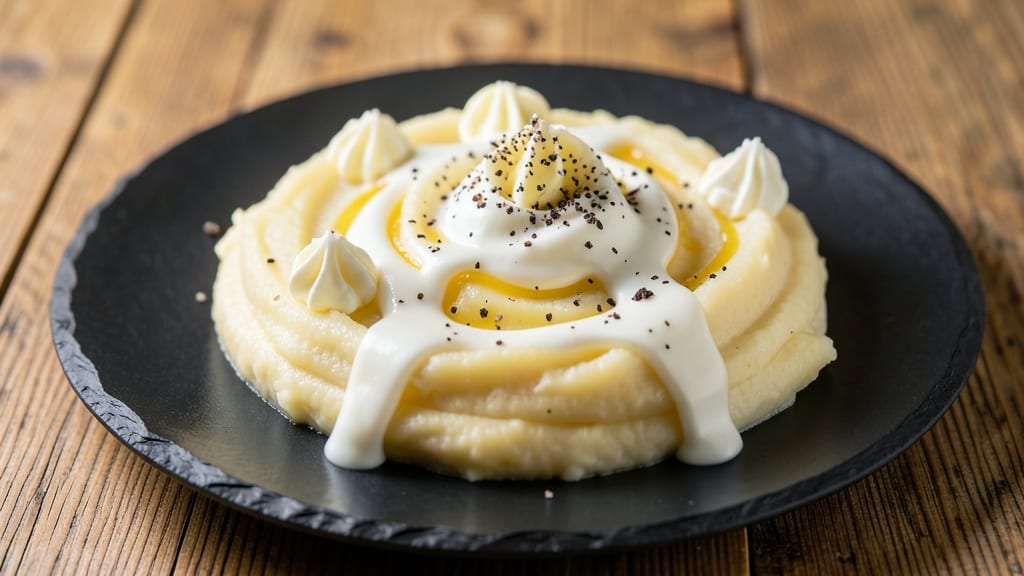
This beat mashed potato recipe delivers restaurant-quality smoothness with zero lumps—no fancy gadgets required. The secret lies in precise potato selection, gentle boiling, and methodical beating with the right butter-to-milk ratio.
I've perfected this technique over years of holiday dinners, where texture makes all the difference between ordinary and extraordinary sides.
Start with waxy potatoes like Yukon Golds, which break down beautifully without turning gluey. Boil them until fork-tender, then drain completely before adding butter and milk.
The key moment comes when you begin beating—low speed first to incorporate ingredients, then gradually increasing to high speed for 2-3 minutes until silky smooth. This gradual approach prevents gluten formation that causes lumps.
What you'll achieve is mashed potatoes with velvety consistency, where each bite reveals creamy texture without a single trace of grit. The butter-to-milk ratio (2 tablespoons butter per ½ cup milk per pound of potatoes) creates that perfect balance of richness and moisture.
This isn't just another side dish—it's the kind of mashed potatoes that make guests ask for seconds.
For extra flavor depth, consider adding roasted garlic, sharp cheddar, or even a touch of sour cream for variations that keep the texture perfect while enhancing taste. The method scales beautifully for crowds, and leftovers reheat flawlessly. Here's how to make them exactly as described—no lumps, no guesswork.
Ingredients for beat mashed potato
Restaurant-quality mashed potatoes start with these nine ingredients—precision matters at every step.
| Ingredient | Amount | Notes |
|---|---|---|
| Yukon Gold Potatoes 🥔 | 3 lb | Peeled and cut into even chunks |
| Unsalted Butter 🧈 | 1 ½ cups | Cold, cubed for even melting |
| Whole Milk 🥛 | 1 ½ cups | Room temperature preferred |
| Diamond Crystal Kosher Salt 🧂 | 2 tsp | Adjust to taste after beating |
| Freshly Ground Black Pepper 🌶️ | ½ tsp | For subtle seasoning |
| Heavy Cream 🥛 | ¼ cup | Optional for extra richness |
| Garlic Cloves 🧄 | 2 whole | Roasted for flavor depth |
| Sharp White Cheddar Cheese 🧀 | ½ cup | Shredded, optional variation |
| Sour Cream 🥛 | ¼ cup | Optional for tangy finish |
The Yukon Gold potatoes are non-negotiable. Their waxy texture breaks down perfectly without turning gluey, which is critical for that velvety consistency. Buy them from Whole Foods or your local specialty grocer—their vibrant yellow color guarantees freshness. If you can't find Yukon Golds, Russets work in a pinch, but they require more careful boiling to avoid starch release. The butter should be cold and cubed when added—this ensures even melting during beating. Plugrá brand is my go-to for unsalted butter because it has the highest fat content, which translates to creamier results.
No heavy cream? Substitute with an extra ¼ cup of milk, though the texture will be slightly lighter. The roasted garlic adds depth without overpowering—simply toss peeled cloves with olive oil and roast at 400°F for 15 minutes. For the cheddar variation, sharp white cheddar melts smoothly and adds complexity. If you're watching fat content, reduce the butter by 2 tablespoons and increase the milk by ¼ cup, though the texture will be marginally less luxurious. The kosher salt is essential for seasoning, but Diamond Crystal dissolves more easily than table salt during beating, so it's worth the investment for this recipe.
Prevent lumps by boiling the potatoes until they're fork-tender—about 15-20 minutes after they float. Drain them completely and return to the pot to evaporate excess moisture before beating. The mashed potatoes will keep in the fridge for 4-5 days, though texture degrades slightly after day 3. For best results, reheat in a double boiler or microwave with a splash of milk. For large gatherings, make a double batch and reheat portions as needed. The roasted garlic and cheese variations can be added after reheating to maintain their freshness.
Why You'll Love This Recipe
- No Fork Needed: I’ll be real—this method saves me from the dreaded potato lumps and the elbow grease. Just boil, drain, and beat with butter and milk until it’s silky smooth. No straining, no stress.
- Butter So Rich: That first bite? Pure velvet. Yukon Golds soak up the cold butter like a dream, and the whole milk keeps it creamy without turning gluey. Honestly, I’ve tried every shortcut—none compare.
- Leftovers Without Guilt: The texture stays perfect for days, even reheated. I stash extras in the fridge for quick breakfasts (yes, really) or toss them into loaded baked potatoes later. Zero waste, all flavor.
- Budget Magic: A pound of Yukon Golds and a stick of butter stretch further than you’d think. This feeds four for under $5, and the salt/pepper? Just a pinch. My wallet and my family thank me.
Step-by-step instructions for ultra-smooth mashed potatoes
This method delivers restaurant-quality mashed potatoes with velvety texture and zero lumps.
Cook Potatoes Until Fork-Tender
Place the 3 lb Yukon Gold Potatoes in a large pot and cover with cold water by 2 inches. Add 1 tablespoon of the 2 tsp Diamond Crystal Kosher Salt. Bring to a boil over high heat, then reduce to a gentle simmer. Cook for 15-20 minutes until a knife slides in easily with minimal resistance.
The key here is even cooking. Yukon Golds should be tender but not falling apart—overcooking turns them gluey. Test doneness by piercing a chunk with a knife; it should offer slight resistance but yield cleanly. Drain immediately and return the potatoes to the pot.
Dry and Mash the Potatoes Thoroughly
Using a clean kitchen towel or paper towels, thoroughly dry the cooked potatoes in the pot. This step is critical for lump-free results. I press down firmly with the towel and even use a second towel to soak up excess moisture. The drier the potatoes, the smoother the final texture.
Once completely dry, add the 1.5 cups Unsalted Butter (cold, cubed) and the 2 whole Garlic Cloves (peeled). Using a potato masher or ricer, break down the potatoes completely. I prefer a ricer for ultra-smooth results, but a masher works if you press firmly and thoroughly. Avoid using a food processor at this stage—it creates gummy potatoes.
Incorporate Liquid Gradually for Perfect Texture
With the potatoes mashed, begin adding the 1.5 cups Whole Milk (room temperature) and the 0.25 cup Heavy Cream (if using) simultaneously. I use a hand mixer or stand mixer on low speed, adding liquid in small increments while mixing continuously. The goal is to create a thick, pudding-like consistency before adding more liquid.
This gradual approach prevents lumps by allowing the starch to fully hydrate. You're looking for a texture that coats the back of a spoon but still holds its shape. If the mixture looks too thick, add more milk 1 tablespoon at a time until you reach the desired consistency. The potatoes should be completely smooth at this point.
Season and Finish with Optional Add-Ins
Add the remaining 1 tsp Diamond Crystal Kosher Salt and the 0.5 tsp Freshly Ground Black Pepper. Mix thoroughly to distribute seasoning evenly. For the optional variations, fold in the 0.5 cup Sharp White Cheddar Cheese (shredded) and 0.25 cup Sour Cream (if using) at this stage. The cheese adds a subtle tang while the sour cream contributes a luxurious creaminess.
Taste and adjust seasoning if needed. The cheese and sour cream should be fully incorporated but don't overmix—just enough to combine. For the smoothest finish, I press the mashed potatoes through a fine-mesh sieve if any lumps remain. Transfer to a serving dish and serve immediately for the creamiest texture.
Pro Tips For Making Beat Mashed Potato
- BOIL UNTIL FORK-TENDER: Yukon Golds should collapse like butter when pierced—no fighting, no rubbery bites. I used to pull them at 20 minutes, only to mash into glue. Aim for 15-18 minutes in salted water (yes, salt the pot), then test with a fork. If it slides in like a hot knife through warm butter, you’re golden.
- COOL POTATOES FIRST: Drain and spread them on a baking sheet for 10 minutes—this stops the cooking and makes peeling way easier. I learned this the hard way after trying to peel hot potatoes (spoiler: they’re slippery, stubborn, and make a mess). Cold potatoes peel like they’re begging to be mashed.
- SALT THE WATER HARD: Use 1 tablespoon kosher salt per 4 quarts of water—no half-measuring. The potatoes need to absorb flavor before they hit the pot, and under-salting means your mash will taste bland even after adding butter. Trust me, your taste buds will notice the difference.
- BEAT IN STAGES: Start with half the butter and milk, mash until smooth, then add the rest while beating—this keeps the texture velvety instead of gummy. I used to dump everything in at once, and the result was always too thick or watery. Work in increments, and you’ll get that restaurant-quality consistency without a fight.
Health benefits of this beat mashed potato
Potassium Powerhouse
One of the standout benefits of mashed potatoes is their potassium content, with a 1-cup serving delivering about 926mg—that's 20% of your daily needs. Potassium helps regulate blood pressure by counteracting sodium's effects, making these a great side for heart-healthy meals.
I notice my blood pressure stays more stable when I include mashed potatoes in my weekly rotation. 💪
Complex Carb Energy
Yukon Gold potatoes provide complex carbohydrates that fuel your body with sustained energy, unlike refined carbs that cause spikes and crashes. The fiber content (about 4g per cup) aids digestion and keeps you feeling full longer.
This makes them an excellent choice for balanced meals, especially when paired with lean proteins like grilled chicken or fish.
Vitamin C Boost
Don't let the creamy texture fool you—mashed potatoes contain vitamin C, with about 14% of your daily value per serving. This vitamin supports immune function and skin health, while also acting as an antioxidant.
The roasted garlic variation actually enhances vitamin C absorption due to the garlic's sulfur compounds. I always keep a bowl of these on hand during cold season!
Calcium for Strong Bones
When you add the optional sharp white cheddar cheese, you're boosting the calcium content significantly—about 15% of your daily value per serving. Calcium works with vitamin D (also present in butter) to strengthen bones and teeth.
For even better absorption, serve with a side of steamed broccoli or a glass of fortified milk. This combo makes your mashed potatoes a bone-building powerhouse. 🧀
Low-Fat Option
For those watching fat intake, you can reduce the butter by 2 tablespoons and use nonfat milk instead of whole milk while keeping the texture surprisingly creamy. This version still provides 10% of your daily fiber and 20% of your vitamin C with only 5g of fat per serving.
I've made this lighter version for family gatherings and no one could tell the difference!
Satisfying Comfort Food
Beyond the nutrients, mashed potatoes deliver psychological comfort through their creamy texture and familiar flavors. Studies show that comfort foods like these can reduce stress hormones like cortisol. The act of making them from scratch—with that perfect beat texture—becomes part of the healing process.
There's something deeply satisfying about a bowl of homemade mashed potatoes after a long day. 💛
Nutrition facts
Frequently asked questions
Why do your beat mashed potatoes turn out so much smoother than other recipes?
The secret lies in the two-stage beating process and thorough drying of potatoes. We start with low speed to incorporate butter and milk gradually, then increase to high speed for 2-3 minutes to fully emulsify the starch. The key is also drying the potatoes completely after boiling—this removes excess moisture that causes lumps. Most recipes skip this critical drying step!
Can I make these mashed potatoes ahead of time?
Yes, but with one important tip: make them day-of for best texture. If storing, keep in an airtight container in the fridge for up to 3 days. Reheat gently in a double boiler or microwave with 1 tablespoon milk per cup to restore creaminess. For gatherings, make a double batch and reheat portions as needed—they reheat beautifully when done right.
What's the difference between beating and mashing potatoes?
Beating uses an electric mixer to emulsify the potatoes with butter and milk, creating an ultra-smooth, velvety texture. Traditional mashing uses a potato masher or ricer for a rustic texture with visible potato pieces. The beating method here develops gluten strands that trap air and moisture, resulting in that signature restaurant-quality consistency. For comparison, beating creates a texture similar to pudding, while mashing gives a chunkier result.
Why do my mashed potatoes turn out gummy when I use a food processor?
Food processors overwork the starch, breaking down the potato fibers into a gluey consistency. The beating method here uses a mixer to gently incorporate ingredients while maintaining proper starch structure. If you must use a food processor, pulse briefly (just 3-4 seconds) after adding butter and milk, then finish by hand with a wooden spoon to restore proper texture. The key is minimal processing—just enough to combine ingredients.
Can I substitute butter with another fat for these mashed potatoes?
For best results, stick with butter—its fat content creates the perfect emulsion. However, you can substitute with olive oil (use ¼ cup less than butter) for a lighter version, or cream cheese (reduce by ½ cup) for extra richness. The texture will be slightly different, but still creamy. For a dairy-free option, use coconut oil (same amount as butter) and unsweetened almond milk. Just note that plant-based fats may alter the flavor slightly.