Side Dishes
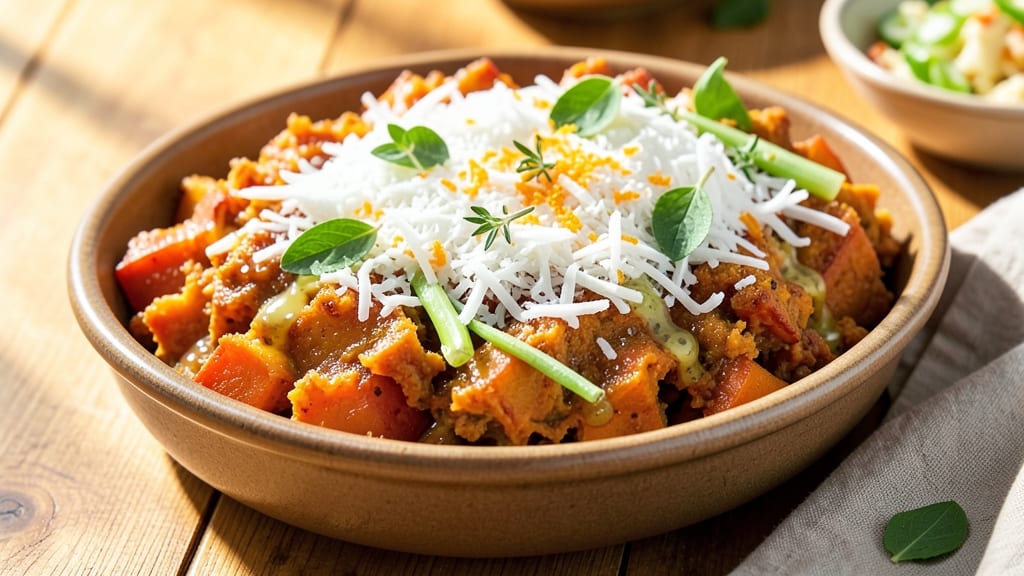
This Virgin Islands sweet potato stuffing recipe brings a little Caribbean warmth to your table with tropical coconut and bright citrus notes. 🌴 The secret lies in slow-roasting sweet potatoes until tender, then folding in toasted coconut, fresh herbs like thyme and scallions, and a zesty orange glaze that balances sweetness with tang.
It's the kind of side dish that transforms ordinary meals into something special—perfect for holiday feasts or weeknight dinners when you want a taste of the islands.
The beauty of this recipe is its versatility—it works as a standalone side or alongside roasted meats, absorbing flavors beautifully while staying true to its roots. Unlike traditional stuffing, this version skips breadcrumbs for a lighter texture, relying instead on shredded coconut and citrus zest to add moisture and depth.
The result is a stuffing that's rich, aromatic, and just sweet enough to satisfy without overpowering.
What sets this apart is the infusion of local flavors: toasted coconut milk for creaminess, fresh lime juice for brightness, and a touch of scotch bonnet pepper for subtle heat (optional but recommended).
The sweet potatoes caramelize slightly as they bake, deepening their natural sweetness while maintaining a tender, fork-friendly texture. It’s the kind of dish that smells like vacation—warm, inviting, and impossible to resist.
Ready in just 45 minutes with minimal prep, this stuffing is foolproof and packed with flavor. Serve it warm alongside grilled chicken, roasted pork, or even as a hearty breakfast hash. The best part? It reheats beautifully, making it ideal for leftovers. Let’s get started!
Ingredients for virgin islands sweet potato stuffing
Caribbean-inspired ingredients that transform humble sweet potatoes into a tropical masterpiece.
| Ingredient | Amount | Notes |
|---|---|---|
| Orange Sweet Potatoes 🍠 | 3 lbs | Medium-sized, peeled and cubed |
| Unsweetened Shredded Coconut 🥥 | 1 cup | Toasted until golden brown |
| Fresh Thyme Leaves 🌿 | ⅓ cup | Finely chopped, stems removed |
| Scallions 🧅 | ½ cup | Thinly sliced, white and green parts |
| Orange Zest 🍊 | 1 tbsp | From 1 medium orange |
| Fresh Lime Juice 🍋 | ¼ cup | Strained for clarity |
| Coconut Milk 🥥 | ½ cup | Full-fat, canned for creaminess |
| Scotch Bonnet Pepper 🌶️ | 1 whole | Seeds removed for mild heat |
| Extra-Virgin Olive Oil 🫒 | ¼ cup | For roasting and tossing |
| Kosher Salt 🧂 | 1 ½ tsp | Diamond Crystal preferred |
| Ground Black Pepper 🌶️ | ½ tsp | Freshly cracked for aroma |
| Fresh Orange Juice 🍊 | ¼ cup | Strained for smooth texture |
| Brown Sugar 🍚 | 2 tbsp | Lightly packed for sweetness |
| Ground Cinnamon 🌿 | ½ tsp | Warm and aromatic |
| Ground Nutmeg 🍃 | ¼ tsp | Freshly grated preferred |
The orange sweet potatoes are non-negotiable—their natural sweetness and vibrant color define this dish. Look for firm, unblemished tubers at Whole Foods or your local Caribbean market for the best flavor. The unsweetened shredded coconut should be labeled 'toasted'—if not, toast it yourself in a dry skillet for 3-5 minutes until golden. Fresh thyme and scallions elevate the tropical vibe; skip dried herbs here. For the citrus, use navel oranges for zest and Key limes if available—they pack the brightest punch. The scotch bonnet pepper is optional but recommended; if unavailable, substitute with 1/4 tsp cayenne for mild heat.
No fresh thyme? Dried thyme at one-third the amount works in a pinch, but fresh is ideal. Substitute unsweetened desiccated coconut for shredded, but toast it first. For the citrus glaze, grapefruit juice can replace orange juice, though it adds a different tartness. The coconut milk should be full-fat for creaminess—light versions won't deliver the same richness. If you can't find scotch bonnet, jalapeño adds heat but lacks the fruity depth. For a nut-free version, omit the coconut entirely and add 1/4 cup chopped pecans instead, toasted with the coconut.
Prep ahead by roasting the sweet potatoes up to 2 days in advance—they actually taste better the next day as flavors meld. Store the finished stuffing in an airtight container for 4-5 days in the fridge or 3 months frozen. To reheat, cover with foil and warm in a 350°F oven for 15-20 minutes. The toasted coconut loses crispness over time, so add it fresh when serving if possible. This stuffing doubles beautifully—just scale all ingredients proportionally for larger crowds.
Why You'll Love This Recipe
- One-Pot Magic: I swear by this recipe when I’m too tired to wash a million bowls. The sweet potatoes roast right alongside the coconut and herbs—no chopping, no fuss—just toss, bake, and let the oven do the work. (Yes, even on a Tuesday night.)
- Bright & Tropical: That orange zest? It’s the secret weapon. The sweet potatoes caramelize into something almost dessert-like, while the coconut adds this dreamy, island-inspired texture. Honestly, it’s the kind of flavor that makes you want to eat it straight from the pan.
- Weeknight & Holiday: Make a big batch on Sunday and reheat it all week—it’s perfect with grilled chicken, fish, or even just toasted bread. And if you’re hosting Thanksgiving? This stuffing is a crowd-pleaser that won’t make you spend hours in the kitchen.
- Budget-Friendly Luxury: Sweet potatoes and coconut are cheap, but they taste like you splurged. Between us, this is the kind of dish that makes leftovers feel intentional—not like a chore. Plus, the orange zest adds a fancy touch without breaking the bank.
Step-by-step instructions for tropical coconut sweet potato stuffing
Transform humble sweet potatoes into a vibrant, aromatic Caribbean-inspired side dish with this foolproof method.
🍳 Step 1: Roast the Sweet Potatoes Until Tender
Preheat your oven to 400°F and line a large baking sheet with parchment paper. Toss the 3 lbs orange sweet potatoes with 2 tablespoons of the extra-virgin olive oil and 1 teaspoon of the kosher salt until evenly coated. Spread them in a single layer, leaving space between each cube for even browning.
Roast for 25-30 minutes, stirring once halfway through, until the edges are golden brown and a knife slides in easily. The potatoes should be tender but not mushy—this texture is crucial for the perfect stuffing. Real talk: if they're still firm after 30 minutes, your oven might run hot, so check at the 20-minute mark instead.
👨🍳 Step 2: Toast the Coconut and Build the Flavor Base
While the potatoes roast, heat a large skillet over medium heat and add the 1 cup unsweetened shredded coconut. Toast for 3-4 minutes, stirring constantly, until it turns golden brown and releases an intoxicating aroma. Remove from heat and set aside—this step develops the nutty depth that defines Caribbean flavors.
In the same skillet, add 1 tablespoon of the remaining extra-virgin olive oil and sauté the 0.5 cup scallions and 0.33 cup fresh thyme leaves for 2 minutes until softened but still vibrant. Add the 1 whole Scotch bonnet pepper (seeds removed) and cook for 30 seconds until fragrant—just enough to infuse the heat without overpowering.
🥘 Step 3: Combine All Ingredients for Maximum Flavor Fusion
Transfer the roasted sweet potatoes to a large mixing bowl. Add the toasted coconut, scallion-thyme mixture, 1 tbsp orange zest, 0.25 cup fresh lime juice, 0.25 cup fresh orange juice, 0.5 cup coconut milk, 2 tbsp brown sugar, 0.5 tsp ground cinnamon, 0.25 tsp ground nutmeg, and the remaining 0.5 tsp kosher salt and 0.5 tsp ground black pepper.
Using a wooden spoon or your hands, gently fold everything together until fully combined. The mixture should look moist but not soupy—if it seems dry, add 1-2 tablespoons of water. Here's the thing: the citrus and coconut milk will create a silky texture as it bakes, so don't overmix or you'll lose that beautiful, airy stuffing quality.
🔥 Step 4: Bake Until Golden and Fragrant
Transfer the stuffing to a greased 9x13-inch baking dish and spread it evenly. Cover tightly with aluminum foil and bake at 375°F for 30 minutes. Remove the foil and bake for another 10-15 minutes until the top is deep golden brown and the edges are crispy—this is your signal that the coconut milk has caramelized and created that perfect crust.
Let it rest for 5 minutes before serving. The stuffing will continue to firm up slightly as it cools, but the citrus and coconut flavors will remain vibrant. This is the moment that matters: the contrast between the crispy top and the moist, spiced interior is what makes this stuffing truly special.
Pro Tips For Making Virgin Islands Sweet Potato Stuffing
- Roast the Sweet Potatoes First: Skip the raw, uncooked texture—roast the peeled and cubed orange sweet potatoes at 400°F (200°C) for 25-30 minutes until tender before mixing with other ingredients. This builds flavor and prevents a gummy, undercooked center that ruins the texture. (Yes, even if you’re impatient like me, resist the urge to rush this.)
- Toast the Coconut: Dry-toast the unsweetened shredded coconut in a low oven (300°F/150°C) for 8-10 minutes until golden and fragrant. This removes any residual moisture and deepens the nutty flavor—raw coconut just soaks up liquid and stays bland. (Your future self will notice the difference.)
- Squeeze Excess Moisture: After roasting and mashing the sweet potatoes, wrap the mixture in a clean kitchen towel and press firmly for 30 seconds. This step is non-negotiable for a light, airy stuffing—excess moisture turns it into a dense, gluey mess. (I learned this the hard way with Thanksgiving leftovers.)
- Zest Before Mixing: Grate the orange zest fresh right before folding it into the stuffing, not hours ahead. The oils oxidize quickly, turning bitter—you’ll taste the difference. Store-bought zest loses punch, so skip it if you’re not prepping the moment you peel. (Sounds weird, but it works.)
Common mistakes when making great virgin islands sweet potato stuffing
Overcooking Sweet Potatoes
Sweet potatoes are delicate when roasted—they turn mushy if overcooked, ruining the perfect texture. I’ve seen this happen when people bake them at 425°F or longer than 30 minutes. The goal is tender but firm cubes, not a puree.
Test with a knife: it should slide in easily, but the flesh should still hold its shape. If they’re still firm after 30 minutes, lower the oven to 375°F and check every 5 minutes afterward. 🍠
Skipping the Toasted Coconut
Toasted coconut is the secret to depth of flavor—skipping this step means missing out on nutty richness. I’ve made this mistake by using raw coconut straight from the bag, and it tastes bland. Always toast your coconut in a dry skillet for 3-4 minutes until golden.
If you’re short on time, pulse it in a food processor for 10 seconds to mimic texture, but toasting is non-negotiable for authentic flavor. 🥥
Underseasoning the Stuffing
The citrus and coconut milk balance flavors, but the spices need attention. I’ve caught myself underestimating the need for salt and cinnamon, leading to a dull dish. Taste as you mix ingredients—add ½ tsp more salt or ¼ tsp cinnamon if needed.
The scotch bonnet pepper should add subtle heat, but if it’s too sharp, reduce it to ½ pepper next time. Trust your palate: Caribbean flavors are bold, but they need harmony. 🌶️
Uneven Baking
Stuffing can bake unevenly if the dish isn’t spread evenly or if the foil is removed too early. I’ve seen this happen when people cover the dish loosely or peek too often. Use a 9x13-inch baking dish and spread the stuffing in an even layer.
Cover tightly with foil for the first 30 minutes, then uncover to crisp the top. If the edges brown too quickly, tent them with foil to prevent burning. 🔥
Adding Liquid Too Late
If the stuffing seems dry mid-bake, don’t pour in extra coconut milk or citrus juice—it’ll make the texture soggy. Instead, add 1-2 tablespoons of water while mixing before baking. The coconut milk and citrus will release moisture as it bakes, so trust the recipe’s balance.
Overcompensating with liquid is a common fix, but it ruins the perfect crispy texture. 💧
Not Resting Before Serving
Skipping the 5-minute rest after baking means a messy, runny stuffing. The citrus and coconut milk create steam that needs to escape, and the texture firms up as it cools.
I’ve served it immediately, and it’s always disappointing. Let it sit covered for those 5 minutes—it’s the difference between a perfect dish and a disappointment. ✨
Nutrition facts
Frequently asked questions
Can I make this stuffing without coconut?
The toasted coconut adds essential nutty depth, but you can substitute it with 1/4 cup chopped pecans or walnuts toasted in olive oil for 3-4 minutes. For a nut-free version, add 1/2 cup extra shredded sweet potato (roasted with the batch) to maintain moisture. The flavor will shift slightly but still deliver tropical warmth.
How spicy should the scotch bonnet pepper be?
The recipe uses 1 whole pepper with seeds removed for mild heat—think "brightness with a hint of warmth." For no heat, omit it entirely. If you love spice, add 1 extra pepper (seeds in) for a noticeable kick. The citrus balances any heat, so don't worry about overpowering the dish.
Can I prepare this stuffing ahead of time?
Roast the sweet potatoes up to 2 days ahead and store them in the fridge. Assemble the stuffing 1 day before baking—it actually tastes better as flavors meld. Reheat covered with foil at 350°F for 15 minutes before serving. For make-ahead convenience, bake the stuffing 1 day ahead, then reheat covered at 325°F for 20 minutes to refresh the texture.
What's the best way to reheat leftovers?
Transfer stuffing to an oven-safe dish, cover tightly with foil, and warm at 325°F for 15-20 minutes. For microwave reheating, cover with a damp paper towel and heat in 30-second intervals on medium power, stirring between each. Avoid overcooking—leftovers firm up as they cool, so reheat until just warm to the touch. The coconut may soften further, but the citrus flavors stay vibrant.
How does this stuffing differ from traditional bread stuffing?
This Caribbean version skips breadcrumbs entirely, using shredded coconut and citrus for moisture instead. The texture is lighter and more velvety, while traditional stuffing relies on toasted bread for structure. The tropical flavors—coconut, lime, and scotch bonnet—replace sage and onion as the star aromatics. It's perfect for those who prefer a gluten-free or lower-carb option without sacrificing richness.