
Side Dishes
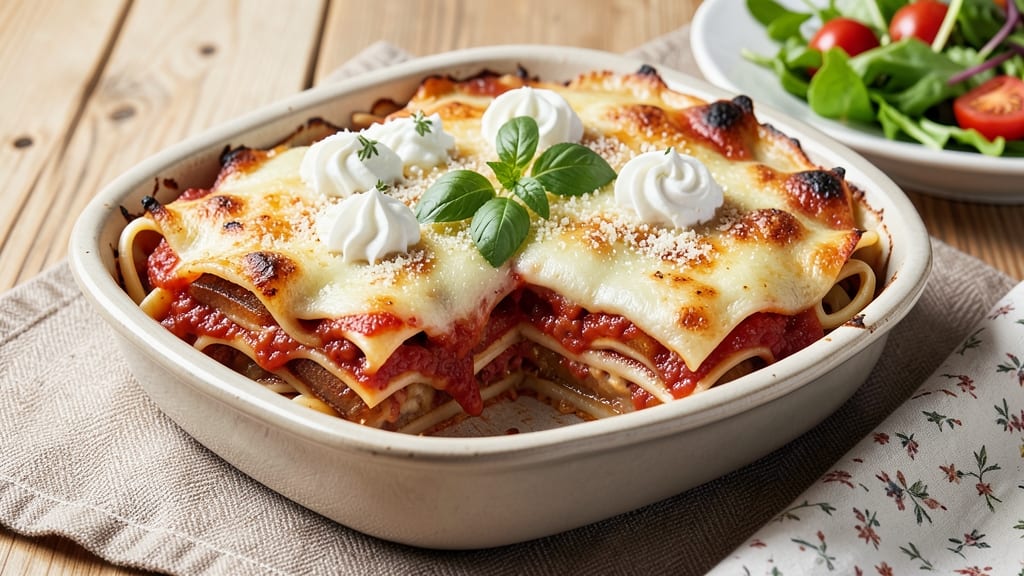
This vegetarian sweet potato lasagna delivers restaurant-quality comfort without meat, using roasted sweet potatoes and nutty ricotta for depth. The key is balancing sweetness with savory ricotta and marinara, creating layers that melt together into one cohesive, hearty dish.
Every bite combines tender pasta, creamy cheese, and caramelized sweet potatoes—proof that vegetarian lasagna can be just as satisfying as the classic version.
The secret to perfect texture lies in roasting the sweet potatoes until tender but not mushy, then mixing them with ricotta for a natural sweetness that complements the tomato sauce.
Pre-cooking the noodles al dente ensures they hold up through baking, while a final sprinkle of mozzarella creates that golden, bubbly crust we all love. This recipe builds layers like traditional lasagna but with a vibrant, slightly sweet twist that feels both familiar and exciting.
What you’ll end up with is a lasagna that’s rich, flavorful, and packed with plant-based protein from the ricotta and sweet potatoes. The roasted sweet potatoes add natural sweetness that balances the acidity of the marinara, while the ricotta provides that signature creamy texture.
It’s the kind of dish that tastes like a hug—perfect for family dinners, potlucks, or meal prep when you want something hearty and nourishing.
For extra richness, add a drizzle of balsamic glaze before serving, or swap regular ricotta for a tofu ricotta blend for a vegan option. The structure stays true to classic lasagna while celebrating the natural sweetness of sweet potatoes in every layer. Let’s get baking!
Ingredients for vegetarian sweet potato lasagna
Sweet potatoes, ricotta, and layers of comfort—this vegetarian lasagna delivers restaurant-quality flavor without meat.
| Ingredient | Amount | Notes |
|---|---|---|
| Large Sweet Potatoes 🍠 | 2 ½ lbs | Peeled, cubed evenly (about 2 inches) |
| Ricotta Cheese 🧀 | 2 cups | Full-fat for creaminess (or tofu ricotta for vegan) |
| Lasagna Noodles 🍝 | 12 whole | No-boil or pre-cooked al dente |
| Marinara Sauce 🍅 | 3 cups | Homemade or quality jarred (San Marzano preferred) |
| Part-Skim Mozzarella Cheese 🧀 | 2 cups | Shredded fresh (low-moisture works too) |
| Parmesan Cheese 🧀 | ½ cup | Freshly grated from block |
| Garlic Cloves 🧄 | 4 cloves | Minced for ricotta mixture |
| Olive Oil 🫒 | 2 tbsp | Extra-virgin for roasting |
| Salt 🧂 | 1 ½ tsp | Kosher or sea salt |
| Black Pepper 🌶️ | ½ tsp | Freshly ground preferred |
| Nutmeg 🌿 | ¼ tsp | Freshly grated for warmth |
| Fresh Basil Leaves 🌿 | ¼ cup | Chopped for garnish |
| Balsamic Glaze 🍷 | ¼ cup | Optional drizzle for serving |
The sweet potatoes are the star here, so grab firm, vibrant orange ones—the deeper the color, the sweeter the flavor. Trader Joe's and Whole Foods usually carry the best for roasting. For the ricotta, full-fat is key (none of that watery stuff)—Galbani is my go-to, but any good brand works. If you're making this vegan, tofu ricotta blends (like Violife) mimic the texture perfectly. The lasagna noodles? No-boil saves time, but if you're using regular, cook them just shy of al dente—they'll finish in the oven.
No ricotta? Cottage cheese blended smooth works in a pinch, though it's not the same. Short on mozzarella? Fontina or provolone add great flavor. The marinara can be jarred (I won't judge)—just check for no added sugar. For extra depth, sauté the garlic in olive oil with a pinch of red pepper flakes before mixing into the ricotta. The balsamic glaze is optional but adds that restaurant-quality finish—Trader Joe's has a great one that's sweet and tangy without being cloying.
Roast the sweet potatoes first—they'll soften beautifully while you layer everything. This lasagna tastes even better the next day, so make it ahead and refrigerate. Keeps for 4 days in the fridge, freezes for 3 months. I always bake an extra pan—leftovers reheat perfectly for lunches. For serving, a sprinkle of fresh basil and that balsamic glaze? Total game-changer.
Why You'll Love This Recipe
- Sweet Potato Swap Wins: I swear by this trick—roasting those sweet potatoes first makes them silky and caramelized, so you’re not stuck with mushy layers. No peeling, no fuss, just slice, roast, and layer like a pro.
- Ricotta Magic: That creamy ricotta layer? It’s the secret weapon. Mix it with a pinch of nutmeg and black pepper, and suddenly your lasagna has this cozy, almost dessert-like richness. (Yes, even my kids fight over it.)
- Leftovers That Last: This thing reheats like a dream—crispy top, gooey cheese, no dry edges. I’ve packed it for lunches all week, and it’s still delicious. Bonus: the sweet potatoes stay tender, so no sad, gummy leftovers.
- Budget-Friendly Feast: Sweet potatoes stretch further than butternut squash, and ricotta is cheaper than pricey vegan cheeses. For under $10, you feed four with layers that feel indulgent. My wallet and my family thank me every time.
Step-by-step instructions for vegetarian sweet potato lasagna
Let's build this hearty, plant-based lasagna with layers of roasted sweet potatoes and creamy ricotta.
🔥 Step 1: Roast the Sweet Potatoes Until Caramelized
Preheat your oven to 400°F and line a large baking sheet with parchment paper. Toss the 2.5 lbs cubed sweet potatoes with 2 tablespoons olive oil and 1 teaspoon salt. Spread them in a single layer, leaving space between each cube for even browning.
Roast for 30-35 minutes, stirring halfway through, until the edges are deep golden brown and the potatoes are tender when pierced with a fork. The caramelization will add natural sweetness that balances the savory ricotta layers. Let them cool slightly before using.
👨🍳 Step 2: Prepare the Nutty Ricotta Mixture
In a mixing bowl, combine the 2 cups ricotta cheese, 4 cloves minced garlic, 0.5 teaspoon black pepper, 0.25 teaspoon nutmeg, and 0.5 teaspoon salt. Mix gently with a wooden spoon until just combined—don't overwork it or the ricotta will get grainy.
This is where the warmth comes in. The nutmeg and garlic infuse the ricotta with depth, while the slight saltiness helps balance the sweet potatoes. If using tofu ricotta, drain it well first to prevent a watery lasagna.
🥘 Step 3: Assemble the Lasagna Layers
Spread 1 cup marinara sauce on the bottom of a 9x13-inch baking dish. Arrange 4 lasagna noodles (no-boil or pre-cooked) to cover the bottom, slightly overlapping if needed. Spread half of the ricotta mixture evenly over the noodles, then add half of the roasted sweet potatoes.
Repeat with another 1 cup marinara sauce, remaining 4 noodles, remaining ricotta, and remaining sweet potatoes. Top with the final 1 cup marinara sauce and sprinkle 2 cups part-skim mozzarella evenly over the top. Cover loosely with foil.
🔥 Step 4: Bake Until Bubbly and Golden
Transfer the lasagna to the preheated 375°F oven and bake for 35-40 minutes until the cheese is bubbly and golden. Remove the foil for the last 5 minutes to ensure the top browns properly. The edges should be crisp while the center remains creamy.
Real talk: Your oven might run hot, so start checking at the 30-minute mark. The lasagna is done when the cheese is fully melted and the noodles are tender. Let it rest for 10 minutes before slicing—this prevents a runny mess.
🍽️ Step 5: Garnish and Serve Warm
Sprinkle the 0.5 cup grated parmesan cheese and 0.25 cup chopped fresh basil leaves over the top. Drizzle with 0.25 cup balsamic glaze just before serving for a touch of sweet-tangy contrast. Cut into squares and serve immediately with a side salad or crusty bread.
The first bite should deliver creamy ricotta, tender sweet potatoes, and rich marinara all in one forkful. Each layer should be distinct yet harmonious—no soggy noodles or dry cheese here. Enjoy this comforting vegetarian lasagna that feels indulgent without the meat.
Pro Tips For Making Vegetarian Sweet Potato Lasagna
- ROAST SWEET POTATOES UNTIL TENDER: I learned this the hard way—slicing raw sweet potatoes into lasagna layers leads to a soggy mess. Roast them whole at 400°F (200°C) for 45-50 minutes first, then slice. The texture holds up better, and they caramelize just enough to add depth without turning to mush.
- SALT THE RICOTTA LIKE PASTA WATER: Ricotta’s blandness disappears when you treat it like you would pasta water. Mix in ½ teaspoon of salt per 8 ounces (225g) of ricotta, plus a splash of whole milk to loosen it up. This makes the ricotta layer actually taste like something instead of a neutral filler.
- DON’T OVERMIX THE LAYERS: I used to press down on each lasagna layer like I was making a parfait, but that crushes the noodles and turns the dish into a dense brick. Assemble loosely—just tuck the edges in—and let the cheese melt into the gaps. The result? Flaky, restaurant-quality layers instead of a compacted block.
- COVER WITH FOIL FOR 20 MINUTES FIRST: Skipping the foil step is how you end up with a dry top layer. After the initial 25 minutes in the oven, tent the lasagna with foil and bake another 20 minutes. This traps steam, keeps the ricotta creamy, and guarantees the mozzarella melts evenly—no crispy crust at the expense of the rest.
Storing and reheating this recipe
Refrigerator Storage
This lasagna tastes even better the next day, so store leftovers in an airtight container (I love Glasslock containers) for up to 4 days. Let it cool completely before sealing to prevent condensation.
The flavors meld beautifully overnight, with the sweet potatoes absorbing the marinara's acidity and the ricotta developing deeper nutty notes. 💛
Freezer-Friendly Layers
For long-term storage, freeze the assembled (but unbaked) lasagna in a 9x13-inch freezer-safe dish or wrap tightly in plastic wrap followed by foil. Label with the date—it keeps for 3 months without texture loss.
When ready to bake, thaw overnight in the fridge, then add 10 extra minutes to the baking time (cover with foil the whole time).
Stovetop Reheating
For the best texture, reheat individual portions in a skillet over medium-low heat with 2 tablespoons water or broth to prevent drying. Cover and heat for 10-12 minutes, stirring occasionally, until bubbly.
The stovetop method preserves the creamy ricotta and tender sweet potatoes better than the microwave. Add fresh basil after reheating for that restaurant-quality finish. 🔥
Microwave Method
If you're short on time, microwave 1-2 slices at a time on 50% power for 1-2 minutes, covered with a damp paper towel. Stir halfway through to redistribute moisture.
The microwave can make the ricotta layer slightly rubbery, so I only recommend this for quick lunches—not for reheating the whole lasagna. 💡
Oven Refresh
For a whole lasagna, preheat the oven to 350°F, cover with foil, and bake for 20-25 minutes until heated through. The oven method is ideal for reheating a large batch—just check the internal temperature reaches 165°F.
Sprinkle extra mozzarella on top during reheating for a crispy finish. This works especially well for meal prep lunches all week. ✨
Nutrition facts
Frequently asked questions
Can I make this lasagna vegan?
Swap the ricotta for a tofu ricotta blend (like Violife) and use vegan mozzarella and parmesan. For extra richness, add 1 tablespoon nutritional yeast to the tofu ricotta mixture. The sweet potatoes and marinara will still shine while keeping the dish completely plant-based.
Why do my sweet potatoes turn mushy?
Over-roasting or cubing them too small causes mushiness. Stick to 2-inch cubes and roast at 400°F for 30-35 minutes—they should be tender but still hold shape. For extra insurance, pat them dry before roasting to remove excess moisture.
Can I use regular potatoes instead?
Not recommended! Sweet potatoes have natural sweetness that balances the savory ricotta, while regular potatoes would make the lasagna taste starchy and flat. If you must, try purple sweet potatoes for a deeper flavor, but stick with orange for classic sweetness.
How do I prevent soggy noodles?
Use no-boil lasagna noodles or pre-cook regular noodles just until al dente (they'll finish in the oven). Spread sauce thinly between layers and avoid overloading with ricotta. The foil cover during baking traps steam, so remove it for the final 5 minutes to crisp the top.
What's the best way to reheat leftovers?
For best texture, cover with foil and reheat at 350°F for 20-25 minutes until bubbly. Microwave in 50% power for 1-2 minutes per slice (cover with a damp towel). Stovetop is ideal: heat in a skillet with 2 tbsp water over medium-low for 10-12 minutes.