Side Dishes
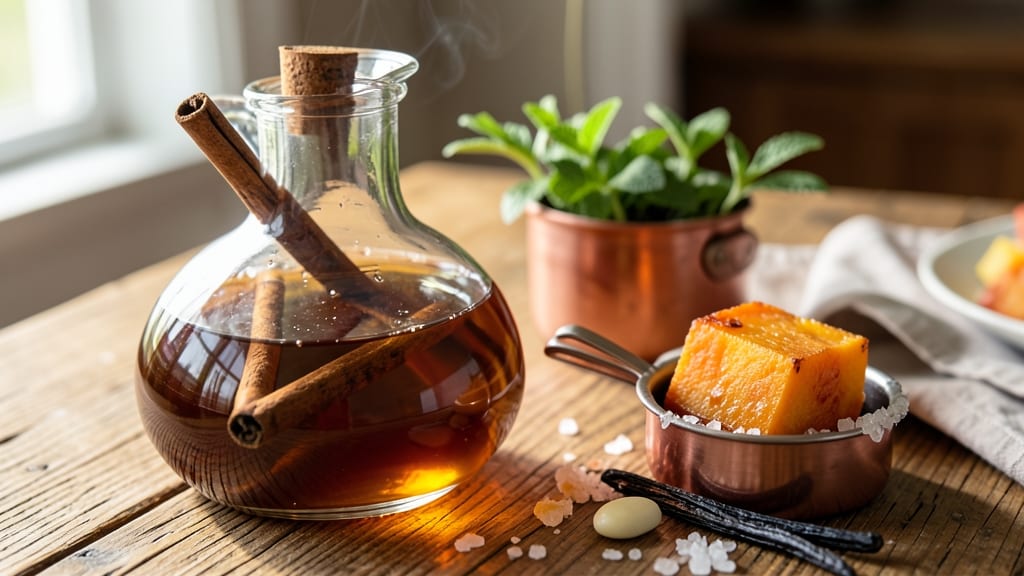
This sweet potato whiskey recipe transforms humble sweet potatoes into a complex, boozy elixir with deep caramel and warm vanilla undertones—perfect for sipping or crafting cocktails. The process begins with mashing and fermenting sweet potatoes, then carefully distilling (or aging) to develop those signature whiskey notes.
Safety is critical here, so we’ll cover proper techniques to ensure a smooth, flavorful result every time.
The secret lies in the caramelization during fermentation and the vanilla-like depth that emerges during aging. Unlike traditional whiskey, this recipe skips grains entirely, relying instead on the natural sugars and starches in sweet potatoes for a uniquely smooth, slightly sweet profile.
This makes it an exciting project for home distillers or those interested in small-batch spirits.
By the end, you’ll have a rich, amber-colored whiskey with a velvety texture and layers of flavor—think caramel, oak, and a hint of spice. It’s ideal for sipping neat, on the rocks, or as the star of whiskey cocktails like a sweet potato old-fashioned.
The best part? You control the flavor from start to finish, ensuring a product tailored to your taste.
Important note: Alcohol production requires adherence to local laws. This recipe is for educational purposes only—always research regulations in your area before proceeding. Let’s get started on crafting your homemade whiskey!
Ingredients for sweet potato whiskey
Four pounds of sweet potatoes kickstart this whiskey's caramelized soul—plus yeast, oak, and vanilla for depth.
| Ingredient | Amount | Notes |
|---|---|---|
| Orange Sweet Potatoes 🍠 | 4 lbs | Organic preferred, peeled and cubed |
| Granulated Sugar 🍚 | 2 cups | White or organic cane sugar |
| Active Dry Yeast 🍞 | ¼ oz | Or 2 packets instant yeast |
| Distilled Water 💧 | 4 cups | Filtered or spring water |
| Vanilla Extract 🌿 | 1 tbsp | Pure Madagascar bourbon vanilla |
| Cinnamon Sticks 🌰 | 4 whole | For fermentation aroma |
| Oak Chips 🌳 | 1 cup | Food-grade for aging |
| Unsweetened Almond Milk 🥛 | 1 cup | For fermentation starter |
| Caramel Color 🍬 | 1 tsp | For amber hue |
| Kosher Salt 🧂 | ½ tsp | For fermentation balance |
| Lemon Zest 🍋 | 1 tsp | Brightens flavor profile |
| Activated Charcoal ⚫ | 1 tbsp | For clarity, optional |
The sweet potatoes are non-negotiable—orange varieties have the perfect sugar-to-starch ratio. Local farmers markets often have organic ones at peak season, or grab the pre-peeled bags at Whole Foods for convenience. Look for firm, unblemished tubers—those bruises turn to muddy flavor during fermentation. The yeast should be freshly opened (check the expiration date—old yeast equals weak whiskey). For the oak chips, Burlap & Barrel sells food-grade ones perfect for home distilling, but any quality oak will work.
No vanilla extract? Vanilla bean paste works too—just add a scraped pod. Running out of almond milk? Oat milk or even water will do, though the fermentation might take slightly longer. Want more caramel flavor? Add 1 tbsp molasses to the sugar. The cinnamon sticks can be swapped for cinnamon powder at half the amount, but sticks infuse better. If you're aging in a glass carboy, sterilize it first—no one wants wild yeast crashing the party. And the charcoal? Only add it if your whiskey looks cloudy after aging—it's optional but makes a noticeable difference in clarity.
Store your sweet potato mash in the fridge for up to 3 days before fermentation—it needs time to develop those caramel notes. The yeast mixture keeps for 1 week in the fridge if you're prepping ahead. Once distilled, your whiskey will age beautifully for 6-12 months in a cool, dark place—just keep it away from strong odors. I like to label my bottles with the date so I can track the aging process. And remember: patience is key—the longer it ages, the smoother it becomes.
Why You'll Love This Recipe
- Pantry-Friendly Ferment: I’ll be real—this starts with five ingredients you’re already buying. No specialty trips, no hunting for obscure yeast. Just peel, slice, and let the sweet potatoes and sugar do the work while you sip your morning coffee.
- Whiskey in Weeks: That vanilla-kissed depth? It builds over time, but the magic happens in under 10 minutes of active prep. No babysitting—just let yeast and sugar work their charm while you handle the rest of your day.
- Holiday Crowd Winner: Serve it neat in tiny glasses at your Thanksgiving table or batch it for gifts. The caramel notes from the orange sweet potatoes make it feel fancy, but your guests will just think, “Wow, this is easy to drink.”
- Zero-Waste Stash: The leftover mash? Perfect for pancakes or pie filling. And if you ferment extra, you’ve got backup for next month’s BBQ—no sad, forgotten jars here. Budget-savvy and actually useful.
Step-by-step instructions for sweet potato whiskey fermentation
Transform humble sweet potatoes into a rich, caramelized whiskey base with deep vanilla notes.
Create the Sweet Potato Mash for Fermentation
In a large stockpot, combine the 4 lbs peeled and cubed orange sweet potatoes with the 4 cups distilled water. Bring to a boil over medium-high heat, then reduce to a simmer for 20-25 minutes until the sweet potatoes are fork-tender and easily pierced with a knife. Drain thoroughly in a colander, pressing gently to remove excess moisture.
Transfer the cooked sweet potatoes to a food processor and pulse until you achieve a smooth, thick purée—think of it like mashed potatoes but without any lumps. This texture is crucial for even fermentation. Taste a small spoonful; you want a balance of sweetness and earthiness. If it tastes too mild, add 1-2 tablespoons of the reserved cooking liquid to adjust consistency.
Build the Fermentation Starter with Yeast and Aromatics
In a sanitized fermentation vessel (I use a 1-gallon glass jar with an airlock), combine the sweet potato purée with the 2 cups granulated sugar, 1 cup unsweetened almond milk, 1 tbsp vanilla extract, 1 tsp lemon zest, and 0.5 tsp kosher salt. Stir vigorously with a wooden spoon until all ingredients are fully incorporated and the mixture is smooth.
Add the 0.25 oz active dry yeast (or 2 packets instant yeast) and the 4 whole cinnamon sticks. The cinnamon will infuse subtle warmth during fermentation. Cover loosely with a clean kitchen towel and let sit at room temperature (70-75°F) for 12-24 hours, stirring once every 6 hours. You'll notice small bubbles forming on the surface—this is your yeast activating and the fermentation beginning.
Add Oak Chips and Activated Charcoal for Depth
After the initial fermentation period, remove the cinnamon sticks and add the 1 cup oak chips and 1 tbsp activated charcoal to the mixture. The oak chips will impart subtle vanilla and spice notes reminiscent of traditional whiskey aging, while the charcoal helps clarify the liquid by binding impurities. Stir well to distribute evenly, then cover again with the towel and let ferment for an additional 48-72 hours. The mixture should develop a frothy head and a slightly tangy aroma.
Check the fermentation progress by tasting a small sample. It should have a caramelized sweetness with hints of vanilla and oak. If the mixture smells overly fruity or yeasty, extend the fermentation time by another 12 hours—this ensures a balanced flavor profile. The goal is a smooth, malty sweetness that will develop into whiskey-like depth.
Strain, Color, and Prepare for Aging
Line a fine-mesh strainer with cheesecloth or a coffee filter and pour the fermented mixture through, pressing gently to extract all the liquid. Discard the solids. In a clean vessel, combine the strained liquid with the 1 tsp caramel color and stir until fully dissolved. This step gives your whiskey that classic amber hue and adds a touch of caramelized sweetness.
Transfer the liquid to sanitized glass bottles or barrels, leaving about 1 inch of headspace to allow for expansion. Seal tightly and store in a cool, dark place (55-65°F) for at least 3 months, though 6 months yields a more refined flavor. The longer it ages, the smoother and more complex the whiskey will become. For best results, age for 6-12 months before bottling.
Pro Tips For Making Sweet Potato Whiskey
- USE COLD WATER FOR YEAST: I learned this the hard way—yeast hates hot water. Mix your sugar and yeast with distilled water that’s no warmer than 75°F (24°C) or you’ll kill it before fermentation even starts. If your kitchen’s toasty, chill the water first.
- PEEL AND GRATE SWEET POTATOES FRESH: Skip the pre-peeled tubers—they oxidize fast and turn bitter. Peel and grate orange sweet potatoes right before adding them to the mix, and rinse the grated pieces under cold water to remove excess starch. This keeps the flavor bright and the texture smooth.
- FERMENT AT 70°F (21°C) FOR 7 DAYS: Consistency matters here. If your kitchen’s too cold, the yeast will take forever; too hot, and it’ll overproof. Use a fermentation chamber or a warm spot (like near the fridge’s back) and check the progress daily. Seven days guarantees a balanced sweetness without over-alcoholizing.
- ADD VANILLA AT THE END: Vanilla extract burns easily in fermentation. Stir it in only during the last 24 hours of aging, or right before bottling. This preserves its delicate aroma and prevents it from turning bitter in the long, slow process. (Yes, it’s annoying to wait, but it’s worth it.)
Flavor customization for this dish
Sweetness Levels
Adjust the sugar content to control sweetness—start with the 2 cups granulated sugar for a balanced profile, but reduce to 1 cup for a drier whiskey or increase to 3 cups for a richer, dessert-like finish.
I’ve found that 1.5 cups creates a perfect middle ground with caramel notes without overwhelming the vanilla. For extra depth, add 1 tbsp molasses to the sugar during fermentation. 🍯
Spice Variations
Swap the 4 cinnamon sticks for 2 star anise pods and 1 tsp coriander seeds for a Middle Eastern-inspired twist, or use ½ tsp cardamom pods for warmth. If you prefer warmth, add 1 tsp ground clove during fermentation—just don’t overdo it, as cloves can dominate.
I like a subtle spice blend: 3 cinnamon sticks + 1 tsp allspice berries for a cozy, baking-spice aroma.
Oak Aging Alternatives
Skip the 1 cup oak chips for a lighter profile, but if you want more oak flavor, try steeping 2 oak chips per 8 oz of whiskey in a clean bottle for 2 weeks before drinking.
For a smoky note, add ½ tsp smoked sea salt during fermentation. I’ve also experimented with applewood chips for a fruity, apple-cider-like undertone—just steep them alongside the oak.
Fruit Infusions
Add ½ cup frozen blackberries or peach slices to the fermentation mix for fruity complexity. Remove them after 48 hours to avoid overpowering the sweet potato base. For a citrusy kick, infuse with 1 orange peel (no pith) during the 72-hour fermentation.
I once added ½ cup cranberries and got a tart, cranberry-whiskey hybrid that worked beautifully in cocktails. 🍇
Smoky Depth
For a smoky profile, lightly char ½ cup pecan halves in a dry skillet until fragrant, then steep them in the whiskey for 1 week before drinking. Alternatively, add 1 tsp liquid smoke (like Coltman’s) to the aged whiskey—just a drop or two goes a long way.
I’ve also used hickory chips during aging for a campfire-like aroma, but pecan gives a sweeter, nuttier smoke.
Herbal Twists
Add 1 tbsp fresh rosemary or thyme sprigs during fermentation for an herbal note, or steep 1 tsp lavender buds in the aged whiskey for 24 hours before bottling. I once infused ½ cup mint leaves and got a mojito-inspired whiskey that’s fantastic in cocktails.
For a floral touch, try 1 tsp dried hibiscus flowers—they add a bright, cranberry-like tartness. 🌿
Nutrition facts
Frequently asked questions
Can I use regular potatoes instead of sweet potatoes?
No, sweet potatoes are essential for this recipe! Their natural sugars and starches create the perfect caramelized depth and smooth whiskey profile. Regular potatoes lack the sweetness and would result in a much flatter, less flavorful spirit. Stick with orange sweet potatoes for the best results—white varieties won't develop the same rich caramel notes.
How do I know when the fermentation is complete?
Fermentation is done when the mixture stops bubbling vigorously and develops a clean, caramel-like aroma (no harsh yeast or fruity smells). Taste a small sample—it should be pleasantly sweet with no alcohol bite. Most recipes need 5-7 days total, but check daily after the first 48 hours. If it smells overly sharp or vinegary, you've over-fermented.
What if I don't have oak chips for aging?
No oak chips? No problem! Use 2-3 oak tea bags (like those used for coffee) or even a clean oak leaf from a grocery store. For a budget option, steep 1 tsp instant coffee granules in the whiskey for 24 hours—it mimics some oak's vanilla notes. Just remember, the whiskey will taste less complex without proper oak aging.
Can I make this whiskey without distillation?
Technically yes, but it won't be true whiskey—more like a strong sweet potato liqueur. Ferment the mixture for 7-10 days**, then strain and bottle. The alcohol content will be 5-8% (vs. whiskey's 40%). For a stronger drink, you'll need to distill it using a proper still. Always check local laws before attempting distillation.
How should I store the whiskey before drinking?
Store your aged whiskey in a cool, dark place (like a pantry) at 55-65°F. Use glass bottles with airtight seals to prevent oxidation. Once opened, keep it refrigerated and consume within 3 months for best flavor. Avoid exposure to light and temperature swings—these can degrade the whiskey's delicate aromas.