
Side Dishes
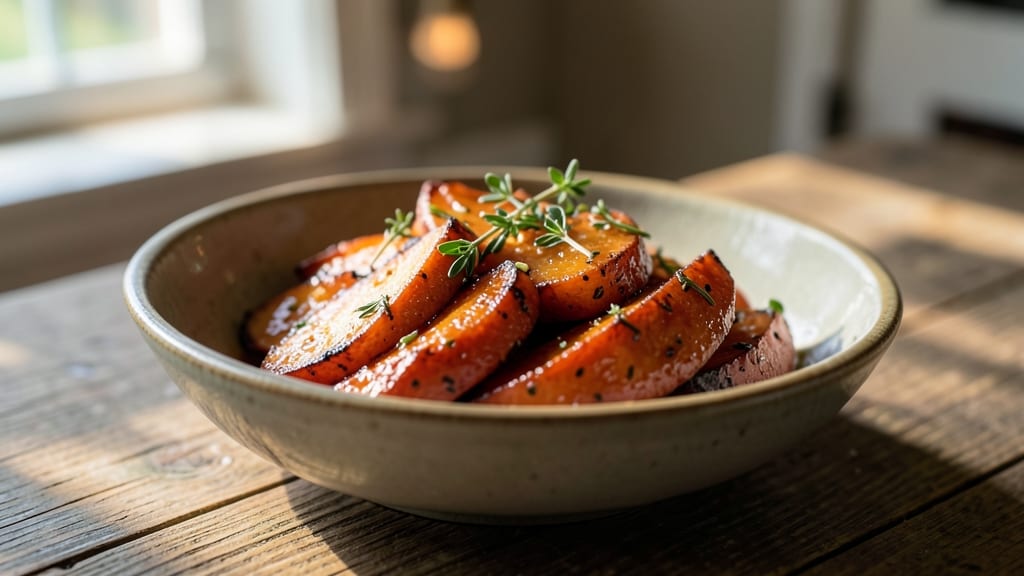
This sweet potato vinegar recipe transforms humble pantry staples into a vibrant glaze that elevates roasted vegetables, grilled meats, and stir-fries with bright acidity and herbal depth.
The process is surprisingly simple: thinly sliced sweet potato vinegar stems ferment in a tangy vinegar brine, developing complex flavors over just 7-10 days—no special equipment required. What starts as a humble vinegar soak becomes a versatile condiment with layers of umami and subtle sweetness.
The magic happens in the balance of ingredients: apple cider vinegar provides the base tang, while garlic, ginger, and fresh herbs infuse the vinegar with aromatic warmth. Unlike store-bought versions, this homemade glaze delivers fresh, vibrant flavors that stay crisp even after refrigeration.
The fermentation process isn't just about preservation—it builds depth, transforming simple vinegar into something rich and restaurant-worthy.
What you'll end up with is a glossy, herb-infused glaze that caramelizes beautifully under the broiler, adding a sticky, savory-sweet crust to roasted dishes. Drizzle it over sweet potatoes, chicken, or tofu for an instant flavor upgrade, or use it as a marinade for tender, flavor-packed meats.
The best part? It keeps for months in the fridge, making it a pantry staple worth repeating.
Perfect for meal prep, holiday sides, or weeknight dinners, this recipe proves that homemade condiments can be just as easy as they are impressive. Let's get started—your taste buds (and dinner table) will thank you.
Ingredients for sweet potato vinegar
Nine ingredients transform simple vinegar into a restaurant-worthy glaze with vibrant herbal depth.
| Ingredient | Amount | Notes |
|---|---|---|
| Sweet Potato Vinegar Stems 🍠 | 1 cup | Thinly sliced, 1/4-inch pieces |
| Apple Cider Vinegar 🍎 | 1 cup | Raw, unfiltered preferred |
| Garlic Cloves 🧄 | 4 cloves | Minced for infusion |
| Fresh Ginger 🌿 | 1 tbsp | Finely grated, peeled |
| Fresh Thyme Leaves 🌿 | ½ cup | Stems removed, loosely packed |
| Fresh Rosemary 🌿 | ¼ cup | Needles finely chopped |
| Honey 🍯 | 2 tbsp | Raw or local preferred |
| Sea Salt 🧂 | ½ tsp | Diamond Crystal preferred |
| Black Peppercorns 🌶️ | ¼ tsp | Crushed lightly |
| Red Pepper Flakes 🌶️ | ¼ tsp | Optional, for heat |
The sweet potato vinegar stems are the heart of this recipe—look for bright green, firm stems at specialty produce markets or well-stocked grocery stores like Whole Foods or Trader Joe's. If you can't find sweet potato vinegar, regular sweet potato leaves work in a pinch, though they'll have a milder flavor. The apple cider vinegar should be raw and unfiltered—avoid pasteurized versions, as they lack the depth of flavor. For the herbs, fresh is non-negotiable—dried thyme or rosemary won't deliver the same aromatic punch. If you're growing your own sweet potatoes, harvest the stems when they're young and tender for the best texture. Store any unused stems in a sealed container in the fridge for up to 5 days before using.
No sweet potato vinegar? Substitute with regular sweet potato leaves at double the amount, though the flavor will be subtler. For a deeper herbal profile, add 1 tbsp fresh oregano or 1 tsp dried oregano to the mix. The honey can be swapped for maple syrup or agave nectar if you prefer a vegan option, though honey adds a subtle complexity. If you're sensitive to heat, omit the red pepper flakes entirely—smoked paprika at half the amount adds warmth without spice. The garlic and ginger can be adjusted to taste: double the garlic for more punch or reduce the ginger if you dislike its sharpness. For a smoother finish, blend the infused vinegar after fermentation for 30 seconds to emulsify the herbs.
This glaze develops best over 7-10 days of fermentation, but it's ready to use anytime after 3 days for a milder flavor. Store in an airtight glass jar in the refrigerator, where it will keep for up to 6 months. The flavor actually improves with time, so make a large batch—it's perfect for drizzling over roasted vegetables, grilled meats, or even as a marinade. To use, simply shake or stir the jar before drizzling, as the herbs will settle. For a glossy finish, broil the glaze for 1-2 minutes after applying it to roasted dishes. Freeze portions in ice cube trays for easy single-use servings, though the texture may separate slightly upon thawing.
Why You'll Love This Recipe
- Pantry Magic: The vinegar’s sharp tang and sweet potato’s earthy bite cut through rich dishes—no fancy prep, just chop and steep. Honestly, I keep a jar in my fridge for emergencies (read: lazy nights with takeout).
- Garlic-Ginger Punch: That first sip? Bright, zesty, with just enough heat from the ginger and garlic to wake up any meal. I’ll be real: it’s the secret weapon in my stir-fries and marinades—no one guesses it’s this simple.
- Meal Prep MVP: Drizzle it over roasted veggies, toss with grains, or use as a quick salad dressing—it lasts weeks in the fridge. Between us, it’s the one ingredient that turns my weeknight dinners from “meh” to “actually good.”
- Budget Brightener: Sweet potato vines grow wild in grocery bins for pennies, and vinegar stretches into endless uses. Took me three tries to nail the balance, but now it’s my go-to for adding depth without breaking the bank.
Step-by-step instructions for sweet potato vinegar glaze
Transform humble vinegar stems into a vibrant, aromatic glaze that elevates roasted dishes with bright acidity and layered herbs.
Prepare the Sweet Potato Vinegar Base
In a medium saucepan, combine the 1 cup Sweet Potato Vinegar Stems and 1 cup Apple Cider Vinegar. Bring to a gentle simmer over medium heat, then reduce to a low boil. Let it cook uncovered for 10-12 minutes until the stems soften and the liquid reduces by about one-third, leaving a concentrated, golden broth. The stems should collapse easily when pressed with a wooden spoon.
This reduction step is critical—it intensifies the natural sweetness of the vinegar while preserving its bright acidity. If the mixture reduces too quickly, lower the heat to prevent scorching. You'll know it's ready when the aroma becomes rich and earthy, with a hint of sweet potato's characteristic nuttiness.
Infuse with Aromatics and Herbs
Add the 4 cloves Garlic Cloves, 1 tbsp Fresh Ginger, 0.5 cup Fresh Thyme Leaves, and 0.25 cup Fresh Rosemary to the simmering liquid. Stir gently to combine, then reduce the heat to low and let the mixture steep for 15-20 minutes. The herbs should float just beneath the surface, allowing their essential oils to infuse without overcooking.
I like to use a wooden spoon here—it won't scratch the pan and helps distribute the herbs evenly. You'll notice the liquid deepens in color and develops a complex, herbal aroma. If the mixture starts to smell overly pungent, reduce the heat further to prevent bitterness from developing.
Balance with Sweetness and Seasoning
Remove the pan from heat and let it cool slightly for 5 minutes. Using a fine-mesh strainer, carefully strain out the infused herbs and garlic, pressing gently with the back of a spoon to extract maximum flavor. Return the strained liquid to the pan and stir in the 2 tbsp Honey, 0.5 tsp Sea Salt, 0.25 tsp Black Peppercorns, and 0.25 tsp Red Pepper Flakes (if using). Simmer gently for 2-3 minutes until the honey dissolves completely.
The honey should integrate smoothly, rounding out the vinegar's sharpness while adding a subtle floral note. Taste and adjust the seasoning—you may need a touch more salt or honey depending on your vinegar's acidity level. The glaze should be vibrant, glossy, and balanced between sweet, tangy, and herbal.
Simmer to Perfect Consistency
Return the glaze to a gentle simmer and cook uncovered for 8-10 minutes, stirring occasionally, until it thickens to a syrupy consistency. You're aiming for a glaze that coats the back of a spoon but isn't so thick it becomes paste-like. If it reduces too quickly, add 1-2 tablespoons of water to maintain the right balance.
This final reduction step ensures the glaze clings beautifully to roasted meats or vegetables. Test the consistency by brushing a small amount onto a plate—it should spread evenly without dripping. Once achieved, transfer the glaze to a clean jar or small saucepan for storage, where it will keep for up to 2 weeks in the refrigerator.
Use Immediately or Store for Later
For immediate use, let the glaze cool completely before brushing it over roasted meats, grilled vegetables, or even drizzling over fresh salads. The glaze works particularly well on pork tenderloin, chicken thighs, or roasted sweet potatoes, where its bright acidity cuts through richness. If storing, let it cool to room temperature before sealing in an airtight container.
When reheating, warm the glaze gently over low heat, stirring occasionally, until it reaches a pourable consistency. Avoid boiling, as this can break down the delicate herbal notes. This glaze is versatile—use it as a finishing touch, a marinade base, or even a tangy dressing for grain bowls. The key is to use it while it's still vibrant, as its flavors mellow slightly over time.
Pro Tips For Making Sweet Potato Vinegar
- Chop Vinegar Stems Thin: Use a sharp knife and cut the stems into paper-thin slices—no thicker than 1/16-inch. Thicker pieces stay chewy and underwhelming, while thin slices soften perfectly in the vinegar and soak up flavor evenly. (Yes, it takes a few extra seconds, but it’s worth it.)
- Bruise Ginger First: Smash the ginger with the flat side of your knife before slicing—this releases the oils and sharpens the flavor without turning the vinegar into a muddy soup. Skip this, and you’ll miss the real zing in every sip.
- Don’t Rush the Steeping: Let the mixture sit at room temperature for at least 4 hours, preferably overnight. The vinegar needs time to marry with the garlic, ginger, and thyme—rushing it means you’ll taste raw garlic instead of a smooth, balanced punch.
- Strain or Don’t: If you hate texture, strain out the solids. If you love depth, leave them in. But if you’re somewhere in between, strain half the batch—you’ll get the best of both worlds without the guesswork. (I usually do this after 12 hours.)
Perfect pairings for this dish
Glazed Roasted Vegetables
This glaze transforms ordinary roasted vegetables into a showstopper. Toss sweet potatoes, Brussels sprouts, or carrots with 1 tbsp olive oil, then drizzle with 2 tbsp of the sweet potato vinegar glaze before roasting at 400°F for 25-30 minutes.
The glaze caramelizes beautifully, creating a glossy crust that balances the natural sweetness of the vegetables. 🌟
Grilled Meats
Use the glaze as a marinade or finishing sauce for grilled chicken, pork, or beef. Brush 2 tbsp of glaze onto pork chops or chicken thighs during the last 5 minutes of grilling at medium-high heat.
The acidity tenderizes the meat while adding a sweet, herbal crust. For extra flavor, add 1 tsp smoked paprika to the glaze before applying. 🔥
Stir-Fry Sauce
Replace traditional soy-based sauces with this glaze in stir-fries. Mix 2 tbsp of the glaze with 1 tbsp sesame oil and toss with bell peppers, broccoli, and tofu.
The tangy-sweet profile cuts through the richness of fried foods perfectly. Garnish with sesame seeds and sliced scallions for extra texture. ✨
Dressing for Salads
Drizzle 1-2 tbsp of the glaze over mixed greens with avocado, cherry tomatoes, and cucumber. Add a pinch of freshly cracked black pepper and a sprinkle of toasted pine nuts for crunch. The glaze adds a bright, herbal note that elevates simple salads to restaurant quality. 🥗
Dipping Sauce
Thin the glaze with 1 tbsp water or apple cider vinegar for a dipping sauce perfect for spring rolls, dumplings, or fries. The balance of sweet and tangy flavors makes it irresistible. Store any leftover glaze in an airtight container for up to 3 months in the refrigerator. 💛
Marinade for Tofu
Marinate firm tofu cubes in ½ cup of the glaze mixed with 1 tbsp soy sauce for 30 minutes before pan-frying or baking. The glaze infuses the tofu with flavor, creating a crispy exterior with a tender interior. Serve with a side of steamed vegetables for a complete meal. 💫
Nutrition facts
Frequently asked questions
Can I use regular sweet potato leaves instead of sweet potato vinegar stems?
Yes, but expect a milder flavor! Sweet potato leaves work in a pinch, though they lack the bright, vinegary complexity of the stems. Use double the amount (2 cups) and add 1 extra sprig of fresh thyme to compensate. The texture will be slightly more fibrous, so strain carefully after simmering.
How do I know when the glaze is fermented enough?
The glaze is ready after 7-10 days in the fridge, but you can use it anytime after 3 days for a milder taste. Look for a golden-amber color and a complex aroma blending sweet potato, vinegar, and herbs. Taste a small amount—it should be tangy with herbal notes, not overly sharp. The longer it ferments, the deeper the flavor!
Can I make this glaze without honey?
Swap the honey for 2 tbsp maple syrup or agave nectar for a vegan option. For a more acidic balance, add ½ tsp lemon juice instead. The glaze will still work, though honey adds subtle floral complexity that's hard to replicate. Test and adjust sweetness to taste.
Why did my glaze turn cloudy or separate?
Cloudiness often means the herbs weren't strained thoroughly or the glaze cooled too quickly. To fix it, gently reheat the glaze over low heat while whisking until smooth. For separation, stir in 1 tsp cornstarch mixed with 1 tbsp water to thicken it back up. Always store in an airtight glass jar to prevent future separation.