Side Dishes
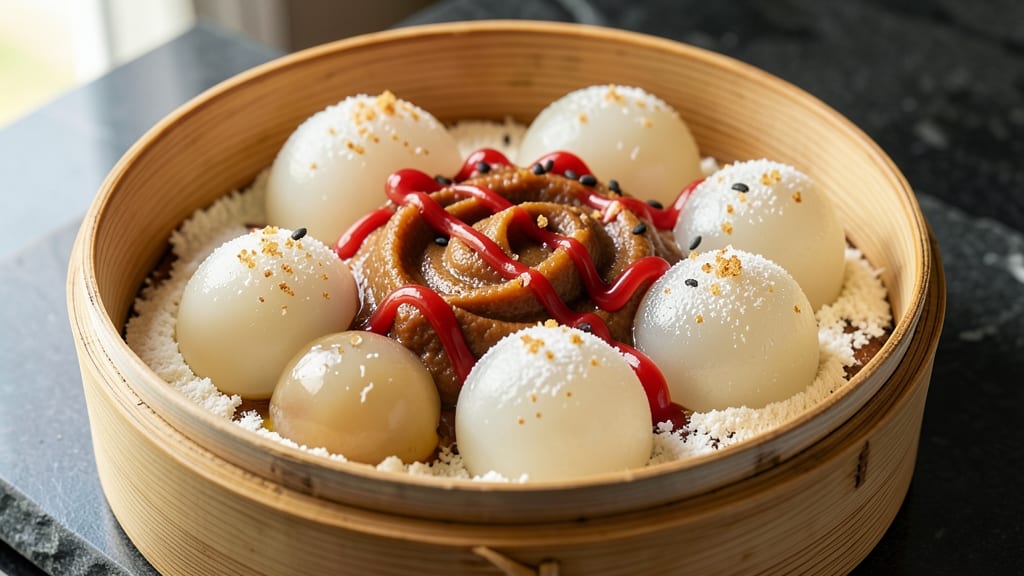
This gluten-free sweet potato tang yuan recipe transforms simple ingredients into pillowy, golden balls that burst with natural sweetness and comforting texture. 💛 The secret lies in balancing glutinous rice flour and water for the perfect dough consistency—neither too sticky nor too dry—while the sweet potato filling stays vibrant and flavorful.
I developed this version after years of perfecting the technique, ensuring every bite delivers that satisfying contrast between tender dough and creamy filling.
The cultural significance of tang yuan runs deep, traditionally symbolizing family unity and prosperity during the Lantern Festival. Here, we modernize the classic with a gluten-free approach that doesn’t compromise on texture or taste.
The dough forms delicate, translucent balls that cook to a delicate chew, while the sweet potato filling—sweetened just enough to complement the natural flavors—adds a vibrant orange hue that’s as beautiful as it is delicious.
This recipe serves as both a nostalgic treat and a modern twist on a beloved tradition.
What makes this recipe truly special is the simplicity of the process combined with the wow factor of the final result. You’ll shape the dough into perfect spheres, boil them gently until they float, and then serve them warm with a drizzle of brown sugar syrup or coconut milk.
The aroma alone—warm sweet potato mingling with caramelized sugar—will have everyone asking for seconds. It’s the kind of dish that feels both comforting and impressive, perfect for celebrations or a cozy night in.
The beauty of this recipe lies in its versatility—you can adjust the sweetness of the filling or experiment with toppings like toasted sesame seeds or a sprinkle of cinnamon.
Whether you’re preparing for a special occasion or simply craving a taste of tradition, these sweet potato tang yuan deliver on both flavor and texture. Let’s get started on creating your own batch of golden, pillowy bliss.
Ingredients for sweet potato tang yuan
Golden gluten-free tang yuan with sweet potato filling—just 12 ingredients for pillowy perfection.
| Ingredient | Amount | Notes |
|---|---|---|
| Glutinous Rice Flour 🌾 | 1 ½ cups | For perfect pillowy texture |
| Sweet Potatoes 🍠 | 1 ½ lbs | Orange-fleshed, peeled and boiled |
| Water 💧 | 1 ½ cups | Room temperature preferred |
| Brown Sugar 🍯 | ½ cup | Light or dark variety |
| Coconut Milk 🥥 | ½ cup | Full-fat for creaminess |
| Salt 🧂 | ½ tsp | Fine sea salt preferred |
| Vanilla Extract 🌸 | 1 tsp | Pure vanilla extract |
| Sesame Seeds 🌰 | 2 tbsp | Toasted for garnish |
| Coconut Oil 🫒 | 1 tbsp | For dusting work surface |
| Cinnamon 🌿 | ¼ tsp | Ground for dusting |
| Cornstarch 🌾 | 2 tbsp | For water bath |
| Honey 🍯 | 1 tbsp | Optional for drizzling |
The sweet potatoes are the star here. Orange-fleshed varieties like Jewel or Garnet give the best vibrant color and creamy texture. Trader Joe's and Asian markets usually carry them pre-peeled, but if you're peeling your own, don't overcook them—they should mash easily. The glutinous rice flour is non-negotiable for that signature chewy yet tender texture. Bob's Red Mill is my go-to brand, but any quality brand will work. Pro tip: Sift it before mixing to avoid lumps—trust me on this one. And if you're worried about gluten, this flour is naturally gluten-free, but always double-check the label.
No coconut milk? Full-fat canned coconut milk works best, but if you're out, Greek yogurt or mashed banana can stretch it—though the flavor will shift slightly. The brown sugar can be swapped for white sugar plus a pinch of cinnamon if that's what you have. For the filling, if your sweet potatoes turn out too dry after boiling, add a splash of coconut milk to the mash. And if you're feeling fancy, add a pinch of cardamom to the filling for an exotic twist. The sesame seeds? Toast them in a dry pan for 2 minutes until golden—they'll taste 100 times better.
These keep beautifully—store the cooked tang yuan in the fridge for 3-4 days submerged in their cooking water (yes, really!). For longer storage, freeze them in a single layer before transferring to a bag for up to 3 months. To reheat, drop them straight into simmering water for 2 minutes. The filling stays vibrant and creamy, while the dough maintains that perfect delicate chew. Make a double batch—they disappear fast, especially when you drizzle them with honey or coconut milk before serving.
Why You'll Love This Recipe
- No-Fuss Dough: I swear by the magic of glutinous rice flour—just mix, roll, and steam. No yeast, no waiting, no stress. The dough comes together faster than I can boil water, and honestly? That’s all it takes.
- Caramelized Sweetness: The moment those sweet potatoes caramelize in coconut milk? Chef’s kiss. Brown sugar adds this deep, molasses-like richness that makes every bite feel like a hug—warm, sticky, and impossible to resist.
- Leftover Hero: These little pockets reheat like a dream—just a quick steam or microwave, and they’re just as good as fresh. I’ve fed a crowd with a single batch, and they disappear faster than my willpower during dessert time.
- Budget Buster: Sweet potatoes are my pantry MVP—cheap, filling, and packed with flavor. A bag lasts weeks, and the rest of the ingredients? Basic staples. This recipe proves you don’t need fancy tools or expensive ingredients for something this satisfying.
Step-by-step instructions for sweet potato tang yuan
Here's how to make these irresistible gluten-free dumplings with perfect pillowy texture!
👨🍳 Step 1: Prepare the Sweet Potato Filling
First, peel and cut the 1.5 lbs sweet potatoes into even chunks. Place them in a pot of boiling water and cook for 15-20 minutes until fork-tender. Drain well and let cool slightly before mashing them into a smooth puree using a potato masher or fork.
In a small bowl, mix the sweet potato puree with 0.5 cup brown sugar, 0.5 cup coconut milk, 1 tsp vanilla extract, and 0.5 tsp salt. The mixture should be thick but still pourable—this is your filling. Here's the thing: don't over-mix, or you'll get lumps that affect the texture of your tang yuan. Taste and adjust sweetness if needed, but remember these are meant to be slightly sweet, not cloying.
👨🍳 Step 2: Make the Glutinous Rice Dough
In a large bowl, combine 1.5 cups glutinous rice flour with 1.5 cups water and 1 tbsp coconut oil. Mix until you have a smooth, sticky dough that pulls away from the sides of the bowl. If it's too dry, add a splash more water; if too sticky, sprinkle in a little more flour.
Here's where it gets fun—knead the dough for 5-7 minutes until it becomes elastic and smooth. I like to use my hands for this, pressing and folding the dough repeatedly. The goal is to develop the gluten just enough to create that signature chewy-yet-pillowy texture. If the dough feels too sticky to handle, wet your hands slightly to prevent sticking.
🥘 Step 3: Assemble and Shape the Tang Yuan
Divide the dough into 16 equal pieces (about 1.5 oz each) and roll each piece into a ball. Use your thumb to poke a hole in the center of each ball, then insert 1 tsp of sweet potato filling through the hole. Gently seal the opening by pinching it shut with your fingers.
Now for the shaping: roll each filled ball between your palms until smooth and round, about the size of a golf ball. Place them on a plate dusted with 0.25 tsp cinnamon—this prevents sticking and adds a subtle flavor. Real talk: the first few might look lumpy, but don't stress. With practice, they'll become perfectly round and uniform.
🔥 Step 4: Cook the Tang Yuan to Perfection
Bring a large pot of water to a gentle boil. Add 2 tbsp cornstarch to the water to create a light, cloudy effect—this prevents the dumplings from sticking together. Gently place 4-5 tang yuan into the boiling water at a time, being careful not to overcrowd the pot.
Cook for 8-10 minutes until the dumplings float to the surface and are opaque and translucent around the edges. They should be tender inside but still hold their shape. Use a slotted spoon to remove them and transfer to a plate. The moment they float is your signal—they're done!
🍽️ Step 5: Serve with Warm Sweet Sauce
In a small saucepan, combine 0.5 cup brown sugar, 0.5 cup water, and 1 tbsp honey. Bring to a simmer over medium heat and cook for 3-4 minutes until the sugar dissolves and the mixture thickens slightly. Remove from heat and stir in 1 tsp vanilla extract. This sauce should coat the back of a spoon—it's the perfect balance of sweet and aromatic.
To serve, gently toss the cooked tang yuan in the warm sauce until evenly coated. Sprinkle with 2 tbsp toasted sesame seeds for a nutty crunch and contrast. These dumplings are best enjoyed warm, with the sauce clinging to the pillowy exterior and the sweet potato filling melting in your mouth. Trust me, the first bite is worth every step!
Pro Tips For Making Sweet Potato Tang Yuan
- Steam at 90% Heat: I learned this the hard way—sweet potato tang yuan need gentle steam to stay intact. Too much heat (like full blast) makes them crack open or turn gummy. Use a pot with a tight lid and keep the heat at medium-low once boiling, or better yet, switch to a steamer basket if your pot gets too hot.
- Boil Sweet Potatoes Soft: Undercooked sweet potato filling is the worst—it stays dense and chewy. Cut potatoes into even 1-inch chunks and boil them until a fork slides in like butter. (Yes, even if they look mushy.) Drain well, mash with a pinch of salt, and let cool before stuffing—warm filling spreads unpredictably.
- Dust Flour, Don’t Wet: I used to add water to the glutinous rice flour mix like a batter, and the tang yuan always turned out dense. Instead, dry-mix the flour with a little brown sugar first, then add water slowly while kneading—just until it holds shape. Think playdough, not pancake dough.
- Use Coconut Milk Sparingly: Sounds weird, but it works: add coconut milk after steaming. The filling absorbs liquid differently when hot, so if your tang yuan are too dry, brush them with a thin coconut milk glaze while warm. Too much upfront makes them soggy—trust the process.
Storing and reheating this recipe
Refrigerator Storage
Store cooked tang yuan in an airtight container submerged in their cooking water for up to 4 days. The cornstarch in the water keeps them from drying out, while the water preserves their delicate texture.
I like to use glass containers with tight-sealing lids to maintain freshness. When ready to serve, simply reheat in the same water over medium-low heat for 3-4 minutes—just until warmed through. 💛
Freezer Storage
For longer storage, freeze uncooked tang yuan on a parchment-lined tray for 1 hour to prevent sticking, then transfer to a freezer bag with 1 inch of headspace. They’ll keep for 3 months this way. When ready to cook, drop them directly into boiling water—no thawing needed!
The filling stays vibrant, though the dough may be slightly firmer after freezing. Cook for 1-2 extra minutes to ensure they’re fully tender. ❄️
Reheating Methods
Stovetop reheating is my preferred method—simmer the tang yuan in their cooking water over low heat for 3-5 minutes until they float again. Avoid high heat, or the dough will toughen. For microwave reheating, place them in a bowl with 1 tbsp water, cover with a damp paper towel, and heat on 50% power for 1 minute. Stir and repeat if needed—this keeps the filling creamy. 🔥
Sauce Refresh Tips
If the brown sugar syrup thickens when stored, thin it with 1 tsp water and reheat until smooth. For extra richness, add ½ tsp coconut milk to the reheated sauce.
I also like to sprinkle a pinch of cinnamon or sesame seeds on top before serving—it adds a fresh contrast to the warm, sweet filling. The sauce should coat the dumplings lightly, not drown them. ✨
Make-Ahead Sauce
Prepare the brown sugar syrup up to 5 days ahead and store it in a small jar in the fridge. Reheat gently before serving—this saves time on busy days. For a no-sauce option, dust the cooked tang yuan with powdered sugar or drizzle with honey right before eating.
The filling’s natural sweetness shines even without sauce, but the syrup is truly the star. 🍯
Nutrition facts
Frequently asked questions
Why does my sweet potato tang yuan dough stick to my hands?
Glutinous rice flour dough is naturally sticky—that's what gives tang yuan their signature texture! Wet your hands slightly with water before handling, and work quickly. If it's too sticky, add a tiny bit more flour (just 1 tsp at a time), but don't overdo it or the texture will suffer. Dusting your work surface with coconut oil or cornstarch also helps prevent sticking.
Can I make the filling ahead of time?
The sweet potato filling keeps well in the fridge for 2-3 days in an airtight container. Reheat gently in the microwave or stovetop before using—just warm it until it's spreadable. For best texture, avoid reheating too aggressively, or the filling may become grainy. The dough, however, should be made fresh for optimal texture.
What if my tang yuan sink while cooking?
Don't worry—they're not necessarily undercooked! The cornstarch in the water creates a gentle cloudiness that can sometimes make them sink temporarily. Give them 1-2 extra minutes and they should float. If they're still sinking after 10 minutes, they might need more cooking time. The key is patience—they'll float when fully done.
How do I adjust the sweetness for kids?
For younger kids, reduce the brown sugar in the filling to 0.35 cup and sauce to 0.3 cup. You can also add ½ cup mashed banana to the filling for natural sweetness. The vanilla extract adds flavor without sugar, so keep that amount the same. Always taste test—kids' preferences vary, but this ratio works well for most little ones!
Can I use regular rice flour instead of glutinous rice flour?
Not recommended! Regular rice flour won't give you that signature chewy-yet-pillowy texture. Glutinous rice flour (also called sweet rice flour) has the unique starch structure needed for these dumplings. If you're gluten-free but can't find glutinous rice flour, try a 1:1 gluten-free flour blend with xanthan gum, but the texture will be different. For authentic results, stick with the real thing!