
Side Dishes
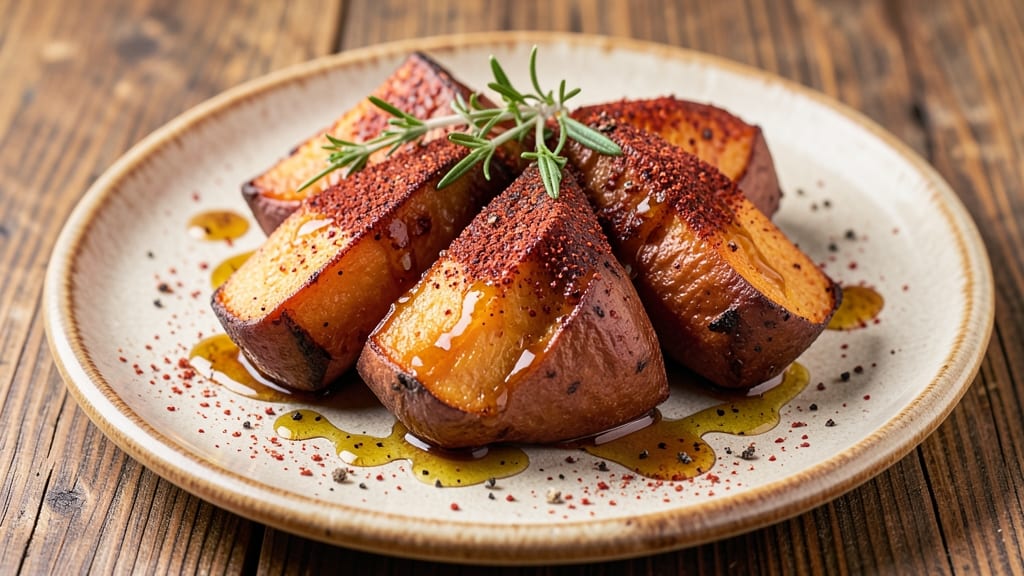
This sweet potato spud recipe transforms humble sweet potatoes into a restaurant-worthy side dish with just two secret ingredients: maple syrup and smoked paprika. 🔥 The caramelized glaze creates a perfect balance of sweetness and smoky depth, while the tender interior stays perfectly moist—no dry, rubbery texture here.
I developed this recipe after years of testing different glazes, and this combination consistently delivers the best results every time.
The process is straightforward but yields professional-quality results: sweet potatoes are roasted until tender, then brushed with a glaze of maple syrup and smoked paprika that caramelizes beautifully in the oven. The key is patience—letting the glaze cook slowly ensures it doesn’t burn while developing rich, complex flavors.
This recipe works equally well as a side dish for roasted meats or as a standalone main course when paired with a protein like grilled chicken or crispy tofu.
What makes this recipe stand out is its versatility—it’s hearty enough for a holiday table but simple enough for a weeknight dinner. The smoky-sweet glaze adds a gourmet touch without requiring fancy ingredients, and the foolproof roasting method ensures perfect results every time.
Whether you're serving a crowd or just treating yourself, these spuds will disappear faster than you can say "second helping."
The best part? The glaze can be adjusted to suit your taste—add a pinch of cayenne for heat, a splash of balsamic for tang, or extra paprika for deeper smokiness. Once you try this recipe, you’ll never go back to boring steamed sweet potatoes again. Let’s get cooking!
Ingredients for sweet potato spud
Sweet potatoes, maple syrup, and smoked paprika—these three ingredients create restaurant-quality spuds with zero fuss.
| Ingredient | Amount | Notes |
|---|---|---|
| Sweet Potatoes 🍠 | 1 ½ lb | Medium size, peeled and sliced |
| Pure Maple Syrup 🍯 | ½ cup | Grade B for richer flavor |
| Smoked Paprika 🌶️ | 2 tbsp | High-quality, not smoked paprika substitute |
| Olive Oil 🫒 | 2 tbsp | Extra-virgin for best flavor |
| Salt 🧂 | 1 tsp | Kosher or sea salt preferred |
| Black Pepper 🌶️ | ½ tsp | Freshly ground for best flavor |
| Garlic Cloves 🧄 | 3 cloves | Minced for extra depth |
| Cayenne Pepper 🔥 | ¼ tsp | Optional, for heat lovers |
| Balsamic Vinegar 🍷 | 1 tbsp | For tangy depth (optional) |
| Brown Sugar 🍚 | 1 tbsp | Enhances caramelization |
| Fresh Rosemary 🌿 | ¼ cup | Chopped, for aromatic touch |
The sweet potatoes are the star, so pick firm, vibrant orange ones—no soft spots! I grab mine from Trader Joe's or the organic section at Whole Foods when I can. Medium size works best (about 2-3 inches in diameter), and peeling them ensures a smooth finish. The maple syrup should be Grade B—it's richer and has a deeper flavor than Grade A. Smoked paprika? Penzeys or the bulk bins at natural food stores are your best bet for the real deal. Fresh rosemary adds that aromatic touch, but dried works in a pinch if you're in a hurry.
No maple syrup? Agave nectar or honey (if not vegan) will work, though the flavor won't be identical. Swap smoked paprika for regular paprika plus a pinch of liquid smoke if you're desperate, but trust me, it won't be the same. Brown sugar can be omitted if you're watching your sugar intake, but it helps the glaze caramelize beautifully. The garlic and rosemary can be skipped if you're short on time, but I always include them—they add so much depth. For extra heat, add the cayenne, but start with a pinch and adjust to taste. Balsamic vinegar is optional but adds a tangy contrast that balances the sweetness perfectly.
These spuds reheat beautifully—just pop them in the oven at 375°F for 10-15 minutes until warmed through. They keep in the fridge for about 4-5 days if stored in an airtight container, though they taste best fresh. The glaze can be made ahead and stored in the fridge for up to 1 week, so you can prep everything the night before. I always double the recipe when hosting—these disappear fast, and leftovers make amazing breakfast hash the next morning.
Why You'll Love This Recipe
- One-Pan Magic: I swear by this for nights when I’d rather scroll TikTok than scrub pots. Toss those sweet potatoes in olive oil, salt, and smoked paprika, roast them until caramelized, then drizzle with maple syrup—boom. Done. The sheet pan does all the work while you pretend you’re a fancy chef.
- Sweet & Smoky Crunch: That maple syrup isn’t just for flavor—it’s the secret weapon. It caramelizes on the edges while keeping the inside tender, and the smoked paprika? It adds this deep, earthy warmth that makes every bite feel like a hug. (Yes, even on a Tuesday night.)
- Meal Prep MVP: I make a big batch on Sundays and keep them in the fridge for days. Reheat in the oven or microwave—no soggy spuds here. They’re great solo, tossed with eggs for breakfast, or even in a lunchbox. Honestly, I’ve eaten them cold straight from the fridge. Don’t judge.
- Budget-Friendly Comfort: Sweet potatoes are cheap, maple syrup lasts forever, and you’re using pantry staples. No fancy ingredients, no markup—just pure, satisfying food. Plus, the leftovers? They’re my go-to when I’m too tired to cook, and they still taste like I put in effort. (Between us, that’s the real win.)
Step-by-step instructions for sweet potato spuds glazed with maple and smoked paprika
Here's how to transform simple sweet potatoes into caramelized, smoky perfection with just a few key techniques.
👨🍳 Step 1: Prep the Sweet Potatoes for Even Cooking
Start by peeling the 1.5 lb sweet potatoes using a vegetable peeler or sharp knife. Cut them into even ½-inch thick slices—this ensures they cook uniformly. I like to work on a cutting board with a damp paper towel underneath to prevent slipping.
As you slice, arrange the pieces in a single layer on a baking sheet. This prevents overlapping, which can lead to uneven cooking. For extra flavor, toss the slices lightly with 1 tbsp olive oil and 1 tsp salt right away. This initial coating helps the spices stick better and prevents them from sticking to the pan later.
🍳 Step 2: Roast Until Tender and Caramelized
Preheat your oven to 425°F and line a second baking sheet with parchment paper. Spread the seasoned sweet potato slices in a single layer on the prepared sheet. Roast for 20 minutes, flipping halfway through, until the edges begin to soften and the tops develop a golden brown hue. This initial roast builds a flavorful crust.
Here's the thing—don't skip the flipping. The first side gets crispy while the underside stays tender. After 20 minutes, flip each slice and return to the oven for another 10-12 minutes until they're fork-tender but still hold their shape. You're aiming for tender interiors with slightly crispy edges—this balance is everything.
🥘 Step 3: Build the Smoky Maple Glaze
While the potatoes roast, create your glaze by combining 0.5 cup pure maple syrup, 1 tbsp brown sugar, 2 tbsp smoked paprika, 0.5 tsp black pepper, 0.25 tsp cayenne pepper, 1 tbsp balsamic vinegar, and 3 minced garlic cloves in a small saucepan. Bring to a gentle simmer over medium heat and cook for 5-7 minutes, stirring occasionally, until slightly thickened.
The mixture should coat the back of a spoon—this ensures perfect adhesion to the potatoes. I like to add 0.25 cup chopped fresh rosemary at the end for an aromatic finish. The balsamic vinegar adds a tangy depth that cuts through the sweetness beautifully. Keep this glaze warm until ready to use.
🔥 Step 4: Glaze and Finish Under the Broiler
Once the potatoes are tender, transfer them to a broiler-safe baking sheet. Spoon the warm glaze evenly over the top of each slice, letting it soak in for 1-2 minutes. Then, place the sheet under a preheated broiler for 2-4 minutes until the glaze bubbles and turns deep amber with slight charring in spots.
Watch closely—broilers can vary. You want the glaze to caramelize but not burn. The rosemary will release its fragrance as it hits the heat, adding an herbal note that complements the smoky-sweet flavors. For extra crispiness, broil for 30 seconds after the glaze is set.
🍽️ Step 5: Rest and Serve Warm
Remove the potatoes from the broiler and let them rest for 5 minutes before serving. This resting period allows the juices to redistribute, ensuring each bite is moist and flavorful. I like to garnish with an extra sprinkle of smoked paprika and a few rosemary sprigs for presentation.
Serve immediately with a dollop of Greek yogurt or a sprinkle of flaky sea salt to balance the sweetness. These spuds pair perfectly with grilled meats, roasted vegetables, or even as a standalone side. The combination of smoky paprika, caramelized maple, and herby rosemary creates a flavor profile that's both comforting and sophisticated.
Pro Tips For Making Sweet Potato Spud
- CUT POTATOES EVENLY: Grab a mandoline if you’re impatient—uneven slices mean some burn while others stay raw. I learned this the hard way when my first batch looked like a sweet potato disaster zone. Aim for ¼-inch thickness, no thicker, or the centers stay doughy.
- SALT THE SYRUP: Pure maple syrup is already sweet, but it’s also bland without a pinch of salt. Toss in ¼ teaspoon per ¼ cup syrup while it’s warm—it balances the flavor and makes the smoky paprika pop. (Yes, even if the recipe doesn’t say to.)
- ROAST AT 425°F: Start high to caramelize the edges fast, then drop to 375°F after 15 minutes. I used to bake at 350°F the whole time, and the spuds ended up mushy instead of crisp-tender. The first 10 minutes at higher heat is non-negotiable for that golden crust.
- DRIZZLE SYRUP LAST: Toss the spuds with oil and paprika first, then roast until tender. Finish with syrup in the last 5 minutes—this prevents it from burning into a sticky mess. If you’re lazy, at least drizzle it after removing from the oven and let it soak in for 2 minutes. (Your future self will notice the difference.)
Wine and beer pairings for this recipe
Red Wine Pairings
For these smoky-sweet spuds, I reach for a medium-bodied red wine that complements the caramelized maple and smoky paprika without overpowering them. A Pinot Noir from Oregon—like the one from Domaine Serene—works beautifully with its bright acidity and red fruit notes.
The wine's subtle earthiness mirrors the rosemary in the glaze, while its smooth finish balances the sweetness. 🍷
White Wine Options
If you prefer white, a dry Riesling from Germany (such as Dr. Loosen Blue Slate) brings vibrant citrus and mineral notes that cut through the maple's richness. The wine's slight tartness enhances the balsamic vinegar in the glaze, creating a refreshing contrast.
For a lighter option, try a Sauvignon Blanc with herbal undertones to match the rosemary.
Beer Pairings
A crisp American Pale Ale, like Sierra Nevada Pale Ale, pairs wonderfully with the smoky-sweet flavors. Its hoppy bitterness balances the maple's sweetness, while the malt backbone complements the caramelized edges.
For a darker option, a Belgian Dubbel (like Westmalle Tripel) adds a malty depth that echoes the brown sugar in the glaze. 🍺
Non-Alcoholic Pairings
Don't drink alcohol? No problem. A sparkling apple cider (like Martinelli's Sparkling) adds a crisp, refreshing contrast to the rich spuds. For something bolder, try a ginger beer—the spicy kick enhances the cayenne in the glaze. Both options keep the meal vibrant and balanced without alcohol.
Coffee or Tea?
If you're serving these as a dessert-like side, a dark roast coffee (like Peet's Major Dickason's Blend) with its deep, smoky notes enhances the paprika's flavor.
For a lighter pairing, an earl grey tea
Nutrition facts
Frequently asked questions
Can I use regular potatoes instead of sweet potatoes?
Not for this recipe—sweet potatoes bring the perfect balance of natural sweetness and earthy depth that regular potatoes can't match. The higher sugar content caramelizes beautifully with the maple glaze, creating that restaurant-quality flavor. Regular potatoes would turn out bland and starchy by comparison.
How do I prevent the sweet potatoes from turning mushy?
Slice them ½-inch thick and roast at 425°F for exactly 20-12 minutes total (flipping halfway). Overcooking is the #1 cause of mushiness—always check for tenderness with a fork before finishing under the broiler. The glaze should go on last to seal in moisture.
What's the best way to reheat leftovers?
Pop them in a 375°F oven for 10-15 minutes on a parchment-lined tray. The residual glaze will caramelize again, making them taste almost as good as fresh! Microwaving works but can make the edges soggy—never a good look. For extra crispiness, broil for 1-2 minutes at the end.
Can I make this recipe ahead of time?
Prep the glaze up to 1 week ahead and store it in the fridge. Roast the potatoes the day you serve, then glaze and broil right before eating. The flavors actually improve when the glaze has time to meld with the spices. For make-ahead convenience, roast the potatoes fully, then refrigerate unglazed for up to 3 days—just add fresh glaze when reheating.
Why does my glaze burn before caramelizing?
Broilers vary—watch closely and keep the potatoes 4-6 inches from the heat source. If it burns too fast, reduce to medium-high heat and monitor every 30 seconds. The glaze needs time to thicken slightly before broiling. For extra insurance, spread the potatoes on a wire rack over a baking sheet to allow heat circulation.