
Side Dishes
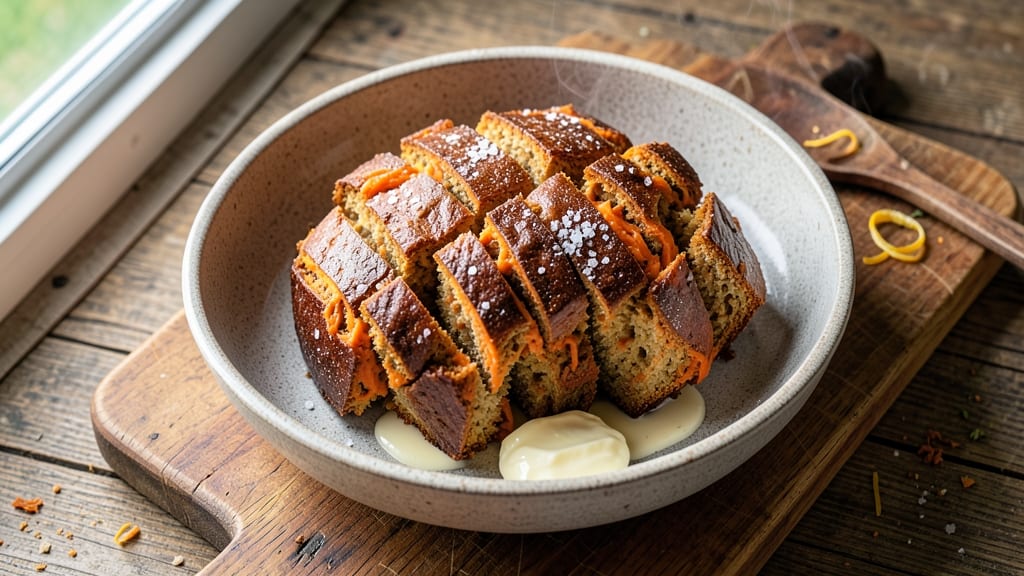
This sweet potato sourdough bread recipe transforms humble ingredients into a loaf with a crispy crust and moist, nutty-sweet interior that rivals artisanal bakeries.
The secret lies in blending sweet potato purée into the dough, which adds natural sweetness and moisture while enriching the flavor profile without overpowering the sourdough tang.
I developed this recipe after years of experimenting with sourdough variations, and the results are worth the extra effort—every slice has that perfect balance of chewiness and crispness.
What makes this recipe stand out is the foolproof method for incorporating sweet potato without compromising texture. The purée replaces some of the water in the dough, creating a tender crumb while the sourdough starter ensures a light, airy rise.
The crust develops a beautiful golden-brown color with just the right amount of crunch, thanks to a simple steam trick during baking. This bread is ideal for breakfast toast, sandwiches, or serving alongside soups—its versatility makes it a staple in any kitchen.
By the time you pull this loaf from the oven, you’ll have a restaurant-quality sourdough with a crispy exterior and a moist, slightly sweet interior. The sweet potato adds a subtle caramelized depth that pairs perfectly with the tangy sourdough flavor, creating a harmonious bite.
The best part? It’s easier than you think, with clear steps for feeding your starter, mixing the dough, and baking to perfection.
The key to success lies in patient fermentation and precise baking techniques. Let the dough ferment at room temperature for several hours, then cold-proof overnight for enhanced flavor development. When baking, a steam bath ensures that crispy crust while keeping the interior tender.
Whether you're a seasoned baker or new to sourdough, this recipe delivers consistent, impressive results every time.
Ingredients for sweet potato sourdough bread
This loaf combines sourdough's tang with sweet potato's caramelized depth for a restaurant-quality crust and tender crumb.
| Ingredient | Amount | Notes |
|---|---|---|
| Active Sourdough Starter 🍞 | ½ cup | 100% hydration, bubbly and active |
| Sweet Potato Purée 🍠 | 1 cup | Homemade or high-quality jarred |
| All-Purpose Flour 🌾 | 4 cups | Bread flour preferred for structure |
| Whole Wheat Flour 🌾 | 1 cup | For added nuttiness and texture |
| Granulated Sugar 🍚 | ¼ cup | Balances sweetness and fermentation |
| Unsalted Butter 🧈 | ½ cup | Cold, cubed for dough enrichment |
| Large Eggs 🥚 | 2 whole | Room temperature for even mixing |
| Active Dry Yeast 🍞 | ½ tsp | Optional, enhances fermentation |
| Diamond Crystal Kosher Salt 🧂 | 1 ½ tsp | Adjusts to taste, enhances flavor |
| Olive Oil 🫒 | 2 tbsp | Extra-virgin for crust crispiness |
| Water 💧 | ¾ cup | Room temperature, filtered preferred |
| Cornmeal 🌽 | ½ cup | For dusting and steam bath |
| Ice Cubes ❄️ | 1 cup | For cold water bath during shaping |
The sourdough starter is non-negotiable—it should be bubbly and active with a slightly tangy aroma. For best results, use a 100% hydration starter fed 12 hours before mixing. King Arthur or Bob's Red Mill flours create the ideal structure, but if you're using all-purpose, add an extra 0.25 cup for chewiness. The sweet potato purée should be smooth and free of lumps; Trader Joe's organic purée works well, but homemade (steamed and blended) delivers superior flavor. For a deeper caramelized note, roast the sweet potato at 400°F for 45 minutes before puréeing.
No bread flour? Substitute all-purpose plus 1 tbsp vital wheat gluten—it mimics the protein structure. The whole wheat flour adds rustic texture; if unavailable, use extra all-purpose but expect a slightly denser crumb. For a less sweet loaf, reduce sugar to 0.125 cup and add 0.25 tsp cinnamon. The cold butter cubes should be peanut-sized—too small and they'll melt prematurely, too large and they won't incorporate. European-style butter like Plugrá has higher fat content for a richer crust. If your yeast is old (over 4 months), test it first in warm water—it should foam within 5-10 minutes.
Store the sourdough starter in a glass jar at room temperature, covered loosely with a clean kitchen towel. It keeps indefinitely but should be fed daily for active use. The sweet potato purée freezes beautifully—portion into ice cube trays for single-use amounts. Once baked, let the loaf cool completely on a wire rack (at least 2 hours) to prevent sogginess. For long-term storage, wrap tightly in plastic wrap and freeze—it reheats perfectly in a 350°F oven for 10 minutes. The crust stays crisp for 3 days at room temperature if stored in a bread box or paper bag.
Why You'll Love This Recipe
- Sweet Potato Shortcut: I’ll be real—this bread uses my sourdough starter without the usual 12-hour wait. Just mix in that smooth sweet potato purée, and boom: ready to bake in under 2 hours. No fancy techniques, just a single feed and go.
- Naturally Sweet Magic: That sweet potato purée adds this unexpected depth—like a cross between a cinnamon roll and artisanal sourdough. The whole wheat flour keeps it hearty, while the sugar just enhances the caramelized edge when toasted. (Yes, even on a Tuesday night.)
- Breakfast to Brunch: Between us, this bread is my lazy weekend hero. Toast it for breakfast, tear it into croutons for salads, or serve slices with jam for a no-fuss brunch. The leftovers? They last days—perfect for when you’re too tired to bake.
- Pantry-Friendly Flex: Honestly, this recipe uses stuff you already have—flour, sugar, and that sweet potato you roasted for dinner. No specialty ingredients, no last-minute grocery runs. Plus, the dough keeps well in the fridge, so I’m always ready for toast or sandwiches without extra effort.
Step-by-step instructions for sweet potato sourdough bread
Master this nutty-sweet loaf with a perfectly crispy crust using precise technique and patience.
Mix the Sweet Potato Dough Base
In a large mixing bowl, combine the 0.5 cup active sourdough starter, 1 cup sweet potato purée, 0.25 cup granulated sugar, and 1.5 tsp diamond crystal kosher salt. Mix until the purée is fully incorporated and the mixture is smooth. This creates the flavor foundation while balancing the sweetness with salt.
Next, add the 2 whole large eggs and 2 tbsp olive oil, mixing until fully combined. The eggs add moisture and structure, while the olive oil contributes to that coveted crispy crust. If the mixture seems too thick, gradually add 0.25 cup of the 0.75 cup water until it reaches a thick batter consistency—similar to pancake batter but slightly stiffer.
Incorporate Flours and Butter
In a separate bowl, whisk together the 4 cups all-purpose flour and 1 cup whole wheat flour. Gently fold this flour mixture into the sweet potato batter using a spatula, mixing just until combined. Avoid overmixing to prevent developing excessive gluten, which would make the bread dense rather than tender.
Cut the 0.5 cup unsalted butter into small cubes and add them to the dough. Use your hands or a dough scraper to work the butter into the dough until it's evenly distributed and the mixture resembles wet sand. The butter should be incorporated but still visible in small pockets—this creates steam during baking for that crispy crust we're after.
Ferment the Dough
Cover the mixing bowl with a damp kitchen towel and let the dough ferment at room temperature for 4-6 hours, or until it has nearly doubled in volume. You'll know it's ready when the dough springs back slowly when poked with a finger and has developed small bubbles throughout. This fermentation step develops the bread's complex flavor and proper texture.
For best results, place the bowl in a warm spot—near a slightly warmed oven with the light on works well. The warm environment encourages even fermentation. If your kitchen is particularly cool, extend the fermentation time by up to 2 hours. The goal is to develop flavor, not just volume.
Shape and Cold Proof
Lightly dust a clean work surface with 0.25 cup cornmeal. Turn out the fermented dough and gently shape it into a round loaf by pulling the edges toward the center. For extra crispiness, create a well in the center and press the butter that may have surfaced back into the dough. Place the shaped loaf on a parchment-lined baking sheet.
Create an ice bath by filling a large bowl with 1 cup ice cubes and adding enough water to cover the bowl. Submerge the baking sheet with the dough in the ice bath for 10-15 minutes, turning occasionally. This cold shock firms up the dough for better shaping and creates that signature crispy crust. The dough should feel firm and springy when done.
Bake to Golden Perfection
Preheat your oven to 375°F with a baking stone or inverted baking sheet on the middle rack. Place the chilled dough loaf on the prepared baking sheet and bake for 45-50 minutes, until the crust is deep golden brown and sounds hollow when tapped on the bottom. The internal temperature should reach 190-195°F when measured with an instant-read thermometer.
For extra crispiness, transfer the loaf to a wire rack and immediately brush the top with melted butter. Let it cool completely before slicing—this allows the crumb to set properly and prevents a gummy texture. The bread will continue to develop its nutty-sweet flavor as it cools, making the wait worthwhile for that perfect first slice.
Pro Tips For Making Sweet Potato Sourdough Bread
- STRAIN THE PUREE: Sweet potato purée is sweeter and smoother when you strain it—no one likes gummy bread. Use a fine-mesh sieve or cheesecloth after roasting, and press out every last drop of liquid. That extra moisture makes the dough more tender and the flavor richer.
- WEIGH YOUR FLOURS: Spoon-and-level flour measurements are a disaster with sourdough. Whole wheat and all-purpose flours pack differently, and your bread will turn out dense or dry if you guess. Use a kitchen scale—100g increments make all the difference, especially when balancing the heaviness of sweet potato.
- DON’T OVERHANDLE THE DOUGH: Sweet potato purée makes this dough stickier than usual, and I used to overwork it trying to fix that. Once you’ve mixed in the purée and starter, fold just until combined—overmixing develops gluten too early, and your bread will end up tough. A few gentle stretches and folds are enough.
- PROOF AT 75°F (24°C): Your kitchen’s warmth isn’t the same as a consistent proof. If it’s below 70°F (21°C), your dough will take forever, and the sweet potato flavor won’t shine. Use an oven with the light on or a proofing box—your dough will rise evenly in 4–6 hours instead of 8+ hours of waiting.
Creative variations of this dish
Spiced Sweet Potato Twist
Add 1 tsp cinnamon and ½ tsp ground ginger to the dough for a warm, aromatic twist that complements the sweet potato's natural caramel notes. I often sprinkle an extra ¼ tsp cinnamon on top before baking for a decorative, flavorful crust.
This variation works especially well when paired with apple butter or mashed sweet potatoes for a cozy breakfast. 🍠
Savory Herb Version
Swap the sugar for 1 tbsp honey and add 2 tbsp finely chopped fresh rosemary or thyme to the dough for a savory-sweet profile. The herbs add an earthy depth that balances the sweet potato's richness.
Brush the baked loaf with garlic-infused olive oil for extra flavor—this version excels with charcuterie boards or alongside roasted meats. 🌿
Pumpkin-Sweet Potato Fusion
Blend ½ cup pumpkin purée with the 1 cup sweet potato purée for a seasonal twist that works perfectly in fall. Add ½ tsp nutmeg and ¼ tsp allspice to enhance the autumnal flavors.
This variation keeps the same crispy crust but adds a deeper, spiced sweetness that pairs beautifully with spiced nuts or whipped cream. 🎃
Cinnamon Swirl Loaf
Create a marbled effect by mixing ½ cup all-purpose flour with 1 tbsp cinnamon and 2 tbsp brown sugar, then swirling it into the dough before shaping. The cinnamon-sugar pockets create pockets of sweetness throughout each slice.
Bake as directed, and finish with a sprinkle of turbinado sugar for extra crunch. This version is a crowd-pleaser for breakfast or dessert. 🍯
Vegan Adaptation
Replace the eggs with 2 tbsp ground flaxseed mixed with 6 tbsp water (let sit for 5 minutes to gel) and use vegan butter instead of regular butter. The texture remains tender, though slightly denser.
Add 1 tbsp apple cider vinegar to the dough to enhance fermentation. This version works beautifully with plant-based spreads or avocado toast. 🌱
Gluten-Free Option
Substitute the flours with a 1:1 gluten-free flour blend (like Bob's Red Mill 1-to-1) and add 1 tsp xanthan gum to improve structure. Reduce the water by 0.25 cup since gluten-free doughs absorb less liquid.
The crust will still be crispy, though the crumb may be slightly denser. This version proves that gluten-free bread can be just as delicious! 💪
Nutrition facts
Frequently asked questions
Why does my sweet potato sourdough bread turn out dense instead of light?
Overmixing the dough develops too much gluten, making the bread dense. Mix just until combined—stop when the flour disappears. Also ensure your sourdough starter is active (bubbly and tangy) and fermented long enough (4-6 hours at room temp). Cold proofing overnight improves texture too.
Can I substitute mashed sweet potato for the purée?
No—mashed sweet potato contains lumps and excess moisture that disrupts the dough's structure. Purée gives a silky texture and even distribution. For best results, use store-bought purée or blend steamed sweet potato until completely smooth. The extra effort prevents a gummy crumb!
How do I know when the dough is properly fermented?
Look for these signs: the dough nearly doubles in size, springs back slowly when poked, and has small bubbles throughout. It should also smell slightly sweet and tangy. If your kitchen is cool, extend fermentation by 1-2 hours—patience develops better flavor!
What's the best way to store leftover sweet potato sourdough?
Wrap the cooled loaf tightly in plastic wrap and store at room temperature for up to 3 days. For longer storage, freeze slices wrapped individually—they reheat beautifully in a 350°F oven for 5-10 minutes. Keep it in a bread box to maintain crispiness!
Can I make this bread without a sourdough starter?
Yes! Replace the starter with 1 packet active dry yeast and 1 cup warm water (110°F). Let it sit for 5 minutes until foamy, then proceed with the recipe. The flavor won't be identical, but you'll still get a delicious, crispy loaf. For best results, try building a starter later!