
Side Dishes
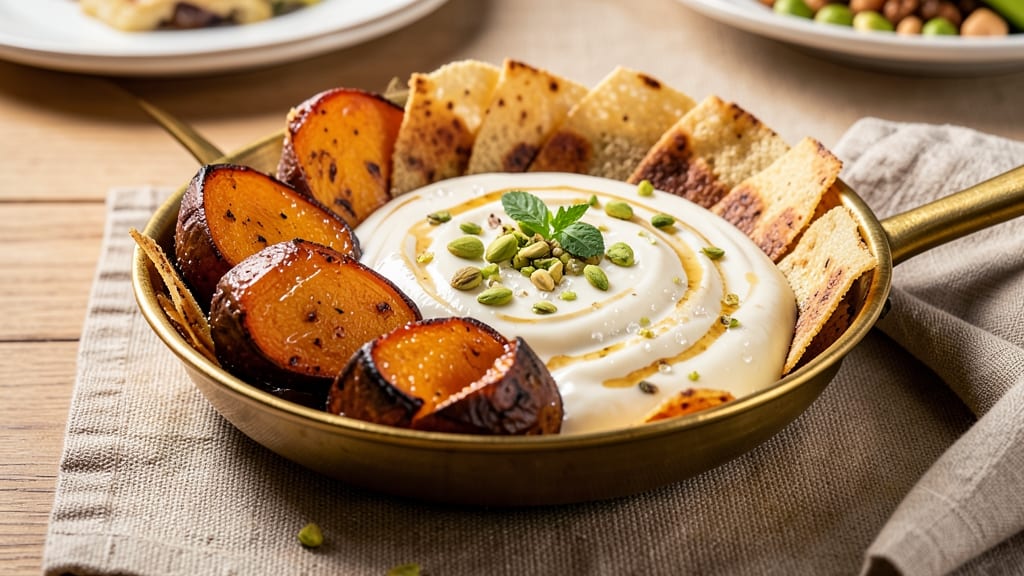
This sweet potato rabdi recipe transforms humble sweet potatoes into a luxurious dessert that feels like a restaurant treat. The secret lies in blending velvety roasted sweet potatoes with silky rabdi—a fragrant yogurt sauce infused with cardamom and sugar—that creates a perfect balance of earthy sweetness and cooling tang.
I first discovered this dish while exploring traditional Gujarati desserts, and it quickly became a family favorite for its simplicity and elegant presentation.
The process begins with perfectly roasted sweet potatoes that develop a caramelized exterior while staying tender inside. These are then blended into a smooth puree, which forms the base of the rabdi.
The yogurt sauce is where the magic happens—simmered milk reduces to a thick, creamy consistency, then sweetened and spiced with cardamom, creating a fragrant aroma that fills your kitchen.
This dish is not just about taste but also about texture, where each spoonful delivers a harmonious blend of creamy, smooth, and lightly spiced flavors.
What makes this recipe truly special is its versatility. Serve it warm or chilled, garnished with crushed pistachios or a sprinkle of saffron for an extra touch of luxury.
The rabdi can also be prepared ahead and stored in the refrigerator, making it perfect for gatherings or when you want to impress guests without spending hours in the kitchen.
The combination of sweet potatoes and cardamom-infused rabdi creates a dessert that feels both comforting and sophisticated, proving that traditional flavors can be both timeless and exciting.
For those looking to add a modern twist, consider infusing the rabdi with flavors like rose water or orange blossom, or topping it with toasted nuts for added crunch.
The key is to maintain the balance between the earthy sweetness of the potatoes and the cooling, aromatic qualities of the rabdi. Whether you're serving it as a standalone dessert or alongside other Indian sweets, this recipe is sure to become a staple in your culinary repertoire.
Ingredients for sweet potato rabdi
Sweet potatoes, velvety yogurt, and cardamom create this luxurious dessert with minimal effort.
| Ingredient | Amount | Notes |
|---|---|---|
| Sweet Potatoes 🍠 | 2 lbs | Medium size, peeled and cubed |
| Plain Yogurt 🧀 | 1 ½ cups | Full-fat, unsweetened |
| Whole Milk 🥛 | 4 cups | For rabdi sauce |
| Granulated Sugar 🍚 | 1 ½ cups | Adjust to taste |
| Cardamom Pods 🌿 | 8 whole | Lightly crushed |
| Ghee 🧈 | 2 tbsp | For roasting sweet potatoes |
| Crushed Pistachios 🥜 | ¼ cup | For garnish |
| Saffron Threads 🌼 | ⅛ tsp | Optional garnish |
| Salt 🧂 | ½ tsp | Kosher or sea salt |
| Vanilla Extract 🌸 | ½ tsp | Optional, for depth |
| Lemon Juice 🍋 | 1 tbsp | Freshly squeezed |
| Heavy Cream 🥛 | ½ cup | For extra richness |
The sweet potatoes are the foundation—look for vibrant orange ones with smooth skin. Indian grocery stores often carry the best varieties, but any medium-sized sweet potatoes work. Peeled and cubed, they roast until caramelized, which balances the rabdi's tangy sweetness. For extra flavor, toss them with ghee and a pinch of salt before roasting. If you can't find ghee, butter or coconut oil works in a pinch, though ghee gives that authentic richness. The yogurt should be full-fat—Greek or Indian dahi if you can find it, but any plain yogurt thickened with a bit of milk will do.
Cardamom is non-negotiable here—it's the aromatic soul of the rabdi. Whole pods are best; crush them lightly to release the oils without turning to powder. No cardamom? Vanilla extract or a pinch of cinnamon adds depth, but it won't be the same. The sugar should dissolve completely, so simmer the rabdi until it thickens to a pudding-like consistency. If you're feeling fancy, a splash of rose water or orange blossom water elevates it to another level. For the pistachios, toast them in a dry pan until fragrant—they should be crushed, not powdered, for that perfect crunch.
Rabdi keeps beautifully—3-4 days in the fridge if stored in an airtight container. The sweet potato puree can be made ahead and reheated gently. If you're prepping for a party, assemble everything except the garnish the day before; the flavors meld overnight. For serving, chill the rabdi for 2 hours before garnishing with pistachios and saffron—the saffron needs time to bloom. Leftovers? Reheat gently with a splash of milk to restore creaminess. This dessert tastes even better the next day, so make extra—it disappears fast.
Why You'll Love This Recipe
- Same base recipe: serve it warm with dinner or chilled in glasses for guests. The milk and sugar adjust easily—no one will guess it’s your lazy-day secret.
- No Boiling Hassle: I peel and roast the sweet potatoes whole—crispy skin, creamy center—while you sip chai. No peeling mountains of cubes or watching water boil over.
- Velvet Smooth Magic: That first sip of cardamom-infused rabdi, where the roasted sweetness melts into yogurt’s tang? It’s like dessert sneaking into your tea time.
- Weeknight & Wedding Guest: Same base recipe: serve it warm with dinner or chilled in glasses for guests. The milk and sugar adjust easily—no one will guess it’s your lazy-day secret.
Step-by-step instructions for sweet potato rabdi
Let's create this creamy, cardamom-infused dessert that balances sweet potato's natural sweetness with silky yogurt perfection.
Roast the Sweet Potatoes Until Caramelized
Preheat your oven to 400°F. Toss the 2 lbs sweet potatoes with 2 tbsp ghee, 0.5 tsp salt, and 0.5 tsp vanilla extract on a baking sheet. Spread them in a single layer so they roast evenly. Roast for 45-50 minutes, turning halfway through, until they're tender when pierced with a fork and have developed golden-brown caramelized edges.
Here's the thing—don't skip the turning. The sweet potatoes will release moisture as they roast, and turning ensures even browning. You'll know they're perfectly done when they yield slightly to gentle pressure and smell naturally sweet. Let them cool completely before processing.
Prepare the Rabdi Base
In a medium saucepan, combine the 4 cups whole milk with the 8 lightly crushed cardamom pods and 1 tbsp lemon juice. Bring to a gentle simmer over medium heat, then reduce heat to low and let it cook uncovered for 15-20 minutes, stirring occasionally, until the milk reduces by about ¼ and becomes slightly thickened.
Watch the milk carefully—it should never boil vigorously. You want it to reduce slowly so the cardamom infuses properly and the milk develops a creamy texture. Strain out the cardamom pods using a fine-mesh sieve and discard them. The milk should now have a beautiful golden hue and a subtle cardamom aroma.
Blend the Sweet Potatoes for Smooth Texture
Once the roasted sweet potatoes are completely cool, transfer them to a food processor or blender. Add 1.5 cups plain yogurt and blend until completely smooth. You might need to scrape down the sides once or twice. Taste the mixture—it should be naturally sweet but not overpowering.
If you prefer a smoother rabdi, strain the blended mixture through a fine-mesh sieve to remove any remaining potato fibers. This step ensures your rabdi will have that restaurant-quality silky texture. Set the sweet potato-yogurt mixture aside while you prepare the rabdi base.
Combine and Sweeten the Rabdi
In a clean saucepan, combine the reduced milk with the sweet potato-yogurt mixture. Stir in 1.5 cups granulated sugar and 0.5 cup heavy cream. Cook over low heat for 10-12 minutes, stirring constantly, until the mixture thickens slightly but remains silky—not lumpy.
This is where the magic happens. The heat should be gentle enough to warm through without curdling the yogurt. You're looking for a consistency that coats the back of a spoon but isn't thick enough to be pudding-like. Taste and adjust sweetness if needed—some sweet potatoes are naturally sweeter than others.
Finish and Garnish for Presentation
Remove from heat and let the rabdi cool slightly. Stir in the 0.125 tsp saffron threads (if using) and let them steep for 5 minutes to infuse their delicate floral aroma. Ladle the rabdi into serving glasses or bowls. Garnish each serving with 0.25 cup crushed pistachios, sprinkled evenly over the top.
Serve immediately while still warm. The contrast between the creamy rabdi and the nutty pistachios creates a perfect balance of textures and flavors. The cardamom's warm spice note complements the sweet potato's natural sweetness beautifully. Enjoy with warm naan or as a standalone dessert!
Pro Tips For Making Sweet Potato Rabdi
- Boil Until Fork-Tender: Sweet potatoes should give up like overripe fruit—press one with a fork after 15 minutes of boiling. If it resists, keep going; mushy is better than undercooked. I learned this the hard way when my rabdi tasted like rubbery sweet potato chunks instead of silky mash.
- Strain the Yogurt: Skip the thick, tangy yogurt from the back of the fridge—strain it for 30 minutes first. The whey makes your rabdi watery, and you’ll end up with a drinkable dessert instead of a creamy one. My grandmother swore by this, and she was right: the texture changes completely.
- Simmer Slow and Low: Rabdi isn’t a race. After adding the milk, keep the heat at a bare simmer—tiny bubbles, no splashing. I used to rush it, and the milk would curdle or the sugar would crystallize. Let it thicken naturally over 15-20 minutes, or you’ll regret the grainy mess.
- Toast the Cardamom: Lightly crush the cardamom pods in a dry pan for 30 seconds before adding them to the milk. The aroma jumps out, and the flavor isn’t just hiding in the background. Sounds weird, but it works: your rabdi will smell like a spice shop, not just a sweet dessert.
Creative variations of sweet potato rabdi
Spiced Orange Rabdi Twist
Infuse the rabdi with 1 tsp orange blossom water or zest of 1 orange while simmering the milk. The citrus brightens the cardamom and balances the sweet potatoes' natural sweetness.
For extra depth, add ½ tsp ground cinnamon with the cardamom pods. Garnish with toasted coconut flakes and a sprinkle of orange zest for a vibrant, aromatic variation. 🌸
Coconut Milk Rabdi
Replace half the whole milk with 2 cups coconut milk for a tropical twist. The coconut's richness enhances the sweet potatoes while keeping the rabdi light. Add ½ tsp grated nutmeg during the final simmer for warmth.
Top with toasted coconut chips and a drizzle of honey. This version works beautifully in warm climates or for those avoiding dairy. 🥥
Chai-Spiced Rabdi
Create a spiced chai-inspired rabdi by adding ½ tsp ground ginger, ¼ tsp cinnamon, and 2 cloves while reducing the milk. The warm spices complement the sweet potatoes perfectly.
For garnish, use crushed almonds and a dusting of powdered sugar. This variation feels cozy and is ideal for fall or winter dessert gatherings. ☕
Mango Rabdi Fusion
Blend in ½ cup ripe mango puree with the sweet potato-yogurt mixture for a fruity twist. The mango's acidity cuts through the richness, creating a refreshing balance. Simmer the rabdi with 1 tsp rose water for floral notes.
Garnish with toasted cashews and a few fresh mango slices. This fusion is perfect for summer or as a refreshing palate cleanser. 🍈
Dark Chocolate Rabdi
For chocolate lovers, stir in ¼ cup melted dark chocolate (60% cocoa) during the final simmer. The deep cocoa enhances the sweet potatoes' natural sweetness without overpowering. Garnish with crushed hazelnuts and a sprinkle of sea salt for a sophisticated contrast. This variation feels decadent but remains balanced. 🍫
Rosewater Rabdi
Elevate the rabdi with 1 tsp rosewater and ½ tsp ground pistachios during the milk reduction. The floral aroma pairs beautifully with the sweet potatoes' earthiness. Garnish with edible rose petals and extra crushed pistachios for an elegant presentation.
This version is ideal for special occasions or when you want to impress guests. 🌹
Nutrition facts
Frequently asked questions
Can I use regular potatoes instead of sweet potatoes?
Sweet potatoes are essential for this recipe—their natural sweetness and creamy texture create the perfect balance with the tangy rabdi. Regular potatoes would make the dish too starchy and less flavorful. If you absolutely must substitute, try orange-fleshed varieties like yams, but expect a slightly different taste profile.
How do I fix rabdi that's too thick or too thin?
If your rabdi is too thick, stir in 2-3 tbsp warm milk gradually until it reaches a smooth, spoonable consistency. For a thinner rabdi, gently heat it over low heat and stir in 1 tbsp sugar at a time until it thickens slightly. The key is patience—never rush the process or it may curdle.
Can I make this rabdi ahead of time?
The rabdi actually tastes better the next day as the flavors meld. Prepare it up to 3 days in advance and store it in an airtight container in the fridge. Reheat gently with a splash of milk to restore creaminess. The sweet potato puree can be made 2 days ahead and stored separately.
What's the best way to serve sweet potato rabdi?
Serve it warm or chilled in small glasses or bowls, garnished with crushed pistachios and a sprinkle of saffron. For a restaurant-style presentation, drizzle with a little ghee or honey. Pair it with warm naan or as a standalone dessert after meals. The contrast of warm bread with cool rabdi makes it extra special!
Why did my rabdi separate or curdle?
This usually happens from overheating or adding sugar too quickly. Always cook rabdi over low heat and stir constantly. If it separates, gently reheat with 1 tbsp milk or yogurt while stirring until smooth. For prevention, strain the sweet potato puree and use full-fat dairy products.