
Side Dishes
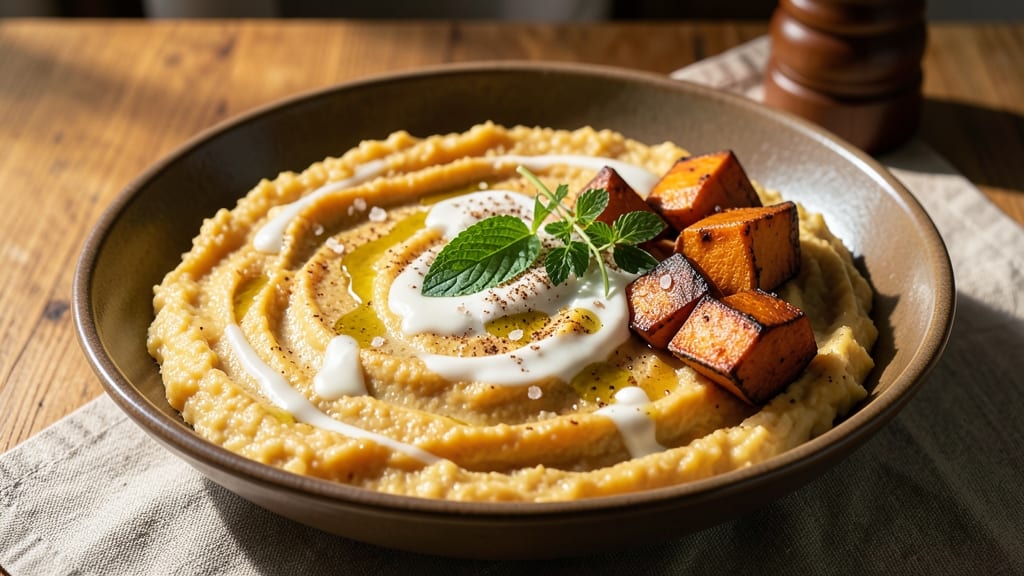
This sweet potato polenta recipe transforms humble polenta into a velvety, nutmeg-kissed side dish with golden crust and tender centers. The secret lies in blending roasted sweet potatoes into the cooking liquid, creating a naturally sweet, creamy texture that feels indulgent yet balanced.
I developed this version after craving a side that was both comforting and nutritious—perfect for autumn meals or as a hearty vegetarian main.
The process is simpler than you'd think: roast sweet potatoes until caramelized, then blend them into warm polenta while it simmers. A pinch of nutmeg and a splash of cream (or dairy-free alternative) elevate the flavor to restaurant-quality levels.
The crust develops beautifully when baked, adding texture that contrasts with the silky interior. This recipe works equally well with dairy or plant-based milks, making it adaptable for any dietary preference.
What you'll end up with is a dish that's rich, slightly sweet, and deeply satisfying—ideal for pairing with roasted meats, grilled vegetables, or even as a base for a loaded polenta bowl.
The nutmeg adds warmth without overpowering, while the sweet potatoes contribute natural sweetness that balances the earthy polenta. It's the kind of side that turns ordinary meals into something special.
Ready in about 45 minutes, this polenta requires minimal effort but delivers maximum flavor. The roasting step can be done ahead of time, making it a great make-ahead option for busy weeknights.
Whether you're serving a holiday feast or a simple weeknight dinner, this recipe promises a side dish that will impress without complicating your menu.
Ingredients for sweet potato polenta
Polenta, sweet potatoes, and nutmeg—three ingredients that create restaurant-worthy comfort.
| Ingredient | Amount | Notes |
|---|---|---|
| Medium Sweet Potatoes 🍠 | 2 whole | Organic preferred, peeled and cubed |
| Polenta (Cornmeal) 🌾 | 1 cup | Fine grind for creamy texture |
| Vegetable Broth 💧 | 4 cups | Low-sodium preferred |
| Heavy Cream (or Coconut Milk for vegan) 🥛 | ½ cup | Full-fat for richness |
| Ground Nutmeg 🌿 | ½ tsp | Freshly grated preferred |
| Salt 🧂 | 1 ½ tsp | Diamond Crystal preferred |
| Olive Oil 🫒 | 2 tbsp | Extra-virgin for roasting |
| Maple Syrup 🍯 | 1 tbsp | For natural sweetness |
| Fresh Thyme Leaves 🌿 | ¼ tsp | Dried works in pinch |
| Parmesan Cheese (optional) 🧀 | ¼ cup | Freshly grated for garnish |
| Toasted Walnuts 🥜 | ¼ cup | For crunchy topping |
Sweet potatoes are the star here, so grab the organic variety if you can—they're sweeter and creamier. I always roast mine at 400°F for 30 minutes until caramelized, then blend into the polenta while warm. For the polenta itself, Bob's Red Mill fine grind is my go-to—it dissolves smoothly without lumps. The vegetable broth? Pacific Foods low-sodium is my pantry staple, but any good-quality brand works. Pro tip: roast extra sweet potatoes and freeze them for future meals.
No heavy cream? Full-fat coconut milk gives the same creamy texture without dairy. Short on nutmeg? Cinnamon at half the amount adds warmth, though it won't be identical. The maple syrup is optional but worth it—it balances the earthy polenta and sweet potatoes beautifully. For the optional toppings, freshly grated Parmesan makes all the difference (pre-grated gets clumpy), and toast your walnuts in a dry pan for 2-3 minutes until fragrant. No thyme? Dried oregano at one-third the amount works in a pinch.
This polenta reheats beautifully—just add a splash of water or broth to loosen it up. Keeps in the fridge for 4-5 days, though I always make extra because it's that good. For make-ahead meals, roast the sweet potatoes a day ahead and store them in the fridge. The polenta itself can be prepped and held in a slow cooker on warm for up to 2 hours. Freezes for 3 months if you want to prep for holidays.
Why You'll Love This Recipe
- Sweet Potato Magic: I swear, the moment you roast those sweet potatoes until tender and fold them into creamy polenta, the nutmeg and caramelized edges take over—like a hug in a bowl.
- One-Pot Wonder: Honestly, this is the kind of recipe where you stir, simmer, and done. No chopping, no fuss—just 15 minutes of hands-off simmering while the broth and polenta blend into something velvety.
- Budget-Friendly Feast: Sweet potatoes and polenta stretch like crazy, so this feeds four for under $8. Between us, it’s my go-to when I’m broke but refuse to eat sad leftovers.
- Leftovers That Beg: The next day, that polenta only gets better—drier edges, deeper flavor. I microwave it straight from the fridge and eat it cold with a sprinkle of salt. (Yes, even on a Tuesday night.)
Step-by-step instructions for sweet potato polenta
Here's how to transform humble sweet potatoes into a velvety polenta with nutty depth and creamy richness.
Roast Sweet Potatoes Until Caramelized
Preheat your oven to 400°F and line a baking sheet with parchment paper. Toss the peeled and cubed sweet potatoes with 2 tablespoons olive oil and 1 teaspoon salt until evenly coated. Spread them in a single layer, leaving space between each cube for even browning.
Roast for 25-30 minutes until the edges are deeply golden and the flesh is tender when pierced with a fork. The sweet potatoes should smell intensely sweet and caramelized—this is your cue they're ready. If they're not quite brown enough, return them to the oven for another 5-10 minutes.
Toast Polenta for Nutty Depth
While the sweet potatoes roast, heat 1 tablespoon olive oil in a large, heavy-bottomed pot over medium heat. Add the 1 cup polenta (cornmeal) and toast it for 2-3 minutes, stirring constantly with a wooden spoon, until it turns a rich golden color and smells toasty.
This toasting step is crucial—it develops the nutty flavors in the polenta that balance the sweetness of the sweet potatoes. If the polenta starts to brown too quickly, reduce the heat slightly. You're looking for a color change from pale yellow to a deep golden hue, not burnt bits.
Simmer Polenta with Vegetable Broth
Gradually whisk in the 4 cups vegetable broth and 1 tablespoon maple syrup to the toasted polenta. Bring the mixture to a gentle boil, then immediately reduce the heat to low. Stir frequently with a wooden spoon, scraping up any browned bits from the bottom of the pot.
Simmer uncovered for 20-25 minutes, stirring every 3-5 minutes to prevent lumps from forming. The polenta is ready when it pulls away from the sides of the pot and reaches a creamy, pudding-like consistency. If it's too thick, add 2-4 tablespoons water at a time until it reaches your desired texture.
Finish with Cream and Seasonings
Remove the pot from heat and stir in the 0.5 cup heavy cream (or coconut milk), 0.5 teaspoon ground nutmeg, and 0.25 teaspoon fresh thyme leaves. Let the mixture sit for 2-3 minutes to thicken slightly. Taste and adjust seasoning with additional salt if needed.
Here's where the magic happens: the nutmeg adds warmth, the thyme brings herbal brightness, and the cream creates that luxurious mouthfeel. If you're using the optional 0.25 cup Parmesan cheese, fold it in now while the polenta is still warm for the best flavor integration.
Assemble and Garnish
Transfer the polenta to a serving bowl or individual plates. Top each serving with the roasted sweet potatoes and sprinkle with the 0.25 cup toasted walnuts for texture contrast. The walnuts should be warm from toasting—if they're cold, gently toast them in a dry skillet for 2-3 minutes until fragrant.
Let the polenta rest for 5 minutes before serving to allow the flavors to meld. The final dish should have a beautiful contrast: the creamy polenta base, the caramelized sweet potatoes, and the nutty crunch of the walnuts. Serve immediately while warm for the best experience.
Pro Tips For Making Sweet Potato Polenta
- Peel and Cube Small: Sweet potatoes are stubborn to peel in big chunks—cut them into 1-inch cubes first, then peel. You’ll save time and avoid the frustration of fighting a whole potato with a knife.
- Simmer Polenta Slow: Don’t rush the polenta. Stirring it vigorously on high heat just makes a mess—keep it at a gentle simmer for 20-25 minutes instead. The creamy texture comes from patience, not speed.
- Roast Potatoes First: Toss the cubed sweet potatoes in oil, salt, and a pinch of nutmeg, then roast at 400°F (200°C) for 20 minutes before adding them to the polenta. This caramelizes their edges and cuts down on cooking time later.
- Whisk in Cream Warm: Off the heat, stir in the heavy cream (or coconut milk) slowly while the polenta is still hot—about 160°F (70°C). Cold cream will turn your creamy polenta into a lumpy disaster.
Troubleshooting perfect results
Polenta Too Thick?
If your polenta turns out thicker than expected, don't panic—this happens when the starch absorbs too much liquid. Simply whisk in 2-4 tablespoons of warm vegetable broth or water while stirring constantly over low heat.
The polenta will loosen up in about 2-3 minutes. For extra insurance, I keep a small cup of broth nearby while cooking. 💧
Sweet Potatoes Not Sweet Enough
The magic lies in proper roasting—under-roasted sweet potatoes won't caramelize enough to sweeten the polenta. If yours taste bland, roast them 5-10 minutes longer at 400°F until deeply golden.
For extra sweetness, add 1 extra tablespoon of maple syrup when simmering the polenta. I've found that organic sweet potatoes tend to be sweeter than conventional ones. 🍠
Grainy Texture Troubles
Lumpy polenta usually means you didn't stir frequently enough during simmering. Use a wooden spoon and stir every 3-5 minutes, scraping the bottom of the pot to release any browned bits.
For extra smoothness, I blend ½ cup of the cooked polenta and mix it back into the pot. A fine-grind polenta like Bob's Red Mill also helps prevent grittiness. 🌾
Nutmeg Overpowering?
Freshly ground nutmeg can be intense—start with just ¼ teaspoon if you're unsure. Taste as you go and add more gradually. For a milder alternative, try ½ teaspoon cinnamon or ¼ teaspoon allspice instead. The key is balance—the nutmeg should enhance, not dominate, the sweet potato flavor. 🌿
Polenta Separating When Reheating
Reheating can cause polenta to split into liquid and starch. To fix this, stir in 1-2 tablespoons of warm broth and heat on low while stirring constantly. For make-ahead meals, I store polenta in airtight containers with a thin layer of broth on top to keep it moist.
Reheat gently on the stovetop—microwaving can make it gummy. ⏰
Sweet Potatoes Too Watery
If your roasted sweet potatoes release too much liquid, drain them on a wire rack for 5 minutes before blending. For extra insurance, pat them dry with a paper towel.
This prevents your polenta from becoming watery. I also like to squeeze out excess moisture with my hands before adding them to the pot. 💡
Nutrition facts
Frequently asked questions
Can I make this sweet potato polenta vegan?
Replace the heavy cream with full-fat coconut milk and use a dairy-free butter alternative for roasting. The flavor stays rich and creamy while keeping it plant-based. For extra protein, stir in 2 tablespoons nutritional yeast when finishing.
How do I prevent the polenta from getting lumpy?
Stir constantly with a wooden spoon while simmering, scraping the bottom every 3-5 minutes to release browned bits. For extra smoothness, blend ½ cup of the cooked polenta first, then mix it back in. Using a fine-grind polenta also helps create a silkier texture.
Can I make this ahead of time?
Yes! Roast the sweet potatoes a day ahead and store them in the fridge. For the polenta, cook it fully, then keep it warm in a slow cooker on "warm" for up to 2 hours. It reheats beautifully—just add a splash of broth to loosen it. Freezes well for 3 months in airtight containers.
What's the best way to serve this polenta?
This polenta pairs perfectly with roasted meats like chicken or pork, or as a hearty vegetarian main with sautéed greens and a fried egg. For extra indulgence, top with caramelized onions or crispy bacon bits. It's also great cold in grain bowls the next day.
Why does my polenta taste bland?
Under-roasted sweet potatoes or insufficient seasoning are common culprits. Roast them 5-10 minutes longer at 400°F for deeper caramelization. Also check your salt—polenta needs 1.5 teaspoons total (including what's in the broth). Fresh nutmeg and thyme make a big difference too!