
Side Dishes
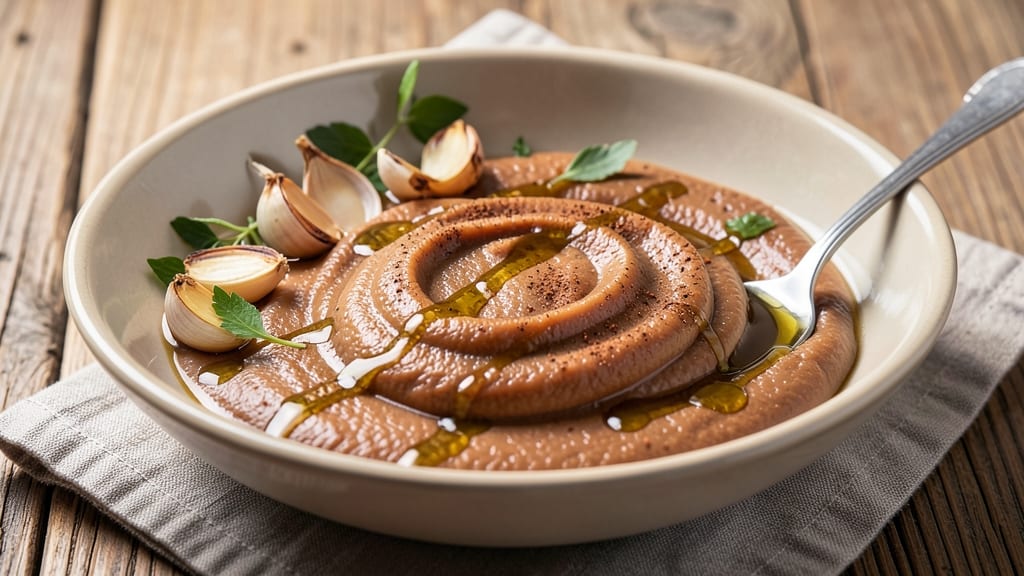
This sweet potato paste recipe transforms humble sweet potatoes into a velvety, ultra-smooth spread that elevates mashed potatoes, dips, and glazes with natural sweetness and depth. The secret lies in slow-roasting until caramelized, then blending until silky—no lumps, no grit, just pure, vibrant flavor.
I developed this technique after struggling to find store-bought versions without additives, and the results speak for themselves: rich, aromatic, and versatile enough for both savory and slightly sweet applications.
The process begins with roasting sweet potatoes until tender and golden, then puréeing them while still warm for maximum smoothness. A splash of water or broth helps achieve that restaurant-quality consistency, while a pinch of salt and a drizzle of olive oil balance the natural sweetness.
What you end up with is a thick, spreadable paste that can be thinned with broth for soups or left concentrated for dips and glazes—all while keeping the nutritional benefits intact.
This sweet potato paste isn’t just a side dish upgrade—it’s a flavor multiplier. Use it to enrich mashed potatoes, stir into hummus for a vibrant twist, or brush onto roasted vegetables for a caramelized finish.
The possibilities are endless, and the best part? It keeps beautifully in the fridge for up to a week, ready to transform any meal with minimal effort.
For those who love customization, consider adding roasted garlic, a touch of ginger, or warm spices like cinnamon and nutmeg to tailor the paste to your taste. The base recipe remains foolproof, but these variations open doors to both savory and slightly sweet applications.
Let’s get started on creating your own batch—your taste buds will thank you.
Ingredients for sweet potato paste
Eight simple ingredients turn sweet potatoes into a silky, restaurant-quality spread.
| Ingredient | Amount | Notes |
|---|---|---|
| Sweet Potatoes 🍠 | 2 lbs | Organic preferred, peeled and cubed |
| Extra-Virgin Olive Oil 🫒 | ¼ cup | For roasting and finishing |
| Vegetable Broth 💧 | ½ cup | Low-sodium preferred |
| Salt 🧂 | ½ tsp | Kosher or sea salt |
| Roasted Garlic Cloves 🧄 | 4 cloves | Optional for extra depth |
| Ground Cinnamon 🍃 | ¼ tsp | For warm sweetness |
| Fresh Ginger 🌿 | 1 tbsp | Grated, optional |
| Water 💧 | ¼ cup | For thinning if needed |
Sweet potatoes are the star here—organic or heirloom varieties have the deepest flavor, but any orange-fleshed sweet potato works. I grab mine from Trader Joe's when they're on sale, or the regular grocery store's organic section. Peeled and cubed evenly, they roast more consistently. The key is roasting until caramelized—golden brown and tender—so don't rush it. For extra richness, I often add a splash of vegetable broth during roasting, but water works too. The extra-virgin olive oil you use matters—look for a fruity, peppery one, not the cheap grocery store kind.
No roasted garlic? Fresh minced garlic at half the amount works in a pinch, but it burns faster. Short on cinnamon? Nutmeg or allspice at a quarter teaspoon gives a similar warmth. The ginger can be swapped for ground ginger at one-third the amount, but fresh is brighter. For a savory twist, add smoked paprika or a pinch of cayenne. If your paste ends up too thick, just add water or broth a tablespoon at a time until it reaches your desired consistency. The beauty of this recipe is how forgiving it is—adjust to taste!
Store your sweet potato paste in an airtight container with a thin layer of olive oil on top to preserve freshness. It keeps for up to 1 week in the fridge, and 3 months frozen in ice cube trays for perfect single-serving portions. I always make a double batch—one for immediate use and one to freeze. The paste thickens as it cools, so reheat with a splash of water or broth to restore smoothness. Perfect for elevating mashed potatoes, glazing roasted veggies, or stirring into hummus!
Why You'll Love This Recipe
- No-Fuss Blend: I swear by this recipe because it’s basically hands-off after the roasting. Toss peeled sweet potatoes in olive oil, salt, and roast until caramelized—then mash with garlic and broth. No peeling, no boiling, no stress. The only thing I do is point the food processor at it.
- Garlic-Glazed Magic: That roasted garlic? It’s the star. The sweet potatoes caramelize into a thick, velvety paste, and the garlic cloves infuse it with this deep, nutty richness. Drizzle in a splash of broth while blending, and suddenly you’ve got a spread that’s sweet, savory, and ridiculously moreish.
- Weeknight Workhorse: This paste is my secret weapon for lazy nights—slather it on toast, mix it into scrambled eggs, or dollop it over grilled chicken. It keeps in the fridge for days, so I make a big batch and use it all week. Honestly, I’ve even convinced my picky husband it’s “fine” (he’s wrong, but he’ll never know).
- Budget Meal Upgrade: Sweet potatoes are cheap, and this recipe stretches them into something luxurious. A single bag lasts me forever, and the olive oil and garlic add depth without breaking the bank. Plus, it turns basic meals into something that feels like you put in effort—even when you didn’t.
Step-by-step instructions for sweet potato paste
Transform humble sweet potatoes into velvety-smooth paste perfect for mashed potatoes, dips, or spreads.
Roast Sweet Potatoes Until Fork-Tender
Preheat your oven to 400°F and line a baking sheet with parchment paper. Arrange the 2 lbs sweet potatoes in a single layer, tossing them with 0.25 cup extra-virgin olive oil and 0.5 tsp salt until evenly coated. Roast for 45-50 minutes, turning once halfway through, until completely tender when pierced with a fork.
Here's the thing—roasting develops natural sweetness and makes peeling effortless. You'll know they're done when the edges are slightly caramelized and the flesh gives way easily to a knife. Let them cool for 10 minutes before handling to prevent steam burns.
Peel and Steam for Ultra-Smooth Texture
While the potatoes are still warm, slip off the skins using a paring knife or paper towel. This is much easier than peeling cold potatoes. Transfer the peeled sweet potatoes to a steamer basket over boiling water and steam for 10-12 minutes until completely soft. The steam helps break down the fibers for that signature silky consistency.
I've found that steaming after roasting creates a paste that's smoother than any blender alone could achieve. You'll notice the flesh becomes almost buttery in texture—this is your secret weapon for restaurant-quality results at home.
Blend with Broth and Aromatics
Transfer the steamed sweet potatoes to a food processor or high-powered blender. Add the 0.5 cup vegetable broth, 4 cloves roasted garlic cloves, 0.25 tsp ground cinnamon, and 1 tbsp fresh ginger (if using). Pulse until completely smooth, scraping down the sides as needed. This combination creates depth of flavor while maintaining that velvety texture.
Don't rush this step—you want a completely homogeneous paste with no visible flecks. If it's too thick, add 1-2 tablespoons of water at a time until you reach your desired consistency for spreading or dipping. The broth helps emulsify the paste while the aromatics add complexity that takes it beyond basic mashed sweet potatoes.
Finish with Olive Oil for Richness
With the motor running, slowly drizzle in the remaining 0.25 cup extra-virgin olive oil through the feed tube. This creates a luxurious, spreadable consistency perfect for dips or as a topping. The oil also helps stabilize the paste, preventing it from separating when stored.
Taste and adjust seasoning with additional salt if needed. The paste should be sweet with warm cinnamon notes and subtle garlicky depth. For best results, use immediately, but it will keep in an airtight container in the refrigerator for up to 5 days. Reheat gently in a saucepan with a splash of water if needed.
Pro Tips For Making Sweet Potato Paste
- PEEL AND CUBE SMALL: Sweet potatoes are stubborn—peel them first, then cut into even 1-inch cubes. Uneven pieces mean some burn while others stay raw, and nobody wants a lumpy paste.
- ROAST GARLIC UNTIL SOFT: Roast your garlic cloves until they’re pliable enough to squish with a fork—no need for mushy. Over-roasted garlic turns bitter, and you’ll taste it in every spoonful.
- SIMMER LOW AND LONG: After blending, return the paste to the pot and simmer uncovered on low heat. This thickens it naturally without burning, and you’ll avoid that sad, watery consistency.
- SALT THE BROTH FIRST: Add salt to the vegetable broth before blending with the sweet potatoes. It distributes evenly, and you won’t end up guessing whether to add more later.
Regional styles of this dish
Caribbean Jerk-Inspired
Transform your sweet potato paste into a bold Caribbean-inspired spread by adding 2 tbsp jerk seasoning (I love Epico Jerk Seasoning) and 1 tbsp lime juice while blending.
The smoky, spicy notes from allspice, thyme, and Scotch bonnet peppers create an unforgettable flavor that pairs perfectly with grilled meats or as a dip for plantains. For extra heat, add ½ tsp cayenne pepper—just watch out, it packs a punch! 🌶️
Southern Comfort Style
Give your paste a Southern twist by incorporating 1 tbsp brown sugar, ½ tsp smoked paprika, and ¼ tsp cayenne during blending. This variation works wonderfully as a glaze for roasted pork or as a sweet-and-spicy dip for collard greens.
The caramelized sweetness from the roasted potatoes pairs beautifully with the smoky depth of the spices, creating a flavor profile that’s both comforting and complex.
Japanese Miso-Glazed
For an umami-rich twist, stir in 1 tbsp white miso paste and 1 tsp grated fresh ginger while blending. This fusion variation elevates the sweet potato paste into a sophisticated glaze for salmon or tofu, or as a dipping sauce for dumplings.
The miso adds a deep, savory note that balances the natural sweetness of the potatoes, while the ginger brightens the overall flavor. Trust me, this one’s a game-changer for Asian-inspired dishes! 🍣
Mexican Mole-Inspired
Add 1 tsp ground cumin, ½ tsp dried oregano, and ¼ tsp cinnamon to your paste for a Mexican-inspired mole twist. For extra richness, blend in 2 tbsp toasted sesame seeds or chopped pecans.
This variation is perfect as a dip for tortilla chips or as a glaze for grilled chicken. The warm spices and nutty textures create a depth that’s both familiar and exciting—ideal for Taco Tuesday or any Mexican feast. 🌮
Mediterranean Herb Blend
Infuse your sweet potato paste with Mediterranean flair by adding 1 tbsp chopped fresh rosemary, 1 tsp dried oregano, and ½ tsp lemon zest while blending. Finish with a drizzle of 1 tbsp extra-virgin olive oil for extra richness.
This herbaceous version shines as a spread for crusty bread or as a dip for roasted vegetables. The bright, aromatic herbs cut through the sweetness, creating a balanced and refreshing flavor profile. 🌿
Spiced Chai Twist
For a cozy, dessert-friendly variation, blend in ½ tsp ground cardamom, ¼ tsp black pepper, and 1 tsp honey while processing. This chai-inspired sweet potato paste is perfect for swirling into yogurt, spreading on toast, or drizzling over vanilla ice cream.
The warm spices and subtle sweetness make it a unique and comforting treat that’s sure to impress. 🍯
Nutrition facts
Frequently asked questions
Can I make sweet potato paste without roasting?
Roasting is key for developing sweetness and smooth texture, but you can boil sweet potatoes first if needed. Simmer peeled, cubed sweet potatoes in water for 15-20 minutes until fork-tender, then steam for 10 minutes before blending. The result will be less caramelized but still usable for dips or mashed potatoes. For best flavor, roasting remains the gold standard!
How do I fix lumpy sweet potato paste?
If your paste has lumps, don't panic! Add 1-2 tablespoons of hot water or broth and blend again until completely smooth. For stubborn lumps, strain through a fine-mesh sieve or use an immersion blender. The secret to silky texture is blending while the potatoes are still warm and adding liquid gradually.
What's the best way to store leftover paste?
Store in an airtight container with a thin layer of olive oil on top to preserve freshness. It keeps for 5-7 days in the fridge or 3 months frozen in ice cube trays. Thaw frozen paste in the fridge overnight—never at room temperature. The oil layer prevents browning and adds richness when reheated.
Can I use orange sweet potatoes instead of regular?
Orange-fleshed sweet potatoes (like Jewel or Beauregard) work perfectly—they're the standard for this recipe. For deeper color, use 2 lbs of orange sweet potatoes (about 3 medium potatoes). Purple or white sweet potatoes will change the color but work fine if you prefer a different aesthetic. The flavor difference is minimal.
How can I use this paste in savory dishes?
This versatile paste works beautifully in savory applications! Stir it into soups for thickness and sweetness, use it as a glaze for roasted meats, or mix into hummus for a vibrant twist. For extra depth, add smoked paprika or roasted garlic during blending. It's also fantastic as a dip for crudités or a spread on toast with a sprinkle of chili flakes.