
Side Dishes
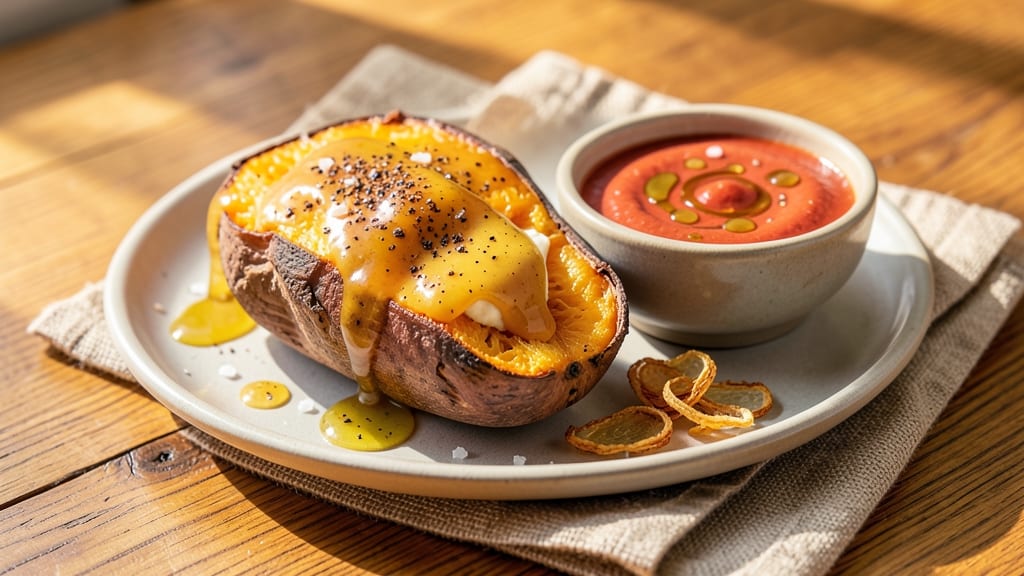
This sweet potato mustard recipe transforms humble ingredients into a velvety glaze with smoky depth and subtle sweetness—perfect for elevating roasted sweet potatoes, grilled chicken, or even sandwiches.
The secret lies in blending roasted sweet potato purée with tangy Dijon mustard and a touch of apple cider vinegar, creating a sauce that’s both creamy and complex. I developed this recipe after realizing store-bought mustard blends couldn’t match the richness of homemade, especially when paired with roasted vegetables.
The process is straightforward but precise: roast sweet potatoes until tender, then purée them smooth before whisking in mustard, vinegar, and a pinch of smoked paprika for that signature depth. This isn’t just a condiment—it’s a flavor booster that turns simple sides into showstoppers.
The sauce keeps well in the fridge for up to a week, making it ideal for meal prep or last-minute glazes.
What sets this apart is the balance of sweet and tangy—roasted sweet potatoes add natural caramel notes, while Dijon mustard brings sharpness that cuts through richness. Use it as a glaze for roasted roots, a sandwich spread, or even a dip for crispy fries.
The texture is luscious but not heavy, ensuring every bite is vibrant and full of character.
For best results, let the sauce sit for 10 minutes after blending to allow flavors to meld. Store in an airtight container, and trust me—you’ll reach for this again and again. Here’s how to make it:
Ingredients for sweet potato mustard
Nine simple ingredients blend into a velvety glaze with smoky depth and perfect sweetness.
| Ingredient | Amount | Notes |
|---|---|---|
| Sweet Potatoes 🍠 | 2 large | Roasted until tender, peeled |
| Dijon Mustard 🥬 | ½ cup | High-quality, tangy variety |
| Apple Cider Vinegar 🍏 | ¼ cup | For tangy balance |
| Smoked Paprika 🌶️ | 1 tbsp | For smoky depth |
| Olive Oil 🫒 | ¼ cup | Extra-virgin for richness |
| Honey 🍯 | 2 tbsp | Adjust for sweetness |
| Garlic Cloves 🧄 | 2 cloves | Minced for aromatic punch |
| Salt 🧂 | ½ tsp | Kosher or sea salt |
| Black Pepper 🌶️ | ¼ tsp | Freshly ground preferred |
| Water 💧 | ¼ cup | For thinning if needed |
The sweet potatoes are the foundation—choose firm, vibrant orange ones with no soft spots. Trader Joe's and Whole Foods carry the best varieties for roasting, but any organic sweet potato works. Roast them until fork-tender (about 45 minutes at 400°F), then purée until completely smooth. The Dijon mustard should be high-quality—Maille or Whole Foods 365 are reliable brands. Smoked paprika adds depth, so don't skip it; Penzeys or McCormick are solid options.
No Dijon mustard? Whole grain mustard thinned with water works in a pinch, though the flavor won't be as refined. Honey can be swapped for maple syrup or agave for a vegan version, but honey adds that subtle caramel note. The apple cider vinegar is key for tang—Bragg is a trusted brand. If your sauce is too thick, add water 1 tbsp at a time. For extra richness, stir in 1 tbsp tahini at the end.
This glaze keeps beautifully in an airtight container for up to 1 week in the fridge. For longer storage, freeze in ice cube trays and transfer to a bag—perfect for quick glazes later. The flavor actually improves after sitting for 24 hours, so make extra. Thin with water before reheating if needed, and trust me—you'll reach for this again and again.
Why You'll Love This Recipe
- One-Pan Wonder: I swear by this for nights when I can’t be bothered with multiple dishes. Toss the sweet potatoes in cubes, drizzle with olive oil and smoked paprika, then roast while you mix the mustard glaze—no extra pans, no extra stress.
- Tangy Twist: That Dijon and apple cider vinegar combo? It’s the secret weapon. The mustard adds depth, the vinegar cuts through the sweetness, and the paprika smolders in the background—like a cozy hug for your taste buds.
- Meal Prep MVP: Between us, this is my go-to for lunches all week. Roast a big batch of sweet potatoes, store them in the fridge, and reheat with a quick glaze toss. Even my picky-eating coworker asks for seconds.
- Budget Magic: Sweet potatoes are cheap, mustard is cheap, and you’re not buying fancy ingredients. Honestly, the only splurge is the olive oil—and trust me, it’s worth every penny for that caramelized edge on the potatoes.
Step-by-step instructions for sweet potato mustard glaze
Here's how to create a perfectly balanced glaze that enhances roasted sweet potatoes.
Roast the Sweet Potatoes Until Tender
Preheat your oven to 400°F. Pierce the 2 large sweet potatoes with a fork and place them on a baking sheet. Roast for 45-55 minutes until a knife slides in easily and the flesh is tender. You'll know they're done when the edges are slightly caramelized and the interior yields to gentle pressure.
While roasting, turn the potatoes halfway through for even cooking. I like to leave the skin on for texture, but peel them immediately after roasting for a smoother glaze application. Let them cool slightly before peeling—this prevents them from falling apart when handled.
Create the Mustard Base
In a small saucepan, combine the 0.5 cup Dijon mustard, 0.25 cup apple cider vinegar, 2 tbsp honey, 1 tbsp smoked paprika, 0.5 tsp salt, and 0.25 tsp black pepper. Whisk over medium-low heat for 3-4 minutes until the mixture begins to bubble gently and the honey fully dissolves.
This step develops the glaze's depth of flavor. The vinegar adds tang, the honey balances with sweetness, and the smoked paprika contributes that signature smoky note. Stir frequently to prevent scorching—you want a smooth, velvety consistency without any graininess.
Incorporate Garlic and Olive Oil
Remove the saucepan from heat and let it cool slightly. Add the 2 cloves minced garlic cloves and 0.25 cup olive oil, whisking until fully combined. The garlic should be completely incorporated but still visible as tiny specks throughout the mixture.
Here's the thing—adding the garlic off heat prevents it from burning, which would create a bitter flavor. The olive oil not only adds richness but also helps emulsify the glaze, giving it that perfect coating texture. Taste the mixture now and adjust the sweetness with more honey if needed, or the tang with a splash of apple cider vinegar.
Thin and Finish the Glaze
Return the saucepan to low heat and gradually whisk in the 0.25 cup water until the glaze reaches your desired consistency. It should coat the back of a spoon but still be pourable. For roasted sweet potatoes, I prefer a medium consistency that clings well without dripping.
If the glaze thickens as it cools, simply whisk in a few drops of water to restore the proper texture. The key is achieving a balance between coating ability and brush-on consistency. This glaze should be vibrant in color—deep amber with hints of red from the sweet potatoes and smoky undertones from the paprika.
Apply to Roasted Sweet Potatoes
Once the sweet potatoes are peeled and cooled slightly, transfer them to a serving platter. Spoon the warm glaze over the top and use a pastry brush to spread it evenly over all surfaces. For extra richness, you can also drizzle the glaze around the potatoes on the platter.
Let the glaze set for 5-10 minutes before serving. This allows the flavors to meld together and the glaze to slightly thicken. The result should be sweet potatoes with a glossy, caramelized exterior that balances perfectly with their natural sweetness and the tangy-sweet glaze.
Pro Tips For Making Sweet Potato Mustard
- ROAST UNTIL FINGER-TESTED: Sweet potatoes should yield slightly when pierced with a fork—not mushy, but not still rock-hard either. I learned this the hard way by overcooking them into a sad, dry pulp, so aim for that tender-but-firm stage before mashing.
- WHISK THE MUSTARD FIRST: Mix the Dijon with apple cider vinegar and a pinch of smoked paprika before adding sweet potatoes—this emulsifies the mustard and cuts down on lumps. I used to toss everything in raw, and the texture always ended up grainy (yes, even with a blender).
- SALT THE MASH: Season the roasted sweet potato purée with salt before folding in the mustard mixture—this balances the tang and sweetness better. Skipping this step means your dish tastes flat, like it’s missing something (it is).
- SWAP FOR GARLIC POWDER: If you’re short on time, swap half the smoked paprika for garlic powder—it adds depth without extra prep. I was skeptical until I tried it; now I keep both on hand for lazy days.
Essential equipment for sweet potato mustard
Blender or Food Processor
You’ll need a high-speed blender or food processor to achieve that ultra-smooth texture—no chunks allowed! I recommend a Vitamix or Ninja for professional results, but a Cuisinart works too. If you’re blending roasted sweet potatoes, a blender is ideal because it handles purées better.
For a chunkier texture (like a dip), a food processor with a sharp blade works well. 💫
Small Saucepan
A small, heavy-bottomed saucepan (like a 3-quart stainless steel) is essential for creating the mustard base. This prevents scorching and ensures even heating. I use my All-Clad pan because it distributes heat perfectly, but any quality saucepan will do.
Avoid non-stick—it can’t handle the low-and-slow simmer needed for flavor development.
Pastry Brush
For applying the glaze to roasted sweet potatoes, a silicon pastry brush (like OXO Good Grips) is a game-changer. It distributes the sauce evenly without dripping, and the silicone won’t absorb flavors.
A small offset spatula also works if you prefer spreading by hand. Trust me, this step makes all the difference for that glossy finish. 🍠
Measuring Spoons & Cups
Precision matters here—use stainless steel measuring spoons and liquid measuring cups for accuracy. The OXO Good Grips set is my go-to because it’s durable and easy to read. For the honey and vinegar, a 1-tablespoon measure ensures you don’t overdo the sweetness or tang.
A digital scale isn’t necessary, but it’s helpful if you’re experimenting with ratios.
Mixing Whisk
A balloon whisk or French whisk is perfect for emulsifying the glaze smoothly. I love the Cuisinart whisk because it’s lightweight and gets into every corner of the saucepan. Avoid wire whisks—they can leave streaks.
If you’re blending by hand, a hand mixer with a whisk attachment works too, but whisking manually gives you better control over the texture. 🔥
Nutrition facts
Frequently asked questions
Can I make this sweet potato mustard without roasting the potatoes?
Roasting is key for developing the natural sweetness and caramelized flavor, but if you're short on time, you can use steamed sweet potatoes instead. For best results, steam them until fork-tender (15-20 minutes) and purée until completely smooth. The texture will be slightly less rich, but the tangy-sweet balance will still shine.
How can I adjust the sweetness or tanginess to my taste?
Start with the recipe as written, then adjust in 1-tablespoon increments. For more sweetness, add honey (1 tbsp at a time); for extra tang, stir in apple cider vinegar (1 tsp at a time). Taste after each addition—remember, flavors meld better after 10 minutes of resting. The glaze should balance sweet, tangy, and smoky notes harmoniously.
What are the best ways to use this glaze beyond roasted sweet potatoes?
This versatile glaze works beautifully as a grilled chicken marinade, sandwich spread, or dipping sauce for fries. Brush it on baked brussels sprouts or drizzle over seared salmon for a sweet-savory twist. For extra richness, mix with 1 tbsp tahini when using as a dip. The smoky depth pairs well with almost any protein!
Why did my glaze separate or turn grainy?
This usually happens from overheating or incorrect emulsification. Always whisk on medium-low heat and add olive oil gradually to bind the mixture. If it separates, whisk in 1 tbsp cold water at a time until smooth. For graininess, blend the roasted sweet potatoes longer or strain through a fine-mesh sieve. The glaze should be silky, not chunky!
Can I make this glaze ahead of time?
This glaze actually tastes better after 24 hours as flavors meld. Store in an airtight container in the fridge for up to 1 week. For longer storage, freeze in ice cube trays—thaw overnight in the fridge before using. Gently reheat in a saucepan with 1 tbsp water to restore consistency. Perfect for meal prep!