
Side Dishes
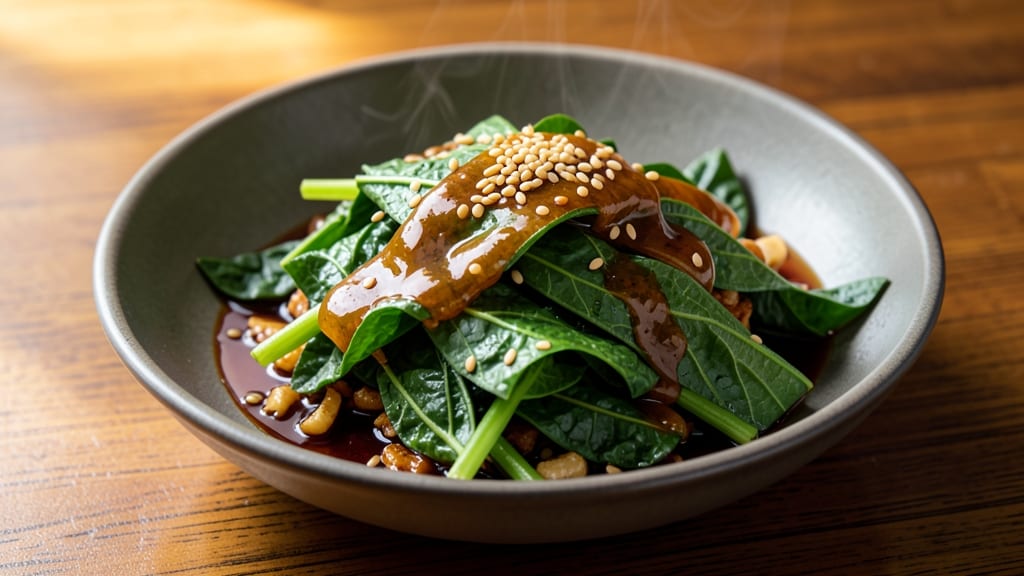
This Korean sweet potato leaves recipe transforms humble greens into a crispy, savory side dish that steals every meal. The secret lies in quick stir-frying with garlic, soy sauce, and sesame oil, creating a dish that's both restaurant-worthy and effortlessly homemade.
I first discovered this recipe during a visit to a traditional Korean farmhouse, where the leaves were wilted down to tender perfection with just a few simple ingredients.
The beauty of this recipe is its versatility—it works as a standalone side, pairs beautifully with rice and grilled proteins, or even elevates vegetarian bowls. The garlic-soy marinade infuses deep umami flavor, while the sesame seeds add a nutty crunch that contrasts perfectly with the crispy edges.
Unlike many greens, sweet potato leaves hold their texture well, making them ideal for stir-frying without turning mushy.
What sets this dish apart is the balance of textures: tender stems, slightly crispy leaves, and the satisfying bite of toasted sesame. The aroma of garlic sizzling in oil fills the kitchen, signaling that dinner is about to get delicious.
This recipe is a celebration of Korean home cooking—simple, flavorful, and packed with nutrients that make every bite count.
Whether you're serving it at a family gathering or meal prepping for the week, these stir-fried greens bring a touch of Korean comfort to your table. The process is straightforward, but the result feels like a special occasion dish. Let's get cooking!
Ingredients for sweet potato leaves recipe korean
Twelve crispy, savory ingredients transform simple greens into Korean-inspired restaurant-quality side dish.
| Ingredient | Amount | Notes |
|---|---|---|
| Sweet Potato Leaves 🌿 | 12 oz | Stems trimmed, leaves washed |
| Sesame Oil 🫒 | 2 tbsp | Toasted sesame oil preferred |
| Garlic Cloves 🧄 | 4 cloves | Minced for marinade |
| Soy Sauce 🥄 | 3 tbsp | Light or all-purpose |
| Sesame Seeds 🌰 | 1 tbsp | Toasted for garnish |
| Vegetable Oil 🫒 | 2 tbsp | High smoke point preferred |
| Sugar 🍚 | 1 tsp | Granulated or brown |
| Rice Vinegar 🍶 | 1 tbsp | For brightness |
| Salt 🧂 | ½ tsp | Diamond Crystal preferred |
| Black Pepper 🌶️ | ¼ tsp | Freshly ground |
| Green Onion 🧅 | 2 whole | Sliced for garnish |
| Sesame Oil (additional) 🫒 | 1 tbsp | For finishing |
The sweet potato leaves are the star—look for vibrant, deep green leaves with tender stems at your local Asian grocery store or farmers' market. H Mart or 99 Ranch Market carry them fresh, often in the produce section near other greens. If you can't find them, substitute with collard greens or mustard greens, but they won't have the same delicate texture. The leaves should be crisp and not wilted, with no brown spots. Trim the tough stems before using, as they won't soften during cooking. For best flavor, use within 2-3 days of purchase and store in a sealed container with a damp paper towel to maintain freshness.
Sesame oil is non-negotiable for that authentic Korean flavor. Toasted sesame oil adds depth, while regular sesame oil works in a pinch. No sesame oil? Swap for 1 tbsp neutral oil plus 1 tsp toasted sesame seeds—though it won't be identical. The garlic should be freshly minced for maximum punch; pre-minced garlic loses flavor quickly. For a deeper umami boost, add 1 tsp fish sauce if your dish isn't vegetarian, or 1 tsp soy sauce reduction for a plant-based alternative. The sugar balances the soy's saltiness, so don't skip it—brown sugar adds a subtle caramel note if you're feeling fancy. If you're prepping ahead, marinate the leaves in the garlic-soy mixture for up to 30 minutes before cooking.
This dish shines when served immediately, but you can prep components ahead. The garlic-soy marinade keeps for 5 days in the fridge, so mix that in advance. For storage, place cooked leaves in an airtight container with a paper towel to absorb moisture—they'll keep for 3 days in the fridge. Reheat gently in a pan with a splash of water to revive crispness. Freezing isn't recommended as the texture suffers, but you can freeze the raw leaves for up to 2 months by blanching them first. For meal prep, portion into individual containers with a drizzle of sesame oil—the flavor actually improves overnight as the leaves soften further.
Why You'll Love This Recipe
- No-Chop Necessary: I’ll be real—this dish is one of those rare ones where the prep barely counts. Sweet potato leaves just need a quick rinse and rough chop (or even tear by hand), then they’re ready to wilt in that fragrant sesame oil. No dicing, no peeling, no fuss—just you, a pan, and 10 minutes of your life.
- Umami Bomb: That first hit of garlic and soy sauce sizzling in the oil? Instant flavor explosion. The leaves soak up the savory punch like a sponge, but the real magic happens when the sesame seeds toast at the end—nutty, crunchy, and dangerously addictive. It’s the kind of dish that makes you go back for seconds without even thinking.
- Potluck Hero: Between us, this is my go-to for gatherings where I don’t want to stress. It’s hearty enough to stand alone (pair with rice or a fried egg if you’re feeling fancy), but it also plays well with other dishes—toss it in a banchan spread, serve it alongside grilled meats, or let someone else bring the main. It’s the crowd-pleaser that actually is crowd-pleasing.
- Budget Magic: Sweet potato leaves are the unsung MVP of affordable greens—cheap, nutritious, and packed with flavor. A single bunch stretches across meals: use half for tonight’s stir-fry, save the rest for tomorrow’s quick omelet or soup boost. And with just five core ingredients, you’re not breaking the bank for something that tastes like it belongs in a high-end restaurant.
Step-by-step instructions for crispy stir-fried sweet potato leaves
Transform humble sweet potato leaves into a restaurant-worthy Korean side dish with this precise technique.
Blanch the Greens for Perfect Texture
Fill a large pot with water and bring to a rolling boil. Add the 12 oz sweet potato leaves, stems first, and blanch for 30 seconds—just enough time for them to wilt slightly but not fully cook. Immediately drain and rinse under cold water to stop the cooking process. This quick blanching removes bitterness and prepares the leaves for crisp-tender stir-frying.
Work quickly here—the leaves will continue to soften as they cool. Once blanched, gently squeeze out excess water and chop the leaves into 2-inch pieces, discarding any thick stems. The leaves should be bright green with a slightly crisp texture—this is your starting point for achieving that signature Korean stir-fry texture.
Build the Garlic-Soy Marinade
In a small bowl, combine the 3 tbsp soy sauce, 1 tbsp rice vinegar, 1 tsp sugar, 0.5 tsp salt, and 0.25 tsp black pepper. Whisk until the sugar dissolves completely—this creates a balanced flavor base that will caramelize during cooking. Set aside while you prepare the leaves.
In a separate small bowl, mix the 4 cloves minced garlic with 1 tbsp toasted sesame oil. Let this sit for 5 minutes to allow the garlic's natural oils to infuse with the sesame aroma. This garlic-sesame mixture will be your flavor anchor, adding depth that complements the bright soy-vinegar sauce.
Stir-Fry for Crispy Perfection
Heat a large wok or skillet over medium-high heat until hot. Add 2 tbsp vegetable oil and swirl to coat the pan evenly. Add the chopped sweet potato leaves in a single layer, spreading them out to maximize surface contact with the oil. Stir-fry for 2-3 minutes until the edges begin to crisp and turn bright green.
Here's where the magic happens: Pour the garlic-sesame mixture over the leaves and toss vigorously for 1 minute. Then add the soy-vinegar marinade and continue tossing for another 2 minutes until the leaves are tender-crisp with slightly wilted centers. The sauce should coat the leaves evenly without making them soggy—this balance is key to achieving that authentic Korean restaurant texture.
Finish with Toasted Sesame and Garnish
Reduce heat to medium-low and drizzle with the 1 tbsp additional sesame oil. Toss for 30 seconds until the oil is absorbed and the leaves glisten. Sprinkle with 1 tbsp toasted sesame seeds and 2 whole sliced green onions, tossing gently to distribute evenly. The sesame seeds add nutty crunch while the green onions provide fresh contrast.
Taste and adjust seasoning if needed—you may need an extra ½ tsp soy sauce or ¼ tsp sugar to balance the flavors. Serve immediately while the leaves are still crisp-tender. This dish holds well for 20 minutes at room temperature, but the texture softens as it cools, so enjoy it fresh from the wok.
Pro Tips For Making Sweet Potato Leaves Recipe Korean
- Wilt Leaves Fast: Hit the pan with medium-high heat before adding the leaves—low and slow turns them mushy. I learned this the hard way when my first batch looked like sad lettuce instead of crispy greens. Once they start wilting, toss them constantly so they don’t stick or burn.
- Smash Garlic Properly: Don’t chop—use the flat side of your knife to crush the garlic cloves first. This releases more flavor without burning, and the minced bits blend into the oil instead of clumping. (Yes, it’s extra work, but your future self will notice.)
- Salt After Wilt: Add soy sauce after the leaves are fully wilted and just before tossing with sesame oil. Salting too early makes the leaves limp, and you’ll end up with a sad, watery pile instead of crispy, savory bites.
- Toast Seeds Last: Sprinkle sesame seeds over the hot pan for 10 seconds—just enough to warm them and release their nutty aroma. Dumping them in at the end means they’ll just sit there like decorative confetti. (Trust me, the difference is real.)
Wine and beer pairings for these flavors
Light Korean Lagers
Korean light lagers like Hite or OB Golden Lager are my go-to pairings for this dish—they complement the greens' earthy sweetness without overpowering the garlic-soy brightness. The crisp, slightly malty notes in these lagers mirror the sesame oil's nutty depth while their light body won't weigh down the tender leaves.
Serve chilled to 40°F for the best contrast against the warm stir-fry. 🍺
Rice Wine Pairings
For a traditional Korean approach, try jinro (rice wine) served slightly warm at 65°F. The subtle sweetness and fermented notes enhance the dish's umami without competing. I like Chum Churum or Soju as well—their clean, neutral profiles let the greens' natural flavors shine.
A splash of soju in the stir-fry (just 1 tbsp) also adds an authentic touch.
Dry Riesling
A crisp dry Riesling from Germany or Korea's Chateau La Citadelle brings acidity that cuts through the richness of the sesame oil. The wine's citrus notes play beautifully with the garlic and rice vinegar, creating a refreshing balance.
Serve slightly chilled to 50°F to highlight its bright character against the dish's savory depth.
Non-Alcoholic Options
For a non-alcoholic pairing, I recommend yuja (citron) soda—its tart, citrusy flavor mirrors the rice vinegar while refreshing the palate. Alternatively, a sparkling green tea like Suntory Green Tea Soda adds a subtle herbal note that complements the greens' earthiness. Both options work beautifully with the dish's crispy texture.
Beer Brewing Tip
If you're feeling adventurous, try making a Korean-style wheat beer at home with 50% white wheat malt and 30% rice malt. Add 1 tsp toasted sesame oil to the fermenter for a subtle nutty aroma that pairs perfectly with the stir-fried leaves.
Ferment at 68°F for a clean, crisp finish.
Nutrition facts
Frequently asked questions
Can I substitute sweet potato leaves with other greens?
Yes, but texture will differ. Use collard greens or mustard greens as closest substitutes—they handle stir-frying well. Avoid spinach (too delicate) or kale (too fibrous). For best results, blanch substitutes for 45 seconds instead of 30 to mimic the crisp-tender texture.
How do I store sweet potato leaves if I can't use them immediately?
Wrap leaves in a damp paper towel, then place in an airtight container. Store in the fridge for 2-3 days or freeze raw leaves (unwashed) for up to 2 months. For freezing, blanch first to preserve texture—this prevents freezer burn and maintains crispness when cooked later.
Why did my leaves turn mushy instead of crispy?
Overcooking or too much moisture causes mushiness. Use medium-high heat and stir-fry for exactly 2-3 minutes total. Ensure leaves are dry before cooking—pat with a kitchen towel if needed. Also, avoid adding sauce too early; let leaves crisp first before tossing with marinade.
Can I make this recipe ahead of time?
Prepare components separately for best results. Marinate leaves in garlic-soy mix for up to 30 minutes before cooking. Cooked leaves reheat best in a dry pan with 1 tsp sesame oil for 30 seconds—this restores crispness. Store in airtight containers with a paper towel to absorb excess moisture.
What's the secret to getting that authentic Korean restaurant texture?
Three key factors: high heat, quick cooking, and proper sauce ratio. Use a wok or cast-iron skillet for maximum heat transfer. Toss leaves constantly to prevent sticking, and add sauce only after leaves develop crisp edges. The sauce should coat but not drown the greens—aim for a 1:2 greens-to-sauce ratio.