
Side Dishes
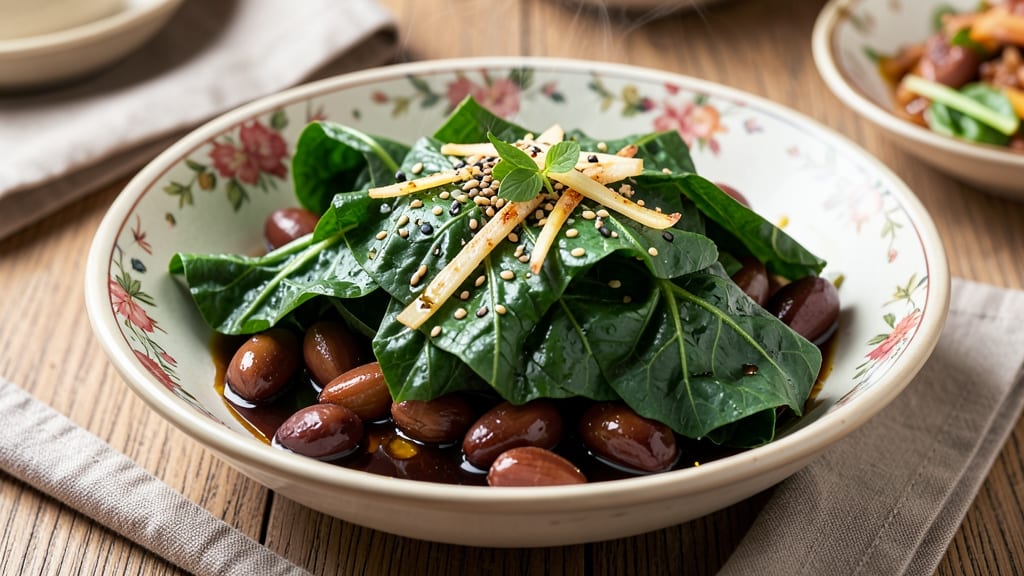
This sweet potato leaves Chinese recipe transforms humble greens into a vibrant, savory side dish that’s as nutritious as it is flavorful. 🌱 The secret lies in proper preparation—washing the delicate leaves thoroughly, blanching them just enough to soften without losing texture, and stir-frying with garlic and soy sauce until wok-hei (breath of the wok) perfumes the kitchen.
Unlike bitter greens, sweet potato leaves have a mild, almost sweet flavor that absorbs seasonings beautifully, making them a staple in Guangdong and Sichuan cuisine.
What sets this recipe apart is its adaptability—whether you’re serving it as a side with steamed rice or as a light main with tofu or mushrooms, the technique remains the same.
The key steps—blanching, quick stir-frying, and balancing umami from soy sauce with garlic’s sharpness—ensure every bite delivers that characteristic wok-fried crunch and tender bite. For vegetarians, mushrooms or crispy tofu add heartiness, while meat lovers can incorporate shredded pork or shrimp for a richer profile.
By the end, you’ll have a dish that’s as visually appealing as it is delicious: bright green leaves wilted just enough to maintain their structure, glistening from the soy-garlic glaze, and fragrant enough to make rice taste even better.
The texture is the star—crisp-tender edges and a satisfying chew that disappears with each bite. This is comfort food with a cultural twist, proving that simple ingredients can create something extraordinary.
Serve it alongside your favorite protein or as a standalone dish with a sprinkle of sesame seeds for extra crunch. The recipe scales effortlessly, making it perfect for weeknight dinners or family gatherings. Ready to elevate your side dishes? Let’s get cooking.
Ingredients for sweet potato leaves chinese
Twelve simple ingredients transform delicate sweet potato leaves into a vibrant, umami-rich stir-fry side dish perfect for any meal.
| Ingredient | Amount | Notes |
|---|---|---|
| Sweet Potato Leaves 🌿 | 12 oz | Washed and stems removed |
| Garlic Cloves 🧄 | 4 cloves | Minced for aromatic base |
| Light Soy Sauce 🍶 | 2 tbsp | Kikkoman preferred for balance |
| Sesame Oil 🫒 | 1 tbsp | Toasted for nutty aroma |
| Vegetable Oil 🫒 | 2 tbsp | High smoke point preferred |
| Ginger Root 🌿 | 1 tsp | Freshly grated for zing |
| White Peppercorns 🌶️ | ¼ tsp | Freshly ground for subtle heat |
| Sesame Seeds 🌰 | 1 tbsp | Toasted for garnish and crunch |
| Shiitake Mushrooms 🍄 | 4 whole | Sliced for vegetarian heartiness |
| Green Onions 🧅 | 2 whole | Thinly sliced for garnish |
| Rice Vinegar 🍶 | 1 tsp | For brightness and balance |
| Salt 🧂 | ½ tsp | Diamond Crystal preferred |
The sweet potato leaves are the star—look for vibrant, fresh bunches at Asian markets or well-stocked grocery stores like Whole Foods. They should be bright green with tender stems, not wilted or yellowed. The shiitake mushrooms add depth to vegetarian versions, so opt for fresh rather than dried for that meaty texture. Garlic and ginger should be freshly minced just before cooking to preserve their aromatic oils. For the soy sauce, Kikkoman light soy provides the perfect balance of saltiness and umami without overpowering the delicate greens.
No sesame oil? Toasted peanut oil works beautifully—just reduce the amount slightly to avoid overpowering the dish. Substituting mushrooms? Crispy tofu or heart of palm both work well, though texture will differ. Fresh ginger unavailable? Ground ginger at half the amount is a decent alternative, though it lacks the same zing. The green onions can be swapped for chives or scallions, but they add a subtle sharpness that’s hard to replicate. For extra umami, a dash of fish sauce (if not vegetarian) or vegetarian oyster sauce elevates the dish further.
Sweet potato leaves wilt quickly after washing, so blanch them just before stir-frying for optimal texture. Store any leftovers in an airtight container in the fridge for up to 3 days, though they’re best eaten fresh. The stir-fry reheats beautifully—simply add a splash of water and a few seconds in the microwave. For meal prep, blanch and store the leaves separately from the sauce components to maintain crispness. Garnish with toasted sesame seeds right before serving to preserve their crunch.
Why You'll Love This Recipe
- No-Chop Needed: I swear, the leaves come pre-cut for you—just rinse, stack, and slice. That’s it. No tedious chopping like with spinach or collards, which is a win when I’m already mentally checked out at 6:30 PM.
- Umami Bomb: Light soy sauce and garlic? It’s the dynamic duo you didn’t know you needed. The leaves soak up that salty-sweet punch while the sesame oil finishes with a nutty whisper that makes every bite ridiculously good.
- Leftovers That Lie: Honestly, I’ve reheated this three times and no one’s complained. The texture holds—no sad, wilted greens here. Toss it with rice or noodles, and suddenly you’ve got dinner for days without extra effort.
- Pocketbook Hero: Sweet potato leaves grow wild in many places, and even if you buy them, they’re cheaper than kale or bok choy. Plus, a little sesame oil and soy sauce stretch to feed four for under $5. That’s a meal that actually helps your wallet, not just your taste buds.
Step-by-step instructions for sweet potato leaves stir-fry
Master this classic Chinese technique for vibrant, flavorful greens with perfect texture.
🍳 Step 1: Prepare the Aromatics and Mushrooms
Heat the 2 tablespoons vegetable oil in a wok or large skillet over medium-high heat until shimmering. Add the 4 whole shiitake mushrooms, sliced into ¼-inch pieces, and stir-fry for 3-4 minutes until they release their moisture and begin to brown slightly. This step develops their umami depth before removing them.
Push the mushrooms to one side of the pan, then add the 4 cloves minced garlic and 1 teaspoon freshly grated ginger root. Stir constantly for 30 seconds until fragrant—this prevents burning. If the garlic darkens too quickly, reduce heat to medium. Remove the mushrooms to a plate and set aside for now.
🍳 Step 2: Stir-Fry the Sweet Potato Leaves
Increase heat to high and add the 12 ounces sweet potato leaves in batches if needed to avoid crowding. Stir-fry for 1-2 minutes until they begin to wilt and brighten in color. This quick cooking preserves their vibrant green hue and tender-crisp texture—don't overcook or they'll turn mushy.
Season immediately with the 0.5 teaspoon salt and 2 tablespoons light soy sauce. Toss vigorously for 30 seconds to coat evenly. The leaves should glisten slightly from the sauce but remain bright green. If they appear dry, add 1 tablespoon water and toss again.
🥘 Step 3: Combine and Finish with Sesame Flavors
Return the shiitake mushrooms to the pan along with the 1 tablespoon toasted sesame oil and 0.25 teaspoon freshly ground white peppercorns. Stir-fry for 1 minute to reintegrate the mushrooms and infuse their flavor into the greens. The dish should now smell deeply aromatic with garlic, ginger, and umami notes.
Add the 1 teaspoon rice vinegar and toss everything together for 30 seconds. The vinegar brightens the dish and balances the soy sauce's richness. Taste and adjust seasoning—you may need an extra ½ teaspoon soy sauce if the greens taste mild. Remove from heat immediately to preserve their vibrant color.
🍽️ Step 4: Garnish and Serve Immediately
Transfer the stir-fry to a serving platter and garnish with 1 tablespoon toasted sesame seeds and 2 whole green onions, thinly sliced. The sesame seeds add crunch and visual appeal, while the green onions provide a fresh contrast. Serve immediately while the leaves are still tender-crisp and the aromatics are at their peak.
For best results, serve over steamed jasmine rice or with warm mantou buns. The dish holds well for 10-15 minutes at room temperature, but the texture softens over time. Pair with a light ginger tea to complement the meal's bright, savory flavors.
Pro Tips For Making Sweet Potato Leaves Chinese
- STRIP THE STEMS FIRST: Sweet potato leaves are tough if you don’t prep them right. Grab the thickest part of each stem and give it a sharp tug—it’ll snap off cleanly, leaving just the tender leaf blade. No need to chop the stems; they’re inedible and just take up space.
- WILT IN BATCHES: Dumping all the leaves in the pan at once? You’ll end up with a sad, soggy mess. Split them into two piles and wilt the first batch completely—until they collapse and release their juices—before adding the second. This keeps the texture crisp-tender, not limp.
- GARLIC SHOULD SING: Crushed garlic cloves in vegetable oil won’t caramelize enough to add real depth. Mince it finely (almost like a paste) and let it sizzle in the oil for 30 seconds before adding the leaves. That golden, nutty aroma? That’s what makes this dish taste like a proper home-cooked meal, not just a side.
- SOY SAUCE LAST MINUTE: Adding light soy sauce too early turns the leaves mushy. Toss it in only during the final 30 seconds of cooking—just enough time to coat the leaves without breaking them down. If you’re using a wok, splash it in when the leaves are almost done, then toss everything together fast.
Common mistakes when making perfect results
Over-Blanching Leaves
Blanching sweet potato leaves for too long—more than 30 seconds—will make them limp and mushy instead of tender-crisp. I’ve ruined batches by leaving them in boiling water too long, thinking they needed more time to soften.
The goal is to wilt them just enough to remove bitterness without breaking down their structure. Use a timer and test one leaf immediately after blanching—it should soften slightly but still hold its shape. 🌿
Skipping the High Heat
Stir-frying at medium heat instead of high heat kills the wok-hei (breath of the wok) that gives this dish its signature aroma. I learned this the hard way when my first attempt tasted flat.
A wok or cast-iron skillet is ideal—preheat it until a drop of water sizzles instantly. If your pan isn’t hot enough, the garlic will burn before the leaves cook properly.
Uneven Seasoning
Tossing the leaves too gently after adding soy sauce means some will be bland while others are over-salted. I’ve seen home cooks pour sauce and stir once, then call it done—big mistake! Use tongs to flip leaves vigorously for 30 seconds, ensuring every surface gets coated.
For extra insurance, add a splash of water to help the sauce cling. The leaves should glisten but not look soggy.
Adding Mushrooms Too Late
If you toss in shiitake mushrooms after the leaves are already wilted, they’ll steam instead of brown, losing their meaty texture. I’ve made this error by focusing only on the greens.
Cook mushrooms separately for 3-4 minutes, then set them aside until the very end. This ensures they develop their rich umami flavor without turning to mush in the stir-fry.
Overcrowding the Pan
Piling all 12 ounces of leaves, mushrooms, and aromatics into the pan at once steams the dish instead of stir-frying it. I’ve had to start over because the leaves turned soggy from their own moisture.
Work in batches if needed—cook half the leaves first, then remove them to a plate before adding the rest. This keeps everything crisp-tender and prevents a watery mess. 🔥
Ignoring the Vinegar Step
Omitting the 1 teaspoon rice vinegar, even at the end, leaves the dish flat and one-dimensional. I’ve tasted versions without it and noticed how the soy sauce’s saltiness dominates.
The vinegar brightens the flavors, cutting through the richness while adding a refreshing tang. Add it just before serving—this preserves its sharpness rather than letting it mellow during cooking.
Nutrition facts
Frequently asked questions
Can I substitute sweet potato leaves with other greens?
While sweet potato leaves have a unique mild sweetness, you can use bok choy, garlic choy, or spinach as substitutes. However, spinach will wilt faster and may require less cooking time. For the closest flavor, try Chinese broccoli—it has a similar texture and absorbs seasonings well. Avoid bitter greens like kale or collards unless you first blanch them longer to remove bitterness.
How do I properly wash sweet potato leaves?
Start by soaking the leaves in cold water for 10 minutes to remove dirt, then drain. Gently swirl them in a clean bowl of fresh water, changing the water 3-4 times until it runs clear. Pat dry with paper towels or a clean kitchen towel—never wring them, as this bruises the leaves. For extra cleanliness, remove any thick stems before cooking, as they can be fibrous.
Can I make this vegetarian without mushrooms?
Replace shiitake mushrooms with crispy tofu, baby corn, or water chestnuts for texture. For a meatier bite, try seitan or tempeh—both absorb the soy-garlic flavors beautifully. If you prefer simplicity, omit the protein entirely and focus on the leaves' natural sweetness, adding just a pinch of MSG (if vegetarian) for extra umami depth.
Why do my leaves turn mushy?
Overcooking is the most common cause—sweet potato leaves cook in just 1-2 minutes once added to the pan. Another issue is underheating: if your pan isn't hot enough, the leaves steam instead of wok-frying. Always use high heat and work in batches to avoid crowding. For extra insurance, blanch the leaves for exactly 30 seconds before stir-frying to soften them slightly while preserving texture.