
Side Dishes
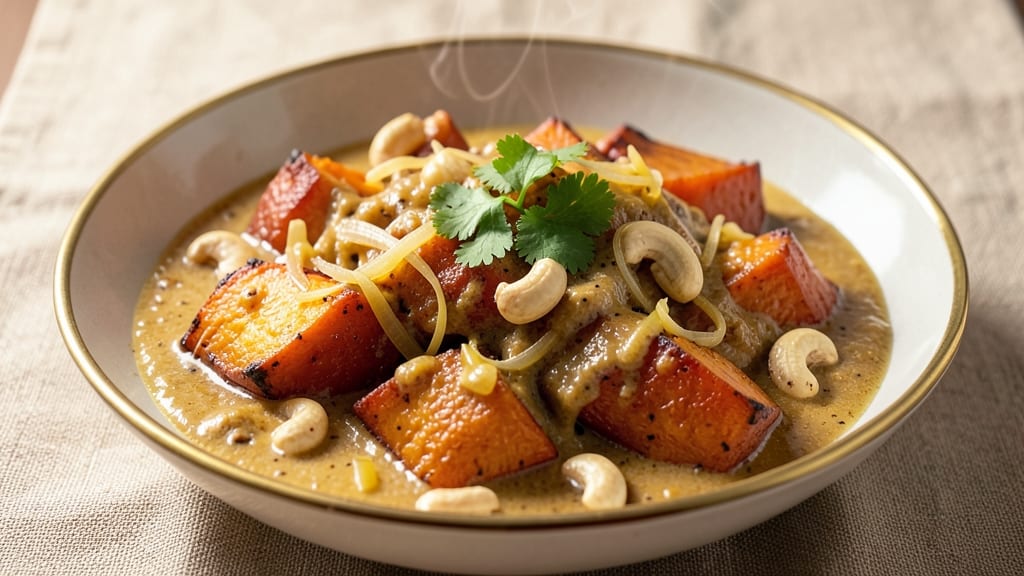
This sweet potato korma recipe transforms humble sweet potatoes into a creamy, fragrant centerpiece that rivals restaurant-quality curries. The secret lies in slow-cooked spices and velvety coconut milk, creating a sauce that clings to each tender potato like a silken blanket.
I developed this version after years of experimenting with Indian flavors—balancing sweetness, spice, and richness without overpowering the natural sweetness of the potatoes.
The process begins with gently sautéing whole spices until they release their aromatic oils, then building layers of flavor through a tempering technique that infuses the coconut milk with warmth.
Unlike many shortcut recipes, this version uses fresh ginger and garlic for depth, while turmeric and garam masala create that signature golden hue and complex spice profile. The sweet potatoes soften just enough to absorb the sauce while maintaining their shape.
What you'll end up with is a dish that's restaurant-quality at home—creamy yet not overly rich, spiced but not spicy, and sweet enough to satisfy both kids and adults. The sauce has that perfect balance of tangy yogurt, sweet coconut, and earthy spices that makes every bite satisfying.
It pairs beautifully with basmati rice, warm naan, or even as a standalone vegetarian main.
One of the best parts? This recipe scales effortlessly—double it for a crowd or halve it for a cozy weeknight dinner. The flavors actually improve as they sit, making it perfect for meal prep. Let's get cooking!
Ingredients for sweet potato korma
Sweet potatoes, velvety coconut milk, and aromatic spices—this creamy korma is restaurant-quality magic.
| Ingredient | Amount | Notes |
|---|---|---|
| Sweet Potatoes 🍠 | 2 lb | Medium, peeled and cubed |
| Yellow Onions 🧅 | 1 whole | Medium, finely chopped |
| Fresh Ginger 🌿 | 2 tbsp | Finely grated, fresh preferred |
| Garlic Cloves 🧄 | 6 cloves | Fresh, minced |
| Coconut Milk 🥥 | 1 can | Full-fat, 13.5 oz can |
| Plain Yogurt 🥛 | ½ cup | Unsweetened, full-fat preferred |
| Turmeric Powder 🌶️ | 1 tbsp | Freshly ground preferred |
| Garam Masala 🌿 | 1 tbsp | High-quality blend |
| Ground Cumin 🌿 | 1 tsp | Toasted for deeper flavor |
| Ground Coriander 🌿 | 1 tsp | Freshly ground preferred |
| Cayenne Pepper 🔥 | ½ tsp | Adjust for heat preference |
| Olive Oil 🫒 | ½ cup | Extra-virgin for richness |
| Salt 🧂 | 1 tsp | Kosher or sea salt |
| Fresh Cilantro 🌿 | ¼ cup | Chopped, for garnish |
The sweet potatoes are the star, so pick firm, vibrant orange ones—they should feel heavy for their size. Trader Joe's or Whole Foods always have the best selection. Peeled and cubed, they'll soften just enough to soak up the sauce without turning to mush. For the spices, Penzeys Spices or bulk bins at Indian markets are your best bet—freshly ground garam masala makes all the difference. The coconut milk? Full-fat only—it's what gives that luscious creaminess. Don't skimp here, and if you can find Thai Kitchen brand, grab it—they're consistently delicious.
No fresh ginger? Powdered works at half the amount, but trust me, fresh makes this dish sing. Running low on garam masala? Mix 1 tsp each of cinnamon, cardamom, cloves, and cumin for a quick substitute. The yogurt adds that perfect tang—Greek yogurt works too, but full-fat gives the best texture. For extra richness, stir in 1 tbsp of cashew cream at the end. The cilantro is optional, but it adds that fresh finish—skip it if you're sensitive to bright flavors. And if you're watching calories, you can reduce the olive oil to 3 tbsp without sacrificing flavor.
This sauce gets better as it sits—make a double batch and store it in the fridge for up to 5 days. It reheats beautifully, so it's perfect for meal prep. The sweet potatoes will keep their shape if you reheat gently in the sauce. For freezing, portion into airtight containers and it'll last for 3 months. Pro tip: Serve with warm basmati rice or garlic naan—the combo is unbeatable. Leftovers? Even better the next day as the flavors meld together.
Why You'll Love This Recipe
- One-Pot Magic: I swear by this recipe when I’m too tired to scrub pots—just toss everything in one pan, stir occasionally, and walk away. The onions caramelize while you’re chopping the garlic, and the coconut milk does the heavy lifting of blending flavors without extra fuss.
- Creamy-Spiced Bliss: That first bite of sweet potato—tender but still holding shape—drowned in a velvety sauce with ginger’s sharp kick and garlic’s warmth? Honestly, it’s the kind of dish that makes you pause mid-spoonful. The coconut milk keeps it rich but never heavy, and the natural sweetness of the potatoes balances the spices perfectly.
- Weeknight to Dinner Party: Between us, this is my secret weapon for feeding a crowd or prepping for the week. Double the batch, and you’ve got leftovers that taste just as good reheated as they do fresh—perfect for lazy Mondays or when unexpected guests show up. (Yes, even on a Tuesday night.)
- Budget-Friendly Comfort: Sweet potatoes and onions are cheap staples, and coconut milk stretches further than you’d think. I’ll be real: it’s not the prettiest dish, but the flavor makes up for it every time. Plus, it’s one of those rare recipes where the ingredients list reads like a grocery store’s “affordable” section, not the specialty aisle.
Step-by-step instructions for sweet potato korma
Here's how to create a lusciously creamy, aromatic sweet potato korma that's rich with coconut and spiced to perfection.
Sauté the Aromatics Until Fragrant
Heat the 0.5 cup olive oil in a large, heavy-bottomed pot over medium heat. Add the finely chopped yellow onions and cook for 5-6 minutes until they turn translucent and just begin to caramelize at the edges. This is your flavor foundation.
Add the finely grated fresh ginger and minced garlic cloves, stirring constantly for 1-2 minutes until the mixture becomes fragrant and the raw garlic smell disappears. You'll know it's ready when the spices release their oils and the pot smells intensely aromatic. This step is crucial—don't rush it, or you'll end up with a bland base.
Toast the Spices for Depth of Flavor
Reduce the heat to medium-low and add the 1 tablespoon turmeric powder, 1 tablespoon garam masala, 1 teaspoon ground cumin, 1 teaspoon ground coriander, and 0.5 teaspoon cayenne pepper. Stir continuously for 1-2 minutes until the spices become fragrant and the oil begins to bubble gently around the edges of the pot.
This toasting process develops the spices' essential oils, which creates that complex, layered flavor you want in a proper korma. Watch carefully—if the spices start to burn, reduce the heat immediately. The mixture should smell warm, earthy, and slightly sweet, with a hint of heat from the cayenne. This is the moment that matters: the spices should be aromatic but not bitter.
Cook the Sweet Potatoes Until Tender
Add the 2 lb peeled and cubed sweet potatoes to the pot, stirring to coat them evenly in the spiced oil. Increase the heat to medium-high and cook for 5 minutes to sear the sweet potatoes slightly, developing a light crust on their surfaces. This helps prevent them from turning mushy later.
Pour in the 1 can coconut milk and 0.5 cup plain yogurt, stirring well to combine. The mixture will look thick and vibrant, with the turmeric giving it a beautiful golden hue. Bring to a gentle simmer, then reduce the heat to low and cover the pot. Let the sweet potatoes cook for 20-25 minutes, stirring occasionally, until they're fork-tender with just a slight bite remaining.
Simmer Until Creamy and Flavorful
Once the sweet potatoes are tender, increase the heat to medium and let the sauce reduce for 5-7 minutes, stirring frequently. You want the sauce to thicken slightly and cling to the sweet potatoes, creating that signature creamy korma texture. The mixture should coat the back of a spoon and have a velvety consistency.
Taste and adjust the seasoning with the 1 teaspoon salt, adding more if needed. The sauce should be rich, slightly sweet from the sweet potatoes, with a warm, spicy kick from the garam masala and cayenne. If it's too thick, stir in 1-2 tablespoons of water to reach your desired consistency. This is where all the flavors come together—don't skip the tasting step!
Finish and Garnish for Freshness
Remove the pot from heat and let it sit for 5 minutes to allow the flavors to meld completely. Stir in the 0.25 cup chopped fresh cilantro just before serving. The cilantro adds a bright, fresh contrast to the rich, creamy sauce and a pop of color that makes the dish visually appealing.
Serve the sweet potato korma immediately, hot and steaming, over steamed basmati rice or with warm naan bread. Each bite should deliver a perfect balance of creamy coconut, sweet potatoes, and aromatic spices. The sauce should coat the rice beautifully, creating a luxurious, comforting dish that's perfect for any occasion.
Pro Tips For Making Sweet Potato Korma
- CHAR THE ONIONS LOW: I used to rush this step and end up with bitter, watery onions—no one wants that in a korma. Cook them over medium-low heat for 8-10 minutes until they’re deep golden and almost caramelized, stirring occasionally. The extra patience builds flavor that carries through the coconut milk.
- PEEL GINGER AFTER GRATING: Sounds weird, but it works: grate the ginger first, then peel off the skin while it’s soft. Fresh ginger’s tough skin sticks better to the grater when raw, and this trick saves you from scrubbing it later. (Yes, even if you’re impatient like me.)
- DON’T BOIL THE COCONUT MILK: I learned this the hard way—simmering coconut milk too hard curdles it, turning your creamy sauce into a sad, lumpy mess. Keep it at a gentle bubble (80-90°C/175-195°F) while adding it to the pan, and stir constantly. It’s the thing that matters most for that silky texture.
- CUT SWEET POTATOES UNEVENLY: Skip the uniform cubes—chop them into irregular chunks so they cook at different rates. This guarantees some will stay tender while others soften just enough to soak up the sauce. (Your future self will thank you when you’re not left with mushy potatoes.)
Make-ahead tips for this recipe
Prep Ahead Strategy
Make this korma 2 days in advance—the flavors deepen beautifully when refrigerated. After simmering, let it cool completely, then store in an airtight container with a layer of plastic wrap pressed directly on the sauce to prevent skin formation.
The sweet potatoes will absorb even more flavor overnight, becoming even more tender. 🥄
Freezer-Friendly Tips
For longer storage, freeze portions in quart-sized freezer bags (lay flat to save space). Label with the date—this korma stays delicious for up to 3 months. When reheating, thaw overnight in the fridge, then warm gently on the stove with 1-2 tablespoons of water to restore creaminess.
Avoid microwaving directly from frozen to prevent uneven heating.
Sweet Potato Prep Shortcut
Save time by parboiling the sweet potatoes ahead of time. Boil cubed sweet potatoes for 8-10 minutes until slightly tender, then drain and refrigerate.
When ready to cook, simply add them directly to the spiced oil—this reduces cooking time by 15 minutes while keeping them from breaking apart in the sauce.
Sauce Boost Technique
For extra richness, prepare the spiced coconut sauce base separately up to 3 days ahead. Store the sauce (without sweet potatoes) in the fridge, then reheat with the potatoes when ready to serve.
This method lets you control texture—add the sweet potatoes fresh for a firmer bite or use pre-cooked ones for maximum convenience. 💫
Reheating Perfection
To reheat, warm the korma over low heat with a splash of water or coconut milk to prevent drying. If the sauce separates, stir vigorously to re-emulsify. For best results, reheat only until steaming (about 5-7 minutes)), then let it sit covered for 5 minutes before serving—this allows flavors to rebalance beautifully.
Portioning Secrets
Divide reheated korma into ramekins or small bowls for individual servings. Top each portion with a dollop of yogurt and sprinkle of cilantro before reheating—this keeps the garnish fresh and vibrant. For meal prep lunches, pack with cooked basmati rice in separate containers to maintain texture during transport.
Nutrition facts
Frequently asked questions
Can I use regular potatoes instead of sweet potatoes?
While you can substitute regular potatoes, the flavor and texture will be different. Sweet potatoes add natural sweetness and a velvety texture that pairs perfectly with the creamy coconut sauce. If you must use regular potatoes, opt for waxy varieties like red potatoes and reduce the cooking time by 5 minutes—they'll absorb the sauce faster. The dish will still be delicious but won't have that signature sweet-spiced harmony.
What's the best way to adjust the spice level?
The recipe includes 0.5 teaspoon cayenne pepper for a gentle heat. For milder flavor, reduce this to 0.25 teaspoon or omit entirely. If you love spice, add 0.25 teaspoon extra cayenne or a pinch of chili powder. Always toast spices gently to avoid bitterness—this enhances their flavor without adding heat. Taste as you go and adjust gradually!
Can I make this korma without coconut milk?
Yes, but the texture will be thinner and less rich. Replace the coconut milk with 1 cup heavy cream or 1 cup Greek yogurt (thinned with 2 tablespoons water). For a dairy-free option, use 1 cup cashew cream (soaked cashews blended with water). The sauce will still be flavorful, but the creamy mouthfeel will differ slightly. The coconut adds depth that's hard to replicate!
Why did my sweet potatoes turn mushy?
Mushy sweet potatoes usually mean overcooking or insufficient searing. First, ensure you sear the cubes for 5 minutes before adding liquids to create a protective crust. Also, reduce heat to low once simmering and cover the pot to trap steam. If they still break down, try parboiling them for 8-10 minutes first—this helps them hold shape better in the sauce.
What are the best sides to serve with this korma?
This creamy korma pairs perfectly with steamed basmati rice (the sauce clings beautifully) or warm naan bread for scooping. For a refreshing contrast, add a side of cucumber raita (yogurt with grated cucumber and mint) or a simple green salad with lemon vinaigrette. The coolness cuts through the richness, balancing every bite.