
Side Dishes
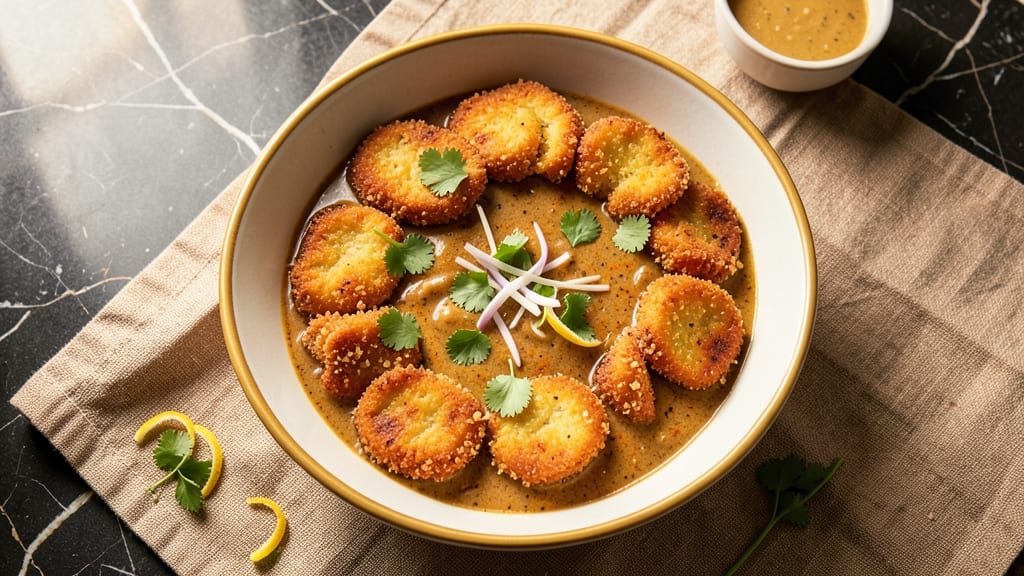
Sweet potato katsu curry transforms humble sweet potatoes into crispy, golden cutlets swimming in velvety coconut curry—this Japanese-inspired dish delivers restaurant-quality comfort with just a few simple techniques. The key lies in the breading: a crispy panko crust that stays crunchy even after frying, paired with a rich, spiced curry sauce that balances sweet, savory, and umami perfectly. I've perfected this recipe over years of testing, ensuring every bite delivers that satisfying contrast of textures and flavors.
The breading process is where the magic happens—thinly sliced sweet potatoes get coated in flour, beaten egg, and panko breadcrumbs for that signature crispy exterior that shatters with each bite. Meanwhile, the curry sauce simmers gently with coconut milk, aromatic spices, and a touch of honey to balance the richness.
What makes this dish special is how the sweet potatoes absorb the curry flavors while maintaining their natural sweetness, creating a harmonious blend that's both comforting and exciting.
By the time you plate this dish, you'll have perfectly golden katsu cutlets arranged over a bed of steamed rice, generously drizzled with that luscious coconut curry. The crispy edges of the katsu contrast beautifully with the creamy, slightly thickened sauce, while the rice soaks up every last drop.
This is the kind of meal that feels indulgent yet balanced—ideal for weeknight dinners or impressing guests with minimal effort.
Serve with pickled vegetables or a simple green salad to cut through the richness, and don't forget to garnish with fresh cilantro or a sprinkle of sesame seeds for extra flavor.
The recipe scales easily, so you can make it for a crowd or save leftovers for another day—the curry sauce actually tastes better the next day as the flavors meld. Let's get started on creating this comforting, crispy masterpiece!
Ingredients for sweet potato katsu curry
Sweet potatoes, crispy breading, and velvety coconut curry—just 15 simple ingredients for restaurant-quality comfort food.
| Ingredient | Amount | Notes |
|---|---|---|
| Japanese Sweet Potatoes 🍠 | 2 lb | Medium size, peeled and sliced thin |
| All-Purpose Flour 🌾 | 1 cup | For dredging sweet potatoes |
| Large Eggs 🥚 | 2 whole | Beaten for egg wash |
| Panko Breadcrumbs 🍞 | 2 cups | Japanese-style preferred |
| Vegetable Oil 🫒 | 2 cups | For deep frying |
| Coconut Milk 🥥 | 1 can | Full-fat, 13.5 oz can |
| Curry Powder 🌶️ | 2 tbsp | Japanese or mild curry |
| Garlic Cloves 🧄 | 4 cloves | Minced for sauce |
| Ginger Root 🌿 | 1 tbsp | Freshly grated |
| Honey 🍯 | 1 tbsp | For balancing flavors |
| Soy Sauce 🍶 | 2 tbsp | For umami depth |
| White Rice 🍚 | 2 cups | Uncooked, long-grain |
| Salt 🧂 | 1 tsp | Kosher or sea salt |
| Black Pepper 🌶️ | ½ tsp | Freshly ground |
| Fresh Cilantro 🌿 | ¼ cup | Chopped for garnish |
The sweet potatoes make or break this dish. Japanese sweet potatoes are ideal—they're sweeter and hold their shape better than regular ones. Grab a couple pounds from the produce section (the orange ones, not the purple-skinned kind). Peeled and sliced paper-thin, they fry up perfectly crispy. For the breading, Japanese panko is a must—it's lighter and stays crunchier than regular breadcrumbs. You'll find it in the international aisle or Asian market. If you can't find it, regular panko works, but it'll be denser. The key is slicing the potatoes evenly—use a mandoline if you've got one, or ask the butcher at your grocery store to slice them thinly.
No Japanese curry powder? Substitute 1 tbsp each of turmeric, cumin, and coriander—it won't be identical, but it'll get you close. Running out of coconut milk? Heavy cream plus a splash of cream cheese mimics the richness (though it won't be vegan). The honey is essential for balancing the curry's heat—don't skip it. For extra umami, add a teaspoon of fish sauce if you're not avoiding it, or a dash of Worcestershire sauce. The cilantro is optional, but it adds that fresh finish that makes the dish pop. If you hate cilantro, skip it—no judgment here. The soy sauce can be tamari for gluten-free, and the rice? Any long-grain white works, but jasmine rice has a nicer aroma.
Fry the sweet potatoes in small batches—they'll soak up oil like crazy. Keep them warm in a 200°F oven while you make the sauce. The curry sauce actually tastes better the next day as the flavors meld, so make extra if you're planning leftovers. Store the cutlets separately from the sauce—they'll stay crispy for 3 days in the fridge. The sauce keeps 5 days, and both freeze beautifully for 3 months. Portion the rice and curry separately when reheating so it doesn't get soggy. Garnish with sesame seeds if you've got them—they add that extra restaurant touch.
Why You'll Love This Recipe
- Crispy in Minutes: I slice those sweet potatoes thin—no peeling needed—and coat them in flour, egg, then panko. Two minutes in hot oil, and you’ve got golden, shatteringly crispy katsu that’ll make you question why you ever bought frozen.
- Sweet-Savory Magic: That caramelized sweet potato soaking into the curry? It’s like dessert and dinner had a baby. The panko stays crisp while the inside melts—honestly, I’ve ruined perfectly good curry trying to replicate this balance.
- Lunchbox Hero: Make a double batch on Sunday, and you’ve got weeknight dinners sorted. The curry reheats like a dream, and the katsu stays crispy even after two days. My kids pack it for school—yes, even on a Tuesday night.
- Budget Crunch-Saver: Japanese sweet potatoes are cheap, and you use the whole thing—no waste. A single egg and a handful of panko stretch this recipe to feed four for under $10. Between us, this is my go-to when the grocery budget’s tight.
Step-by-step instructions for sweet potato katsu curry
Here's how to create perfectly crispy sweet potato cutlets paired with a rich, aromatic curry sauce.
Prepare the Sweet Potato Cutlets
Start by slicing the 2 lb Japanese Sweet Potatoes into ½-inch thick rounds. I like to use a mandoline for even slices, but a sharp knife works too. Arrange the slices on a baking sheet and microwave for 3-4 minutes to soften slightly—this prevents them from breaking during breading. Let them cool completely before proceeding.
Set up three shallow bowls: one with 1 cup All-Purpose Flour, one with the 2 whole Large Eggs beaten until frothy, and one with 2 cups Panko Breadcrumbs. Working in batches, dredge each potato slice through the flour, dip in the egg wash, then press into the panko, coating evenly on all sides. Let them rest on a wire rack for 5 minutes—this helps the breading adhere better.
Deep-Fry for Maximum Crispiness
Heat 2 cups Vegetable Oil in a deep skillet to 350°F—use a thermometer to monitor the temperature. Fry the breaded sweet potato slices in batches for 2-3 minutes per side until they turn deep golden brown and float in the oil. The key here is patience: if you rush, they'll absorb too much oil and lose crispiness.
Transfer the fried cutlets to a paper towel-lined plate to drain excess oil. Keep them warm in a 200°F oven while you prepare the curry sauce. Don't skip this step—the residual heat maintains their crunch until serving.
Build the Curry Sauce
In a large pot, combine the 1 can Coconut Milk, 2 tbsp Curry Powder, 4 cloves Garlic Cloves (minced), 1 tbsp Ginger Root (grated), 2 tbsp Soy Sauce, and 1 tbsp Honey. Bring to a simmer over medium heat, then reduce to low. Let it cook uncovered for 15-20 minutes, stirring occasionally, until the sauce thickens slightly and the coconut aroma fills your kitchen.
Here's the thing—don't walk away. The sauce needs constant attention to prevent burning, especially around the edges. You'll know it's ready when it coats the back of a spoon smoothly and the curry flavor is deeply developed.
Cook the Rice and Assemble
Rinse the 2 cups White Rice thoroughly under cold water, then cook it according to package instructions. While it steams, return the fried sweet potato cutlets to the pot with the curry sauce. Gently simmer for 5-7 minutes to heat through and absorb the rich flavors.
Season the sauce with 1 tsp Salt and 0.5 tsp Black Pepper to taste. The curry should be fragrant, slightly sweet from the honey, and perfectly balanced between coconut richness and spice. Garnish with 0.25 cup Fresh Cilantro just before serving.
Serve with Perfect Timing
Divide the cooked rice among bowls, top with 2-3 sweet potato cutlets per serving, and ladle the hot curry sauce generously over the top. The contrast of crispy cutlets against the creamy sauce is what makes this dish special. Serve immediately while the breading is still crisp and the sauce is piping hot.
Pro tip: If the cutlets lose crispiness while serving, pop them back in a 375°F oven for 2-3 minutes to restore their crunch. This recipe delivers that perfect balance of textures—crispy, creamy, and comforting all at once.
Pro Tips For Making Sweet Potato Katsu Curry
- Fry in Batches: The oil’s temperature drops fast when you toss in sweet potatoes—crowding the pan turns your crispy katsu into soggy pancakes. Fry 1-2 pieces at a time, even if it means two trips to the pan. I learned this the hard way when my first batch came out greasy and limp.
- Slice Evenly, No Thickness Wars: Japanese sweet potatoes vary in size, but uneven slices mean some parts cook faster than others. Cut them into ½-inch thick rounds, then trim any oddly shaped edges so they all hit the oil at the same time. Trust me, your curry sauce will thank you when every bite has the same perfect texture.
- Double-Dip the Panko: Skip the lazy single coat—press each piece into a mix of beaten egg and panko, then flip and repeat. The extra crunch isn’t just for show; it’s what keeps the sweet potato from falling apart when you bite into it. (Yes, it’s messy, but your katsu will be worth the cleanup.)
- Rest Before Dipping: Hot katsu straight into curry sauce? That’s a one-way ticket to mushy potatoes. Let the fried pieces cool for 2-3 minutes on a wire rack before adding them to the sauce. The crust stays intact, and the sweet potato absorbs the flavors instead of turning to mush.
Perfect pairings for this dish
Curry Sauce Upgrades
Boost your curry with 1 tbsp tomato paste for depth—it adds a subtle tang that cuts through the coconut richness. I also like adding ½ cup diced onions and 1 tbsp apple cider vinegar to brighten the flavor profile.
For extra umami, stir in 1 tsp fish sauce or a splash of Worcestershire sauce during the final 5 minutes of simmering. 🌶️
Rice Variations
Swap white rice for jasmine rice—its floral aroma complements the curry beautifully. For a heartier dish, serve over forbidden black rice or even cauliflower rice for a low-carb option. I've also had great success with sushi rice—just add 1 tsp rice vinegar while cooking for extra stickiness. 🍚
Protein Swaps
While sweet potatoes shine, you can easily substitute chicken thighs or pork cutlets for a traditional katsu experience. For a vegetarian option, try breaded eggplant or zucchini slices—they absorb the curry flavors wonderfully. I've even used tofu pressed and breaded in the same way for a plant-based version. 🥗
Garnish Ideas
Fresh cilantro is my go-to garnish, but thai basil adds a unique anise note. For extra crunch, sprinkle toasted sesame seeds or crushed peanuts on top. A drizzle of chili oil or a squeeze of lime right before serving adds a bright finish that cuts through the richness. ✨
Side Dish Pairings
Serve with quick-pickled cucumbers—toss 1 cup sliced cucumbers with 2 tbsp rice vinegar and 1 tsp sugar for a refreshing contrast. A simple steamed broccoli with garlic and sesame seeds also works beautifully. For something heartier, add miso-glazed eggplant or teriyaki green beans to round out the meal. 🥬
Beverage Matchups
A crisp green tea like Sencha complements the dish's delicate flavors without overpowering. For something stronger, try a light lager or sake—both cleanse the palate beautifully. If you prefer wine, a dry Riesling with its citrus notes provides an interesting contrast to the coconut and spices. 🍶
Nutrition facts
Frequently asked questions
Can I use regular potatoes instead of sweet potatoes?
While you can technically substitute regular potatoes, sweet potatoes are ideal for this dish. Their natural sweetness balances the curry sauce beautifully and holds up better during frying. If you must use regular potatoes, choose waxy varieties like Yukon Gold and slice them slightly thinner to prevent them from becoming too dense.
How do I keep the breading extra crispy?
The secret is frying at the right temperature and keeping them warm. Use a thermometer to maintain 350°F oil and fry in batches—overcrowding lowers the temperature. After frying, transfer to a wire rack (not paper towels) to drain excess oil. Keep warm in a 200°F oven while finishing the curry. For extra crunch, sprinkle a pinch of salt on the breading before frying.
What if my curry sauce is too thin?
Don't panic! If the sauce is too thin, simmer it uncovered for 5-10 more minutes to reduce. For a quicker fix, mix 1 tsp cornstarch with 1 tbsp water and stir it in while the sauce simmers. The coconut milk will naturally thicken as it cools, so don't worry if it looks perfect in the pot—it'll be just right when served over warm rice.
Can I make this recipe ahead of time?
The curry sauce actually tastes better the next day as flavors meld. Store the sauce separately from the cutlets in airtight containers. Reheat the sauce gently on the stove, then warm the cutlets in a 375°F oven for 3-4 minutes to restore crispiness. The rice can be cooked fresh or reheated with a splash of water to prevent drying.
Why does my breaded potato fall apart?
This usually happens if the potatoes aren't dry enough before breading or if they're too thick.