
Side Dishes
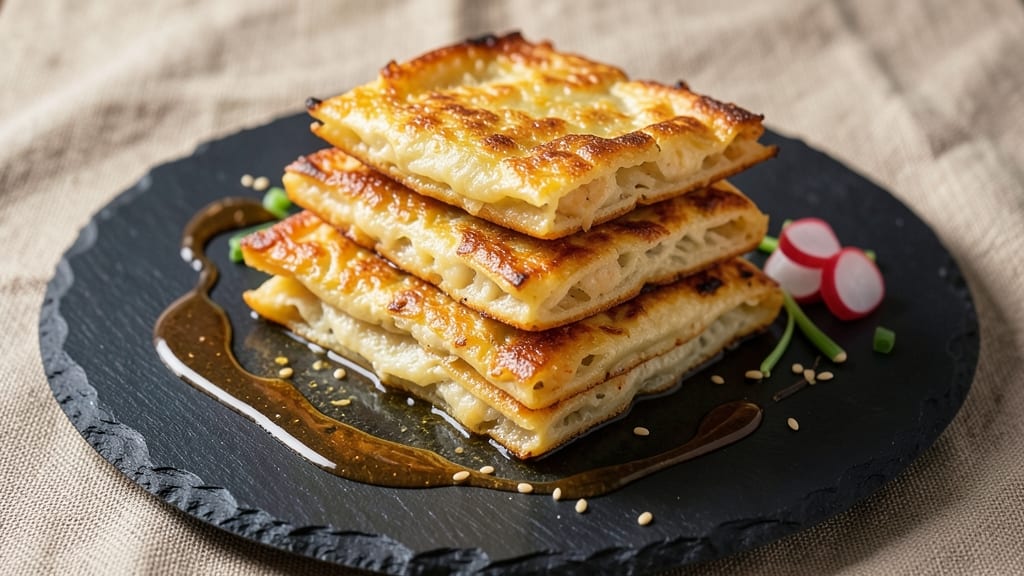
This sweet potato jeon recipe delivers the perfect balance of crispy edges and chewy centers, transforming simple ingredients into a restaurant-worthy Korean pancake. The secret lies in the batter—grated sweet potato mixed with flour, egg, and just the right amount of salt—creating a texture that's both satisfying and delicate.
I've perfected this technique after countless batches, ensuring every bite achieves that coveted contrast between golden, shatteringly crisp edges and a tender, slightly chewy interior.
The magic happens in the pan-frying process, where high heat and a little patience create those irresistible crispy edges while keeping the center perfectly cooked. Unlike traditional jeon, sweet potatoes add natural sweetness that pairs beautifully with the savory flavors, making this dish both comforting and exciting.
This recipe is designed to be approachable yet impressive, ideal for weeknight dinners or special occasions when you want to bring a taste of Korea to your table.
What you'll end up with is a stack of golden-brown jeon that sizzles when you cut into them, releasing an aroma that's equal parts savory and sweet. The crispy exterior gives way to a tender, flavorful interior that's impossible to resist.
Serve them with a simple soy-vinegar dipping sauce or a side of kimchi to enhance the flavors even further. Each bite is a perfect harmony of textures and tastes, proving that homemade can truly rival restaurant quality.
Whether you're serving these as a side dish or a main course, they're sure to become a favorite. The recipe scales easily, so you can make a single serving or feed a crowd without any extra effort.
Let's get started on creating these delicious, crispy sweet potato jeon that will have everyone asking for seconds.
Ingredients for sweet potato jeon
Simple ingredients that create crispy, chewy magic—just 13 staples for restaurant-style jeon.
| Ingredient | Amount | Notes |
|---|---|---|
| Sweet Potatoes 🍠 | 2 medium | Peeled, grated (about 4 cups) |
| All-Purpose Flour 🌾 | 1 cup | Light, not self-rising |
| Large Eggs 🥚 | 2 whole | Room temperature |
| Vegetable Oil 🫒 | ½ cup | For frying (neutral flavor) |
| Granulated Sugar 🍚 | 2 tbsp | Balances sweetness |
| Salt 🧂 | ½ tsp | Kosher or sea salt |
| Black Pepper 🌶️ | ¼ tsp | Freshly ground |
| Green Onions 🧅 | 3 whole | Thinly sliced, for garnish |
| Sesame Seeds 🌾 | 1 tbsp | Toasted for crunch |
| Vegetable Oil Spray 🫒 | 1 tbsp | For pan coating |
| Rice Vinegar 🍶 | 1 tbsp | For dipping sauce |
| Soy Sauce 🥢 | 1 tbsp | For dipping sauce |
| Sesame Oil 🫒 | ½ tsp | For dipping sauce |
Sweet potatoes are the star here, so pick firm, vibrant orange ones—avoid any with soft spots. I grab mine from Trader Joe's when they're in season, but any grocery store carries them year-round. Peel them first, then grate using the large holes on a box grater. Squeeze out excess moisture with a clean kitchen towel or cheesecloth—this is key for crispy edges. The grated yield should be about 4 cups for 2 medium sweet potatoes. For extra flavor, I like to add a pinch of cinnamon to the grated mix, but it's totally optional.
No sesame seeds? Toasted poppy seeds or crushed peanuts work in a pinch. Out of rice vinegar? Apple cider vinegar or lemon juice keeps the tang. The dipping sauce is flexible—swap soy sauce for tamari if you prefer gluten-free. For the pan-frying, keep the oil hot but not smoking (around 350°F). If your oil starts smoking, let it cool slightly. The batter should be thick but pourable—adjust with a splash more flour if needed. And trust me, don't skip the resting time between batches—it keeps the oil temperature steady for perfect crispiness.
Jeon reheat beautifully—just pop them in a 350°F oven for 5-7 minutes to restore crispiness. Store leftovers in an airtight container for up to 3 days in the fridge. For longer storage, freeze cooked jeon on a tray first (to prevent sticking), then transfer to a bag for up to 2 months. The dipping sauce keeps for 1 week in the fridge, but add a splash of water if it thickens. Double the batter if you're feeding a crowd—these disappear fast!
Why You'll Love This Recipe
- Crispy in Minutes: I swear by the magic of thinly sliced sweet potatoes—no peeling, no fuss, just quick dips in batter and into the pan. That golden crust happens faster than you can make coffee.
- Sweet-Savory Magic: The sugar in the batter caramelizes just enough to balance the earthy sweet potatoes, while the egg gives it that irresistible chew. Honestly, the first bite makes me forget it’s a weeknight.
- Breakfast or Dinner: These jeon work as a quick breakfast with a fried egg on top or a hearty dinner with kimchi and a side salad. My college-aged kids grab them straight from the pan—no plates needed.
- Budget-Friendly Staples: Sweet potatoes and flour last forever, and eggs stretch further than you’d think. Between us, I’ve fed six people for under $10 with this recipe—leftovers? They disappear just as fast.
Step-by-step instructions for sweet potato jeon
Here's how to make these crispy Korean pancakes with perfect texture every time.
Prep the Sweet Potato Base
Start by peeling the 2 medium sweet potatoes and grating them using the large holes of a box grater. You should end up with about 4 cups of grated sweet potato—it's okay if there are a few small pieces, but try to keep them even. Transfer the grated sweet potato to a clean kitchen towel and squeeze out as much moisture as possible. This step is crucial for crispy jeon because excess moisture prevents proper browning.
In a large mixing bowl, combine the grated sweet potatoes with the 1 cup all-purpose flour, 2 whole large eggs, 2 tablespoons granulated sugar, 0.5 teaspoon salt, and 0.25 teaspoon black pepper. Use a spatula or your hands to mix everything thoroughly until you have a thick, dough-like consistency. The batter should hold its shape when pressed gently but still be workable—this ensures crispy edges and chewy centers when fried.
Rest the Batter
Cover the bowl with plastic wrap and let the batter rest at room temperature for at least 30 minutes. This resting period allows the flour to fully absorb the moisture from the sweet potatoes, which prevents the jeon from becoming soggy when fried. I like to give it a good 45 minutes if I have the time—this extra rest makes a noticeable difference in texture.
While the batter rests, prepare your frying setup. Heat a large skillet over medium heat and lightly spray with the 1 tablespoon vegetable oil spray. The pan should be hot enough that a drop of water sizzles and evaporates immediately when flicked onto the surface. Having the pan ready prevents waiting time later, which can make the batter too warm and difficult to handle.
Fry the Jeon to Golden Perfection
Using a spoon or small ice cream scoop, portion out about ¼ cup of batter for each jeon. Gently flatten each portion in your hand into a round shape about ¼-inch thick. Place the shaped jeon into the hot skillet, spacing them about 1 inch apart—they'll expand as they cook. Don't overcrowd the pan or they'll steam instead of crisp.
Cook for 3-4 minutes per side until the edges are deep golden brown and the centers are set but still slightly soft. You'll know they're ready when you see crispy edges forming and the underside releases easily from the pan. Transfer the cooked jeon to a paper towel-lined plate to drain excess oil. Repeat with the remaining batter, adding more oil spray to the pan as needed to maintain even heat.
Prepare the Dipping Sauce
While the jeon are still warm, prepare the dipping sauce by combining the 1 tablespoon rice vinegar, 1 tablespoon soy sauce, and 0.5 teaspoon sesame oil in a small bowl. Whisk gently to blend the flavors. This tangy, savory sauce cuts through the sweetness of the jeon beautifully—it's the perfect balance.
For extra texture, toast the 1 tablespoon sesame seeds in a dry skillet over medium heat for 1-2 minutes until fragrant and lightly golden. Sprinkle them over the warm jeon just before serving. Also, thinly slice the 3 whole green onions and scatter them on top for a fresh, crisp contrast to the crispy pancakes.
Serve Immediately
Jeon are best served fresh while they're still warm and crispy. Arrange them on a platter and serve with the dipping sauce on the side. The contrast between the crispy edges and chewy centers is what makes these pancakes so satisfying—each bite should deliver that perfect texture combination.
If you're feeling adventurous, try adding a fried egg on top of each jeon for a classic Korean breakfast-style presentation. The runny yolk will soak into the crispy pancake, creating an irresistible combination. Enjoy these sweet potato jeon while they're hot—every crispy bite is worth the effort!
Pro Tips For Making Sweet Potato Jeon
- GRATE THEM COLD: Sweet potatoes release more starch when chilled—rub them with a little oil after grating, then refrigerate for 30 minutes. This keeps the batter from turning gummy when frying, and the texture stays crispier longer. (Yes, even if you're impatient like me—just don’t skip it.)
- USE LESS FLOUR THAN YOU THINK: Jeon batter should coat a spoon like thin pancake batter, not thick pancake batter. Start with 1 cup flour per 2 cups grated sweet potato, then adjust with water. Too much flour makes them dense; too little makes them fall apart. (I learned this the hard way—my first batch was a sad, soggy mess.)
- FRY IN BATCHES OF 3: Crowd the pan, and the oil temp drops, leading to greasy, uneven cooking. Work in small batches—3 jeon at a time—so the oil stays hot enough for a golden crust. (Sounds obvious, but I’ve seen people fry 6 at once and wonder why theirs are limp.)
- SALT THE BATTER AFTER RESTING: Let the batter sit for 10 minutes before adding salt (about ½ teaspoon per egg). This lets the starches settle, and the salt dissolves better, seasoning the whole jeon evenly. (Does it look weird? Yes. Does it work? Every single time.)
Regional styles of this recipe
Korean Street Food Roots
Sweet potato jeon trace their origins to Korea's bustling street food culture, where vendors transformed simple ingredients into crispy, handheld delights. In Seoul's markets, these pancakes became a beloved late-night snack, often served with a side of kimchi and a cold beer.
The technique of pan-frying sweet potatoes with flour and egg dates back centuries, evolving from traditional jeon made with cabbage or seafood. 🌆
Modern Korean households adapted the recipe to use sweet potatoes, which were more accessible and added natural sweetness that balanced the savory flavors. The dish became especially popular during harvest seasons when sweet potatoes were abundant.
Today, you'll find variations in every region—some add gochujang for spice, while others keep it simple with just salt and pepper.
Japanese Okonomiyaki Influence
While sweet potato jeon are distinctly Korean, they share techniques with Japan's okonomiyaki, another savory pancake. Both dishes rely on a similar batter of grated vegetables, flour, and egg, cooked in a hot pan until crispy.
The key difference? Okonomiyaki often includes cabbage and a thicker batter, while Korean jeon focus on the sweet potato's natural sweetness and a lighter texture. 🍽️
In Osaka, okonomiyaki chefs inspired Korean street vendors by demonstrating how to achieve crispy edges through precise heat control. The two dishes even share similar dipping sauces—Japan's okonomiyaki sauce (a mix of Worcestershire, soy, and sugar) became the foundation for Korea's soy-vinegar dipping sauce.
Try adding a dash of gochugaru (Korean chili flakes) to your dipping sauce for a spicy twist inspired by this cross-cultural exchange.
Southern Korean Coastal Twist
Along Korea's southern coast, fishermen's wives adapted jeon to use whatever seafood was fresh that day, but sweet potato jeon remained a staple in inland regions. In Busan, you might find a version with anchovy flakes mixed into the batter, adding umami depth.
The coastal influence shows in the dipping sauce too—some versions include kelp powder or seaweed flakes for a briny contrast to the sweet potatoes. 🌊
For a coastal-inspired variation, stir 1 teaspoon anchovy flakes into your batter before frying. The umami will complement the sweet potatoes beautifully.
Serve with a dipping sauce made by whisking 1 tablespoon soy sauce, 1 tablespoon rice vinegar, and ½ teaspoon sesame oil with a pinch of kelp powder (available in Asian markets).
Modern Fusion Adaptations
Today's chefs are reimagining sweet potato jeon with global flavors while keeping the core technique intact. In Los Angeles, Korean fusion restaurants serve truffle-infused versions with shaved parmesan and a drizzle of truffle oil. The crispy texture remains the same, but the flavor profile becomes luxurious. 🌟
For a fusion twist at home, mix ½ cup grated parmesan into your batter before frying. Top each jeon with a dollop of sour cream and a sprinkle of fresh dill after cooking.
Serve with a dipping sauce made by blending 2 tablespoons sour cream, 1 tablespoon soy sauce, and ½ teaspoon white truffle oil. This fusion keeps the crispy-chewy texture while adding a creamy, herby dimension.
Seasonal Harvest Variations
In Korea, sweet potato jeon become a seasonal favorite during autumn harvests when sweet potatoes are at their peak. Vendors often add cinnamon or nutmeg to the batter for warmth, creating a dessert-like version.
The natural sweetness of the potatoes shines when paired with these spices, making it a popular street food during fall festivals. 🍂
For a seasonal adaptation, add ½ teaspoon cinnamon and ¼ teaspoon nutmeg to your batter. After frying, serve with a dipping sauce made by mixing 1 tablespoon honey, 1 tablespoon soy sauce, and ½ teaspoon rice vinegar.
The sweet-spiced jeon pair beautifully with a cup of hot green tea or chamomile tea for a comforting autumn treat.
Nutrition facts
Frequently asked questions
Can I use regular potatoes instead of sweet potatoes?
Regular potatoes won't work well because they lack the natural sweetness and moisture balance that makes sweet potato jeon special. The starch content in regular potatoes would make the batter too watery and prevent proper crispiness. For the best results, stick with sweet potatoes—their natural sugars caramelize beautifully during frying, creating that perfect crispy-chewy texture.
How do I make the jeon extra crispy?
For maximum crispiness, ensure your pan is properly heated (oil should be hot but not smoking) and don't overcrowd the pan. Squeeze out ALL excess moisture from the grated sweet potatoes before mixing, and let the batter rest for at least 45 minutes to absorb any remaining liquid. Use a nonstick pan with a thin layer of oil, and cook until the edges are deep golden brown—this usually takes about 3-4 minutes per side.
Can I make sweet potato jeon ahead of time?
Fresh jeon are best served immediately, but you can prep components ahead: Make the batter and store it in the fridge for up to 24 hours, or freeze cooked jeon for up to 2 months. To reheat, pop them in a 350°F oven for 5-7 minutes with a sprinkle of oil to restore crispiness. For the dipping sauce, mix ingredients just before serving—it keeps for 1 week in the fridge but tastes best fresh.
What if my batter is too thick or too thin?
If the batter is too thick, add 1-2 tablespoons of water at a time until it reaches a workable consistency—it should be pourable but still hold its shape when pressed. If it's too thin, add 1-2 tablespoons of flour to thicken. The ideal batter should be like thick pancake batter—neither too runny nor too stiff. Always let it rest after adjusting to ensure proper texture.
Can I add other vegetables to the batter?
Try finely grated zucchini, carrot, or red bell pepper for extra flavor and texture. Just be sure to squeeze out excess moisture from any added vegetables to maintain crispiness. For a fusion twist, mix in ½ cup shredded cabbage (like in traditional jeon) or 1 tablespoon chopped scallions for freshness. The key is keeping the batter balanced so it doesn't become too watery.