
Side Dishes
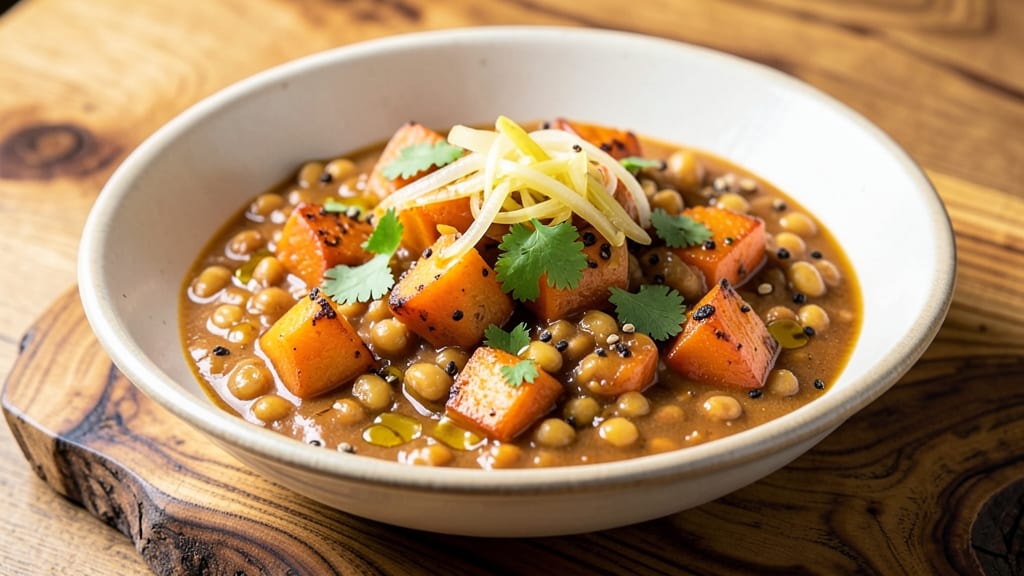
This sweet potato dal recipe transforms humble lentils and sweet potatoes into a hearty, spiced dish that bridges comfort and tradition. The key lies in slow-cooked lentils and caramelized sweet potatoes, creating a dish that’s both nourishing and deeply flavorful—perfect for vegans or anyone craving a plant-based powerhouse.
Traditional Indian techniques like tempering spices and soaking lentils ensure every bite is packed with warmth and depth.
The beauty of this dal is its versatility—serve it as a side with roti or naan, or let it stand alone as a satisfying main course. The sweet potatoes add natural sweetness that balances the earthy lentils, while cumin, coriander, and turmeric build layers of aromatic complexity.
No special equipment is needed, just patience for the lentils to soften and the spices to meld into a fragrant broth.
What makes this recipe special is how it elevates simple ingredients into something extraordinary. The lentils become tender yet hold their shape, while the sweet potatoes caramelize slightly, adding a touch of sweetness that rounds out the dish.
Garnish with fresh cilantro and a squeeze of lemon for brightness, and you’ve got a dal that’s as comforting as it is impressive.
Whether you’re meal prepping for the week or cooking for a gathering, this dal delivers rich, spiced flavors with minimal effort. The long simmering process allows the spices to infuse deeply, resulting in a dish that’s both restaurant-worthy and deeply personal. Ready to create something memorable?
Ingredients for sweet potato dal
Transform humble lentils and sweet potatoes into a rich, aromatic dal with these carefully chosen ingredients.
| Ingredient | Amount | Notes |
|---|---|---|
| Yellow Lentils (Masoor Dal) 🌾 | 1 ½ cups | Rinsed thoroughly before cooking |
| Sweet Potatoes 🍠 | 2 medium | Peeled, cubed into 1-inch pieces |
| Yellow Onion 🧅 | 1 whole | Finely chopped, about 1 cup |
| Garlic Cloves 🧄 | 4 cloves | Minced, for tempering |
| Fresh Ginger 🌿 | 1 inch | Grated, for aromatic base |
| Ground Cumin 🌿 | 1 tbsp | Toasted for deeper flavor |
| Ground Coriander 🌿 | 1 tbsp | Freshly ground preferred |
| Turmeric Powder 🌶️ | ½ tsp | Bright yellow for color |
| Garam Masala 🌶️ | 1 tsp | Store-bought or homemade blend |
| Coconut Milk (Full-Fat) 🥥 | ½ cup | For creaminess, not water |
| Lemon Juice 🍋 | 2 tbsp | Freshly squeezed, for brightness |
| Fresh Cilantro 🌿 | ¼ cup | Chopped, for garnish |
| Vegetable Oil 🫒 | 3 tbsp | High smoke point preferred |
| Salt 🧂 | 1 ½ tsp | Adjust to taste |
| Asafoetida (Hing) 🌶️ | ⅛ tsp | Optional, for depth (pinch) |
The lentils and sweet potatoes are the foundation, so quality matters. Yellow lentils hold their shape beautifully, while organic sweet potatoes from the grocery store’s produce section add natural sweetness. For the spices, Penzeys or local Indian markets offer the freshest ground cumin and coriander—look for vibrant colors and no clumping. The garlic and ginger should be fresh, with no signs of sprouting or discoloration. If you’re short on time, pre-chopped frozen ginger works in a pinch, though freshly grated is ideal. The garam masala can be store-bought, but if you’re feeling adventurous, blend cumin, coriander, cinnamon, cardamom, and cloves for a custom touch.
No yellow lentils? Red lentils or split peas work in a pinch, though they’ll break down more. Substitute sweet potatoes with regular potatoes or butternut squash for a different texture, but the natural sweetness will shift. Fresh ginger and garlic can be swapped for powdered versions at half the amount, though the flavor won’t be as bright. Coconut milk can be replaced with cashew cream or extra vegetable broth, though the dish will be lighter. For extra richness, stir in 1 tablespoon of tahini at the end—it adds a nutty depth that pairs perfectly with the spices. If you’re avoiding asafoetida, a pinch of black salt (kala namak) adds a similar umami kick.
This dal tastes even better the next day as the flavors meld. Store in an airtight container in the fridge for up to 5 days, or freeze portions for 3 months. To reheat, add a splash of water or coconut milk and simmer gently. The sweet potatoes will soften further, intensifying their caramelized notes. For meal prep, double the batch and portion into containers—pair with steamed basmati rice or warm naan for a complete meal. Garnish with fresh cilantro just before serving to keep it vibrant.
Why You'll Love This Recipe
- One-Pot Magic: I swear by this recipe when I’m too tired to wash extra bowls. The sweet potatoes soften right in the pot with the dal—no chopping boards, no stress. Just toss everything in, simmer, and let the flavors meld.
- Sweet & Savory Balance: Between the earthy masoor dal, the natural sweetness of the potatoes, and that sharp kick from fresh ginger, every bite feels like a hug. Honestly, the garlic-to-onion ratio is where it shines—crispy edges on the onions? Yes, please.
- Meal Prep MVP: This dal tastes just as good the next day, which is perfect for me. I double the batch on Sundays—some for lunch, some for dinner—and reheat it with a splash of water. (Yes, even on a Tuesday night.)
- Budget-Friendly Powerhouse: Sweet potatoes and yellow lentils are my wallet’s best friends. A single bag of each stretches for weeks, and I never feel like I’m sacrificing flavor. Plus, the leftovers? They’re basically free lunches.
Step-by-step instructions for sweet potato dal
Here's the method for creating a rich, spiced dal with perfectly roasted sweet potatoes.
Roast the Sweet Potatoes and Onion Until Caramelized
Preheat your oven to 400°F. Toss the 2 medium sweet potatoes (cubed into 1-inch pieces) and 1 whole yellow onion (finely chopped) with 1 tablespoon vegetable oil on a baking sheet. Spread them in a single layer, ensuring the pieces aren't crowded.
Roast for 25-30 minutes, stirring halfway through, until the sweet potatoes are tender when pierced with a fork and the edges of the onion begin to caramelize. The aroma should be sweet and nutty—this is your signal they're ready. Remove from the oven and set aside.
Pressure Cook the Lentils Until Tender
In a pressure cooker, combine the 1.5 cups yellow lentils (masoor dal) with 4 cups water. Add 1.5 teaspoons salt, 0.5 teaspoon turmeric powder, 1 teaspoon garam masala, and 0.125 teaspoon asafoetida (hing). Seal the lid and cook on high pressure for 10 minutes.
Release the pressure naturally, then stir the lentils until they're creamy but still hold their shape. The lentils should be fork-tender with a slight bite—this ensures they don't turn mushy in the final dish. Keep warm while you prepare the rest of the dal.
Temper the Spices for Maximum Flavor
In a heavy-bottomed pot, heat 2 tablespoons vegetable oil over medium heat. Add 4 cloves minced garlic and 1 inch grated ginger, cooking for 30 seconds until fragrant but not browned. Immediately add 1 tablespoon ground cumin and 1 tablespoon ground coriander, stirring constantly for 1 minute until the spices sizzle and release their aroma.
This step, called tempering, unlocks the full depth of flavor in the spices. The oil should shimmer and the spices should dance—this ensures they infuse into the dal rather than settling at the bottom.
Combine and Simmer the Dal
Add the roasted sweet potatoes, onion, and cooked lentils to the pot. Stir in 0.5 cup full-fat coconut milk and 2 tablespoons lemon juice. Bring to a gentle simmer over low heat for 5-7 minutes, stirring occasionally, until the flavors meld and the dal thickens slightly. The coconut milk should create a velvety texture while the lemon juice brightens the dish.
Taste and adjust seasoning with additional salt or garam masala if needed. The dal should be rich, slightly sweet from the roasted vegetables, and balanced with tangy brightness.
Finish and Garnish
Remove the pot from heat and stir in the 0.25 cup chopped fresh cilantro. Let the dal rest for 5 minutes to allow the flavors to settle. The cilantro adds a fresh contrast to the rich, spiced base.
Serve immediately with steamed rice or warm naan. The dal should be thick enough to coat the back of a spoon but still spoonable. Each bite should deliver the earthy sweetness of the roasted sweet potatoes, the warmth of the spices, and the creamy texture of the coconut milk.
Pro Tips For Making Sweet Potato Dal
- SOAK THE DAL FIRST: I learned this the hard way—skipping the soak means your masoor dal will stay stubbornly firm no matter how long you simmer. Rinse the lentils, then soak them in warm water for at least 30 minutes (or up to 2 hours if you’re patient). This cuts cooking time in half and guarantees a creamy, tender texture that actually melts in your mouth.
- PEEL AND CUBE THE POTATOES: Sweet potatoes don’t need peeling—just scrub them clean—but cutting them into 1-inch cubes is non-negotiable. Smaller pieces cook faster and absorb the dal’s flavors better. Pro move: Toss the cubes in a pinch of salt and turmeric before adding them to the pot. This keeps them from turning mushy while adding a subtle golden hue.
- SWEAT THE ONIONS LOW AND SLOW: After burning three batches of onions, I finally figured out: low heat is your friend. Cook the onions for 8-10 minutes until they’re soft and translucent, not browned. This builds flavor without bitterness and ensures the garlic and ginger don’t burn when they join the party. (Yes, even if you’re impatient like me.)
- PRESSURE-COOK THE DAL HALFWAY: Sounds weird, but it works: Cook the dal in a pressure cooker (or heavy pot) for 10 minutes before adding the sweet potatoes. This breaks down the lentils just enough so they finish cooking evenly with the potatoes—no one likes a dal where the lentils are mushy and the potatoes are raw. Then switch to simmering for the final 15 minutes.
Common mistakes when making this dish
Overcooking the Lentils
Yellow lentils should be tender but still hold their shape—overcooking turns them into mush. If you pressure cook them for more than 10 minutes, they’ll break down completely. I’ve ruined dal this way, and it’s a sad, gloopy mess.
After releasing pressure, give them a quick stir and taste: they should be soft but still have a slight bite. If they’re too firm, simmer them in the dal for an extra 5 minutes—this adds flavor without overcooking. 🌾
Skipping the Roast
Roasting the sweet potatoes and onions brings out their natural sweetness and caramelized depth. If you skip this step and just boil them, your dal will taste flat and one-dimensional. I once made dal without roasting and was disappointed by how bland it was.
Set your oven to 400°F and roast for 25-30 minutes—the extra effort is worth it for that rich, nutty flavor. 🍠
Ignoring the Tempering
Tempering spices in hot oil is where the magic happens—it releases their full aroma and flavor. If you just toss them in dry, they’ll settle at the bottom and won’t infuse properly.
Heat the oil until shimmering, then add garlic and ginger for 30 seconds before stirring in cumin and coriander. The spices should sizzle and dance—this ensures they coat every bite of your dal. Trust me, skipping this step means missing out on layers of flavor. 🌶️
Using Low-Quality Spices
Cheap, old spices will make your dal taste dull and off. I’ve used pre-ground spices from random grocery stores, and the results were disappointing. Invest in fresh, high-quality spices like those from Penzeys or your local Indian market.
Look for vibrant colors and no clumping—this means they’re fresh and potent. A little goes a long way, so don’t skimp on quality. 🌿
Adding Coconut Milk Too Late
Coconut milk adds creaminess, but adding it at the end will make your dal separate and look unappetizing. Stir it in during the final 5-7 minutes of simmering so it blends smoothly. If you add it too early, the dal might curdle or split.
For extra richness, you can even blend 1 tablespoon tahini into the coconut milk before adding it—this adds a nutty depth that pairs perfectly with the spices. 🥥
Not Resting the Dal
Letting your dal rest for 5 minutes after cooking allows the flavors to meld and settle. If you serve it immediately, the spices and sweetness might feel disjointed. I’ve learned this the hard way—rushing to serve means missing out on that perfect balance of flavors.
Garnish with fresh cilantro right before serving to keep it vibrant and fresh. ✨
Nutrition facts
Frequently asked questions
Can I make this dal without a pressure cooker?
If you don’t have a pressure cooker, simmer the 1.5 cups yellow lentils in 4 cups water with spices over medium heat for 20-25 minutes until tender. Stir occasionally and add water as needed to prevent burning. The lentils should still hold their shape—just avoid overcooking them into mush.
How can I make this dal spicier?
Boost the heat by adding 0.5 teaspoon cayenne pepper or 1-2 chopped green chilies during the tempering step. For smoky depth, include 0.5 teaspoon smoked paprika with the garam masala. Start with small amounts and adjust to taste—spices build up as they simmer!
Can I use regular potatoes instead of sweet potatoes?
Yes, but the flavor will be less sweet and caramelized. For best results, roast 2 medium regular potatoes (cubed) alongside the onion at 400°F for 25-30 minutes. They’ll still soften nicely, though they won’t add the same natural sweetness. Butternut squash is another great alternative for a deeper flavor.
Why did my dal turn out too thick or too thin?
Thickness depends on the lentils and liquid balance. If too thick, stir in 2-3 tablespoons warm water or coconut milk and simmer for 2-3 minutes. If too thin, simmer uncovered for 5 minutes to reduce. For extra creaminess, blend 1 tablespoon tahini into the coconut milk before adding it—this thickens while adding nutty richness.
Is this dal kid-friendly?
Yes, but adjust the spices to mild levels. Skip the cayenne or green chilies, and reduce garam masala to 0.5 teaspoon. The natural sweetness of the roasted sweet potatoes makes it appealing, and you can serve it with plain rice or toasted bread. Kids often love the creamy coconut milk element too!