
Side Dishes
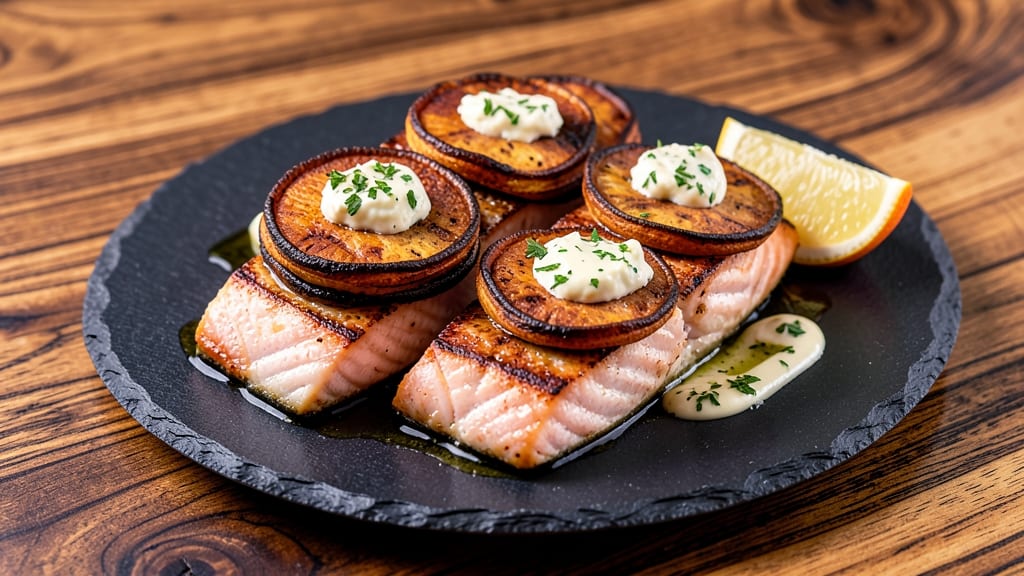
This sweet potato crusted salmon recipe transforms simple ingredients into a restaurant-quality dish with crispy, caramelized edges and flaky salmon inside. The secret lies in roasting sweet potato slices until they form a golden, crunchy crust that perfectly complements the tender fish.
I developed this technique after years of experimenting with alternative crusts, and it consistently delivers impressive results without requiring specialized equipment.
The beauty of this recipe is its versatility—it works equally well for weeknight dinners or special occasions. You'll start by preparing the salmon fillets and sweet potato slices, then assemble everything on a baking sheet.
The high-heat roasting method ensures both components cook to perfection simultaneously, creating a dish that's both elegant and approachable.
What you'll end up with is a visually stunning presentation: a bed of crispy sweet potato crowns surrounding perfectly cooked salmon with a delicate pink center. The natural sweetness of the potatoes balances the richness of the fish, while the caramelized crust adds a satisfying crunch.
This recipe is pescatarian-friendly and delivers restaurant-quality flavors at home.
Pair it with a simple arugula salad or steamed green beans to complete the meal. The sweet potato crust adds a unique texture that elevates the salmon from ordinary to extraordinary—perfect for anyone looking to impress with minimal effort. Let's get started on this showstopping dish!
Ingredients for sweet potato crusted salmon
Restaurant-quality textures start with these carefully chosen ingredients for crispy sweet potato crowns and flaky salmon.
| Ingredient | Amount | Notes |
|---|---|---|
| Center-Cut Salmon Fillets 🐟 | 4 whole | Skin-on, 6-8 oz each |
| Large Sweet Potatoes 🍠 | 2 whole | Organic preferred, uniform size |
| Extra-Virgin Olive Oil 🫒 | ½ cup | High-quality, fruity variety |
| Diamond Crystal Kosher Salt 🧂 | 1 ½ tsp | Fine grain preferred |
| Freshly Ground Black Pepper 🌶️ | ½ tsp | Freshly cracked preferred |
| Garlic Cloves 🧄 | 4 cloves | Minced, for seasoning |
| Fresh Lemon Juice 🍋 | 2 tbsp | Freshly squeezed |
| Unsalted Butter 🧈 | 2 tbsp | Cold, for finishing |
| Fresh Dill 🌿 | ¼ cup | Chopped, for garnish |
| Cayenne Pepper 🔥 | ¼ tsp | Optional, for heat |
| Honey 🍯 | 1 tbsp | For caramelizing crust |
| Avocado Oil 🫒 | 1 tbsp | High smoke point for roasting |
The sweet potatoes are the star here—organic varieties like Jewel or Garnet yield the best caramelized crust. Whole Foods or local farmers markets often carry these types, though any large, uniform sweet potatoes work. Look for ones with smooth, unblemished skin—they slice more cleanly. I prefer skin-on salmon fillets for extra flavor, but skinless works if that's what you have. The key is even thickness: trim any thick edges to ensure consistent cooking. For the olive oil, California avocado oil or Italian extra-virgin adds subtle richness that complements both the sweet potatoes and salmon.
No organic sweet potatoes? Conventional works fine, though organic may have slightly better flavor. Running short on fresh dill? Dried dill at one-third the amount suffices, though fresh is ideal. The honey can be swapped for maple syrup if preferred, though it adds a different depth. For extra crispiness, brush the sweet potatoes with avocado oil instead of olive oil—it handles higher heat better. The salmon should be center-cut for even cooking, and if you can't find it, ask your fishmonger for the thickest portion of the fillet. Pre-sliced sweet potatoes? Thin them to 1/8-inch slices for perfect crowns.
Sweet potatoes keep for 3-4 weeks in a cool, dark place, and salmon should be used within 2 days of purchase. Prep the sweet potato slices ahead and store them in a single layer on a baking sheet in the fridge for up to 12 hours before roasting—they crisp up beautifully when cold. The assembled dish reheats well in a 350°F oven for 8-10 minutes, though it's best served immediately for maximum crispiness. Portion into individual servings before storing to maintain texture.
Why You'll Love This Recipe
- Sweet Potato Crust Magic: The sweet potato crust turns this into a one-skillet showstopper—no breadcrumbs, no fuss. Just slice, roast, and crush those spuds into a golden, caramelized blanket for the salmon, and suddenly you’ve got restaurant-worthy texture without the effort.
- Flavor You’ll Crave: That crispy edge meets tender, buttery salmon? It’s like a hug for your taste buds. The natural sweetness of the roasted sweet potato pairs perfectly with the salmon’s richness, and a hit of olive oil and salt makes every bite sing.
- Weeknight Wonder: I’ve served this for lazy Mondays, dinner parties, and even my mother-in-law’s visit—and no one ever questions where I got it. The crust holds up for leftovers, reheats beautifully, and feels special enough for company but simple enough for a Tuesday.
- Budget-Friendly Luxury: Salmon can be pricey, but using sweet potatoes instead of store-bought crusts cuts costs without sacrificing flavor. Plus, the leftovers make for killer lunches—just reheat and enjoy, no second-guessing. (Yes, even on a budget.)
Step-by-step instructions for sweet potato crusted salmon
Master this technique for perfectly flaky salmon crowned with a crispy sweet potato crust.
Prepare the Sweet Potato Crust
Preheat your oven to 425°F and position a rack in the middle position. Peel the 2 whole large sweet potatoes and cut them into ¼-inch thick rounds using a mandoline or sharp knife. You should yield about 12-15 rounds total.
Toss the sweet potato rounds immediately with 1 tablespoon avocado oil, ½ teaspoon freshly ground black pepper, and ¼ teaspoon cayenne pepper (if using). Spread them in a single layer on a parchment-lined baking sheet, leaving ½-inch between each piece. Roast for 15-18 minutes until they develop a golden-brown crust and become tender when pierced with a fork.
Remove the sweet potato rounds from the oven and transfer them to a plate. Immediately brush each piece with 1 tablespoon honey using a pastry brush. Return them to the baking sheet and broil for 1-2 minutes on high until the honey caramelizes slightly. Let them cool for 5 minutes before using.
Season and Prepare the Salmon
While the sweet potatoes roast, pat the 4 whole center-cut salmon fillets completely dry with paper towels. This step is crucial for achieving that crispy crust. Place the salmon skin-side down on a clean work surface.
In a small bowl, combine 1½ teaspoons diamond crystal kosher salt, ½ teaspoon freshly ground black pepper, 4 cloves minced garlic, and 2 tablespoons fresh lemon juice. Rub this mixture evenly over the flesh side of each salmon fillet, pressing gently to ensure the seasoning adheres. Let the salmon sit at room temperature for 10 minutes while you finish preparing the crust.
Assemble and Roast the Salmon Crowns
Heat a large oven-safe skillet over medium heat until hot but not smoking. Add 1 tablespoon avocado oil and swirl to coat the bottom evenly. Place the salmon fillets skin-side down in the skillet and cook for 3-4 minutes until the skin becomes crispy and releases easily from the pan.
Carefully flip each salmon fillet and arrange 3-4 sweet potato rounds on top of each fillet, slightly overlapping them to create a crown. Press down gently to ensure good contact between the salmon and sweet potatoes. Transfer the skillet to the preheated oven and roast for 8-10 minutes until the salmon is cooked through and the sweet potato crown is deep golden brown.
To check doneness, insert an instant-read thermometer into the thickest part of the salmon—it should read 145°F internally. The salmon should flake easily with a fork and have a slightly translucent center.
Finish with Butter and Garnish
Remove the salmon from the oven and transfer it to a serving platter. Immediately add the 2 tablespoons cold unsalted butter to the skillet and tilt to coat the bottom evenly. Let it melt for 30 seconds until foamy, then spoon the butter mixture evenly over the salmon and sweet potato crowns.
Garnish each serving with 1 tablespoon chopped fresh dill and an additional sprinkle of freshly ground black pepper. Serve immediately while the salmon is still flaky and the sweet potato crust is crispy. The butter basting adds a luxurious finish that ties all the flavors together.
Rest and Serve for Maximum Flakiness
Let the salmon rest for 2-3 minutes before serving. This brief resting period allows the juices to redistribute throughout the fish, ensuring each bite remains moist and tender. The sweet potato crown should hold its shape while maintaining a satisfying crunch.
Slice the salmon carefully through the center of the sweet potato crown to create two equal portions per serving. The contrast between the flaky salmon and the crispy sweet potato crust makes this dish truly special. Pair with a simple arugula salad and steamed asparagus for a complete meal.
Pro Tips For Making Sweet Potato Crusted Salmon
- ROAST THE SWEET POTATO CRUST: Peel and cut the sweet potatoes into thin, even slices—about ⅛-inch thick—then toss them in a single layer on a baking sheet. Roast at 425°F (220°C) for 20-25 minutes until they’re tender but still hold their shape; overcooking turns them mushy, and that’s when your crust falls apart.
- DRY THE SALMON LIKE IT’S YOUR JOB: Pat the salmon fillets thoroughly with paper towels before pressing them into the sweet potato crust—no wet spots allowed. I learned this the hard way: damp skin means a sad, uneven sear and crust that sticks instead of crisping.
- PRESS THE CRUST HARD: Don’t just slap the sweet potato slices on top—press them firmly into the salmon, overlapping edges slightly. This creates a unified crust that won’t flake off when you flip it. (Yes, even if it looks weird—your future self will thank you.)
- SEAR IN BATCHES: Crowding the pan ruins the crust’s texture and drops the oil temperature. Cook the salmon in a single layer, no overlaps, and resist the urge to flip too soon—wait until the crust is deep golden, about 4-5 minutes per side. (Your patience will pay off.)
Wine and beer pairings for sweet potato crusted salmon
Crispy Sweet Potato Balance
The caramelized sweet potato crust pairs beautifully with dry Riesling from Germany—its crisp acidity and subtle sweetness mirror the dish's natural sugars. I love Dr. Loosen Blue Slate for its honeyed notes that complement the caramelized crust. The wine's mineral finish cuts through the richness of the butter-basted salmon. 🍷
Citrus-Infused Whites
For a zesty contrast, try a Vermentino from Sardinia—its bright citrus and almond undertones enhance the lemon in the salmon marinade. Costadoro Vermentino is my go-to, offering a refreshing balance that prevents the sweet potatoes from feeling too heavy. Serve slightly chilled for best results.
Light-Bodied Reds
If you prefer red wine, a Pinot Noir from Oregon showcases earthy notes that harmonize with the sweet potatoes' caramelization. Look for Domaine Serene—its delicate tannins won't overpower the dish. The wine's red fruit flavors echo the salmon's natural sweetness without competing with the crust's texture.
Beer Pairings
A Belgian Witbier like Hoegaarden adds effervescence that cleanses the palate between bites. The coriander and orange peel notes in the beer mirror the salmon's lemon and sweet potato sweetness. For a malty option, try a German Pilsner—its crispness balances the dish's richness while highlighting the crust's caramelization.
Non-Alcoholic Options
For a refreshing non-alcoholic choice, serve sparkling apple cider chilled. The effervescence and subtle sweetness complement the dish's textures without overpowering the salmon's delicate flavor. I like Martinelli's Sparkling Apple Cider for its crisp finish that mirrors the sweet potato crust's crunch.
Seasonal Adaptations
In summer, swap wine for a rosé like Whispering Angel—its berry notes pair perfectly with the salmon's natural sweetness. For winter, a Moscato d'Asti adds a festive sweetness that contrasts beautifully with the savory crust.
Both options enhance the dish's seasonal appeal while keeping the focus on the salmon's flakiness. 💫
Nutrition facts
Frequently asked questions
Can I make this recipe with frozen salmon?
Fresh salmon works best for this recipe, but you can use frozen if thawed properly. Place frozen salmon in a sealed bag and submerge in cold water for 30 minutes per inch of thickness. Pat completely dry before seasoning—any moisture will prevent the sweet potato crust from crisping properly. For best results, use salmon that's been previously frozen and thawed within 24 hours.
How do I adjust the recipe for fewer servings?
For 2 servings, use 2 salmon fillets and 1 large sweet potato. Cut the sweet potato into 6-8 rounds and reduce all other ingredients by half. The cooking times remain the same, but you'll need only 2-3 sweet potato slices per fillet for the crown. The same technique applies for 6 servings—just double everything.
Why did my sweet potato crust turn out soggy?
Soggy crusts usually happen from one of three issues: overlapping slices during roasting, not drying the salmon properly, or under-roasting. Make sure sweet potatoes are in a single layer with space between them, pat the salmon completely dry, and roast until golden brown. For extra crispiness, broil for 1 additional minute after the initial roast.
Can I prepare this ahead of time?
You can prep components in advance! Roast the sweet potato slices up to 1 day ahead and store at room temperature in an airtight container. Assemble the salmon crowns 1 hour before cooking and refrigerate uncovered—this helps the crust stay crisp. Reheat in a 400°F oven for 8-10 minutes until warmed through. The crust may lose some crispness but still taste delicious.
What's the best way to reheat leftovers?
Reheat leftovers carefully to preserve texture. Place on a baking sheet and cover loosely with foil. Heat in a 350°F oven for 8-10 minutes until warmed through. For microwave reheating, use the 50% power setting for 30 seconds—this prevents the sweet potato crust from becoming rubbery. The salmon will be less flaky but still safe to eat when reheated properly.