
Side Dishes
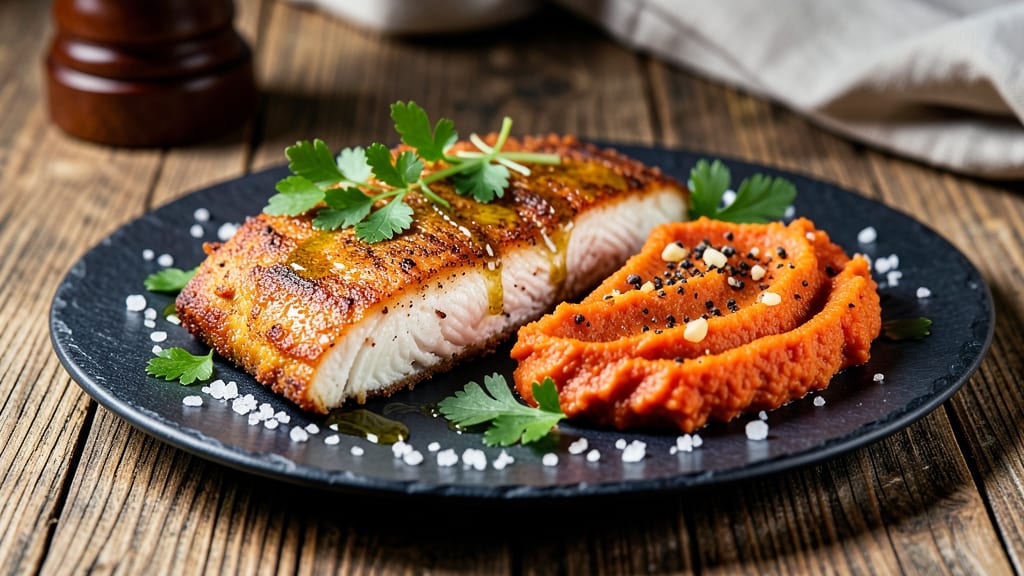
The sweet potato crusted grouper delivers the perfect marriage of crispy, caramelized edges and tender, flaky fish inside—every bite is a revelation. 🔥 What makes this recipe special is the sweet potato crust, which transforms a simple pan-seared fillet into a restaurant-worthy dish with minimal effort.
The crust’s natural sweetness balances the oceanic richness of the grouper, creating a harmony that’s impossible to resist.
This method ensures your grouper stays moist while achieving that coveted golden-brown crust, thanks to a precise balance of seasoning and cooking time. The crust isn’t just about flavor—it’s about texture, too: crispy on the outside, soft and slightly sweet on the inside.
Perfect for a weeknight dinner or a special occasion, this recipe proves you don’t need fancy techniques to create something extraordinary.
Pair it with a bright citrus salad or roasted asparagus to round out the meal, and you’ve got a plate that’s as visually stunning as it is delicious. The crust holds up beautifully, making it ideal for serving directly from the pan or transferring to a platter.
This is the kind of dish that turns a simple seafood dinner into a memorable experience.
Ready in just 20 minutes, this recipe requires only a handful of ingredients and one pan—no complex prep or last-minute scrambling. The secret lies in the crust’s preparation: roasting the sweet potatoes until tender and slightly caramelized before grinding them into a fine, flavorful topping. Let’s get cooking!
Ingredients for sweet potato crusted grouper
Six ingredients transform simple grouper into restaurant-quality masterpiece with crispy sweet potato crust.
| Ingredient | Amount | Notes |
|---|---|---|
| Grouper Fillets 🐟 | 4 pieces | 6-8 oz each, center-cut preferred |
| Sweet Potatoes 🍠 | 1 ½ lb | Organic preferred, peeled and cubed |
| Extra-Virgin Olive Oil 🫒 | 2 tbsp | High-quality, fruity variety |
| Diamond Crystal Kosher Salt 🧂 | 1 ½ tsp | Fine grain for even seasoning |
| Freshly Ground Black Pepper 🌶️ | ½ tsp | Coarsely ground for texture |
| Garlic Cloves 🧄 | 3 cloves | Minced, for crust seasoning |
| Fresh Lemon Juice 🍋 | 2 tbsp | From Meyer lemon if available |
| Panko Breadcrumbs 🍞 | ½ cup | For added crispiness |
| Fresh Parsley 🌿 | ¼ cup | Finely chopped, for garnish |
| Unsalted Butter 🧈 | 1 tbsp | Cold, for pan searing |
| Cayenne Pepper 🔥 | ¼ tsp | Optional, for subtle heat |
| Fresh Thyme Leaves 🌿 | ½ tsp | Finely chopped, for crust flavor |
The sweet potatoes are the star—organic if possible, since their natural sweetness and texture make all the difference. Local farmers markets often carry the best varieties, or look for vibrant orange flesh at Whole Foods or Trader Joe's. Roast them until caramelized for that perfect balance of sweetness and crunch. The grouper fillets should be center-cut and 6-8 oz each—thicker cuts stay moist longer while developing that golden crust. If you can't find fresh grouper, high-quality frozen works too, just thaw it properly in the fridge overnight.
No sweet potatoes? Substitute with roasted butternut squash—it adds a different but equally delicious sweetness to the crust. Running out of panko? Crushed cornflakes work surprisingly well for extra crunch. The lemon juice is non-negotiable for brightness, but if you're out, lime juice at half the amount gives a similar zing. For extra flavor depth, add 1 tsp smoked paprika to the crust mix. The butter in the pan is crucial—use European-style if you have it for higher smoke point and richer flavor. And if you're feeling adventurous, try adding 1 tbsp finely chopped shallots to the crust for a subtle onion note.
Prepped sweet potatoes keep 3 days in the fridge, covered tightly. The crust mix stays fresh 2 days in the refrigerator if stored in an airtight container. For make-ahead convenience, crust the fillets a day ahead and refrigerate uncovered—they'll dry slightly, making them even crisper when cooked. The cooked grouper reheats beautifully—350°F for 8-10 minutes wrapped in foil maintains that perfect texture. Leftovers keep 2 days refrigerated, though this dish is so good it rarely lasts that long.
Why You'll Love This Recipe
- I’ll be real: most fish leftovers turn into sad, dry paper. Not this. The crust stays crispy when reheated, and the fish holds together like it was just cooked. Pack it for lunch or freeze it—it’s still a standout the next day.
- Sweet Potato Crust Magic: The moment you press that roasted sweet potato into the fish, the crust transforms from ordinary to ridiculously good—crispy, caramelized edges with a velvety center. Honestly, it’s the kind of texture combo that makes people pause mid-bite.
- One Pan, Zero Stress: Between us, this is the kind of recipe that lets you multitask like a boss. You prep the fish, roast the sweet potatoes on the same tray, and boom—done. My weeknights just got 20 minutes lighter, and my kitchen stays cleaner. (Yes, even on a Tuesday night.)
- Leftovers That Don’t Suck: I’ll be real: most fish leftovers turn into sad, dry paper. Not this. The crust stays crispy when reheated, and the fish holds together like it was just cooked. Pack it for lunch or freeze it—it’s still a standout the next day.
Step-by-step instructions for sweet potato crusted grouper
Master this technique and you'll achieve perfectly moist grouper with a crispy sweet potato crust every time.
👨🍳 Step 1: Prepare the Sweet Potato Crust Mixture
Preheat your oven to 400°F and line a baking sheet with parchment paper. In a food processor, combine the 1.5 lb sweet potatoes (peeled and cubed), 3 cloves minced garlic, 0.5 cup panko breadcrumbs, 0.5 tsp fresh thyme leaves, 0.25 tsp cayenne pepper, 1.5 tsp kosher salt, and 0.5 tsp black pepper. Pulse until the mixture forms a coarse, sticky paste with visible potato pieces.
Transfer the mixture to a bowl and stir in 2 tbsp fresh lemon juice and 2 tbsp extra-virgin olive oil. This acidic component helps tenderize the crust while adding brightness that complements the grouper. The texture should be damp enough to cling but not soupy—if it's too dry, add 1-2 tsp water to bind it.
🔥 Step 2: Sear the Grouper Fillets
Pat the 4 pieces grouper fillets completely dry with paper towels—this is crucial for achieving a crispy crust. Season both sides generously with additional 0.5 tsp kosher salt and 0.25 tsp black pepper. Heat a large skillet over medium-high heat until hot, then add 1 tbsp unsalted butter and let it melt completely.
Place the fillets in the skillet and cook for 2-3 minutes per side until they develop a golden crust and release easily from the pan. The butter should foam but not brown—if it starts to smoke, reduce the heat slightly. Transfer the seared fillets to a plate and tent loosely with foil to keep warm while you prepare the crust.
🥘 Step 3: Assemble and Crust the Grouper
Spread the sweet potato mixture evenly over the top of each seared grouper fillet, pressing gently to ensure full contact. The crust should be about ¼-inch thick—don't worry if it looks uneven, as the edges will crisp beautifully during baking. Transfer the assembled fillets to the prepared baking sheet.
Bake for 12-15 minutes until the crust turns a deep golden brown and the fish flakes easily when tested with a fork. The crust should be crispy on the outside while keeping the grouper perfectly moist inside. Here's the thing—if the crust browns too quickly, tent the baking sheet with foil to prevent burning while allowing it to cook through.
🍽️ Step 4: Finish and Garnish
Remove the fillets from the oven and let them rest for 2 minutes to set the crust. Garnish each fillet with 1 tbsp finely chopped fresh parsley and an additional squeeze of fresh lemon juice for brightness. Serve immediately with lemon wedges on the side and a simple arugula salad to cut through the richness.
The crust should shatter slightly when cut, revealing tender, flaky grouper beneath. If the crust feels undercooked, return it to the oven for 1-2 minutes to crisp up. This dish pairs beautifully with a crisp white wine or sparkling water with lemon—both complement the sweet potato's natural sweetness.
Pro Tips For Making Sweet Potato Crusted Grouper
- Dry That Crust: Sweet potato crusts stick like glue if they’re damp—pat the raw sweet potato slices and the grouper fillets with paper towels before assembling. I learned this after my first batch turned into a sad, mushy mess.
- Roast Sweet Potatoes First: Cold sweet potatoes won’t crisp up right. Roast them at 400°F (200°C) for 15-20 minutes until tender before mashing or slicing—this ensures your crust stays intact and adds depth of flavor.
- Salt the Grouper Twice: Season the fillets before adding the crust, then sprinkle more salt on top after pressing the sweet potato slices into place. The second layer guarantees seasoning penetrates through the crust.
- Use a Thin Layer: A thick sweet potato crust steams the grouper instead of crisping. Spread the mashed or sliced sweet potatoes in an even ¼-inch layer—any thicker and you’ll end up with a soggy bottom.
Pro cooking tips for sweet potato crusted grouper
Crust Texture Secrets
The key to that perfect crispy-yet-tender crust lies in roasting the sweet potatoes until caramelized before grinding. I roast mine at 400°F for 25-30 minutes until they're fork-tender with golden edges—this concentrates their natural sweetness.
For extra crunch, add 1 tbsp cornstarch to the crust mixture when processing, which creates a lighter, airier texture. 🌟
Pan-Sear Perfection
Don’t rush the searing stage—your grouper needs 3-4 minutes per side in medium-high heat with that butter sizzling. I use a 12-inch cast iron skillet for even heat distribution, and I always test doneness by gently lifting an edge with a spatula.
The fish should release cleanly when ready. Pro tip: Add ½ tsp smoked paprika to the butter for a subtle smoky depth that pairs beautifully with the sweet crust.
Oven Timing Tricks
Bake the crusted fillets at 400°F for 12-15 minutes, but watch closely after 10 minutes—the crust can go from perfect to burnt in minutes. If it browns too quickly, tent with foil and let it cook through.
For a restaurant-quality finish, broil for 1-2 minutes at the end to intensify the caramelization. Just be vigilant—broilers vary wildly in power!
Make-Ahead Magic
Here’s a game-changer: Prepare the crust mixture a day ahead and store it in an airtight container in the fridge. The flavors meld beautifully overnight, and it’s one less step on cooking day.
For the fillets themselves, crust them ahead and refrigerate uncovered for 30 minutes before baking—this dries the surface slightly, ensuring an extra-crispy result. 💡
Crust Variations
Want to switch it up? Swap the panko for crushed potato chips (like Kettle Brand sea salt or barbecue flavor) for a salty crunch, or add 1 tbsp grated Parmesan to the crust for umami depth.
For a spicy kick, mix in 1 tsp Penzeys’ hot honey with the lemon juice—trust me, it’s a flavor bomb. The possibilities are endless while keeping the technique simple.
Serving Like a Pro
Plate the grouper with the crust side up for maximum visual impact, and drizzle with extra lemon juice right before serving. I like to pair it with a quick citrus vinaigrette (olive oil, lemon, Dijon) over baby arugula to cut through the richness.
For a showstopper, garnish with edible flowers or a sprinkle of flaky sea salt—the contrast of colors makes the dish pop even more.
Nutrition facts
Frequently asked questions
Can I use frozen grouper for this recipe?
Yes, but thaw it properly first! Place frozen grouper fillets in the fridge overnight in a sealed bag, then pat completely dry before seasoning. Never thaw at room temperature—this can create ice crystals that make the crust uneven. For extra insurance, let the fillets sit at room temperature for 10-15 minutes before cooking to ensure even searing.
How do I prevent the crust from falling off?
The key is proper adhesion! Press the crust mixture firmly onto the seared fillets and bake on a middle oven rack for even heat circulation. If the crust still separates, try adding 1 tbsp mayonnaise to the crust mixture—it acts as a binder. Also, don't overcrowd the baking sheet, as steam from crowded fillets can make the crust soggy.
What's the best way to reheat leftovers?
Reheat gently to preserve that crispy texture! Wrap leftovers in foil and bake at 350°F for 8-10 minutes until warmed through. For extra crunch, broil for 1-2 minutes at the end. Microwaving is possible but will make the crust rubbery—if you must, cover with a damp paper towel and heat for 20-30 seconds on medium power.
Can I make this recipe gluten-free?
Swap the panko for gluten-free breadcrumbs or crushed gluten-free cornflakes. For extra binding power, add 1 tbsp gluten-free flour to the crust mixture. Just be sure to check all your ingredients—some gluten-free products can contain traces of wheat. The texture will be slightly different but still delicious!
What's the secret to getting the crust extra crispy?
Roast the sweet potatoes until deeply caramelized (400°F for 30 minutes) and let the crust mixture sit at room temperature for 15 minutes before applying. For maximum crunch, bake the assembled fillets on the top rack of your oven and broil for 1-2 minutes at the end. A light spray of olive oil on the baking sheet also helps create a crispier base.