
Side Dishes
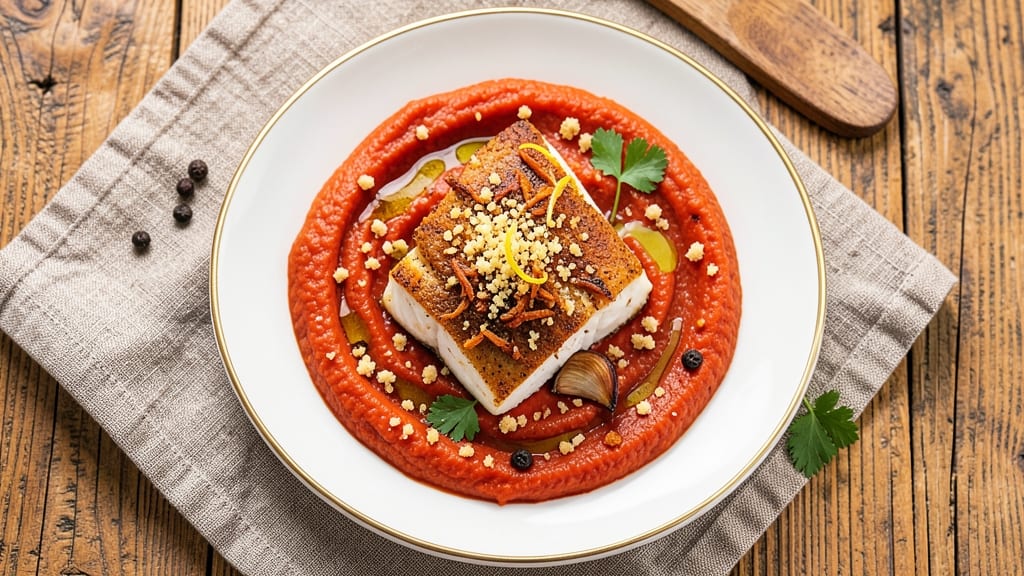
This sweet potato-crusted fish recipe delivers the perfect balance of crispy golden crust and moist, flaky fish inside—no soggy breadcrumbs in sight. The secret lies in blending roasted sweet potato with panko and spices, creating a shell that stays crispy while protecting delicate fillets.
I developed this after years of experimenting with gluten-free crusts, and it’s become a go-to for both weeknight dinners and special occasions. What makes this recipe stand out is the foolproof technique: the sweet potato adds natural sweetness and structure, while the crust’s texture transforms ordinary fish into something restaurant-worthy.
Pan-searing ensures a crispy exterior, while baking keeps the fish perfectly tender—no overcooking here. The result? A dish that’s elegant enough for guests but simple enough for weeknights.
By the time you pull this from the oven, you’ll have crispy edges that shatter with every bite, a golden crust that holds its shape, and fish so tender it melts in your mouth.
The sweetness of the crust complements the natural flavor of the fish without overpowering it, making this a crowd-pleaser for any table. Pair it with a bright lemon-dill sauce or a simple arugula salad to balance the richness.
Ready in under 30 minutes, this recipe proves you don’t need fancy techniques to create a standout main dish. Let’s get cooking!
Ingredients for sweet potato crusted fish
Sweet potato magic meets crispy perfection—just 13 ingredients for restaurant-worthy fish.
| Ingredient | Amount | Notes |
|---|---|---|
| White Fish Fillets 🐟 | 1 ½ lb | Mild white fish like cod or tilapia |
| Sweet Potatoes 🍠 | 1 medium | Roasted and peeled for crust |
| Panko Breadcrumbs 🍞 | ¾ cup | For extra crispiness |
| Extra-Virgin Olive Oil 🫒 | 2 tbsp | For roasting and searing |
| Eggs 🥚 | 1 large | Beaten for binding |
| Garlic Cloves 🧄 | 3 cloves | Minced for flavor |
| Lemon Zest 🍋 | 1 tbsp | Brightens the crust |
| Dried Oregano 🌿 | 1 tsp | For Mediterranean flair |
| Ground Black Pepper 🌶️ | ½ tsp | Freshly cracked |
| Salt 🧂 | 1 tsp | Diamond Crystal preferred |
| All-Purpose Flour 🌾 | 1 tbsp | For dusting fish |
| Lemon Juice 🍋 | 1 ½ tbsp | Freshly squeezed |
| Fresh Dill 🌿 | ¼ cup | Chopped for garnish |
The sweet potato is your secret weapon here. Buy organic if possible—the skin stays on for texture, but you’ll peel it after roasting. Trader Joe's carries the best pre-peeled varieties if you’re short on time, but roasting your own gives that caramelized depth. Look for medium-sized tubers—they’re uniform and roast evenly. Pro tip: Roast them at 400°F for 25 minutes until tender, then mash while warm for the crust. If you’re feeling fancy, add a pinch of smoked paprika to the roasting oil for extra depth.
No panko? Crush regular bread into fine crumbs—it’ll work, though the texture won’t be as crisp. Fresh dill is ideal, but dried dill at one-third the amount is a solid swap. The eggs are non-negotiable for binding, but if you’re avoiding them, 1 tbsp ground flaxseed mixed with 3 tbsp water works in a pinch (let it sit for 5 minutes to thicken). For the fish, cod or halibut hold up best, but tilapia or mahi-mahi work too—just pat them dry before coating. The lemon zest can be pre-grated (use a microplane) or zested by hand—either way, do it fresh.
Roasted sweet potatoes keep for 5 days in the fridge, wrapped tightly. The crust mix stays fresh for 2 days in the fridge if stored airtight. For make-ahead magic, assemble the coated fish on a tray, cover, and refrigerate up to 12 hours before cooking—just add 5 minutes to the baking time. Leftovers? Re-crisp in a 375°F oven for 5 minutes. The crust freezes beautifully too—portion into single servings, freeze on a tray, then transfer to a bag for up to 3 months
Why You'll Love This Recipe
- Sweet Potato Crust Magic: I’ll be real—roasting sweet potatoes until tender and blending them into a crust changes everything. That natural sweetness caramelizes while frying, giving your fish a golden, almost buttery crunch that tastes nothing like store-bought breading.
- One-Pan, Zero Stress: Honestly, this is my lazy-night win. Toss the sweet potato purée, panko, and egg mix onto the fish, then bake—no flipping, no frying mess. I’ve done it while scrolling through my phone, and the result? Still crispy perfection.
- Leftover Hero: Between us, this fish reheats like a dream. The crust stays intact, and the sweet potatoes add moisture so it doesn’t dry out. Pack two portions for lunch, and you’ll be the office hero—no sad, rubbery fish here.
- Budget Bright Spot: Sweet potatoes are my pantry’s secret weapon. They’re cheaper than buying pre-made crusts, and the flavor? Ridiculously good. Plus, white fish fillets stretch further than you’d think—dinner for two becomes dinner for three with minimal extra cost.
Step-by-step instructions for sweet potato-crusted fish
Here's how to create a golden, crispy crust that locks in perfect juiciness every time.
Roast and Mash the Sweet Potatoes for Crust Texture
Preheat your oven to 400°F and pierce the medium sweet potato with a fork in several places. Place it on a baking sheet and roast for 45-50 minutes until tender when pierced with a knife. Let it cool slightly, then peel off the skin and transfer the flesh to a bowl.
Mash the sweet potato until completely smooth, then stir in 1 tablespoon lemon zest, 1 teaspoon dried oregano, ½ teaspoon ground black pepper, and 1 teaspoon salt. The mixture should be thick and spreadable—this will form the flavorful base of your crust. If it's too thick, add 1 teaspoon lemon juice to help bind it.
Prepare the Fish for Crispy Crust Adherence
Pat the 1.5 lb white fish fillets completely dry with paper towels—this is crucial for crispy crust. Place them on a clean work surface and lightly dust both sides with 1 tablespoon all-purpose flour, shaking off any excess. This creates a thin barrier that helps the sweet potato mixture stick.
In a shallow bowl, beat the large egg until just combined, then stir in the remaining 1.5 tablespoons lemon juice. This egg wash will help the crust adhere while adding brightness to each bite. Lay the floured fillets in the egg mixture, letting any excess drip off before transferring to a plate.
Assemble and Bake the Crust-Coated Fish
Spread the sweet potato mixture onto a parchment-lined baking sheet, creating a thin, even layer about ¼-inch thick. Press each fish fillet gently into the sweet potato, coating both sides completely. Sprinkle ¾ cup panko breadcrumbs evenly over the top, pressing lightly to help them adhere.
Heat 1 tablespoon extra-virgin olive oil in a large oven-safe skillet over medium-high heat until shimmering. Carefully transfer the fish (with its crust) into the skillet, pressing down gently to ensure full contact. Cook for 2-3 minutes per side until the crust is golden brown and the fish releases easily from the pan.
Finish with Fresh Herbs and Serve Immediately
Transfer the skillet to a preheated 400°F oven and bake for 8-10 minutes until the crust is deeply golden and the fish is just cooked through—it should flake easily with a fork. Watch closely after 6 minutes to prevent overbrowning.
Remove from the oven and sprinkle generously with the chopped ¼ cup fresh dill. Serve immediately with the remaining 1 tablespoon extra-virgin olive oil drizzled over the top. The crust should be shatteringly crisp while the fish inside remains tender and moist—each bite delivers perfect texture contrast.
Pro Tips For Making Sweet Potato Crusted Fish
- Roast Sweet Potatoes First: Bake your sweet potatoes at 400°F (200°C) for 20-25 minutes until fork-tender before mashing—this makes them easier to blend into a fine purée without gummy texture. I learned this the hard way after struggling with raw sweet potato mash that turned gluey when mixed with panko.
- Pat Fish Dry: Wrap your fish fillets in paper towels and press firmly for 2 minutes before coating—this prevents the crust from falling off mid-fry. Wet skin = sad crust. (Yes, even if you’re impatient like me.)
- Mix Panko Last: Toss the egg-washed fish in sweet potato purée first, then fold in panko just before frying—this keeps the crumb coating crispy instead of soggy. I was skeptical until I tried it; the texture is noticeably better.
- Use Medium-Hot Oil: Heat your oil to 350°F (175°C)—hot enough to sizzle but not smoke—so the crust browns evenly without burning. Too hot? The outside chars before the fish cooks through. (Your future self will thank you.)
Pro cooking tips for perfect results
Sweet Potato Roasting Secrets
Roast your sweet potato at 400°F for 45-50 minutes—this ensures it’s tender enough to mash smoothly while developing natural caramelization. Pierce it with a fork first to release steam and prevent explosions. I like to use a medium-sized sweet potato because it’s easier to handle and roasts evenly.
For extra depth, toss it with ½ teaspoon smoked paprika and 1 teaspoon olive oil before roasting. 🍠
Crust Adherence Tricks
Pat your fish fillets bone-dry before coating—this is non-negotiable for crispy results. Lightly dust with 1 tablespoon flour first to create a barrier that helps the sweet potato mixture stick.
For extra insurance, chill the coated fish in the fridge for 15-20 minutes before cooking. This lets the crust firm up slightly, preventing it from sliding off during searing.
Pan-Sear Like a Pro
Use an oven-safe skillet (like a Lodge cast iron) for the perfect sear. Heat 1 tablespoon olive oil over medium-high heat until it shimmers, then press the fish down gently with a spatula to ensure full contact.
Cook for 2-3 minutes per side until golden brown—this builds flavor and texture before finishing in the oven. 🔥
Oven Finish Timing
Transfer the seared fish to a 400°F oven for 8-10 minutes, but start checking at 6 minutes. The crust should be deep golden and the fish should flake easily with a fork.
Overcooking by even 1 minute can turn the crust rubbery, so keep an eye on it. A meat thermometer isn’t necessary for fish, but trust your instincts—it should reach 145°F internal temperature.
Herb Garnish Magic
Fresh dill is the star here, but don’t skip the finishing touch: drizzle with the remaining 1 tablespoon olive oil right before serving. This adds shine and balances the crust’s sweetness. For extra flair, sprinkle with flaky sea salt or a pinch of red pepper flakes if you like heat.
The contrast of crispy crust, tender fish, and bright herbs makes every bite unforgettable. ✨
Nutrition facts
Frequently asked questions
Can I use frozen fish for this recipe?
Yes, but thaw it properly first! Place frozen fillets in a sealed bag and submerge in cold water for 30-45 minutes or use the microwave defrost setting. Pat completely dry before coating—the extra moisture can make the crust soggy. For best results, use fish that's been thawed overnight in the fridge.
What if I don't have panko breadcrumbs?
No problem! Crush regular bread into fine crumbs or use gluten-free breadcrumbs. For extra crispiness, toast them in a dry pan for 2-3 minutes before adding. The texture won't be identical, but it'll still work well.
How do I prevent the crust from falling off?
The secret is patience! Let the coated fish rest on a wire rack for 10 minutes after assembling before cooking. This helps the crust set. Also, chill the coated fish in the fridge for 15-20 minutes before pan-searing to prevent sliding. Press gently with a spatula during cooking to keep everything in place.
Can I make this recipe ahead of time?
Assemble the coated fish up to 12 hours ahead and refrigerate uncovered on a tray. Cook from cold, adding 5 extra minutes to the baking time. For reheating, bake at 375°F for 5 minutes to restore crispiness. The crust won't be quite as crisp as fresh, but it'll still be delicious.
What's the best way to serve this dish?
Pair it with bright, acidic elements to balance the sweetness. Try a lemon-dill yogurt sauce, steamed asparagus, or a simple arugula salad with balsamic glaze. For a complete meal, serve with roasted Brussels sprouts or mashed cauliflower. The contrast of textures and flavors makes every bite perfect.