
Side Dishes
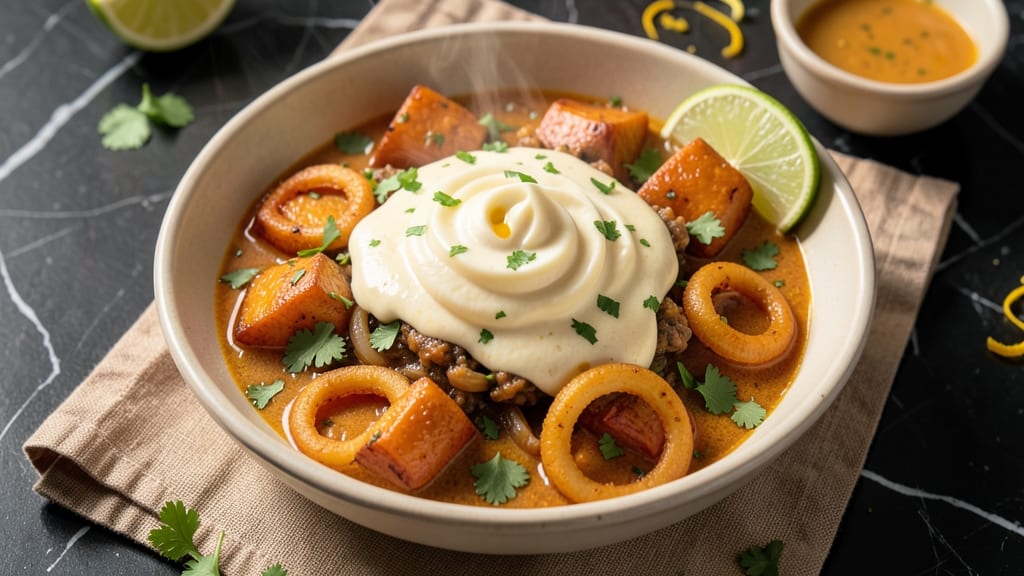
This sweet potato coconut curry recipe delivers velvety richness and aromatic warmth in every spoonful—perfect for transforming simple ingredients into a restaurant-worthy dish. 🌿 The secret lies in balancing earthy spices with creamy coconut milk, creating a sauce that coats tender sweet potatoes like a luxurious embrace.
I developed this one-pot wonder after years of perfecting curries that deliver both bold flavor and effortless preparation.
The magic begins with gently sautéing aromatic spices until their essential oils awaken, then simmering coconut milk until it reaches that perfect creamy consistency. Sweet potatoes absorb the fragrant sauce beautifully, developing caramelized edges while staying tender inside.
What makes this recipe truly special is how it balances natural sweetness with savory depth—no added sugar needed, just the perfect harmony of spices and coconut.
By the time you're done, you'll have a dish that's creamy yet light, aromatic yet approachable—ideal for serving over basmati rice or with warm naan. The sauce thickens just enough to cling to every forkful, while fresh herbs or lime add a bright finish that cuts through the richness.
This curry proves that plant-based meals can be just as satisfying as any comfort food classic.
Whether you're feeding a family or meal prepping for the week, this recipe scales effortlessly while maintaining its velvety texture and complex flavors. The best part? It all comes together in one pot, making cleanup as simple as the cooking process itself. Let's create this creamy coconut-spiced harmony.
Ingredients for sweet potato coconut curry
Earthy sweet potatoes meet velvety coconut milk—just 15 ingredients for restaurant-worthy flavor in one pot.
| Ingredient | Amount | Notes |
|---|---|---|
| Sweet Potatoes 🍠 | 2 lb | Medium, peeled and cubed |
| Full-Fat Coconut Milk 🥥 | 13 ½ oz | High quality, full-fat preferred |
| Yellow Onion 🧅 | 1 whole | Medium, finely diced |
| Garlic Cloves 🧄 | 4 cloves | Fresh, minced |
| Fresh Ginger 🌿 | 1 tbsp | Grated, finely |
| Ground Turmeric 🌶️ | 1 tsp | Freshly ground preferred |
| Ground Cumin 🌿 | 1 tsp | Toasted for deeper flavor |
| Ground Coriander 🌶️ | 1 tsp | Freshly ground preferred |
| Ground Cardamom 🌿 | ½ tsp | Lightly toasted |
| Garam Masala 🌶️ | 1 tsp | Store-bought or homemade blend |
| Vegetable Oil 🫒 | 2 tbsp | Neutral high smoke point |
| Lemon Juice 🍋 | 2 tbsp | Freshly squeezed |
| Fresh Cilantro 🌿 | ¼ cup | Chopped, for garnish |
| Salt 🧂 | 1 tsp | Kosher or sea salt |
| Black Pepper 🌶️ | ½ tsp | Freshly ground |
The coconut milk is non-negotiable here—full-fat for that luxurious creaminess. Thai Kitchen or Goya brands are my go-tos, but any quality can works. Look for cans without additives. Fresh ginger and garlic? Buy extra—you'll use half in this recipe, save the rest for curries, stir-fries, or smoothies. The sweet potatoes should be firm but not rock-hard—orange-fleshed varieties like Garnet or Jewel hold up best to simmering. If you can't find fresh ginger, powdered works at half the amount, but it's not the same magic.
No garam masala? Mix equal parts cumin, coriander, cinnamon, and cloves—it's a game-changer. Short on cardamom? Skip it or use cinnamon, but don't overdo it. The turmeric gives that golden color, but if you're sensitive to it, reduce to 0.5 tsp. For extra depth, toast your whole spices in a dry pan for 30 seconds before grinding. The cilantro is optional but adds that bright finish—dried won't cut it. And trust me on the lemon juice—it balances all that richness perfectly.
This curry tastes even better the next day as flavors meld. Keeps 4-5 days in the fridge, 3 months frozen. Double the batch and freeze half—perfect for lazy weeknights. Store the coconut milk can in the fridge after opening, but use it up within 5 days. The spices? Keep them in a cool, dark place for up to a year. Garnish with extra cilantro or a lime wedge before serving—worth the extra minute for that restaurant touch.
Why You'll Love This Recipe
- One-Pot Magic: I swear by this recipe because it’s actually one-pot—no chopping boards full of scraps, no extra pans. Just dice the onion, mince the garlic and ginger, toss everything in, and let the coconut milk do its thing. That’s it.
- Creamy-Spiced Bliss: The full-fat coconut milk turns this into something luxurious—rich but not heavy, with that perfect balance of sweetness from the potatoes and heat from the ginger. Honestly, the first bite makes me forget it’s a weeknight dish.
- Leftovers That Beg: This curry tastes better the next day, which is rare for me. I’ll make a big batch on Sunday, and by Wednesday, it’s still the star of my lunch. The potatoes soften just enough to soak up all the flavor—no dry bites here.
- Budget-Friendly Luxe: Sweet potatoes and coconut milk stretch this into a full meal without breaking the bank. I’ve fed four people for under $10, and no one ever guesses it’s not some fancy restaurant dish. (Between us, they’ll ask for the recipe.)
Step-by-step instructions for sweet potato coconut curry
This one-pot wonder delivers velvety coconut richness with warm spice harmony—let's make it shine.
🍳 Step 1: Sauté Aromatics Until Fragrant
Heat the 2 tablespoons vegetable oil in a large pot over medium heat. Add the 1 whole yellow onion, 4 cloves garlic, and 1 tablespoon fresh ginger—all finely diced. Cook for 5-6 minutes until the onion turns translucent and the garlic just starts to turn golden. This is where the magic begins—those aromatics should smell like a spice market explosion.
Here's the thing—I like to press the garlic and ginger into the onions with a wooden spoon during the last minute of cooking. This breaks them down faster and infuses more flavor. If the onions start to brown too quickly, reduce heat to medium-low and keep stirring. You want them soft but not crispy—they'll continue cooking in the curry.
🔥 Step 2: Toast the Spices for Depth of Flavor
Add all the ground spices: 1 teaspoon ground turmeric, 1 teaspoon ground cumin, 1 teaspoon ground coriander, ½ teaspoon ground cardamom, and 1 teaspoon garam masala. Stir constantly for 30 seconds until the spices release their aroma—you'll smell that earthy, toasty goodness filling your kitchen. This step is non-negotiable for authentic flavor.
Watch carefully—spices burn in seconds. If they darken too quickly, remove from heat for 10 seconds while you add the 2 lb sweet potatoes. The curry will develop its signature golden hue from these spices, so don't rush this part. You want them fragrant but not bitter.
🥘 Step 3: Simmer Sweet Potatoes in Coconut Milk
Pour in the 13.5 ounces full-fat coconut milk and add 1 teaspoon salt and ½ teaspoon black pepper. Stir well to combine, then bring to a gentle simmer over medium heat. The curry should bubble softly—if it's too vigorous, reduce heat to medium-low. Cover and let it cook for 20-25 minutes, stirring occasionally, until the sweet potatoes are fork-tender.
I check doneness by piercing a potato with a fork—it should slide in easily with just slight resistance. The curry should thicken slightly as the starch from the sweet potatoes releases. If it gets too thick before the potatoes are done, add ¼ cup water to loosen it. The texture should be creamy but not soupy—somewhere between a thick stew and a rich sauce.
⏰ Step 4: Finish with Lemon and Fresh Herbs
Once the sweet potatoes are tender, stir in the 2 tablespoons lemon juice and simmer uncovered for 3-4 minutes. This brightens the curry and cuts through the richness of the coconut milk. Taste and adjust seasoning—you might need a pinch more salt or a crack of black pepper to balance the flavors. The lemon also helps emulsify the coconut milk for that ultra-smooth texture.
Remove from heat and stir in the ¼ cup fresh cilantro. Let the curry sit for 5 minutes before serving—this allows the flavors to meld completely. The curry should be fragrant, creamy, and bursting with sweet-spicy harmony. Serve immediately with steamed basmati rice or warm naan to soak up every last drop of that velvety goodness.
Pro Tips For Making Sweet Potato Coconut Curry
- CHAR THE ONIONS LOW: I used to rush this step and end up with bitter, burnt bits that ruined the whole dish. Simmer your onions over medium-low heat until they’re deep golden—not brown, not caramelized—just soft and translucent. This takes about 8-10 minutes, and it’s the foundation for flavor. (Yes, even if you’re impatient like me.)
- PEEL GINGER LIKE A PRO: Skip the peeler and use a chef’s knife to slice off the skin in one motion—hold the root in your non-dominant hand, knife flat against the cutting board, and press down firmly. You’ll get cleaner, more precise slices, and the knife won’t roll away like it does with a peeler. (Bonus: This also works for garlic.)
- SIMMER NOT BOIL THE COCONUT MILK: Full-fat coconut milk splits and curdles if you boil it, turning your creamy sauce into a greasy mess. Keep the heat at a gentle simmer—tiny bubbles at the edges, not rolling boil—and stir occasionally. If it’s too thick, add a splash of water or broth, but never let it rage.
- CUT SWEET POTATOES UNIFORM: Big chunks stay tough; tiny pieces turn to mush. Aim for 1-inch cubes, all roughly the same size, so they cook evenly. If you’re lazy (I am), microwave them for 5 minutes first—they’ll soften faster and hold together better in the curry. (Your future self will thank you.)
Troubleshooting perfect results
Spice Burn Prevention
Watch your spices like a hawk—they can burn in seconds! When toasting the turmeric, cumin, coriander, and garam masala, stir constantly and keep heat at medium-low. If they darken too quickly, immediately remove the pot from heat for 10-15 seconds while you add the sweet potatoes.
Burnt spices taste bitter and ruin the delicate balance of flavors in this curry. I've learned this the hard way—once, I walked away for just a minute, and my curry tasted like a spice factory fire! 🔥
Coconut Milk Separation Fix
If your coconut milk separates during cooking (you'll see a thin layer of liquid on top), don't panic! This happens when the curry gets too hot or sits uncovered. To fix it, stir in 1 tablespoon cornstarch mixed with 2 tablespoons water and simmer for 2-3 minutes until thickened.
For prevention, always keep the curry at a gentle simmer and avoid boiling. I also recommend using full-fat coconut milk—it's more stable than light varieties.
Sweet Potatoes Too Soft
Overcooked sweet potatoes turn mushy and lose their texture. To prevent this, start checking for doneness after 15 minutes of simmering. The potatoes should be tender but still hold their shape—like a fork slides in easily with slight resistance.
If they're already too soft, reduce the simmering time next batch to 15-20 minutes instead of 25. For extra insurance, cut your sweet potatoes into 1.5-inch cubes (not larger) so they cook evenly.
Curry Too Thin or Watery
A watery curry happens when the coconut milk doesn't thicken properly. If this occurs, simmer uncovered for 5-10 minutes to let the liquid reduce naturally. For faster results, mix 1 tablespoon cornstarch with 2 tablespoons cold water, stir into the curry, and cook for 2-3 minutes until thickened.
To prevent this, always use full-fat coconut milk and simmer at medium-low heat—never high heat. I've found that Thai Kitchen brand thickens better than some store brands.
Flavor Too Mild or Bland
If your curry tastes bland, it's usually because the spices weren't toasted enough or the lemon wasn't added at the right time. For next time, toast your spices for 30-45 seconds until fragrant, and always finish with the lemon juice and cilantro.
For an instant boost, add ½ teaspoon smoked paprika or a pinch of cayenne pepper at the end. I also recommend tasting as you go—adjust salt and spices gradually rather than adding everything at once. 💡
Leftover Texture Issues
Reheating curry can make it grainy or separate. To fix this, stir in 1 tablespoon coconut milk or water while reheating on low heat. For prevention, store curry in airtight containers and refrigerate within 2 hours of cooking.
When reheating, use a splash of liquid to restore creaminess. I like to reheat portions in the microwave at 50% power for 2 minutes, then stir vigorously before eating. This keeps the texture smooth and velvety.
Nutrition facts
Frequently asked questions
Can I use regular potatoes instead of sweet potatoes?
Sweet potatoes are ideal because their natural sweetness and texture work perfectly with coconut curry. However, you can substitute regular potatoes if needed—just reduce cooking time by about 5 minutes since they cook faster. The flavor will be less sweet, but the creamy coconut sauce will still shine.
What's the best way to store leftovers?
Store in an airtight container in the fridge for up to 4-5 days. For longer storage, freeze for 3 months. When reheating, add a splash of water or coconut milk to restore creaminess. I recommend reheating on low heat or microwave at 50% power to prevent separation.
How can I make this curry spicier?
Add ½ teaspoon cayenne pepper or 1 teaspoon red pepper flakes when toasting the spices. For heat control, stir in ½ teaspoon at a time and taste as you go. Fresh chili paste or a dash of hot sauce works too—just remember coconut milk balances heat beautifully.
Can I make this curry in an Instant Pot?
Sauté onions, garlic, and ginger first, then add spices and sweet potatoes. Pour in coconut milk, seal the lid, and cook on high pressure for 8 minutes. Quick release, then stir in lemon juice. The texture will be slightly different but still delicious—just add 1-2 tablespoons water if too thick.
What sides pair best with this curry?
Steamed jasmine rice or basmati rice soak up the sauce perfectly. For extra texture, serve with warm naan, roti, or quinoa. A simple cucumber salad or raita adds freshness to balance the richness. Pro tip: Garnish with extra cilantro and lime wedges for that restaurant touch.