
Desserts
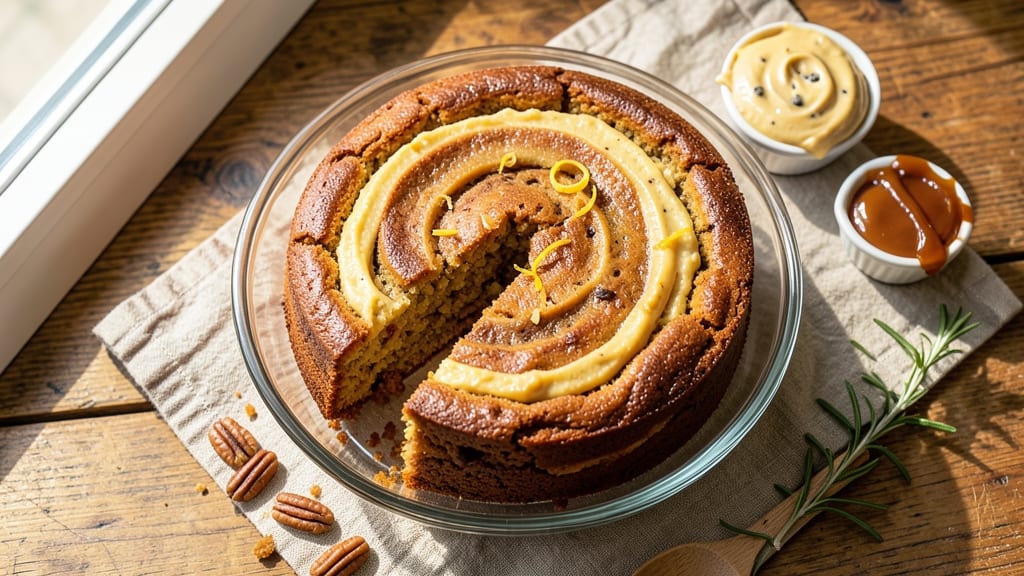
This sweet potato butter cake recipe from scratch delivers layers of moist, spiced sweetness that rival any bakery creation—no box mix required. The secret lies in perfectly boiled sweet potatoes, blended into a velvety purée that replaces oil while keeping the crumb tender and rich.
I’ve baked this cake countless times, and it never fails to impress with its caramelized top and buttery, spiced flavor that lingers long after the last bite.
The magic happens in the layers: a tender crumb infused with cinnamon and nutmeg, a caramelized sugar crust from the baking, and the option to top it with a simple buttercream or a drizzle of honey.
What sets this apart is the sweet potato’s natural moisture, which eliminates the need for extra fats while adding depth that vanilla or pumpkin cakes simply can’t match. The texture is consistently moist, never dry, thanks to a few key techniques I’ve perfected over years of baking.
By the time it emerges from the oven, you’ll have a cake with a golden, crackly top and a soft, spiced interior that’s perfect for slicing or serving whole. The aroma alone—warm sweet potatoes, brown sugar, and butter—will fill your kitchen with comfort.
This isn’t just dessert; it’s a showstopper for holidays, brunch, or whenever you crave something rich yet wholesome.
Ready to bake? The recipe includes step-by-step instructions for prepping the sweet potatoes, mixing the batter, and achieving that perfect caramelized crust. Whether you’re a seasoned baker or trying this for the first time, the result is always worth the effort.
Ingredients for sweet potato butter cake recipe from scratch
Sweet potatoes, butter, and spices come together for a cake that's moist, caramelized, and perfect for any occasion.
| Ingredient | Amount | Notes |
|---|---|---|
| Orange Sweet Potatoes 🍠 | 1 ½ lb | Medium size, peeled and cubed |
| Unsalted Butter 🧈 | 1 cup | Softened to room temperature |
| Granulated Sugar 🍚 | 2 cups | White or light brown |
| Packed Brown Sugar 🍚 | 1 cup | Light or dark variety |
| Large Eggs 🥚 | 2 whole | Room temperature |
| Vanilla Extract 🍯 | 2 tsp | Pure extract preferred |
| All-Purpose Flour 🌾 | 2 ½ cups | Sifted for light texture |
| Baking Powder 🧂 | 2 tsp | Aluminum-free preferred |
| Ground Cinnamon 🌿 | 2 tsp | Freshly ground if possible |
| Ground Nutmeg 🌿 | ½ tsp | Freshly grated preferred |
| Salt 🧂 | ½ tsp | Fine sea salt |
| Turbinado Sugar 🍚 | ¼ cup | For caramelized crust |
| Heavy Cream 🥛 | ½ cup | For optional buttercream |
| Powdered Sugar 🍚 | 2 cups | For optional buttercream |
The sweet potatoes are the star here—orange varieties work best for that classic flavor. Grab a couple at Trader Joe's or Whole Foods if you want extra-sweet ones, but regular grocery store sweet potatoes work too. Peeled and cubed, they boil up soft and velvety, replacing oil for a tender crumb. I always double-check the size—medium potatoes are ideal since they're easy to peel and cook evenly. For a shortcut, some bakers use canned sweet potato purée, but fresh is worth the 15-minute boil.
No vanilla extract? Vanilla bean paste works too, or even a scraped vanilla bean. Short on butter? Coconut oil or applesauce can replace half the amount, though the flavor will shift slightly. The spices are non-negotiable though—freshly ground nutmeg makes all the difference. If you're out of turbinado sugar for the crust, brown sugar works in a pinch. For the buttercream, if you don't want to make it, a simple honey drizzle adds sweetness without extra effort. The flour? King Arthur or Gold Medal brands are my go-tos—they're reliable for baking.
Store the cake in an airtight container at room temperature for 3-4 days—it actually tastes better the next day as the flavors meld. For longer storage, wrap tightly and refrigerate for up to 1 week. The buttercream keeps for 3 days in the fridge, so I usually make it fresh when serving. Freezing isn't ideal for this cake since it can dry out, but you can freeze slices wrapped in plastic for up to 2 months. I always bake an extra slice or two—this cake disappears fast!
Why You'll Love This Recipe
- No-Fuss Mixing: I swear, this batter comes together in one bowl—no fancy steps, no last-minute scrambling. Just mash those sweet potatoes (roasted until soft, no peeling required), cream the butter and sugars, toss in eggs, and fold. That’s it. Even my "I-can’t-read-a-recipe" cousin nailed it.
- Buttery-Sweet Magic: The combo of brown sugar’s deep caramel notes and that velvety butter? It’s like a hug in cake form. And the orange sweet potatoes? They add natural moisture without tasting "veggie"—just rich, slightly spiced sweetness that keeps you reaching for seconds.
- Weeknight or Celebration: Honestly, this cake works everywhere. Whip it up for a lazy Sunday breakfast, pack slices for lunch, or bring it to a potluck—no one will guess it’s secretly budget-friendly. The texture holds up for days, so leftovers? Always a win.
- Pantry Staple Power: Between us, this recipe uses ingredients you’re already buying. Sweet potatoes last forever in the fridge, butter’s a staple, and sugar? Well, you need it. No specialty items, no markup—just pure, reliable comfort that doesn’t break the bank. (Yes, even on a Tuesday night.)
Step-by-step instructions for sweet potato butter cake
Here's how to create a tender, spiced cake with a caramelized crust that'll make your kitchen smell amazing.
Roast the Sweet Potatoes Until Tender
Preheat your oven to 400°F and line a baking sheet with parchment paper. Spread the 1.5 lb orange sweet potatoes in a single layer, making sure they're not crowded. Roast for 30-35 minutes until a knife slides in easily and the edges are slightly caramelized.
Let them cool completely before handling—this makes them much easier to work with. I like to scoop out the flesh and discard the skin, then mash the flesh until completely smooth. You should have about 1½ cups of purée. This roasting step is what gives the cake its signature moist texture and deep sweetness.
Cream Butter and Sugars Together
In a large mixing bowl, beat the 1 cup softened unsalted butter with both 2 cups granulated sugar and 1 cup packed brown sugar on medium speed until light and fluffy, about 3-4 minutes. You'll see the mixture nearly double in volume and become pale in color.
This creaming process incorporates air, which creates that tender crumb we want. Scrape down the sides of the bowl occasionally to ensure everything gets evenly mixed. Here's where the cake's structure begins—don't rush this step or you'll end up with dense layers instead of light, moist ones.
Mix in Eggs and Sweet Potato Purée
Add the 2 whole large eggs, one at a time, mixing well after each addition. Then stir in the 2 tsp vanilla extract and the 1½ cups sweet potato purée until completely combined. The batter will be thick but smooth at this point.
I find it helps to add the sweet potato purée gradually if the batter seems too runny. The purée adds natural sweetness and moisture while keeping the cake's texture tender. This is also where the warm spices come into play—we'll add them in the next step to infuse their flavors throughout.
Combine Dry Ingredients and Fold Gently
In a separate bowl, whisk together the 2.5 cups all-purpose flour, 2 tsp baking powder, 2 tsp ground cinnamon, ½ tsp ground nutmeg, and ½ tsp salt. Sift the flour mixture directly into the wet ingredients and gently fold together using a spatula.
Be careful not to overmix—just combine until the dry ingredients are mostly incorporated. You should still see some flour streaks. The goal is to maintain that tender crumb by developing just enough gluten. Once mixed, sprinkle the ¼ cup turbinado sugar evenly over the top of the batter for that beautiful caramelized crust.
Bake and Create the Caramelized Topping
Pour the batter into two greased and floured 9-inch round cake pans. Bake in a 350°F oven for 25-30 minutes or until a toothpick inserted in the center comes out clean. Rotate the pans halfway through baking for even browning.
For the caramelized topping, melt the ½ cup heavy cream in a small saucepan over medium heat until it just begins to simmer. Brush this generously over the hot cakes in the last 5 minutes of baking. The sugar from the turbinado will caramelize beautifully, creating that perfect crunchy top we all love.
Make the Buttercream (Optional)
For the buttercream, beat the ½ cup heavy cream (if not already used) with the 2 cups powdered sugar until smooth. Add the ½ cup softened unsalted butter and continue beating until light and fluffy. Spread between the cake layers and on top, then decorate as desired.
The buttercream adds that classic sweet potato cake flavor while keeping everything cohesive. If you prefer a simpler presentation, you can skip it and just enjoy the cake with its beautiful caramelized crust as is. Either way, this cake's moist texture and warm spices make it a showstopper.
Pro Tips For Making Sweet Potato Butter Cake Recipe From Scratch
- Peel and Roast First: Skip the raw sweet potato mash—roast the peeled, cubed potatoes at 400°F (200°C) for 25-30 minutes until tender and caramelized. This deepens the natural sweetness and eliminates the need for extra moisture adjustments later. (Yes, even if you're impatient like me, wait until they're fork-tender—no one likes gummy cake.)
- Whip Butter to Room Temp: Unsalted butter straight from the fridge? Beat it with a fork or mixer until just soft—not melted—before creaming with sugars. Cold butter pockets of water will make your cake dense, and you’ll end up with a sad, heavy crumb. (I learned this the hard way after a batch that resembled a brick.)
- Don’t Overmix the Batter: Once you fold in the roasted sweet potato purée, mix just until combined—no more. Overworking the batter introduces too much air, which can cause the cake to sink in the center or develop a tough texture. (Your future self will thank you for resisting the urge to "fix" it by mixing longer.)
- Test Doneness with a Toothpick: The cake’s done when a toothpick comes out with moist crumbs—not wet batter, not dry flour. If it’s sticky, tent with foil and bake another 5-10 minutes. Sweet potato cakes can fool you with their golden crust while staying undercooked inside. (I was skeptical until I tried it—now I never skip this step.)
Troubleshooting perfect results
Cake Sinks Mid-Bake
This happens when the batter is too dense or the oven isn't hot enough. First, ensure your oven is fully preheated to 350°F—use an oven thermometer to confirm accuracy. I've found that under-mixed batters (with visible flour streaks) hold their shape better.
Also, don't overfill your pans—fill them only ⅔ full to allow proper rise. If your cake still sinks, try reducing the sweet potato purée by ¼ cup next time, as excess moisture can weigh it down. 🌡️
Dry or Crumbly Texture
Overbaking is the #1 cause of dry cake. Remove it from the oven the moment a toothpick comes out clean (or with just a few moist crumbs). For extra moisture, brush the sides of the pans with 2 tbsp melted butter before adding batter.
I also recommend wrapping cooled cakes in plastic wrap and refrigerating for 1-2 hours before slicing—this helps retain moisture. If your cake turns out dry, try adding 1 tbsp sour cream or Greek yogurt to the batter for richness.
Uneven Baking or Pale Centers
Rotate your pans halfway through baking to ensure even heat distribution. If your cake's center stays pale, it might be undercooked or your oven has hot spots. Try using a dark-colored metal pan (like Wilton Perfect Results) for better heat absorption.
Another trick: Place a shallow pan of water on the lower oven rack to create steam, which helps with even baking. For stubborn pale centers, extend baking by 5-10 minutes and check frequently in the last 5 minutes.
Cracked or Sunken Top
The caramelized sugar crust can crack if the cake rises too quickly or if the oven temperature fluctuates. To prevent this, sprinkle the turbinado sugar evenly over the batter right before baking—don't press it in.
Also, avoid opening the oven door during the first 20 minutes of baking, as temperature drops cause uneven rising. If cracks appear, simply cover them with extra buttercream or a drizzle of honey—no one will notice the flaw!
Batter Too Thin or Runny
If your batter is too loose, it's likely from over-mixing or using too much sweet potato purée. The ideal consistency should be like thick pancake batter—scoopable but not soupy. To fix it, add 1-2 tbsp more flour at a time until it thickens.
For extra insurance, chill the batter for 30 minutes before baking, which helps stabilize the structure. I've also had success adding 1 tbsp cornstarch to the dry ingredients for a firmer crumb.
Spices Too Overpowering
Freshly ground spices are more potent, so start with slightly less than the recipe calls for (1.5 tsp cinnamon instead of 2 tsp) if you're using high-quality Penzeys spices. For a milder flavor, reduce the nutmeg to ¼ tsp.
If your cake turns out too spicy, balance it with a dusting of powdered sugar or a drizzle of vanilla glaze. The good news? You can always add more spices to future batches—it's easier to adjust upward than downward. 🌿
Nutrition facts
Frequently asked questions
Can I substitute canned sweet potato purée for fresh?
Yes, but with adjustments! Use 1½ cups unsweetened canned purée (about one 15-ounce can), but reduce the added sugar by ¼ cup total since canned versions are often sweeter. Drain well first to avoid excess moisture. For best results, roast fresh sweet potatoes—they yield a smoother texture and deeper flavor.
Why does my cake turn out dense instead of moist?
Overmixing or underbaking are common culprits. Mix just until combined (visible flour streaks are fine), and bake until a toothpick comes out with a few moist crumbs. For extra moisture, brush warm cakes with 2 tbsp melted butter while still in pans. Chill wrapped cakes for 1-2 hours before slicing to preserve tenderness.
Can I make this cake in a single 9x13-inch pan?
Reduce the batter by 25% (about 1½ cups) and bake at 325°F for 40-45 minutes. Line the pan with parchment paper for easy removal. The texture will be slightly denser, but still delicious. For a taller cake, use a 9x5-inch loaf pan and bake for 50-55 minutes at 350°F.
How do I store leftovers to keep them fresh?
Wrap cooled slices in plastic wrap and store at room temperature for 3-4 days in an airtight container. For longer storage, refrigerate for up to 1 week. Freeze individual slices (wrapped tightly) for 2 months—thaw at room temperature for 1-2 hours before serving. The buttercream keeps separately for 3 days in the fridge.
What’s the best way to serve this cake?
Warm slices make the spices pop! Serve with a scoop of vanilla ice cream or a dollop of whipped cream. For a festive touch, drizzle with honey or caramel sauce. It’s perfect for holidays, brunch, or dessert—just avoid serving it too warm, or the buttercream may melt.