
Side Dishes
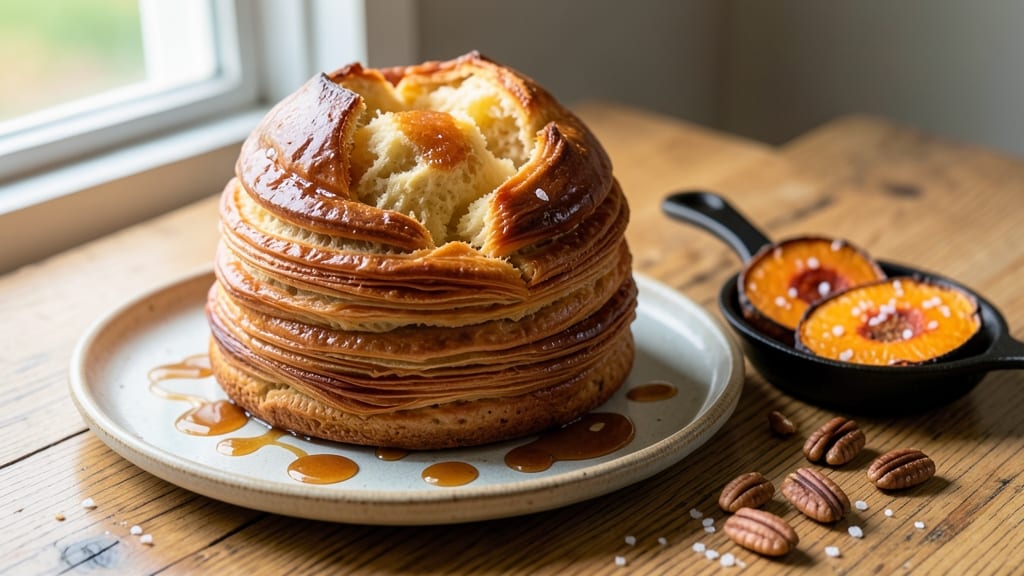
This sweet potato brioche recipe transforms classic rolls into something extraordinary—fluffy, golden, and infused with natural sweetness from roasted sweet potato.
The secret lies in blending tender sweet potato puree into the dough, creating rolls with a moist, slightly caramelized center that pairs perfectly with savory mains or buttery breakfast spreads.
I developed this recipe after years of experimenting with brioche variations, and the sweet potato makes all the difference—adding depth without overpowering the buttery richness.
The dough comes together with a foolproof method that yields tender, airy rolls with crisp edges. We’ll use a mix of all-purpose flour and bread flour for structure, while eggs and butter create that signature brioche texture.
The sweet potato puree adds moisture and natural sweetness, while a touch of cinnamon enhances the warm, comforting flavors. Proofing times are critical here—patience ensures those signature brioche bubbles without overproofing.
By the time these rolls emerge from the oven, you’ll have golden-brown brioche with a caramelized glaze that’s irresistibly sweet. The interior stays soft and pillowy, while the exterior develops a perfect crust. This recipe delivers restaurant-quality results at home, with rolls that stay fresh for days when stored properly.
Whether served warm with honey butter or saved for toast the next morning, they’re a game-changer for any meal.
For extra indulgence, try adding a cream cheese filling or chocolate swirl—both variations work beautifully with the sweet potato base. The recipe scales easily, so you can make a batch for holidays or meal prep for the week.
Let’s get started on these decadent, fluffy rolls that will become a household favorite.
Ingredients for sweet potato brioche
Twelve essential ingredients transform simple brioche into decadent sweet potato rolls with golden crusts.
| Ingredient | Amount | Notes |
|---|---|---|
| Sweet Potatoes 🍠 | 2 lbs | Orange flesh, peeled and pureed |
| All-Purpose Flour 🌾 | 3 cups | Sifted for light texture |
| Bread Flour 🌾 | 1 cup | For enhanced structure |
| Unsalted Butter 🧈 | 1 cup | Cold, cubed, European preferred |
| Large Eggs 🥚 | 4 whole | Room temperature |
| Granulated Sugar 🍚 | ½ cup | For dough sweetness |
| Instant Yeast 🍞 | ¼ oz | Or 2 1/4 tsp |
| Ground Cinnamon 🌿 | 1 tsp | For warm spice notes |
| Salt 🧂 | 1 ½ tsp | Diamond Crystal preferred |
| Whole Milk 🥛 | ½ cup | Warmed to 110°F |
| Honey 🍯 | 2 tbsp | For caramelized glaze |
| Vanilla Extract 🌸 | 1 tsp | Pure vanilla preferred |
| Powdered Sugar 🍚 | ¼ cup | For final glaze |
The sweet potatoes are the foundation—choose orange-fleshed varieties like Garnet or Jewel for natural sweetness. Costco or Trader Joe's often carry pre-peeled organic sweet potatoes, which save time. Roast them until tender, then puree until completely smooth with no lumps. The butter matters too: European-style unsalted (like Plugrá or President) yields richer flavor and better texture than American brands. Keep it cold when cutting into cubes for optimal dough development. For the flours, King Arthur makes excellent bread flour, while their all-purpose is reliable for the base structure.
No bread flour? Substitute all-purpose plus 1 tsp vital wheat gluten for similar structure. Running short on sweet potatoes? Butternut squash puree works in a pinch, though the flavor will differ slightly. The cinnamon can be omitted if you prefer a neutral brioche, but it enhances the sweet potato's natural warmth. For the glaze, local honey adds depth, but any neutral honey will suffice. If you're making a larger batch, consider doubling the yeast for faster rise times—just monitor closely to avoid overproofing. The milk should be warmed to 110°F (just warm to the touch) to activate the yeast properly without cooking it.
Store the dough in an airtight container in the fridge for up to 24 hours before shaping—this actually improves flavor. Once baked, these rolls stay fresh for 3 days at room temperature wrapped in a clean kitchen towel, or 5 days in the fridge. For longer storage, freeze the shaped rolls (before baking) for up to 3 months. To reheat, wrap in foil and warm at 300°F for 10 minutes. The glaze hardens when cold, so brush on fresh glaze before serving if needed. These rolls freeze beautifully too—just thaw at room temperature before serving.
Why You'll Love This Recipe
- No Stand-Mixing Needed: I swear by this—just a bowl and a spoon. The dough comes together in five minutes, and honestly? That rich sweet potato purée blends right in without a trace of fuss.
- Buttery Sweet Magic: The butter and eggs turn this into something luxurious—flaky layers with that caramelized sweet potato center. It’s the kind of brioche that makes you pause mid-bite.
- Breakfast or Brunch Star: Same dough, endless uses. Toast it for French toast, slice it for sandwiches, or serve it warm with jam. My kids beg for it on school mornings, and I don’t blame them.
- Leftovers? Better Than Fresh: Between us, the second day is even better—the crust gets crunchier, the sweetness deeper. I bake a double batch on Sundays and eat it all week. Zero waste, all reward.
Step-by-step instructions for sweet potato brioche rolls
Transform humble sweet potatoes into luxurious brioche rolls with a caramelized glaze—here's the method.
Prepare the Sweet Potato Puree
Peel the 2 lbs sweet potatoes and cut them into even chunks. Place them in a pot of boiling water and cook for 15-20 minutes until fork-tender. Drain thoroughly and return to the pot. Using an immersion blender, puree until completely smooth with no lumps. Let the puree cool to room temperature before using—this prevents killing the yeast in your dough.
The sweet potato puree forms the soul of these rolls, adding moisture and natural sweetness that reduces the need for excess sugar. For best results, strain the puree through a fine-mesh sieve to remove any fibrous texture. You should end up with about 2 cups of smooth, vibrant puree.
Mix the Dough Components
In the bowl of a stand mixer fitted with the dough hook attachment, combine the 3 cups all-purpose flour, 1 cup bread flour, 0.5 cup granulated sugar, 1.5 tsp salt, and 1 tsp ground cinnamon. Mix on low speed for 30 seconds to aerate the flours. Add the 1 cup cold unsalted butter, cut into cubes, and mix on low speed until the butter is fully incorporated and resembles coarse crumbs.
In a separate bowl, whisk together the 0.5 cup warm whole milk (110°F), 2 tbsp honey, 1 tsp vanilla extract, and 0.25 oz instant yeast. Pour this liquid mixture into the flour-butter combination and mix on low speed until combined. Add the 4 room-temperature eggs, one at a time, mixing well after each addition. Finally, incorporate the 2 cups sweet potato puree and mix until the dough comes together.
Knead and Develop Gluten
Increase the mixer speed to medium and knead the dough for 5-7 minutes until it becomes smooth, elastic, and slightly tacky. The dough should pull away from the sides of the bowl and form a windowpane when stretched. If the dough feels too sticky, add 1 tablespoon flour at a time until it reaches the proper consistency—it should be soft but not wet.
During kneading, the gluten structure develops, which is crucial for the rolls' light texture. You'll know it's ready when the dough passes the "windowpane test"—stretch a small piece until it's translucent and thin enough to see light through it without tearing. This typically takes 5-7 minutes of continuous kneading.
First Rise and Shaping
Lightly grease a large mixing bowl with neutral oil and place the dough inside. Cover the bowl with a damp kitchen towel and let it rise in a warm place (75-80°F) for 1-2 hours, or until the dough has doubled in size. Gently press your finger into the dough—if it springs back slowly, it's ready for shaping.
Punch down the risen dough to release air, then turn it out onto a lightly floured surface. Divide the dough into 12 equal pieces (about 3 ounces each) and shape each into a smooth ball. Arrange the balls on a parchment-lined baking sheet, cover with the damp towel, and let them rise again for 30-45 minutes until puffy.
Bake and Glaze
Preheat your oven to 350°F. Bake the rolls for 20-25 minutes until they're golden brown and sound hollow when tapped on the bottom. While they bake, prepare the glaze by combining 0.25 cup powdered sugar with 2 tbsp warm water and 1 tbsp honey in a small bowl, whisking until smooth.
Immediately after removing the rolls from the oven, brush them generously with the glaze while still warm. The glaze will caramelize slightly as it cools, creating that beautiful sheen. For extra richness, you can also brush the tops with melted butter before glazing. Serve warm for the best texture and flavor.
Pro Tips For Making Sweet Potato Brioche
- STEAM THE POTATOES FIRST: I learned this the hard way—roasting sweet potatoes whole makes them too fibrous for brioche dough. Instead, steam them until fork-tender (about 15 minutes), then mash them smooth with a pinch of salt. This keeps the texture light and prevents gummy dough later.
- USE COLD BUTTER: Cut the butter into small cubes and refrigerate them until the dough comes together. Cold butter creates those signature brioche layers—if you warm it up first, you’ll end up with dense, greasy bread. (Yes, even if you’re impatient like me.)
- WEIGH YOUR FLOUR: Scooping flour from the bag packs it too tightly, and brioche dough is unforgiving about hydration. Use a kitchen scale for the all-purpose and bread flour—this recipe works best with 500g total, give or take 5g. Trust me, your brioche will thank you.
- LET THE DOUGH REST TWICE: After the first rise, punch it down and let it sit uncovered in the fridge for at least 8 hours (overnight is ideal). This slow fermentation deepens the flavor and makes the texture richer. Skipping this step means your brioche will taste bland and underdeveloped.
Common mistakes when making this dish
Over-Kneading the Dough
One of the biggest mistakes is over-kneading, which develops too much gluten and makes your brioche dense instead of tender. I’ve seen dough turn tough and rubbery when kneaded for more than 7-8 minutes in a stand mixer.
The goal is a smooth, elastic dough that passes the windowpane test—if it starts tearing or feels stiff, stop immediately. Over-kneading also releases excess gluten, which can make the rolls gummy rather than airy. 💫
Skipping the Proofing Check
Many home bakers rush the proofing stage, but brioche dough needs patience. If you skip checking for proper rise (doubled in size with a gentle spring back when pressed), your rolls will collapse during baking.
I recommend using a kitchen timer and testing with your finger—if the dough springs back slowly, it’s ready. Cold environments or weak yeast can slow this process, so keep your dough in a 75-80°F spot, like a turned-off oven with a bowl of hot water inside.
Using Warm Butter
Cold butter is non-negotiable for brioche—warm or melted butter will melt into the dough, creating a gummy texture instead of tender layers. Always cut your 1 cup unsalted butter into cubes and keep it in the fridge until ready to use.
If your kitchen is warm, chill the dough bowl for 10 minutes before adding the butter cubes. I once forgot this and ended up with rolls that felt more like dense bread than fluffy brioche. The butter should remain firm but pliable when mixed into the flour.
Ignoring the Sweet Potato Texture
Lumpy sweet potato puree can disrupt the dough’s structure, leading to uneven texture in your rolls. Always strain your puree through a fine-mesh sieve to remove any fibrous bits, and ensure it’s completely smooth before mixing. I’ve had dough turn out sticky and difficult to handle when using unstrained puree.
For extra insurance, let the puree cool to room temperature before adding it to the dough—warm puree can kill the yeast and slow fermentation.
Overloading the Glaze
Too much glaze can make your rolls soggy instead of golden and crisp. The ¼ cup powdered sugar glaze is designed to be light and caramelized, not heavy. Brush it on immediately after baking while the rolls are still warm, but don’t drown them—just enough to create that glossy sheen.
If you’re adding extra honey or melted butter, do it sparingly. I’ve seen rolls turn sticky and lose their structure when over-glazed, so less is more here. 🍯
Baking at the Wrong Temperature
Baking brioche at temperatures above 350°F can cause the exterior to brown too quickly while the interior stays undercooked. Below 340°F, the rolls may not develop that signature golden crust. Preheat your oven thoroughly and use an oven thermometer to confirm accuracy—many home ovens run hot or cold.
I’ve had rolls turn out pale and doughy when my oven wasn’t calibrated, so this check is worth the extra minute. For even baking, place your rolls on the middle rack and avoid crowding the pan.
Nutrition facts
Frequently asked questions
Can I substitute butternut squash for sweet potato?
Yes, butternut squash works in a pinch! Use 2 cups pureed cooked squash instead of sweet potato, but expect a slightly different flavor profile—milder sweetness and creamier texture. For best results, roast the squash until tender, then blend until completely smooth. The cinnamon will still complement it beautifully.
How do I store these rolls for maximum freshness?
Keep baked rolls fresh for 3 days at room temperature by wrapping them in a clean kitchen towel to maintain moisture. For longer storage, refrigerate for up to 5 days or freeze shaped (unbaked) rolls for 3 months. To reheat, wrap in foil and warm at 300°F for 10 minutes—they’ll taste almost as good as fresh!
What's the best way to add fillings like cream cheese?
For cream cheese rolls, flatten each dough ball into a ½-inch thick circle, add 1 tsp cream cheese in the center, then seal by pinching edges together. Place seam-side down on the baking sheet. For extra richness, brush with melted butter before glazing. The sweet potato flavor pairs perfectly with tangy cream cheese!
Why did my rolls turn out dense instead of fluffy?
Dense rolls usually mean over-kneading or underproofing. Check your kneading time (5-7 minutes max) and proofing progress—dough should double and spring back slowly when pressed. Also verify your butter was cold and yeast was fresh. If your kitchen is cold, use a warm spot (like an oven with light on) for proofing.
Can I make these rolls without a stand mixer?
Mix by hand in a large bowl, then knead on a floured surface for 8-10 minutes until smooth. The dough will be more labor-intensive but still achieve that tender texture. Just be patient—hand-kneading develops gluten more slowly than a mixer.