
Side Dishes
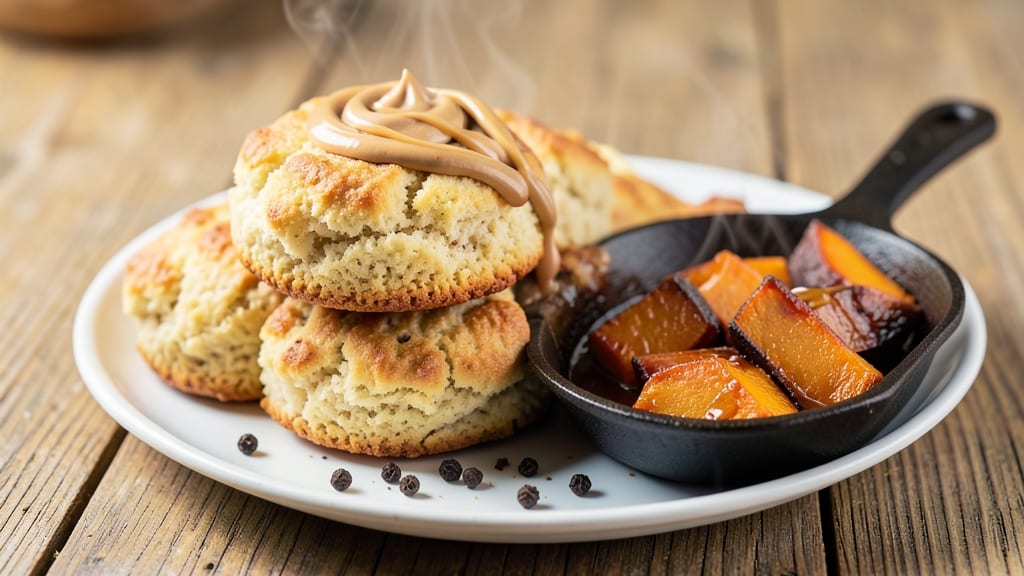
This sweet potato buttermilk biscuit recipe transforms humble ingredients into golden, flaky layers that melt in your mouth. 🌟 The secret lies in blending mashed sweet potato with buttermilk and cold butter, creating a tender yet crispy texture that rivals any bakery-style biscuit.
I developed this recipe after years of perfecting the balance between moisture and flakiness—no more dry or gummy biscuits here.
The magic happens in the dough preparation: cutting cold butter into flour until pea-sized crumbs form, then gently folding in the sweet potato mixture. This technique ensures those signature layers without overworking the dough.
Baking at 350°F for 12–15 minutes guarantees a crisp exterior with a soft, pillowy center, while the sweet potato adds natural sweetness that pairs perfectly with honey butter or jam.
What you’ll end up with is a batch of biscuits so tender they practically dissolve on your tongue, yet sturdy enough to hold up to gravy or jam. The sweet potato brings depth to the flavor, while the buttermilk keeps them moist.
These biscuits are ideal for breakfast, brunch, or as a side dish—especially when paired with savory dishes like fried chicken or sausage.
For extra flakiness, chill the dough for 30 minutes before baking. And don’t skip the buttermilk—it’s what gives these biscuits their signature tangy richness. Let’s get baking!
Ingredients for sweet potato biscuit recipe buttermilk
Golden layers start with these 10 simple ingredients—flour, butter, sweet potatoes, and buttermilk.
| Ingredient | Amount | Notes |
|---|---|---|
| All-Purpose Flour 🌾 | 3 cups | Sifted for light texture |
| Cold Unsalted Butter 🧈 | ¾ cup | Cut into small cubes |
| Medium Sweet Potatoes 🍠 | 1 ½ cups | Cooked and mashed |
| Buttermilk 🥛 | ¾ cup | Room temperature preferred |
| Granulated Sugar 🍚 | 1 tbsp | Balances sweetness |
| Baking Powder 🧂 | 2 tbsp | Diamond Crystal preferred |
| Salt 🧂 | 1 tsp | Kosher or sea salt |
| Ground Black Pepper 🌶️ | ½ tsp | Freshly ground preferred |
| Garlic Powder 🧄 | ½ tsp | For subtle depth |
| Cinnamon 🌿 | ¼ tsp | Optional for warmth |
The sweet potatoes are the star here. Orange-fleshed varieties like Beauregard work best—they're naturally sweet and moist. Roast them until tender, then mash until smooth (no lumps!). Trader Joe's and Whole Foods carry them pre-peeled, saving you time. If using canned sweet potatoes, drain well and pat dry to avoid a soggy dough. The buttermilk? Don't substitute with regular milk—the acidity is key for that signature tang. If you're in a pinch, mix ¾ cup milk with 1½ tsp lemon juice or vinegar and let it sit for 5 minutes.
Flour matters here—King Arthur or Gold Medal brands give the best rise. The butter needs to be cold (even if it's summer—pop it in the freezer for 20 minutes). For the baking powder, Diamond Crystal is more potent than Rumford, so use it if that's what you've got. No cinnamon? Skip it—these biscuits are delicious without it. Want extra flakiness? Add 1 tbsp of cornstarch to your flour mix. And if you're worried about the sweet potatoes being too sweet, reduce the sugar to ½ tbsp or omit entirely—they're naturally sweet enough.
Store the dough (before baking) wrapped tightly in plastic for up to 2 days in the fridge. Baked biscuits keep well in an airtight container for 3 days at room temperature or 1 week in the fridge. For longer storage, freeze unbaked dough balls for 3 months—bake straight from frozen, adding 2-3 minutes to the time. These reheat beautifully: pop them in a 350°F oven for 5-10 minutes until crispy again. Pro tip: freeze extra biscuits between sheets of parchment paper to prevent sticking.
Why You'll Love This Recipe
- No Peel, No Stress: I roast those sweet potatoes whole—yes, skin and all—until they’re fork-tender. The buttermilk soaks in while you mix the dough, and the sugar caramelizes just enough to give them that golden sheen without extra effort.
- Buttermilk Magic: That tangy buttermilk cuts through the sweetness of the potatoes, creating this perfect balance—almost like a biscuit meets a donut. Honestly, the first time I bit into one still warm, I nearly dropped the plate.
- Breakfast or Brunch Hero: These work just as well with scrambled eggs as they do alongside honey butter. I’ve even tossed them into a bowl with Greek yogurt and a drizzle of maple syrup—suddenly, you’ve got a whole meal without trying.
- Pantry Stash Gold: Sweet potatoes last forever, and flour/butter are basics. The recipe stretches to feed four for breakfast or six as a side, and leftovers? Toast them up the next day for a crispy, satisfying snack. Budget-friendly doesn’t get much better.
Step-by-step instructions for sweet potato buttermilk biscuits
Here's the method for golden, flaky biscuits with a tender crumb and buttery finish.
👨🍳 Step 1: Prep the Sweet Potato Base
Peel and chop the 1.5 cups medium sweet potatoes into even chunks. Place them in a small pot and cover with water by about 1 inch. Bring to a boil over medium-high heat, then reduce to a simmer for 10-12 minutes until fork-tender. Drain thoroughly and mash until completely smooth—no lumps should remain. This step creates the moist, tender base that sets these biscuits apart.
Let the mashed sweet potatoes cool to room temperature before using. I press them through a fine-mesh sieve if needed to ensure a silky texture. The cooler the mash, the better it incorporates into the dough without activating the baking powder prematurely. This is where the magic happens—the sweet potato's natural moisture replaces some of the butter, creating that signature tender crumb.
👨🍳 Step 2: Cut and Chill the Butter
Cut the 0.75 cup cold unsalted butter into small, even cubes—about ½-inch pieces. Place them on a chilled plate and refrigerate for 10 minutes to ensure they remain firm. Cold butter is non-negotiable for flaky layers. I like to use my hands to press the cubes flat slightly before adding them to the flour mixture—this creates more surface area for the flour to cling to, resulting in better laminations.
Keep the butter cold throughout the mixing process. If it starts to soften, return it to the fridge for 5 minutes to firm up. The goal is to maintain those distinct butter layers that create the signature flakiness. Don't rush this step—proper butter temperature makes all the difference in the final texture.
🥘 Step 3: Combine Dry Ingredients
In a large bowl, whisk together the 3 cups all-purpose flour, 2 tbsp baking powder, 1 tsp salt, 0.5 tsp ground black pepper, 0.5 tsp garlic powder, and 0.25 tsp cinnamon. Sift the flour mixture through a fine-mesh sieve directly into the bowl to aerate it—this ensures light, tender biscuits. I use a rubber spatula to press down any large flour clumps against the sides of the bowl before adding wet ingredients.
Add the 1 tbsp granulated sugar and whisk to distribute evenly. The sugar balances the earthy sweet potato flavor while adding just enough sweetness to complement the buttermilk. Make a well in the center of the dry ingredients large enough to comfortably hold the mashed sweet potatoes and buttermilk.
🍳 Step 4: Mix Wet Ingredients and Form Dough
Pour the cooled mashed sweet potatoes and 0.75 cup buttermilk into the well. Using a wooden spoon, gently stir the mixture until just combined—you should still see dry flour streaks. Overmixing develops gluten, which makes biscuits tough. Add the cold butter cubes and use your hands to work them into the dough until pea-sized lumps remain. This creates pockets of butter that will melt during baking, creating those beautiful flaky layers.
Turn the dough out onto a lightly floured surface and gently pat it into a 1-inch thick rectangle. Fold the dough over itself like a book, then repeat once more. This folding technique, called "laminating," creates multiple layers of butter for maximum flakiness. Wrap the dough tightly in plastic wrap and refrigerate for 30 minutes to allow the gluten to relax.
🔥 Step 5: Shape and Bake to Golden Perfection
Preheat your oven to 425°F and line a baking sheet with parchment paper. Remove the chilled dough from the fridge and cut it into 12 equal-sized rectangles—about 2 inches by 3 inches each. Stack them on top of each other and press down gently to ensure even thickness. This prevents some biscuits from cooking faster than others.
Place the biscuits on the prepared baking sheet, leaving about 1 inch of space between each. Bake for 12-15 minutes until they're golden brown on top and the edges are set. The internal temperature should reach 190-195°F when measured with an instant-read thermometer. For extra browning, brush the tops with a little melted butter after the first 5 minutes in the oven.
Pro Tips For Making Sweet Potato Biscuit Recipe Buttermilk
- STEAM THE POTATOES FIRST: Roast your sweet potatoes until they’re fork-tender, then steam them for 5 minutes—this keeps them moist without turning the dough gummy. I learned this the hard way after making biscuits that tasted like glue because I over-roasted them.
- CUT BUTTER IN SMALL BITS: Use 1-inch cubes of cold butter instead of one big slab—they’ll melt evenly into the dough without turning it greasy. After burning three batches with clumpy butter, I finally got why recipes insist on this.
- DON’T OVERMIX THE DOUGH: Stir just until the flour is incorporated—overworking it makes tough biscuits. The dough should look shaggy, not smooth, or you’ll regret it when they turn out like hockey pucks.
- USE FULL-FAT BUTTERMILK: Skip the low-fat version—it won’t give the same tender, flaky texture. If you’re out, mix 1 tablespoon vinegar or lemon juice into regular milk and let it sit for 5 minutes. (Yes, even if you’re impatient like me.)
Troubleshooting this dish
Dough Too Sticky?
If your dough feels overly sticky, you're likely overworking the sweet potato or not using enough flour. First, check that your mashed sweet potatoes are completely cool—warm mash activates the baking powder too early. Add 1-2 tablespoons of flour at a time until the dough holds together when pressed.
I also recommend chilling the dough for an extra 15 minutes to firm it up. For extra insurance, dust your work surface with all-purpose flour and use a dough scraper to keep everything contained. 💪
Biscuits Spread Too Much?
Over-spreading usually means your butter wasn't cold enough or your dough was too warm. Always use cold butter (firm but not rock-hard) and chill the dough for the full 30 minutes before cutting. For extra control, press the dough down firmly when stacking the biscuits before cutting.
If your oven runs hot, reduce the temperature to 400°F and bake for 16-18 minutes. A lightweight metal baking sheet also helps prevent excessive spreading. 🔥
Dry or Crumbly Texture?
Dry biscuits often result from overmixing or insufficient moisture. Gently fold in the mashed sweet potatoes and buttermilk until just combined—no more than 10-12 strokes with a wooden spoon. If your dough seems too dry, add 1-2 teaspoons of buttermilk or water at a time.
For extra moisture, brush the tops with melted butter during the last 5 minutes of baking. I also recommend using King Arthur flour, which absorbs less moisture than other brands. 💧
Pale or Uneven Color?
Uneven browning happens when biscuits aren't baked long enough or the oven temperature varies. For even golden color, rotate the baking sheet halfway through baking. Brush the tops with melted butter right after placing them in the oven for extra browning.
If your biscuits are pale, increase the temperature to 425°F and bake for 1-2 extra minutes. A light-colored baking sheet also reflects heat better than dark pans. 🌟
Flat or Dense Biscuits?
Dense biscuits usually mean overmixing or insufficient butter layers. Cut your butter into pea-sized pieces and work it into the dough gently—just until combined. Avoid pressing down on the dough when shaping, as this compresses the butter layers.
For extra flakiness, fold the dough 2-3 times before chilling. If your biscuits still feel dense, reduce the flour by 1 tablespoon next time. 🧈
Sweet Potato Flavor Too Strong?
If the sweet potato taste overpowers the buttermilk, reduce the sugar to ½ tablespoon or omit it entirely. The sweet potatoes themselves are naturally sweet enough! For a milder flavor, use orange-fleshed sweet potatoes like Beauregard, which are less intense than purple varieties.
If you prefer a more balanced flavor, add ½ teaspoon of vanilla extract to the dough for depth without sweetness. 🍠
Nutrition facts
Frequently asked questions
Can I substitute buttermilk in this recipe?
Yes, but the results may differ. For a 1:1 swap, mix ¾ cup milk with 1½ teaspoons lemon juice or vinegar and let it sit for 5 minutes to curdle. For a richer flavor, use ¾ cup plain yogurt (Greek or regular). The acidity from buttermilk is key for tender biscuits and that signature tang.
How do I store leftover sweet potato biscuits?
Keep baked biscuits in an airtight container at room temperature for up to 3 days. For longer storage, freeze them for 1 month. To reheat, pop them in a 350°F oven for 5-10 minutes until crispy. For extra freshness, freeze unbaked dough balls for 3 months—bake straight from frozen, adding 2-3 minutes to the time.
Why are my biscuits dense instead of flaky?
Dense biscuits usually mean overmixing or insufficient butter layers. Work the dough just until combined (10-12 strokes max) and keep the butter cold. For extra flakiness, fold the dough 2-3 times before chilling. Also, avoid pressing down on the dough when shaping—this compresses the butter layers.
What's the best way to serve these biscuits?
These biscuits shine with classic toppings like honey butter, maple syrup, or jam. For a savory twist, serve with fried chicken gravy or sausage. The sweet potato flavor pairs beautifully with breakfast dishes like bacon or scrambled eggs. Their tender texture makes them perfect for soaking up sauces too!
Can I make these biscuits gluten-free?
Gluten-free versions are possible but require substitutions. Replace the 3 cups all-purpose flour with a 1:1 gluten-free baking flour blend (like Bob's Red Mill) plus ½ cup cornstarch. Add ½ teaspoon xanthan gum if your blend doesn't include it. Expect slightly denser biscuits—they won't be as flaky as traditional versions. Chill the dough longer (45 minutes) for better texture.