Side Dishes
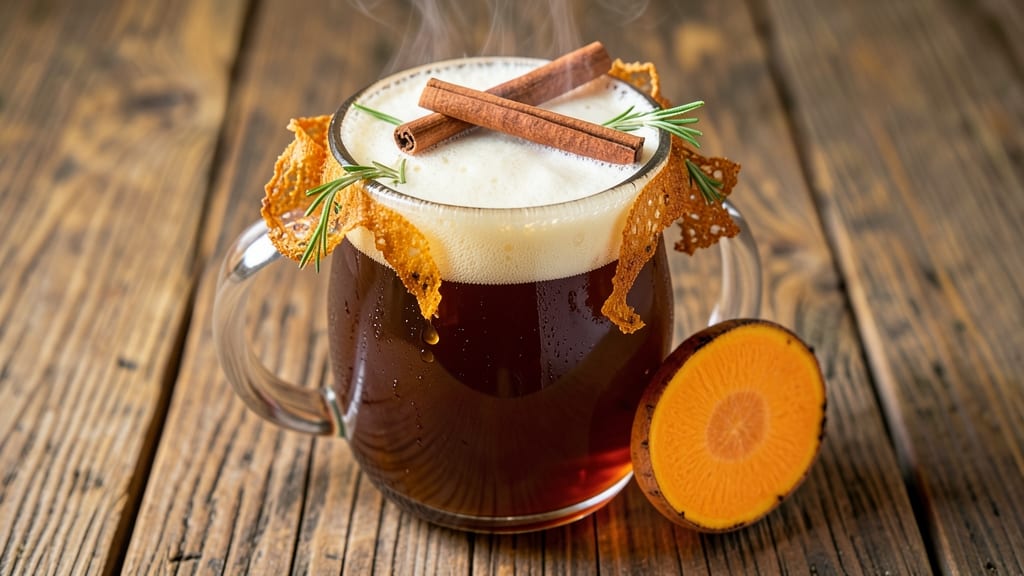
This sweet potato beer recipe transforms humble sweet potatoes into a rich, caramelized brew with deep malty notes and subtle hoppiness. The process blends traditional brewing techniques with modern shortcuts, creating a beverage that's both nostalgic and innovative.
What makes it special is the balance—roasted sweet potatoes add natural sweetness while malted barley provides the backbone of flavor, resulting in a drink that's complex yet approachable.
The key to success lies in proper mashing and fermentation, where temperature control ensures the sweet potatoes break down into a smooth, caramelized wort without overpowering the malt.
Unlike commercial sweet potato beers, this recipe lets you adjust sweetness and body to your preference, making it perfect for both homebrewers and casual drinkers. The result is a golden, aromatic beer with a velvety texture and a finish that lingers with warm, toasty notes.
Whether you're brewing for a gathering or simply craving something unique, this recipe delivers restaurant-quality depth at home. The fermentation process takes about two weeks, but the reward is a beer that's smooth enough to sip slowly or bold enough to pair with hearty meals.
Each batch develops its own character, making it a rewarding project for any homebrewer.
For those short on time, variations include using instant yeast for quicker fermentation or adding spices like cinnamon for extra warmth. The possibilities are endless, but the foundation remains the same—transforming sweet potatoes into a sophisticated, malty beer that surprises even seasoned drinkers.
Ingredients for sweet potato beer
Transform humble sweet potatoes into a rich, caramelized brew with these precise ingredients.
| Ingredient | Amount | Notes |
|---|---|---|
| Sweet Potatoes 🍠 | 2 lb | Organic, peeled and cubed |
| Malted Barley 🌾 | 2 cups | Light roast, crushed |
| Hops 🌿 | ½ oz | Cascade variety, pellets |
| Ale Yeast 🍺 | 1 package | Liquid or dry, US-05 strain |
| Distilled Water 💧 | 5 gallons | Filtered, chlorine-free |
| Campden Tablets 💊 | 2 tablets | For sterilization |
| Corn Sugar 🍬 | 1 cup | For fermentation |
| Priming Sugar 🍬 | ½ cup | For carbonation |
| Cinnamon Sticks 🌰 | 2 whole | Optional, for aroma |
| Liquid Malt Extract 🍯 | 1 lb | Dark amber, optional |
| Salt 🧂 | ½ tsp | Kosher, for balance |
| Black Peppercorns 🌶️ | 1 tsp | Crushed, for spice |
The sweet potatoes are the heart of this recipe—opt for organic varieties with deep orange flesh for maximum sweetness and caramelization. Local farms or specialty grocery stores often carry the best quality, but any sweet potato works in a pinch. Roast them first to concentrate their sugars, which will contribute to the beer's natural sweetness. The malted barley should be light roast and crushed to ensure proper extraction during mashing. Brewing supply stores like MoreBeer or Northern Brewer carry high-quality malted barley in bulk, but you can also find it at specialty grocery stores. The hops are critical for bitterness balance—Cascade variety is a classic choice, but any aroma hop will work. Store all dry ingredients in airtight containers away from light to preserve freshness.
No malted barley? Substitute with extra light dry malt extract at a 1:1 ratio, though the flavor profile will differ slightly. Running short on hops? Citrus peel or dried orange peel can add a subtle bitterness, though it won't replicate hops' complexity. The Campden tablets are non-negotiable for sterilization—never skip this step to avoid contamination. For a quicker fermentation, instant yeast works just as well as liquid yeast, though flavor development may vary. The cinnamon and black peppercorns are optional but add warmth and depth; substitute with nutmeg or allspice if preferred. If you're short on time, the liquid malt extract can be used to boost body, but it's not essential for the base recipe.
Store dry ingredients like malted barley and hops in airtight containers for up to 6 months, while yeast should be kept in the freezer for maximum potency. The Campden tablets last indefinitely in a cool, dark place. Once brewed, the beer will ferment for about 2 weeks at room temperature, then needs another 2 weeks in the fridge to carbonate. For best results, bottle in sanitized glass bottles with airtight seals. This beer keeps for 3 months refrigerated, though flavor peaks after about 2 weeks of aging. Portion into smaller bottles if you won't finish it quickly—each batch is worth repeating.
Why You'll Love This Recipe
- Here’s the thing: you don’t need a fancy setup. Boil the sweet potatoes, mash them in, add barley and hops, and let yeast do the work. Honestly, it’s more about patience than skill—perfect for someone who’d rather spend time tasting than stirring.
- Sweet Potato Magic: I swear, the caramelized depth from roasted sweet potatoes and malted barley hits different—like a warm hug in a glass. That earthy sweetness with a hint of bitterness from the hops? It’s the kind of flavor that makes you slow down and savor every sip.
- No-Fuss Fermenting: Here’s the thing: you don’t need a fancy setup. Boil the sweet potatoes, mash them in, add barley and hops, and let yeast do the work. Honestly, it’s more about patience than skill—perfect for someone who’d rather spend time tasting than stirring.
- Weeknight or Weekend: This isn’t just for beer snobs or holidays. Batch it on Sunday, and you’ve got a fridge full of homemade brew for game nights, backyard hangs, or just because. (Yes, even on a Tuesday night when you’re craving something special.)
Step-by-step instructions for crafting sweet potato beer
This method transforms humble sweet potatoes into a rich, caramel-forward brew with balanced malt and subtle spice.
Prepare the Sweet Potato Base
In a large stockpot, combine the 2 lb sweet potatoes with 5 gallons distilled water. Add the 2 whole cinnamon sticks and 0.5 tsp salt to the mixture. Bring to a boil over medium-high heat, then reduce to a gentle simmer for 45-60 minutes until the sweet potatoes are completely tender and the mixture reduces by about 25%. The liquid should develop a deep amber color and caramelized sweetness.
Use an immersion blender to puree the mixture until smooth, then strain through a fine-mesh sieve to remove any fibrous residue. This clear, golden liquid will form the foundation of your beer. Let it cool to room temperature before proceeding—this prevents temperature shock to the yeast later.
Sanitize and Combine with Malt Base
Dissolve the 2 Campden tablets in 1 cup cold distilled water in a separate container. Add this solution to your sweet potato liquid and stir well. This step sterilizes the wort, preventing contamination during fermentation. Let it sit for 15 minutes, then heat the mixture to 170°F to deactivate the Campden tablets.
In a clean fermentation vessel, combine the cooled sweet potato liquid with the 2 cups malted barley and 1 lb liquid malt extract. Stir vigorously until all solids are fully dissolved and the mixture reaches 62-68°F—this temperature range is ideal for yeast activation. The resulting wort should be thick, syrupy, and deeply aromatic with notes of caramel and toasted malt.
Add Hops and Yeast for Fermentation
Bring the wort to a boil in the fermentation vessel, then add the 0.5 oz hops and 1 tsp crushed black peppercorns. Boil for 10 minutes to sterilize the hops and extract their bitterness, which will balance the sweetness of the sweet potatoes. Remove from heat and let it cool to 68-72°F—this is critical for proper yeast activation.
Once cooled, add the 1 package ale yeast and stir gently to distribute evenly. Cover the vessel with a fermentation lock and transfer to a dark, temperature-controlled space (68-72°F is ideal). Ferment for 7-10 days, stirring gently once daily to prevent a skin from forming. You'll notice vigorous bubbling within 24-48 hours—this indicates active fermentation.
Condition and Prime for Carbonation
After primary fermentation completes (when bubbling slows significantly), transfer the beer to a secondary fermentation vessel. Add the 1 cup corn sugar and 0.5 cup priming sugar to prime the beer for carbonation. Stir gently to dissolve the sugars completely. This step ensures the beer develops proper fizz and mouthfeel.
Ferment again for 5-7 days at the same temperature. Taste periodically to monitor sweetness—you're aiming for a balance of caramelized sweetness from the sweet potatoes and subtle bitterness from the hops. Once carbonation develops (check by pouring a small amount into a glass—it should hold a steady head), bottle or keg the beer for conditioning.
Pro Tips For Making Sweet Potato Beer
- Mash Sweet Potatoes First: Peel and cube the sweet potatoes, then boil or steam them until fork-tender before adding to the mash. This breaks down their starches more evenly, so your beer won’t end up with gummy texture or uneven fermentation—trust me, I’ve tasted the alternative.
- Crush Malted Barley Gently: Use a rolling pin or clean mallet to crack the barley just enough to split the husks, not pulverize it. Over-crushing releases too much starch too fast, which can make your beer overly sweet and hard to ferment cleanly. Think "lightly cracked," not "flour-like."
- Boil Hops Last 15 Minutes: Add hops in two batches: 60% at the start of the boil, then the rest in the final 15 minutes. This balances bitterness and aroma—skipping this step means your beer might taste harsh or underwhelming in flavor. (Yes, I’ve made that mistake.)
- Sanitize Everything Twice: Sterilize your fermenter, airlock, and utensils with a no-rinse sanitizer before and after adding yeast. Sweet potato mash is a yeast magnet for wild bacteria, and once contamination starts, it’s a nightmare to fix. Don’t cut corners here—your beer’s future depends on it.
Health benefits of these flavors
Rich in Antioxidants
Sweet potatoes are packed with beta-carotene, a powerful antioxidant that converts to vitamin A in your body. A 6-ounce serving of sweet potato provides over 400% of your daily vitamin A needs, supporting immune function, skin health, and vision.
The roasting process during brewing actually enhances these antioxidant levels, making your sweet potato beer a healthier alternative to many commercial beers. 💛
Natural Sweetness Boost
The natural sugars in sweet potatoes create a caramelized depth without artificial sweeteners. Unlike many beers that rely on added sugars or syrups, this recipe uses the sweet potatoes' inherent sweetness, reducing your overall sugar intake while still delivering that satisfying sweetness.
The fermentation process also breaks down complex sugars into simpler forms, making them easier to digest. This makes it a great option for those watching their sugar consumption.
Digestive Benefits
Sweet potatoes contain dietary fiber, particularly in their skin, which supports digestive health. While the brewing process removes some fiber, the resulting beer still retains beneficial compounds that promote gut health.
The fermentation process itself creates probiotic benefits from the yeast, which can improve gut flora balance. This makes sweet potato beer a surprisingly gut-friendly beverage compared to many commercial alternatives.
Low-Calorie Option
Compared to traditional beers, sweet potato beer is surprisingly lower in calories. A typical 12-ounce serving contains about 120-140 calories, significantly less than many craft beers that can exceed 200 calories per serving.
The natural sweetness from the sweet potatoes allows you to reduce or eliminate additional sugars, keeping the calorie count in check while still delivering rich flavor. This makes it a great choice for those enjoying beer occasionally without the calorie guilt.
Vitamin and Mineral Profile
Beyond vitamin A, sweet potatoes contribute vitamin C, potassium, and manganese to your diet. While some nutrients are lost during fermentation, the beer still retains trace amounts that contribute to your daily nutritional intake.
The malted barley adds B vitamins, particularly B6 and folate, which support energy metabolism and red blood cell production. This creates a surprisingly nutrient-dense beverage for something that starts as a simple beer recipe.
Blood Sugar Regulation
The fiber and complex carbohydrates in sweet potatoes help regulate blood sugar levels. While the fermentation process breaks down some of these compounds, the resulting beer still has a lower glycemic impact than many sugary beers.
The natural sweetness comes from whole food sources rather than refined sugars, making it a better choice for those monitoring their blood sugar. The spices like cinnamon also contribute to blood sugar regulation benefits.
Nutrition facts
Frequently asked questions
Can I use regular potatoes instead of sweet potatoes?
Regular potatoes won't work well because they lack the natural sweetness and caramelization that sweet potatoes provide. Sweet potatoes have more complex sugars that break down beautifully during fermentation, creating that signature caramelized depth. If you're out of sweet potatoes, you could try yams, but they'll have a slightly different flavor profile.
How do I know when fermentation is complete?
Fermentation is complete when the bubbling in your fermentation lock slows dramatically to just a few bubbles per minute. After about 7-10 days, the liquid should also look clear rather than cloudy. Taste a small sample—if it still has a sweet, yeasty flavor, it needs more time. For best results, wait until the specific gravity drops to 1.000-1.005.
Can I make this beer without malted barley?
Yes, but the flavor will differ significantly. You can substitute with extra light dry malt extract at a 1:1 ratio. The malted barley provides the backbone of flavor and fermentable sugars, so the beer will taste more like a sweet potato-infused drink rather than a traditional malt beer. If you go this route, increase the extract slightly to compensate for the missing body.
Why does my beer taste too sweet?
This usually happens if the fermentation didn't complete fully or if you didn't add enough hops to balance the sweetness. Try adding a bit more hops during the boil next time or fermenting for a longer period. You can also add a pinch of cinnamon or a splash of lemon juice to help balance the sweetness in future batches.
How long will this beer keep before going flat?
Once bottled, this beer will stay fresh for about 3 months in the refrigerator. After that, it may start to lose carbonation and develop off-flavors. For best quality, drink within 2-3 weeks of bottling. If you notice it going flat, try gently shaking the bottle to redistribute the carbonation before serving.