Side Dishes
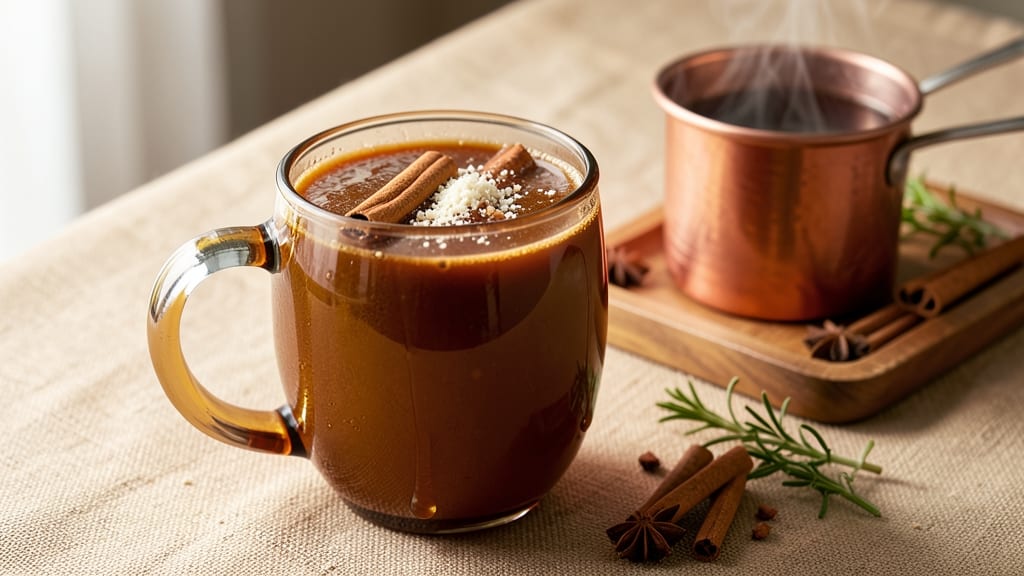
This sweet potato ale recipe transforms humble orange roots into a rich, spiced beverage with molasses depth and warm rum undertones—perfect for cozy evenings or festive gatherings. The process begins with roasting sweet potatoes to develop natural sweetness, then fermenting with yeast and spices for a complex, balanced flavor profile.
Unlike traditional ales, this version skips honey for a vegetarian-friendly approach while still delivering robust character.
The beauty of this recipe lies in its simplicity: just five core ingredients create a drink that tastes like fall in a glass. You'll start by roasting sweet potatoes until caramelized, then simmer them with molasses, spices, and rum to build flavor.
The fermentation process transforms simple ingredients into something sophisticated, with just the right balance of sweetness and warmth. This method ensures every batch delivers consistent, restaurant-quality results at home.
What you'll end up with is a velvety, amber-colored ale with notes of caramel, cinnamon, and spiced rum—ideal for sipping by a fire or pairing with hearty dishes. The slow fermentation develops depth over several days, creating a drink that's both approachable and impressive.
Whether you're brewing for a holiday celebration or simply craving something special, this recipe delivers a beverage that feels like a hug in liquid form.
Perfect for those who appreciate homemade beverages with depth, this sweet potato ale can be enjoyed chilled or at room temperature. Garnish with a cinnamon stick or orange peel for extra flair, or serve alongside roasted meats and cheeses for a complete fall-inspired menu.
The process is straightforward, but the reward is a drink that tastes like it belongs in a craft brewery.
Ingredients for sweet potato ale
Five core ingredients transform simple sweet potatoes into a rich, spiced ale with depth and warmth.
| Ingredient | Amount | Notes |
|---|---|---|
| Sweet Potatoes 🍠 | 2 lbs | Medium-sized, peeled and cubed |
| Molasses 🍯 | 1 cup | Unsulphured preferred for depth |
| Spiced Rum 🍹 | 1 cup | Dark rum for authentic flavor |
| Active Dry Yeast 🍺 | ¼ oz | Ale yeast for fermentation |
| Ground Cinnamon 🌿 | 1 tbsp | Freshly ground for warmth |
| Ground Nutmeg 🌿 | ½ tsp | Freshly grated preferred |
| Water 💧 | 4 cups | Filtered or spring water |
| Sugar 🍚 | ½ cup | White granulated sugar |
| Lemon Juice 🍋 | 1 tbsp | Freshly squeezed for tang |
| Orange Peel 🍊 | 1 whole | Zest only, organic preferred |
| Salt 🧂 | ½ tsp | Kosher or sea salt |
The sweet potatoes are the foundation—choose vibrant orange ones with no soft spots. Trader Joe's or Whole Foods carry excellent organic varieties, but regular grocery store sweet potatoes work too. Roast them until caramelized for natural sweetness, which forms the base of the ale's flavor. Molasses is non-negotiable here; unsulphured molasses from Whole Foods or Penzeys delivers the deepest flavor. The spiced rum should be dark and robust—Captain Morgan or Gosling's are reliable choices. For yeast, Lallemand or Red Star ale yeast ensures proper fermentation.
No molasses? Substitute with 3/4 cup maple syrup, though the flavor won't be identical. Running low on rum? Add 1/4 cup bourbon or brandy for a different but still rich profile. Freshly ground spices make a difference—if you only have whole spices, toast and grind them for better flavor. The sugar can be swapped for turbinado or brown sugar for a caramel note. Lemon juice can be omitted if you prefer a sweeter ale, but the acidity balances the richness. For the orange peel, organic is best—conventional peels can taste bitter.
Roasted sweet potatoes keep in the fridge for 5 days if stored in an airtight container. The ale ferments best in a glass carboy or sanitized container—sterilize with boiling water. Once fermented, store the ale in the fridge for up to 3 months. Garnish with a cinnamon stick or orange peel for presentation. The ale improves with age, so make extra—it's perfect for holiday gatherings or cozy nights in.
Why You'll Love This Recipe
- Pantry Magic: I swear by this recipe—no specialty trips to the store. Sweet potatoes, molasses, and spiced rum are all things I already have lurking in my cupboards, waiting for a moment like this.
- Warmth in a Mug: The molasses and cinnamon give it that deep, cozy spice you’d expect in autumn, while the spiced rum adds just enough boozy comfort without overpowering. It’s the kind of drink that makes you slow down.
- Leftovers? More Like Lifesavers: This brew actually tastes better the next day as the flavors meld. I’ve made a big batch on Sundays and sipped it all week—no waste, just pure satisfaction.
- Budget Brew: Sweet potatoes are cheap, and a little molasses goes a long way. This recipe stretches my dollar while still feeling like a treat, not an indulgence. Honestly, it’s my go-to when I’m broke but still want to feel fancy.
Step-by-step instructions for sweet potato ale
Transform simple ingredients into a rich, spiced ale with this precise fermentation method.
Prepare the Sweet Potato Base
In a large pot, combine the 2 lbs sweet potatoes with the 4 cups water. Bring to a boil over medium-high heat and cook for 15-20 minutes until the sweet potatoes are completely tender and can be easily pierced with a fork. Drain the sweet potatoes thoroughly, reserving 1 cup of the cooking liquid.
While still warm, mash the sweet potatoes until smooth using a potato masher or fork. Stir in the 1 cup molasses, the 1 cup spiced rum, the 1 tbsp lemon juice, and the zest from the 1 whole orange peel. This creates a flavorful must that will form the foundation of your ale. The mixture should be thick but pourable—if it's too thick, add a splash of the reserved cooking liquid.
Season and Ferment the Mixture
In a separate small bowl, dissolve the 0.25 oz active dry yeast in ½ cup warm water (about 110°F) until fully dissolved and slightly foamy. This activates the yeast and ensures it's ready to work. Stir the yeast mixture into the sweet potato base along with the 1 tbsp ground cinnamon, 0.5 tsp ground nutmeg, 0.5 cup sugar, and 0.5 tsp salt.
Transfer the mixture to a clean, sanitized fermentation vessel, leaving about 1 inch of headspace at the top. Cover loosely with a clean kitchen towel or fermentation lid to allow gases to escape while keeping contaminants out. Let it ferment at room temperature (70-75°F) for 3-5 days, stirring gently once daily. You'll notice bubbles forming on the surface and a slightly effervescent aroma developing—this indicates active fermentation.
Strain and Bottle the Ale
After fermentation, strain the mixture through a fine-mesh sieve or cheesecloth into a clean container, pressing gently to extract all the liquid. Discard the solids. This step removes any remaining sweet potato fibers, resulting in a smooth ale. Pour the strained liquid into sterilized swing-top bottles or glass jars, filling each to about ¾ full to allow for carbonation.
Seal the bottles tightly and let them sit at room temperature for another 2-3 days to develop additional carbonation. You'll hear a slight fizzing sound when you shake the bottles—this confirms carbonation is building. Once carbonation is complete, refrigerate the ale for at least 24 hours to chill and settle before serving. The final product should have a rich, spiced sweetness with notes of molasses, rum, and warm baking spices.
Pro Tips For Making Sweet Potato Ale
- Boil Sweet Potatoes Until Fork-Tender: I learned this the hard way—soft sweet potatoes mash into glue. Cut them into even ½-inch cubes and boil until they collapse like overripe fruit (about 15-18 minutes). Overcooking turns them mushy; undercooking leaves raw starch that fights fermentation.
- Use Dark Molasses for Depth: That cheap, light molasses won’t cut it here. Dark molasses has more caramelized sugars and a richer flavor that balances the sweet potato’s earthiness. Skip the "light" version—your ale will taste like it’s missing something.
- Bloom Yeast with Warm Molasses: Yeast hates sudden temperature shocks. Mix the yeast with a tablespoon of warm molasses (105°F) first, then wait 5 minutes until it foams before adding to the rest of the mixture. This guarantees fermentation starts strong instead of sputtering.
- Toast Cinnamon Before Adding: Ground cinnamon loses punch over time. Lightly toast it in a dry pan for 30 seconds until fragrant, then grind it fresh (or use whole sticks and steep them). The aroma jumps from "bland spice" to "warm bakery" in seconds—trust me, it makes a real difference.
Best sauces and condiments for this sweet potato ale
Molasses Glaze Finish
Elevate your sweet potato ale by adding a molasses glaze just before serving. Heat 2 tbsp unsulphured molasses with 1 tsp water in a small saucepan over low heat until it thickens slightly.
Drizzle ½ tsp over each glass—this adds a caramelized depth that complements the ale’s spiced warmth. I like to use Whole Foods unsulphured molasses for its richer flavor. 🍯
Spiced Rum Reduction
For an extra layer of complexity, reduce ½ cup spiced rum with 1 cinnamon stick and 2 cloves in a saucepan until it thickens to 2 tbsp. Strain and drizzle over the ale before serving.
This reduction intensifies the rum’s vanilla and spice notes, making it taste like a miniature spiced rum cocktail in every sip. Captain Morgan works perfectly for this technique. 🍹
Orange Citrus Twist
Fresh orange zest and citrus juice brighten the ale’s sweetness. Add 1 tbsp fresh orange juice and a thin strip of orange peel to each glass for a zesty contrast. For presentation, use a microplane to create a fine orange zest garnish—it adds visual appeal and a burst of flavor.
I always keep organic Valencia oranges on hand for this. 🍊
Cinnamon Stick Infusion
Infuse the ale with cinnamon sticks during the final 24 hours of fermentation for a subtle, warm spice note. Add 1 cinnamon stick to each bottle before sealing—remove it before serving.
This method enhances the ale’s natural sweetness without overpowering it. For an extra touch, lightly toast the cinnamon sticks in a dry pan before adding them. 🌿
Vanilla Bean Enhancement
Split ½ vanilla bean and scrape out the seeds, then add them to the ale during fermentation. The vanilla’s floral notes pair beautifully with the molasses and rum, adding a luxurious depth to the drink.
Remove the bean before bottling. I use Madagascar vanilla beans from Penzeys for the best flavor. ✨
Ginger Snap Crumble
Crush 2 ginger snaps into fine crumbs and sprinkle over the ale for a crunchy, spiced topping. The ginger’s heat balances the sweetness, while the crunch adds texture.
Store-bought ginger snaps work fine, but homemade versions taste even better. This garnish turns the ale into a festive, dessert-like drink. 🍪
Nutrition facts
Frequently asked questions
Can I make this sweet potato ale without alcohol?
Yes! Simply replace the 1 cup spiced rum with 1 cup apple cider or extra molasses for depth. The fermentation process will still work, though the flavor will be lighter. For a non-alcoholic version, use 1 packet of brewing yeast instead of active dry yeast, as it's designed for non-alcoholic fermentation. The result will be a naturally sweet, spiced drink perfect for kids or designated drivers.
How do I know when the fermentation is complete?
Fermentation is done when the bubbling slows significantly and the mixture smells clean and slightly sweet (like caramelized sweet potatoes). Check for completion after 5-7 days by tasting a small amount—it should be fizzy but not overly sharp. If it still tastes tart or smells yeasty, let it ferment another 1-2 days. Over-fermenting can make the ale too acidic, so monitor closely.
Can I use regular potatoes instead of sweet potatoes?
Regular potatoes will work, but the flavor will be completely different—expect a much lighter, starchier taste with less natural sweetness. Sweet potatoes are essential for their caramelized depth and molasses-like quality. If you must substitute, try purple sweet potatoes for a deeper color and slightly earthier flavor, but the texture and taste won't match orange sweet potatoes.
What if my ale doesn't carbonate properly?
If your ale lacks fizz, it may not have fermented long enough or the yeast didn't activate properly. Try adding 1/4 cup sugar to each bottle before sealing and letting it sit another 2-3 days at room temperature. For extra carbonation, place bottles in a warm spot (like a sunny windowsill) for 24 hours. If it still doesn't carbonate, the yeast may have died—start fresh with a new batch.
How long does homemade sweet potato ale last?
Unopened, store-bought ale lasts months, but homemade versions are best enjoyed within 3 months when refrigerated. The flavor actually improves over time, developing deeper spice notes. Once opened, consume within 1 week. For longer storage, freeze in ice cube trays—thaw overnight in the fridge before serving. The texture may separate slightly after freezing, but the taste remains rich.