
Side Dishes
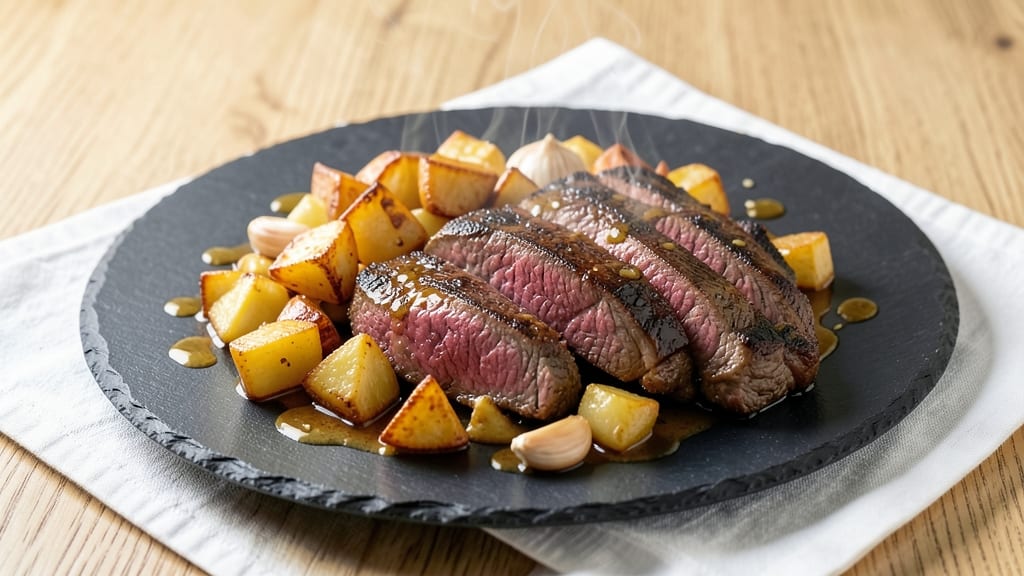
This steak and potato stir fry recipe delivers the perfect balance of crispy textures and bold flavors in every bite. 🔥 The secret lies in high-heat wok searing for the steak and quick-cooking potatoes that stay tender yet develop a satisfying crunch.
I've refined this dish over countless weeknight dinners, ensuring it's restaurant-quality without requiring specialized equipment—just a sturdy skillet and proper technique.
The magic happens in the stir-fry process, where thinly sliced steak and potato chunks cook rapidly over high heat, developing a caramelized crust while remaining juicy inside. A savory umami-rich sauce ties everything together, cutting through the richness of the meat while enhancing the natural flavors of the potatoes.
This isn't your average stir-fry—it's a hearty, satisfying meal that transforms simple ingredients into something extraordinary.
What you'll achieve is a dish with crispy potato edges that shatter between your teeth, perfectly seared steak strips with a tender interior, and a sauce that coats every bite with depth.
The high-heat method ensures maximum flavor extraction while keeping the cooking time manageable—ideal for busy weeknights when you still want to impress. The aroma alone will have everyone gathering around the table.
This recipe works equally well as a main dish or hearty side, scaling easily for different serving sizes. The technique is straightforward but demands attention to timing and heat control—critical elements that make all the difference between good stir-fry and great stir-fry.
Let's get started on creating this restaurant-worthy dish at home.
Ingredients for steak and potato stir fry
Restaurant-quality stir-fry starts with these precision-cut ingredients and bold flavors.
| Ingredient | Amount | Notes |
|---|---|---|
| Ribeye Steak 🥩 | 1 lb | Thinly sliced against grain |
| Russet Potatoes 🥔 | 2 lbs | Cut into 1-inch chunks |
| Sesame Oil 🫒 | 1 ½ tbsp | For high-heat searing |
| Soy Sauce 🥄 | ½ cup | Low-sodium preferred |
| Oyster Sauce 🍜 | 2 tbsp | For umami depth |
| Garlic Cloves 🧄 | 6 cloves | Minced for sauce |
| Fresh Ginger 🌿 | 2 tbsp | Finely grated, peeled |
| Vegetable Oil 🫒 | ½ cup | High smoke point |
| Green Onions 🧅 | ¼ cup | Sliced for garnish |
| Sesame Seeds 🌱 | 1 tbsp | Toasted for crunch |
| Diamond Crystal Kosher Salt 🧂 | 1 ½ tsp | For seasoning |
| Freshly Ground Black Pepper 🌶️ | 1 tsp | Cracked over steak |
| Cornstarch 🌾 | 1 tbsp | For potato crispiness |
The ribeye steak is non-negotiable here—its marbling delivers that signature beefy flavor while staying tender when sliced thin. Ask your butcher to slice against the grain for maximum tenderness, or do it yourself with a sharp knife. For potatoes, Russets are ideal—they hold up to high heat without falling apart. I always buy organic when possible, but conventional works fine if you scrub them well. The sesame oil is for searing, not flavoring—use a small amount as it's potent. Store steak in the coldest part of your fridge and use within 3 days for peak quality.
No oyster sauce? Soy sauce plus a dash of fish sauce works in a pinch, though the umami depth won't be identical. Fresh ginger is essential—dried works at half the amount, but the texture changes. For the potatoes, tossing them in cornstarch before cooking is what creates that signature crunch. The green onions should be crisp—trim the roots and reserve the tops for garnish. If you're prepping ahead, slice the steak and potatoes up to 2 hours early, but keep them separate until cooking to prevent sogginess. The sesame seeds? Toast them in a dry pan for 30 seconds—they'll smell amazing and add that final textural punch.
This dish reheats beautifully—3 minutes in a hot skillet with a splash of oil restores the crispy edges. Store leftovers in an airtight container for 4 days in the fridge, though I rarely have any. For freezing, portion the sauce separately—it thickens when reheated. The steak and potatoes can be frozen for 2 months if you're planning ahead. Pro tip: Double the sauce if you're serving as a dipping sauce—it's that good.
Why You'll Love This Recipe
- One-Pan Magic: I swear by this recipe when I’m too tired to scrub pots—just slice the steak, dice the potatoes, and toss it all in one pan. The potatoes crisp up while the steak sears, and the sesame oil ties it all together without extra cleanup.
- Umami Bomb: That combo of soy and oyster sauce? It’s where the real magic happens—deep, savory, and just a little sweet. The ribeye stays juicy while the potatoes soak up all the flavor, like a cozy hug in a pan.
- Weeknight to Weekend: Between us, this is my go-to for busy nights and impressing guests. Serve it over rice for a quick meal, or pile it high on a platter for a casual dinner party. (Yes, even on a Tuesday night.)
- Budget-Friendly Feast: Ribeye might sound fancy, but a single cut feeds two with leftovers that taste just as good the next day. I often double the batch—half for dinner, half for lunch—without breaking the bank. Practical? Absolutely. Delicious? Ridiculously.
Step-by-step instructions for wok-seared steak with crispy potato bites
Master this technique for restaurant-quality texture—crispy potatoes and perfectly seared steak every time.
🔥 Step 1: Par-Cook and Crisp the Potatoes
Heat a large skillet over medium-high heat with 0.5 cup vegetable oil. Add the 2 lbs russet potatoes in a single layer, ensuring they don't overlap. Cook undisturbed for 8-10 minutes until the bottoms turn deep golden brown and crispy. Stir and repeat this process for 15-20 minutes total until all sides are crispy.
Here's the thing—don't press down on the potatoes with a spatula. This prevents them from becoming mushy. Instead, let them develop that perfect crust from the oil. Once fully crispy, remove the potatoes and set aside on a wire rack. Sprinkle with 1 tbsp cornstarch and toss gently to coat evenly. This extra step ensures maximum crispiness when we finish them later.
🍳 Step 2: Sear the Ribeye for Perfect Texture
Working with 1 lb ribeye steak, slice it thinly against the grain into ¼-inch thick strips. Season both sides generously with 1.5 tsp diamond crystal kosher salt and 1 tsp freshly ground black pepper, pressing the seasoning into the meat. Let the steak sit at room temperature for 10 minutes while you prepare the wok.
Heat a wok or large skillet over high heat until smoking, then add 1.5 tbsp sesame oil. Working in batches if needed, add the steak strips and sear for 1-2 minutes per side until they develop a deep caramelized crust but remain tender inside. Remove the steak and set aside on a plate. The residual heat will continue cooking it slightly—don't overcook or it'll turn tough.
🥘 Step 3: Build the Flavorful Sauce Base
In the same wok, reduce heat to medium-high and add 6 cloves minced garlic cloves and 2 tbsp finely grated fresh ginger. Cook for 30 seconds until fragrant—this is where the foundation of your sauce's flavor develops. Be careful not to burn the garlic; it should sizzle but not brown.
Pour in 0.5 cup soy sauce and 2 tbsp oyster sauce, scraping up any browned bits from the bottom of the wok. These bits, called fond, are packed with flavor. Let the sauce simmer for 1-2 minutes until slightly reduced. The sauce should coat the back of a spoon but still be pourable—this consistency ensures it clings perfectly to both the steak and potatoes.
🔥 Step 4: Finish the Dish with Perfect Crispiness
Return the crispy potatoes to the wok and toss to coat in the sauce, letting them absorb the flavors for 1-2 minutes. Add the seared steak back in and toss everything together for 30 seconds to ensure even coating. The residual heat will finish cooking the potatoes while reheating the steak.
Turn off the heat and stir in 0.25 cup sliced green onions and 1 tbsp toasted sesame seeds. The sesame seeds add a delightful crunch that contrasts beautifully with the crispy potatoes and tender steak. Taste and adjust seasoning if needed—you might want to add a splash of water if the sauce has thickened too much. Serve immediately while everything is piping hot.
Pro Tips For Making Steak And Potato Stir Fry
- CUT POTATOES IN EVEN SLICES: Russets are starchy and uneven—slice them into ¼-inch rounds, not chunks, so they cook fast enough to stay tender. I used to skip this, and half my potatoes ended up mushy while the rest stayed raw. A mandoline makes this faster, but a sharp knife works too.
- SEAR STEAK FIRST, THEN POTATOES: High heat for the steak is non-negotiable—get it screaming hot in a dry pan for 2-3 minutes per side before tossing in potatoes. After burning three batches where the potatoes soaked up all the heat, I learned to sear the steak first, then add potatoes to the same pan (just reduce heat). The steak stays juicy, and the potatoes get that perfect caramelized edge.
- USE COLD POTATOES, NOT ROOM TEMP: Toss freshly sliced potatoes in ice water for 10 minutes before draining—this keeps them from turning to glue in the pan. I was skeptical until I tried it: cold potatoes release moisture gradually, so they crisp instead of steam. (Yes, even if you’re impatient like me.)
- SWAP SOY FOR TAMARI IF NEEDED: If your stir-fry tastes too salty or heavy, swap regular soy sauce for tamari (it’s gluten-free and less sweet). I used to double-check labels after over-salting a batch—now I just reach for tamari first. The oyster sauce still adds depth, but tamari keeps the balance cleaner.
Common mistakes when making great steak and potato stir fry
Overcrowding the Pan
Stuffing too many potatoes or steak strips into your pan at once will cause them to steam instead of sear. This leads to soggy potatoes and mushy steak—the exact opposite of what we want. I always work in batches, especially with the steak.
Use a 12-inch cast iron skillet or wok and keep your portions small enough to fit in a single layer. If you're using a smaller pan, cook the potatoes in batches and set them aside on a wire rack while you finish the next batch. 🔥
Skipping the Resting Time
Letting your steak strips rest for 10 minutes before cooking is crucial—it ensures even cooking and prevents the meat from curling up in the pan. I've made this mistake too many times and ended up with unevenly cooked strips.
While the steak rests, use this time to prep your garlic, ginger, and sauce ingredients. Trust me, this small step makes a huge difference in texture.
Low Heat Cooking
Stir-frying requires high heat to create that signature wok hei (breath of the wok) flavor and crispy texture. Many home cooks underestimate the importance of getting their pan screaming hot before adding oil. I recommend heating your pan until it's smoking slightly before adding the sesame oil.
If you're not getting that characteristic sizzle, your heat isn't high enough. Adjust your burner to maximum heat and give it a minute to recover.
Uneven Potato Sizes
Cutting your potatoes into consistent 1-inch chunks ensures they cook evenly and develop crispy edges simultaneously. I've seen too many recipes where potatoes end up in different stages of doneness. Use a mandoline slicer if you're uncomfortable with a chef's knife—it gives you uniform pieces every time.
For extra insurance, soak the potatoes in cold water for 10 minutes before cooking to remove excess starch, which helps them crisp up better.
Ignoring the Cornstarch Step
The 1 tablespoon cornstarch tossed over the crispy potatoes before finishing is what creates that restaurant-quality crunch. Many home cooks skip this step, thinking the potatoes are already crispy enough. But this extra coating ensures maximum crispiness when the potatoes absorb the sauce.
Toss the cornstarch gently but thoroughly—you want it to adhere to each potato piece evenly. This is the secret to that satisfying crunch in every bite. ✨
Overcooking the Steak
Steak strips cook incredibly fast on high heat—often in just 1-2 minutes per side. The moment they develop a deep caramelized crust, they're ready. I can't tell you how many times I've walked away for "just a second" and come back to find perfectly good steak turned into leather.
Keep your eye on the pan and use a meat thermometer if you're nervous—130-135°F internal temperature is perfect for medium-rare strips. Once they hit this temp, they're done. 💡
Nutrition facts
Frequently asked questions
Can I use a different cut of steak for this recipe?
While ribeye delivers the best flavor, flank steak or sirloin work beautifully too. Just slice against the grain for maximum tenderness. Avoid tougher cuts like chuck—they won't hold up well in the quick stir-fry process. For extra juiciness, marinate the steak for 30 minutes in soy sauce and a touch of cornstarch before cooking.
How do I make this dish spicier?
Add ½ teaspoon red pepper flakes to the sauce or stir in 1 tablespoon sriracha when tossing everything together. For heat without spice, try 1 teaspoon freshly grated ginger plus 1 minced chili (like Thai bird's eye) in the sauce base. Always taste as you go—spice builds quickly in stir-fries!
Can I make this recipe in an air fryer?
Not traditionally, but you can adapt it! Cook the potatoes first in the air fryer at 400°F for 12 minutes, shaking halfway, until crispy. For the steak, sear in a separate pan over high heat, then toss everything with the sauce. The texture won't be identical, but it's a great alternative for smaller batches.
What's the best way to reheat leftovers?
Reheat in a skillet over medium-high heat with a splash of oil for 3-4 minutes to restore crispiness. Microwaving will make the potatoes soggy. For extra flavor, add a teaspoon of soy sauce when reheating. Store leftovers in an airtight container for up to 4 days—the sauce actually improves overnight!
Why did my potatoes turn out mushy?
This usually happens from overcrowding the pan or using too much water in the potatoes. Work in batches and ensure your pan is screaming hot before adding oil. For extra insurance, pat dry the potato chunks thoroughly after cutting. Russets should be cut into 1-inch chunks—smaller pieces cook faster but may break down.