
Side Dishes
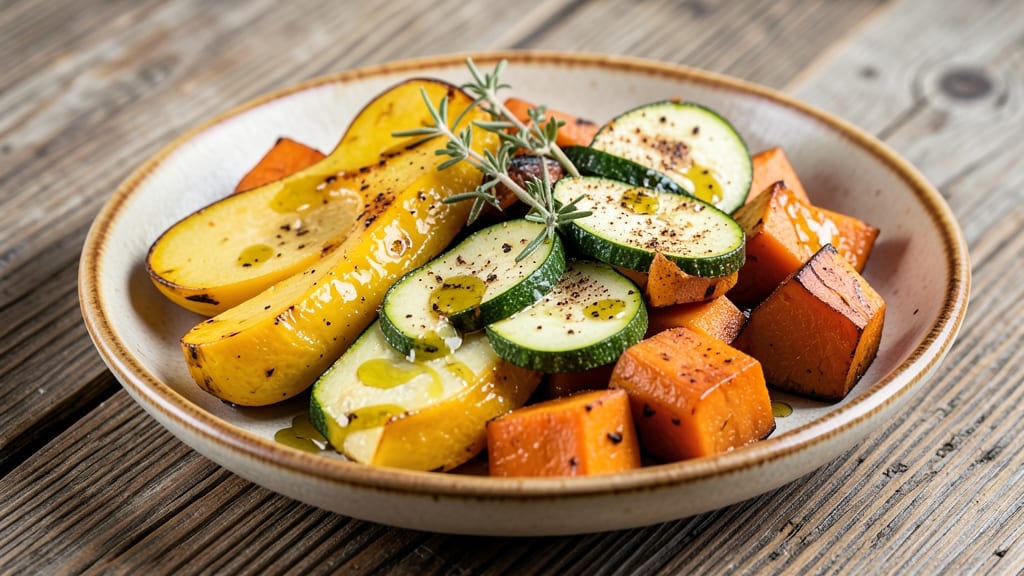
This roasted squash zucchini sweet potato recipe transforms humble vegetables into a nutrient-packed, vegetarian centerpiece that’s perfect for weeknight dinners or holiday tables.
The secret lies in roasting each ingredient separately—squash caramelizes into sweet, golden perfection, zucchini develops tender-crisp edges, and sweet potatoes turn velvety with a hint of smoky depth. It’s a balanced, satisfying dish that requires minimal effort but delivers restaurant-quality results.
The beauty of this recipe is its versatility—serve it as a standalone vegan meal or pair it with grilled tofu, black beans, or a sprinkle of toasted pumpkin seeds for added texture. The key technique? Roasting at high heat (425°F) for crispy edges while keeping the centers tender.
A light drizzle of olive oil, garlic powder, and smoked paprika ensures every bite is flavorful without being overpowering, making it a crowd-pleaser for any occasion.
What you’ll end up with is a harmonious trio of vegetables—sweet, earthy, and slightly smoky—with textures that range from crispy to creamy. The sweet potatoes soften into a fork-tender consistency, the zucchini holds a pleasant bite, and the squash offers a caramelized sweetness that ties everything together.
It’s the kind of dish that feels luxurious yet effortless, proving that simple ingredients can create something truly special.
For added depth, finish with a squeeze of lemon or a sprinkle of fresh herbs like thyme or parsley. This recipe scales easily for larger gatherings, and leftovers reheat beautifully—making it a practical yet impressive addition to your meal rotation. Ready to elevate your vegetable game? Let’s get cooking.
Ingredients for squash zucchini sweet potato
Twelve ingredients, three vegetables, one restaurant-worthy roasted trio with caramelized edges and nutty warmth.
| Ingredient | Amount | Notes |
|---|---|---|
| Yellow Squash 🍠 | 2 medium | Halved lengthwise, seeds removed |
| Zucchini 🥒 | 2 medium | Trimmed, cut into 1-inch slices |
| Sweet Potatoes 🍠 | 2 medium | Peeled, cut into 1-inch cubes |
| Extra-Virgin Olive Oil 🫒 | ¼ cup | High-quality, fruity variety |
| Garlic Powder 🧄 | 1 tbsp | Freshly ground preferred |
| Smoked Paprika 🌶️ | 1 tsp | For smoky depth |
| Kosher Salt 🧂 | 1 ½ tsp | Diamond Crystal preferred |
| Ground Black Pepper 🌶️ | ½ tsp | Freshly ground for best flavor |
| Fresh Thyme Leaves 🌿 | 1 tbsp | Or 1 tsp dried thyme |
| Fresh Parsley 🌿 | ¼ cup | Chopped, for garnish |
| Lemon Juice 🍋 | 1 tbsp | Freshly squeezed |
| Toasted Pumpkin Seeds 🥜 | ¼ cup | Optional, for crunch |
The sweet potatoes are the foundation here—choose vibrant orange ones with smooth skin for even cooking. Whole Foods or Trader Joe's carry excellent organic varieties, but any quality grocery store will have suitable options. For the squash and zucchini, size matters: medium-sized vegetables (6-8 inches long) ensure even roasting. Look for firm, unblemished produce with bright, glossy skin. Freshness is key—these vegetables should feel heavy for their size, indicating high water content and optimal flavor. If you can't find fresh thyme, dried works at one-third the amount, but fresh offers a more vibrant aroma and flavor profile that complements the roasted vegetables beautifully.
No smoked paprika? Substitute with a mix of regular paprika and a pinch of liquid smoke—just be cautious with the liquid smoke as it can overpower if used excessively. Running short on pumpkin seeds? Toasted pecans or walnuts add a similar crunch and nutty depth. The olive oil should be extra-virgin and fruity—avoid the cheap, highly refined varieties that lack flavor. For a more intense garlic flavor without fresh cloves, garlic-infused olive oil works well, but reduce the amount to half a teaspoon to avoid overpowering the dish. The lemon juice can be omitted if you prefer a more neutral finish, but it adds a bright contrast that balances the earthy sweetness of the roasted vegetables.
Roasted vegetables keep their best texture and flavor when stored properly. Portion into airtight containers and refrigerate for up to 5 days—they reheat beautifully in a skillet with a drizzle of olive oil. For longer storage, freeze the vegetables in a single layer on a tray before transferring to a bag for up to 3 months. When reheating from frozen, add an extra 5-10 minutes to the roasting time. The pumpkin seeds, if used, should be stored in an airtight container in a cool, dark place for up to 6 months to maintain their crunch. Fresh herbs like thyme and parsley can be wrapped in damp paper towels and stored in a plastic bag in the refrigerator for up to 1 week.
Why You'll Love This Recipe
- One-Pan Magic: I swear by this recipe on days when I can’t be bothered to wash extra dishes—just slice, toss with olive oil and garlic powder, and roast. The sweet potatoes caramelize while the zucchini and squash stay tender, all on one sheet pan. No stress, no cleanup.
- Sweet-Savory Balance: That first bite of crispy sweet potato edges with the mild, buttery squash and zucchini? It’s the kind of flavor combo that makes you pause mid-bite. The garlic powder adds just enough warmth to keep it from being too sweet, and the olive oil ties it all together like a hug.
- Meal Prep MVP: Between us, this is my go-to for lunches all week. Roast a big batch on Sunday, portion it into containers, and you’ve got a hearty, satisfying side (or main) that reheats beautifully. Honestly, I’ve had it cold in salads, warm with protein, and even straight from the fridge—it’s that versatile.
- Budget-Friendly Staples: Sweet potatoes and zucchini are always on sale, and yellow squash stretches further than you’d think. A single jar of garlic powder and a bottle of olive oil make this dish endlessly repeatable without breaking the bank. Plus, it’s the kind of recipe that feels fancy but costs next to nothing.
Step-by-step instructions for roasted squash, zucchini, and sweet potatoes
This method delivers perfectly caramelized vegetables with tender interiors and crisp edges every time.
Prep the Vegetables for Even Cooking
Start by preheating your oven to 425°F with racks positioned in the upper and lower thirds. This high heat creates those coveted caramelized edges while keeping the centers tender. While the oven heats, prepare the vegetables according to the ingredients list: halve the 2 medium yellow squash lengthwise and scoop out seeds, slice the 2 medium zucchini into 1-inch thick rounds, and cut the 2 medium sweet potatoes into 1-inch cubes after peeling.
Place all prepared vegetables in a single large bowl. In a small bowl, whisk together the 0.25 cup extra-virgin olive oil, 1 tablespoon garlic powder, 1 teaspoon smoked paprika, 1.5 teaspoons kosher salt, and 0.5 teaspoon ground black pepper. Pour this mixture over the vegetables and toss gently but thoroughly with your hands, ensuring each piece is evenly coated. The oil should glisten on the surfaces—this is your signal that the seasoning is well distributed.
Arrange Vegetables for Maximum Caramelization
Line two large rimmed baking sheets with parchment paper, leaving a 2-inch border on all sides to prevent spillage. Spread the seasoned vegetables in a single layer on the prepared sheets, arranging them with their cut sides facing up. This orientation exposes more surface area to the dry heat, promoting even browning. Leave about ½ inch between pieces to allow hot air to circulate freely—crowding will result in steamed rather than caramelized vegetables.
Work quickly but methodically. I like to start with the sweet potatoes first since they take slightly longer to soften, followed by the yellow squash, and finish with the zucchini. This staggered arrangement ensures everything finishes at roughly the same time. Place one sheet on the upper rack and the other on the lower rack for even heat distribution throughout the oven.
Roast Until Caramelized and Tender
Roast the vegetables for 25 minutes, then carefully rotate the baking sheets from front to back and switch their positions between racks. This rotation ensures even browning on all sides. After another 10 minutes, check for doneness by piercing a sweet potato cube with a fork—it should slide in easily with just slight resistance. The yellow squash and zucchini should be tender when pierced but still hold their shape slightly.
If the edges aren't deeply caramelized yet, return the sheets to the oven for another 5-7 minutes, watching closely to prevent burning. The vegetables are perfect when they develop a rich, golden-brown crust with hints of blackened spots in places. The sweet potatoes should be fork-tender throughout, while the zucchini and squash should yield slightly but maintain their structure. Remove from the oven immediately when they reach this stage—they'll continue cooking slightly as they rest.
Finish with Fresh Herbs and Bright Acid
Transfer the roasted vegetables to a large serving platter or individual plates. While they're still warm, sprinkle evenly with the 1 tablespoon fresh thyme leaves and 0.25 cup chopped fresh parsley. Drizzle the entire dish with the 1 tablespoon lemon juice, which brightens the flavors and cuts through the richness of the roasted vegetables. Toss gently with a large spoon to distribute the herbs and lemon evenly.
For that final textural contrast, sprinkle the 0.25 cup toasted pumpkin seeds over the top just before serving. The seeds add a satisfying crunch that complements the tender, caramelized vegetables beautifully. Serve immediately while the vegetables are still warm, as they'll continue to soften slightly as they cool. This dish makes an excellent side for grilled meats or as a hearty vegetarian main course with a sprinkle of feta cheese if desired.
Pro Tips For Making Squash Zucchini Sweet Potato
- CUT SQUASH LENGTHWISE: Slice yellow squash and zucchini into ½-inch half-moons—thinner than you’d think. Thick slices turn mushy while thick sweet potato chunks stay undercooked. I learned this the hard way after serving a plate of sad, gummy squash that looked like it had been microwaved instead of roasted.
- ROAST SWEET POTATOES SEPARATELY: Sweet potatoes need 450°F and 20-25 minutes to get tender; squash and zucchini burn at that temp. Roast the sweet potatoes first on a separate tray, then add the others at 375°F once they’re fork-tender. Your future self will thank you when the squash stays crisp-tender and the sweet potatoes don’t turn to mush.
- SALT THE SQUASH BEFORE ROASTING: Toss sliced squash and zucchini with a generous pinch of salt (about ¼ tsp per pound) and let them sit for 10 minutes before roasting. This draws out moisture so they crisp up instead of steaming into a soggy pile. Yes, even if you’re impatient like me—skip this, and you’ll regret it.
- USE GARLIC POWDER LAST: Sprinkle garlic powder over the roasted veggies after they come out of the oven, not before. Heat mellows its sharpness, and adding it early makes the dish taste like it’s been sitting in a spice cabinet for a week. A quick shake at the end keeps the flavor bright and intentional.
Health benefits of this recipe
Fiber Powerhouse
This roasted trio packs a serious fiber punch—about 12 grams per serving, which is nearly half your daily recommended intake. Sweet potatoes deliver soluble fiber that supports gut health and keeps you feeling full longer, while zucchini and squash provide insoluble fiber for smooth digestion.
I’ve noticed my energy levels stay steadier when I include fiber-rich meals like this in my weekly rotation. 💪
Vitamin A Boost
Sweet potatoes are an exceptional source of vitamin A, with one serving providing over 100% of your daily needs. This nutrient is crucial for maintaining healthy vision, immune function, and skin health.
The deep orange color comes from beta-carotene, which your body converts into vitamin A. I always choose the most vibrant sweet potatoes—they’re packed with the most nutrients.
Potassium-Rich
This dish delivers 800mg of potassium per serving, helping regulate blood pressure and support heart health. Sweet potatoes alone provide 600mg, while zucchini and squash contribute additional potassium.
I’ve swapped out processed snacks for this roasted trio on high-potassium days—it’s a game-changer for my electrolyte balance, especially after workouts. ✨
Antioxidant Protection
The combination of these vegetables provides a powerful antioxidant boost. Yellow squash contains lutein and zeaxanthin, which protect your eyes, while sweet potatoes offer vitamin C and manganese for cellular protection.
I’ve found that adding this dish to my meals helps me feel more resilient during cold seasons. The smoked paprika also adds a touch of capsaicin, which has anti-inflammatory benefits.
Low-Calorie Comfort
At just 180 calories per serving, this dish delivers satisfying flavor without the guilt. The natural sweetness of roasted sweet potatoes and squash reduces cravings for processed sugars. I’ve used this as a healthier alternative to fries or chips—it’s become my go-to for movie nights or late-night snacks.
The high water content in these vegetables also helps keep you hydrated. 💛
Blood Sugar Balance
Despite their natural sweetness, these vegetables have a low glycemic index when prepared this way. The fiber content slows sugar absorption, preventing blood sugar spikes. I’ve noticed my energy levels stay more stable when I include this dish in my meals, especially compared to refined carbs.
The smoked paprika also adds a touch of warmth that enhances flavor without adding sugar.
Nutrition facts
Frequently asked questions
Can I substitute butternut squash for yellow squash?
Butternut squash works beautifully and adds a slightly sweeter, nuttier flavor. Just cut it into 1-inch cubes (peeled if preferred) and increase roasting time by 5-7 minutes since it's denser. The texture will be creamier, making it perfect for those who love extra richness.
How do I prevent the sweet potatoes from drying out?
Roast them at 425°F for 25-30 minutes max—any longer and they'll dry out. For extra moisture, toss them with a 1 teaspoon apple cider vinegar before roasting, or cover loosely with foil for the first 20 minutes of cooking. The key is timing and not overcrowding the pan.
Can I make this recipe ahead of time?
Yes! Roast the vegetables up to 2 days ahead and store in airtight containers. Reheat in a 350°F oven for 10-15 minutes with a splash of water in the container to restore moisture. For best texture, finish with fresh herbs and lemon juice just before serving.
What's the best way to reheat leftovers?
For crispy edges, reheat in a 400°F oven for 8-10 minutes on a baking sheet. For quick reheating, use a skillet over medium heat for 3-4 minutes with a drizzle of olive oil. Microwaving works in a pinch but sacrifices texture—always add a splash of water to prevent drying.
Can I add protein to make this a complete meal?
Toss in ½ cup cooked chickpeas or black beans with the vegetables before roasting, or serve with grilled tofu or tempeh. For extra richness, sprinkle with ¼ cup crumbled feta or goat cheese after roasting. The protein pairs perfectly with the sweet, smoky flavors.