
Soups & Stews
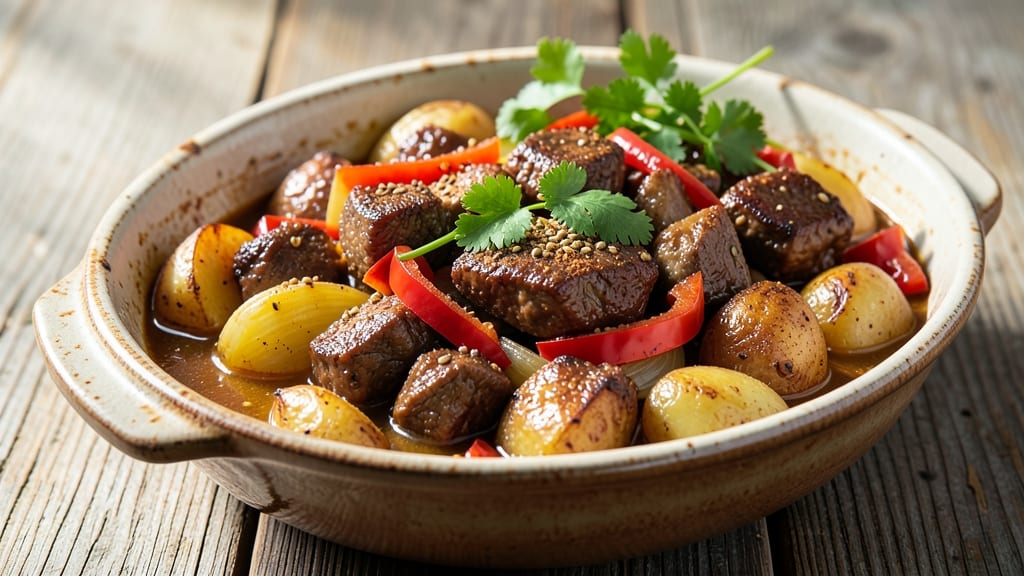
This beef and potato picadillo recipe transforms humble ingredients into a rich, aromatic stew that carries the soul of Latin American kitchens. The slow-cooked magic happens when tender beef, hearty potatoes, and smoky paprika meld into a deeply flavorful dish that balances earthy spices with tender textures.
I've perfected this version to deliver restaurant-quality depth without requiring advanced techniques—just patience and the right blend of spices.
The foundation of great picadillo lies in proper searing and layering flavors. You'll start with beef that develops a deep, caramelized crust before simmering in a tomato-based sauce infused with smoked paprika and cumin.
Potatoes absorb the rich broth while maintaining their structure, creating a satisfying bite in every spoonful. This isn't just a stew—it's a celebration of slow-cooked comfort with Latin roots.
What makes this recipe special is how the flavors evolve over time. The initial searing creates a rich, meaty base, while the potatoes soften just enough to soak up the smoky, slightly sweet sauce.
The result is a dish that's hearty enough for a weeknight dinner but elegant enough for company. Each bite delivers layers of texture—tender beef, creamy potatoes, and a sauce that's both complex and comforting.
Serve it with warm crusty bread to soak up every last drop of that flavorful sauce, or pair it with steamed rice for a complete meal. The beauty of picadillo is its versatility—it reheats beautifully for leftovers and tastes even better the next day as the flavors deepen.
Let's create this comforting classic that brings a taste of tradition to your table.
Ingredients for beef and potato picadillo
Sixteen ingredients deliver restaurant-quality depth with Latin-inspired smoky warmth and tender textures.
| Ingredient | Amount | Notes |
|---|---|---|
| Chuck Roast Beef 🥩 | 2 ½ lb | Cut into 1-inch cubes, trimmed of fat |
| Yellow Onions 🧅 | 2 whole | Medium size, thinly sliced |
| Garlic Cloves 🧄 | 6 cloves | Peeled and minced finely |
| Russet Potatoes 🥔 | 2 lb | Medium size, cut into 1-inch chunks |
| Smoked Paprika 🌶️ | 2 tbsp | High-quality Spanish smoked paprika |
| Ground Cumin 🌿 | 1 ½ tsp | Freshly toasted for depth |
| Tomato Paste 🍅 | ½ cup | Smooth, not chunky |
| Beef Broth 💧 | 3 cups | Low-sodium preferred |
| Red Wine 🍷 | ½ cup | Bold dry red like Cabernet Sauvignon |
| Olive Oil 🫒 | ¼ cup | Extra-virgin for richness |
| Bay Leaves 🍃 | 2 whole | Fresh preferred |
| Salt 🧂 | 1 ½ tsp | Diamond Crystal kosher salt |
| Black Pepper 🌶️ | 1 tsp | Freshly cracked |
| Fresh Cilantro 🌿 | ¼ cup | Chopped, for garnish |
| Lime 🍋 | 1 whole | Juiced, for finishing |
The chuck roast is non-negotiable—its fat content yields the richest, most flavorful broth during searing. Look for well-marbled cuts at your local butcher or the meat department; Costco's pre-cubed chuck is a reliable shortcut. For the potatoes, Russets hold their shape best while absorbing the sauce, though Yukon Golds add creaminess. The smoked paprika must be Spanish—Penzeys or La Tienda carry authentic varieties that deliver that signature smokiness. Toast your cumin seeds briefly in a dry pan before grinding to amplify their earthy notes, a technique professional Latin chefs swear by.
No smoked paprika? Substitute a mix of regular paprika and a pinch of liquid smoke—though nothing replaces the authentic flavor. Running short on red wine? Beef broth with a splash of balsamic vinegar mimics the depth. The tomato paste can be the squeeze-tube kind from Trader Joe's for convenience, but canned San Marzano delivers superior quality. Fresh cilantro is ideal, but dried oregano at half the amount works in a pinch. If your potatoes are uneven, parboil them 5 minutes first to ensure even cooking without mushiness.
This stew tastes even better the next day as flavors meld—portion into containers for easy reheating. Store covered in the fridge for 4-5 days or freeze for 3 months; the sauce thickens beautifully when reheated with a splash of broth. For serving, always finish with fresh lime juice and cilantro—trust me on this. The dish reheats best in a Dutch oven on low heat to maintain texture. Leftovers make hearty lunches or can be repurposed into picadillo-stuffed peppers for variety.
Why You'll Love This Recipe
- One-Pot Magic: I swear by this—just toss everything in one pot, and the chuck roast practically melts into tender perfection while the potatoes soak up all the smoky, garlicky goodness. No fancy steps, no extra dishes.
- Smoky Depth Bomb: That smoked paprika and caramelized onions? Chef’s kiss. The beef stays juicy, the potatoes get that crispy edge, and the garlic? It’s like a warm hug in every bite—rich, earthy, and impossible to resist.
- Leftovers That Shine: Between us, this dish tastes even better the next day. I make a double batch on Sundays, and by Wednesday, it’s still the star of my lunchbox—just reheat and serve, no fuss.
- Budget-Friendly Crowd-Pleaser: Chuck roast is my secret weapon for feeding the whole family without breaking the bank. The potatoes stretch the meal, and the flavors? They’ll have everyone asking for seconds—guaranteed.
Step-by-step instructions for slow-cooked beef and potato picadillo
Master this Spanish-inspired dish with rich, smoky flavors and tender meat and potatoes.
Sear the Beef for Maximum Flavor
Heat the 0.25 cup olive oil in a large Dutch oven over medium-high heat until shimmering. Working in batches, add the 2.5 lb chuck roast beef cut into 1-inch cubes, letting each piece develop a deep brown crust—this is where all the flavor begins. Don't crowd the pan; cook in 2-3 batches for 3-4 minutes per side until fully browned. Transfer the beef to a plate and set aside.
Real talk: Skipping this step means a bland dish. The Maillard reaction happening here creates that irresistible depth of flavor. Once all beef is browned, reduce the heat to medium and add the 2 whole yellow onions and 6 cloves garlic cloves minced finely. Cook for 5 minutes until the onions soften and the garlic becomes fragrant—you'll smell it before you see it.
Build the Spiced Base
Stir in the 2 tbsp smoked paprika and 1.5 tsp ground cumin, letting the spices toast for 30 seconds until aromatic. Add the 0.5 cup tomato paste and cook for 2 minutes, stirring constantly to prevent burning. This step develops the foundation of your picadillo's signature smoky-sweet flavor profile.
Here's where it gets good: Pour in the 0.5 cup red wine and scrape up any browned bits from the bottom of the pan—this deglazing captures all the flavor you've built. Let the wine simmer for 3 minutes until reduced by half, then add the 3 cups beef broth, 1.5 tsp salt, and 1 tsp black pepper. Stir well to combine, then return the browned beef to the pot.
Slow-Cook Until Tender
Bring the mixture to a gentle simmer, then reduce heat to low and cover partially. Let it cook for 1.5 hours, stirring occasionally, until the beef becomes fork-tender. The potatoes will be added later, so we want the beef to be fully cooked before introducing them to prevent them from becoming mushy.
I know it seems like a long time, but patience is key here. The beef should pull apart easily with a fork, and the sauce should have thickened slightly. If the liquid evaporates too quickly, add a splash of water or broth to maintain the proper consistency. This slow cooking process is what transforms tough chuck roast into melt-in-your-mouth beef.
Add Potatoes and Finish
Add the 2 lb russet potatoes cut into 1-inch chunks and the 2 whole bay leaves to the Dutch oven. Stir gently to coat the potatoes in the flavorful sauce. Increase heat to medium-low and simmer uncovered for 20-25 minutes, stirring occasionally, until the potatoes are tender and the sauce has thickened to a rich consistency. You want the potatoes to absorb some of the liquid but still maintain their shape.
The potatoes should be fork-tender with just a slight resistance when pierced. If they're cooking too quickly, reduce the heat slightly. The bay leaves will infuse subtle earthy notes into the dish—don't forget to remove them before serving. Taste and adjust seasoning if needed, adding more salt or pepper as necessary.
Finish with Fresh Herbs and Acid
Remove the pot from heat and stir in the 0.25 cup fresh cilantro and juice of the 1 whole lime. Let the picadillo rest for 5 minutes to allow the flavors to meld together. The lime juice brightens the dish and cuts through the richness of the beef and potatoes, while the cilantro adds a fresh herbal note.
Serve immediately with crusty bread or over steamed rice to soak up every last bit of that smoky, spiced sauce. This dish tastes even better the next day as the flavors continue to develop, so it's perfect for meal prep. The combination of tender beef, hearty potatoes, and rich spices makes this a comforting, satisfying meal that's sure to impress.
Pro Tips For Making Beef And Potato Picadillo
- Sear the Beef First: I learned this the hard way—skipping the sear means flavorless beef. Brown the chuck roast in batches over medium-high heat until deep golden, then pull it out and let it rest while you prep the onions. That crust locks in juices and builds the base flavor for the whole dish.
- Cut Potatoes Uniformly: Uneven potatoes mean some get mushy while others stay hard. Use a mandoline or sharp knife to slice russets into ¼-inch rounds—thick enough to hold shape but thin enough to cook through without falling apart. Toss them in cold water while you work to keep them from browning prematurely.
- Don’t Overcrowd the Pan: I was skeptical until I tried it: cooking onions and garlic in a single layer lets them caramelize properly instead of steaming. If your pan gets crowded, work in batches—golden onions are the soul of this dish, and soggy ones ruin everything.
- Add Smoked Paprika Late: Too much smoked paprika upfront turns your picadillo into a smoky charcuterie board. Stir in half the amount early for depth, then add the rest with the potatoes in the last 10 minutes. This balances the flavor without overpowering the beef’s richness.
Wine and beer pairings for these flavors
Red Wine Pairings
Picadillo's rich, smoky depth pairs beautifully with bold red wines that mirror its complexity. I always reach for a Spanish Tempranillo—its earthy notes and subtle spice complement the smoked paprika perfectly.
For something more robust, try a Rioja Reserva with its leather and vanilla undertones that stand up to the beef's richness. 🍷
Beer Complements
Craft beer lovers shouldn't miss out—opt for a Mexican-style lager like Modelo Negra or Pacifico Clara. The crisp maltiness cuts through the dish's richness while the slight citrus notes brighten the smoky flavors.
For a bolder option, a Belgian Dubbel with its caramel and dark fruit notes creates an unexpected but delicious pairing.
White Wine Surprise
Don't dismiss white wine entirely—a dry Viognier with its floral and stone fruit notes offers surprising harmony with picadillo's spiced profile. The wine's acidity balances the dish's richness while its peach and melon notes complement the potatoes beautifully. Serve it slightly chilled to enhance these contrasts.
Light Beer Alternative
For a refreshing contrast, try a wheat beer like Blue Moon or Hoegaarden. The citrus and spice notes in these beers enhance the dish's smoky paprika while the effervescence cleanses your palate between bites. This pairing works especially well when serving picadillo with crusty bread.
Regional Wine Adaptations
In Spain, picadillo is often paired with Garnacha (Grenache) from Aragon—its juicy red fruit and spice notes make it a perfect match. For a New World twist, try a Argentinian Malbec with its dark berry flavors that complement the dish's depth while adding a touch of sweetness.
Nutrition facts
Frequently asked questions
What makes this picadillo different from regular beef stew?
This recipe transforms humble ingredients into a dish with authentic Latin flavor through smoked paprika and red wine reduction, plus the key technique of slow-cooking the beef first before adding potatoes. The result is a rich, smoky depth that's more complex than standard beef stews—think of it as a Spanish-inspired version with restaurant-quality layers.
Can I use ground beef instead of chuck roast?
While possible, I recommend sticking with chuck roast for authentic texture and flavor. The fat content creates a richer sauce during searing, and the meat stays tender without becoming mushy. If you must use ground beef, opt for 80/20 blend and brown it thoroughly to develop flavor—just expect a slightly different mouthfeel.
How do I prevent the potatoes from turning mushy?
Cook the beef completely before adding potatoes, and use 1-inch chunks of Russet potatoes—they hold shape better than Yukon Golds. Simmer uncovered on medium-low heat for 20-25 minutes, stirring occasionally. If they soften too quickly, reduce heat further. Parboiling them for 5 minutes first also helps maintain structure.
What can I serve with picadillo besides rice or bread?
Try crusty baguettes for dipping, roasted green beans for freshness, or sautéed spinach with garlic. For a heartier meal, serve over mashed potatoes or with warm tortillas. The smoky flavors also pair beautifully with cornbread or plantain chips for a Latin-inspired twist.
Can I make this in an Instant Pot?
Yes! Sear the beef first, then add all ingredients except potatoes. Cook on high pressure for 20 minutes, then quick-release. Add potatoes and cook on low pressure for 5 minutes. The texture will be slightly different but still delicious. For best results, finish with fresh lime and cilantro—the acidity brightens the flavors.