
Side Dishes
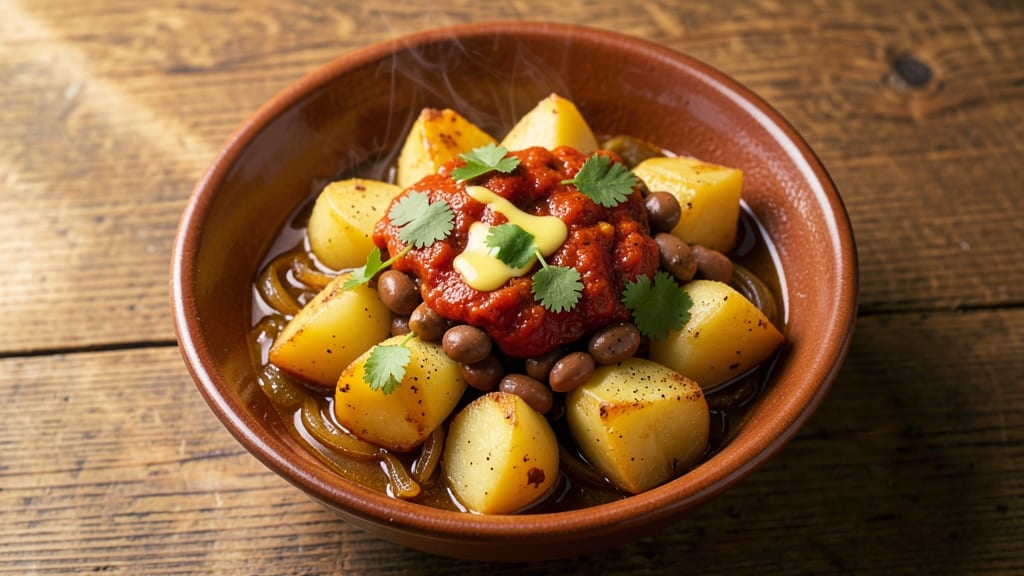
This beans and potato curry recipe transforms humble ingredients into a fragrant, hearty one-pot wonder that’s ready in 30 minutes—no fancy techniques required. The secret lies in balancing earthy spices with tender potatoes and protein-rich beans, creating a dish that’s both comforting and deeply satisfying.
I’ve perfected this version to deliver rich, spiced flavors without the bitterness that often plagues homemade curries.
The magic happens in the tempering stage, where whole spices bloom in hot oil to release their aromatic oils before being combined with tomatoes and coconut milk. This method builds layers of flavor that simmer into a velvety sauce, coating every potato and bean in a spiced, creamy embrace.
The potatoes emerge fork-tender while the beans hold their shape, creating the perfect textural contrast.
What you’ll end up with is a one-pot curry that’s balanced—savory from the spices, creamy from the coconut milk, and hearty from the potatoes and beans. The aroma alone will have everyone gathering at the table, and the leftovers reheat beautifully, making it ideal for meal prep.
Serve with warm basmati rice or crusty naan for the full experience.
For extra depth, finish with a dollop of yogurt and a sprinkle of fresh cilantro, but the curry stands strong on its own. This recipe is designed to be foolproof, with clear steps that ensure success every time—no burnt spices or bland results here. Let’s get cooking!
Ingredients for beans and potato curry
Humble ingredients meet bold flavors in this one-pot curry—earthy spices, creamy coconut, and tender potatoes.
| Ingredient | Amount | Notes |
|---|---|---|
| Yellow Onions 🧅 | 1 whole | Finely chopped for base |
| Garlic Cloves 🧄 | 6 cloves | Minced for aromatic base |
| Ginger Root 🌿 | 1 tbsp | Freshly grated, peeled |
| Vegetable Oil 🫒 | ¼ cup | For tempering spices |
| Ground Cumin 🌿 | 1 tbsp | Toasted for deeper flavor |
| Ground Coriander 🌶️ | 1 tbsp | For earthy sweetness |
| Turmeric Powder 🌶️ | 1 tsp | For vibrant color |
| Garam Masala 🌶️ | 1 tsp | For aromatic finish |
| Red Chili Powder 🌶️ | ½ tsp | Adjust for heat preference |
| Canned Diced Tomatoes 🍅 | 14 ½ oz | Fire-roasted preferred |
| Coconut Milk 🥥 | 13 ½ oz | Full-fat for creaminess |
| Russet Potatoes 🥔 | 1 ½ lb | Peeled, cubed evenly |
| Canned Chickpeas 🌱 | 15 oz | Drained, rinsed well |
| Plain Yogurt 🥛 | ¼ cup | For finishing, optional |
| Fresh Cilantro 🌿 | ¼ cup | Chopped, for garnish |
| Salt 🧂 | 1 tsp | Kosher or sea salt |
| Black Pepper 🌶️ | ½ tsp | Freshly ground preferred |
The spices are where this curry shines. Whole spices from Penzeys or bulk bins at Whole Foods deliver the most authentic flavor—garam masala and cumin are non-negotiable. For the ginger and garlic, fresh is essential—bottled paste lacks the brightness. The potatoes? Russets hold up best when cubed evenly—aim for 1-inch pieces so they cook through without turning mushy. If you're short on time, baby potatoes work too, but they'll need slightly less cooking time.
No fire-roasted tomatoes? Regular diced tomatoes with a pinch of sugar will do—just simmer them a bit longer to concentrate the flavor. Coconut milk cans vary in thickness. Full-fat is ideal, but if you only have light, reduce the amount slightly and add a splash of water. The chickpeas can be canned or cooked from dry—just make sure they're drained and rinsed well. For extra depth, toast the spices in the oil for 30 seconds before adding liquids—this blooms their flavors and prevents bitterness. The yogurt is optional but adds a lovely cooling contrast.
This curry reheats beautifully—actually tastes better the next day as flavors meld. Store in an airtight container for 4-5 days in the fridge or freeze portions for 3 months. I double the batch and freeze half immediately—perfect for lazy weeknights. For serving, warm the rice or naan separately. The curry sauce thickens as it cools, so a splash of water or coconut milk will revive it if it seems too thick when reheated.
Why You'll Love This Recipe
- Pantry Magic: I swear by this one—no fancy ingredients, just onions, garlic, and a pinch of cumin. The kind of dish where you open your cupboard and boom, you’ve got everything you need. Even if your fridge is half-empty, this curry won’t judge.
- Spice Without Stress: That first sizzle of onions in oil? Pure gold. The garlic and ginger hit like a warm hug, but the cumin—oh, the cumin—turns it from good to ridiculously good without any fuss. No blenders, no special skills, just layer after layer of flavor.
- Lunch or Dinner: Make it for breakfast with toast, pack it for work, or serve it over rice for a full meal. Honestly, I’ve eaten this cold the next day and still loved it. It’s the ultimate “I don’t know what I’m doing for dinner” fix.
- Leftovers That Win: Between us, this curry improves after sitting overnight. The potatoes soften just right, the beans soak up all the spices, and suddenly you’ve got a week’s worth of lunches that taste better than takeout. (Yes, even on a Tuesday night.)
Step-by-step instructions for beans and potato curry
Here's how to create a rich, aromatic curry with minimal cleanup and maximum flavor.
Prepare the Aromatic Base
Heat the 0.25 cup vegetable oil in a large, heavy-bottomed pot over medium heat. Add the 1 whole yellow onions and cook for 5 minutes until softened and translucent. This step builds the foundation of your curry—don't rush it, or the onions will burn.
Add the 6 cloves garlic cloves and 1 tbsp ginger root, stirring constantly for 1-2 minutes until fragrant. The garlic should sizzle gently without browning. Here's the thing—if you smell a sharp, bitter aroma, your heat is too high. Reduce to medium-low immediately to prevent burning.
Next, add the 1 tbsp ground cumin, 1 tbsp ground coriander, 1 tsp turmeric powder, 0.5 tsp red chili powder, and 1 tsp salt. Stir for 30 seconds until the spices release their oils and fill your kitchen with an intoxicating aroma. This is where the magic happens—properly toasted spices create depth of flavor that raw spices can't match.
Develop the Curry Sauce
Pour in the 14.5 oz canned diced tomatoes and stir to combine with the spice mixture. Let the sauce simmer uncovered for 5 minutes until slightly thickened. You'll notice the raw tomato acidity mellowing as it cooks down—this is crucial for balancing the final flavor.
Add the 13.5 oz coconut milk and stir gently to combine. The mixture will look curdled at first, but don't worry—this will smooth out as it heats. Bring to a gentle simmer and let it cook for 5 minutes to allow the coconut milk to infuse with the spice blend. The sauce should now be smooth and rich, with a beautiful golden color from the turmeric.
Cook the Potatoes Until Tender
Add the 1.5 lb russet potatoes, cut into 1-inch cubes, to the pot. Stir gently to coat the potatoes with the sauce. Increase heat to medium-high and bring to a boil. Once boiling, reduce heat to medium-low, cover partially, and simmer for 15 minutes.
Here's what you're looking for: the potatoes should be fork-tender with just a slight resistance when pierced. If they're browning too quickly, add 2-3 tablespoons of water to maintain moisture. The sauce should thicken slightly as it reduces, clinging to the potatoes rather than pooling at the bottom.
Finish with Chickpeas and Yogurt
Add the 15 oz canned chickpeas (drained and rinsed) and the 0.5 tsp black pepper. Stir gently and let the curry simmer uncovered for 5-7 minutes until the chickpeas are heated through and the sauce has thickened to your desired consistency. The chickpeas should be warm all the way through—no cold centers.
Remove the pot from heat and stir in the 0.25 cup plain yogurt. This step cools the curry slightly while adding a creamy, tangy contrast to the rich coconut and spices. Taste and adjust seasoning—you might need a pinch more salt or a sprinkle of chili powder to balance the flavors.
Garnish and Serve
Transfer the curry to serving bowls and let it rest for 5 minutes to allow the flavors to meld. Garnish with 0.25 cup chopped fresh cilantro just before serving. The cilantro adds a bright, fresh finish that cuts through the richness of the coconut and spices.
Serve immediately with steamed basmati rice or warm naan bread. Each spoonful should deliver a perfect balance of creamy coconut, tender potatoes, protein-rich chickpeas, and aromatic spices. The one-pot method keeps everything cohesive—no separate pans, no extra dishes to wash.
Pro Tips For Making Beans And Potato Curry
- Fry Onions Low and Slow: I learned this the hard way—drowning onions in oil on high heat just makes them bitter. Instead, cook them over medium-low with a splash of water (yes, really) until they’re deep golden, not brown. This builds flavor without burning, and your curry’s base will taste richer.
- Grind Ginger-Fresh: Pre-packaged ginger paste is convenient, but it lacks the bright punch of fresh. Use a microplane or fine grater for ginger and garlic—this releases more oils and aroma. If you’re short on time, at least peel and chop them finely; don’t rely on minced jars.
- Toast Cumin Until It Sings: Skip the instant cumin, and actually toast it in oil for 30 seconds until you smell that nutty, toasty aroma. This step makes a real difference—it deepens the earthy flavor and cuts through the beans’ gassiness. Just don’t walk away; it burns faster than you think.
- Parboil Potatoes First: I used to toss raw potatoes into the curry and wonder why they stayed hard. Parboil them for 5 minutes, then drain and pat dry before adding—this guarantees they’ll soften evenly without turning to mush. (Your future self will thank you.)
Troubleshooting great beans and potato curry
Sauce Too Thin?
If your curry sauce feels too thin after simmering, don’t panic—this happens when the coconut milk doesn’t reduce enough. My go-to fix is to remove the pot from heat, then stir in 1 tablespoon of cornstarch mixed with 2 tablespoons of water.
Return to medium-low heat and stir constantly for 2-3 minutes until the sauce thickens to a creamy consistency. For a more natural approach, simmer uncovered for an extra 5-7 minutes, stirring occasionally, to let the liquid evaporate. 🔥
Potatoes Mushy?
Overcooked potatoes are a common issue, but it’s easily prevented. Start by cutting them into even 1-inch cubes—smaller pieces cook faster and stay firmer. If you notice them getting too soft, reduce the heat to low and add ¼ cup water to the pot.
Cover partially and cook for just 5 more minutes. For extra insurance, parboil the potatoes for 3 minutes before adding them to the curry—this jumpstarts their cooking process without overdoing it. 🥔
Spices Too Bitter?
Bitterness in curry often comes from overheating spices or using stale ones. To avoid this, always toast your spices in the oil for 30 seconds before adding tomatoes—this blooms their flavors without burning.
If your curry tastes bitter, balance it by adding 1 teaspoon of sugar or ½ cup more coconut milk to mellow the heat. Freshly ground spices from Penzeys or Whole Foods make a world of difference—never use old, oxidized spices. 🌿
Chickpeas Undercooked?
Cold centers in chickpeas happen when they’re added too late or the heat isn’t consistent. To fix this, add them 5 minutes before the end of cooking and stir gently to distribute heat evenly.
If they’re still undercooked, transfer the curry to a slow cooker on low heat for 10-15 minutes or microwave them covered for 2-3 minutes with a splash of water. For next time, drain and rinse chickpeas well—soaking them for 10 minutes before cooking also helps. 🌱
Curry Too Salty?
Over-salting is a rookie mistake, but it’s easily corrected. If your curry tastes too salty, stir in ½ cup plain yogurt—its tanginess cuts through the saltiness while adding creaminess. Another trick is to add 1-2 slices of lemon or lime juice (about 1 tablespoon) to brighten flavors.
For a more drastic fix, thin the curry with ½ cup water or coconut milk, then simmer for 5 minutes to let the flavors rebalance. Always taste as you go! 🧂
Leftover Flavor Fading?
Curry often tastes better the next day, but if it’s lost its vibrancy, revive it by heating it gently with 1 tablespoon of fresh ginger juice or a pinch of garam masala. For extra richness, stir in 1 tablespoon of coconut cream or a dollop of yogurt.
If the sauce has separated, whisk vigorously or blend briefly with an immersion blender to restore its velvety texture. Store leftovers in an airtight container and reheat on low heat—microwaving can make coconut milk separate. ✨
Nutrition facts
Frequently asked questions
Can I substitute chickpeas for another type of bean?
Kidney beans or black beans work beautifully—they hold their shape well and add a different texture. For a creamier result, try butter beans or cannellini beans. Just adjust cooking time slightly as different beans have varying densities. Black-eyed peas are another great option for a Southern twist.
How do I make this curry spicier?
Add ½ teaspoon cayenne pepper or 1-2 fresh red chili peppers (seeds in for extra heat) during the spice toasting stage. For smoky depth, stir in ½ teaspoon smoked paprika with the garam masala. Always taste as you go—you can adjust heat at the end with extra chili flakes or hot sauce.
Can I make this curry in an Instant Pot? Yes! Sauté onions, garlic, and spices as directed, then add tomatoes and coconut milk. Cook potatoes on high pressure for 5 minutes, then add chickpeas and finish with yogurt. The Instant Pot reduces cooking time to 20 minutes total.
What's the best way to store leftovers?
Store in an airtight container in the fridge for 4-5 days or freeze portions for 3 months. To reheat, warm gently on low heat with a splash of water or coconut milk. Microwaving can make the sauce separate—avoid if possible. The flavors actually improve overnight as spices meld!
Can I make this curry dairy-free?
Yes! Simply omit the yogurt garnish or use a dairy-free yogurt alternative. For extra creaminess, stir in 1 tablespoon coconut cream at the end. The dish remains rich and satisfying without dairy.