
Side Dishes
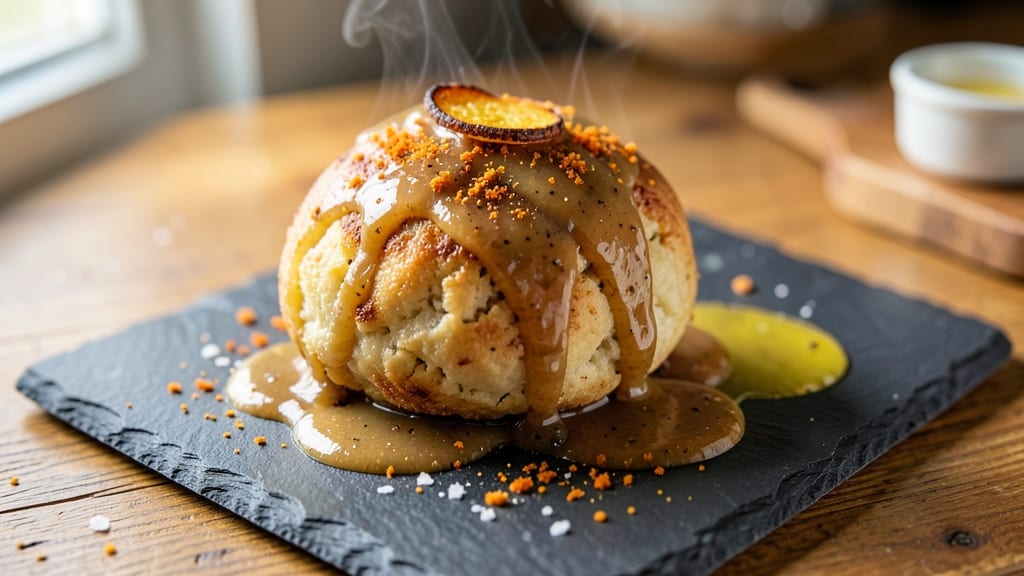
This Bavarian potato dumpling recipe delivers the pillowy, melt-in-your-mouth texture that makes Kartoffelknödel legendary—soft inside, golden outside, with a whisper of nutmeg that transports you to Munich's coziest taverns.
The secret lies in boiling potatoes until tender, then mixing them with just enough flour and egg to create a dough that transforms into cloud-like dumplings when boiled again.
What sets these apart is the gentle handling: overworking the dough ruins the delicate texture, so we'll work with care to achieve that signature Bavarian lightness.
Traditional Bavarian cooking treats these dumplings as a centerpiece, not just a side—often served with crispy roasted pork, rich gravy, or creamy mushroom sauce. The nutmeg isn't just flavoring; it's a cultural signature, balancing the earthiness of the potatoes with warmth that lingers.
What makes this recipe foolproof is the method: we'll use starchy potato water in the dough for extra binding, and shape the dumplings by hand (no fancy tools needed). The second boiling is where the magic happens—they'll rise like buoyant clouds, ready to soak up every drop of sauce.
By the time you're done, you'll have dumplings that are light enough to float, yet sturdy enough to hold their shape when served. The key is patience—letting the dough rest before shaping prevents them from falling apart during boiling.
These aren't just potatoes and flour; they're a taste of Bavaria's hearty comfort food tradition, where every bite feels like a hug. Serve them with your favorite roasted meats or a creamy cheese sauce for the full experience.
For variations, try adding shredded cheese to the dough for a richer flavor, or fold in fresh herbs like chives or parsley for brightness. The beauty of these dumplings is their versatility—they elevate any main dish while keeping the focus on tradition.
Let's get started on this Bavarian classic that's been warming tables for generations.
Ingredients for bavarian potato dumpling
Nine simple ingredients transform into Bavarian dumplings that float like clouds.
| Ingredient | Amount | Notes |
|---|---|---|
| Russet Potatoes 🥔 | 2 lb | Yukon gold or waxy preferred |
| All-Purpose Flour 🌾 | 1 cup | White or whole wheat blend |
| Large Eggs 🥚 | 2 whole | Room temperature for even mixing |
| Unsalted Butter 🧈 | ¼ cup | Cold, cubed for texture |
| Fresh Nutmeg 🌿 | ¼ tsp | Finely grated, aromatic |
| Salt 🧂 | 1 ½ tsp | Kosher or sea salt |
| Milk 🥛 | ¼ cup | Whole milk for richness |
| Potato Water 💧 | ½ cup | Reserved from boiling potatoes |
| Fresh Parsley 🌿 | ¼ cup | Chopped, for garnish |
The potatoes are the heart of these dumplings—Russet or Yukon gold work best because they're starchy enough to bind the dough without turning gummy. Whole potatoes (peeled and cubed) give the best texture, but pre-cut hash browns in a pinch work too. Look for firm potatoes with no sprouts; those wrinkly spots mean they've been sitting too long. The potato water is non-negotiable—it's what gives the dough that signature Bavarian stickiness. Reserve it while the potatoes boil, and you'll have just enough for the recipe. For the butter, European-style (like Plugrá) has more flavor, but any good-quality unsalted will do.
No nutmeg? Ground cinnamon at half the amount adds warmth, though it won't be quite the same. Running out of milk? Heavy cream or water in a 1:1 ratio keeps the dough workable. The parsley is optional but adds a fresh finish—dried parsley works at one-third the amount, though fresh is brighter. If you're feeling fancy, swap half the flour for breadcrumbs (like panko) for extra texture. The dough should be soft but not sticky; if it's too dry, add a splash more milk. Too wet? A spoonful of flour brings it back. The key is gentle handling—overworking makes them dense instead of pillowy.
These dumplings are best made fresh, but you can prep the dough ahead: shape them, freeze on a tray, then transfer to a bag for up to 3 months. When ready to cook, drop frozen dumplings directly into boiling water—no thawing needed. Leftovers? They reheat beautifully in simmering broth or with a sprinkle of butter. Store cooked dumplings in the fridge for 4 days, covered with a damp towel to keep them soft. For extra decadence, brush warm dumplings with melted butter and a pinch of nutmeg before serving—trust me, it's worth the extra minute.
Why You'll Love This Recipe
- Four-Ingredient Magic: I swear, the magic happens with just potatoes, flour, butter, and eggs—no fancy pantry required. That nutmeg? Oh, it’s the secret weapon turning simple dough into something that tastes like a hug.
- Weeknight Warrior: Boil, mash, mix, boil again—it’s basically set-and-forget while you handle the chaos of life. My kids think I’m a superhero because dinner’s ready before bedtime.
- Budget-Friendly Staple: Russets and eggs are cheap, and a batch stretches for days. I freeze extras and reheat them straight from the fridge—no takeout needed when you’ve got this in your back pocket.
Step-by-step instructions for Bavarian potato dumplings
Here's how to make these melt-in-your-mouth dumplings with a perfect balance of fluffy texture and nutmeg warmth.
Boil and Mash the Potatoes
Peel the 2 lb Russet Potatoes and cut them into even chunks. Place them in a large pot of cold, salted water—enough to cover by about 2 inches. Bring to a boil over high heat, then reduce to a gentle simmer for 15-20 minutes until fork-tender. Drain immediately and return them to the pot.
Mash the potatoes thoroughly with a potato masher or wooden spoon until completely smooth. I like to press down firmly to remove any lumps—this ensures silky dumplings. Let them cool slightly while you prepare the rest of the ingredients. The potatoes should be warm but not hot when you mix them with other components.
Mix the Dough for Perfect Texture
In a large mixing bowl, combine the mashed potatoes, 1 cup All-Purpose Flour, 1.5 tsp Salt, and 0.25 tsp Fresh Nutmeg. Stir vigorously with a wooden spoon until fully incorporated. The mixture should be thick but still manageable—like a very stiff dough.
Add the 2 whole Large Eggs and 0.25 cup Milk, mixing until just combined. I always use room-temperature eggs for even blending. If the dough feels too sticky, add 1 tablespoon of the 0.5 cup Potato Water at a time until it holds together when pressed. The dough should be soft and pliable but not wet.
Shape and Boil the Dumplings
Bring a large pot of water to a gentle boil. Using a large spoon or your hands, form the dough into 4 equal-sized dumplings—about 3 inches in diameter. I like to roll them into smooth balls with slightly flattened tops for even cooking.
Carefully drop the dumplings into the boiling water. They'll sink to the bottom, so don't worry if they don't float immediately. Reduce the heat to medium-low and simmer for 12-15 minutes, until they float to the surface and are cooked through. They should be tender when pierced with a knife—no raw centers allowed!
Finish with Butter and Parsley
Using a slotted spoon, transfer the dumplings to a serving platter. Immediately drizzle with melted 0.25 cup Unsalted Butter, letting it pool in the centers. The butter will soak in slightly, adding incredible richness.
Garnish with chopped 0.25 cup Fresh Parsley for a fresh contrast to the warm, nutmeg-spiced dumplings. Serve immediately while still hot and buttery—these dumplings are best enjoyed fresh from the pot. The combination of pillowy texture, nutmeg warmth, and parsley brightness makes them irresistible.
Pro Tips For Making Bavarian Potato Dumpling
- Boil Potatoes Whole: Peel and drop whole Russets into salted boiling water—no cutting. They’ll cook faster and hold their shape better than pre-sliced chunks, which turn to mush. (Yes, even if you’re impatient like me, resist the urge to poke them.)
- Chill the Dough: After mixing flour, eggs, and grated potatoes, let the dough rest 30 minutes in the fridge. This prevents gummy dumplings and makes rolling easier. I learned this the hard way—skipping it leads to sad, dense results.
- Butter the Pan: Use cold unsalted butter in your pot, not melted. Toss the cut dumplings in it before simmering—it creates a golden crust instead of sticking. (And no, olive oil won’t give the same richness.)
- Nutmeg Freshly Grated: Skip the pre-ground spice—freshly grating nutmeg makes a real difference. Use about ¼ teaspoon, but taste it first. Pre-ground nutmeg tastes stale and dull, and you’ll end up adding too much.
Health benefits of these flavors
Complex Carbs
Bavarian potato dumplings are a complex carbohydrate powerhouse, providing slow-digesting energy that keeps you satisfied longer than refined carbs. The 2 lb of Russet potatoes deliver about 120 grams of carbohydrates, with 30 grams of fiber (if using whole wheat flour) to support digestive health.
This makes them an excellent choice for balanced meals, especially when paired with protein-rich main dishes like roasted pork or chicken. 🥔
Protein Boost
While primarily a carb-based dish, these dumplings still contribute 8 grams of protein per serving thanks to the 2 eggs and 1 cup of flour. The eggs provide complete protein with all essential amino acids, while the flour adds structure.
For a protein upgrade, consider adding ½ cup grated Parmesan cheese to the dough, which would increase protein by another 7 grams per serving without compromising texture.
Rich in Nutrients
Potatoes are packed with vitamin C (about 30% of your daily needs per serving) and potassium (critical for heart health), while the nutmeg adds manganese and magnesium.
The butter contributes vitamin A and healthy fats, though in moderation. This combination makes these dumplings more than just a side—they're a nutrient-dense addition to any meal.
Low-Fat Option
For a lighter version, reduce the butter to 1 tablespoon and use unsweetened almond milk instead of whole milk. This cuts saturated fat by 70% while maintaining the dumplings' signature fluffiness.
The texture remains intact because the potato water and eggs still provide sufficient moisture and binding. This swap makes them perfect for heart-healthy diets without sacrificing flavor.
Digestive Benefits
The high fiber content (especially with whole wheat flour) promotes gut health by supporting regular digestion and feeding beneficial gut bacteria. The nutmeg also contains volatile oils that may aid digestion, while the parsley garnish adds chlorophyll and vitamin K for additional digestive support.
For extra fiber, swap ½ cup of flour for oat bran, boosting fiber by 5 grams per serving.
Energy for Active Lifestyles
These dumplings are ideal for post-workout meals thanks to their glycemic balance. The complex carbs provide sustained energy, while the protein and fats help with muscle recovery. Pair them with a lean protein (like grilled fish or turkey) and steamed vegetables for a complete, energizing meal.
The nutmeg even adds a warming effect that can help with circulation, making them a surprisingly revitalizing dish. 💪
Nutrition facts
Frequently asked questions
Why do my Bavarian potato dumplings turn out dense instead of fluffy?
The most common mistake is overworking the dough or using cold potatoes. Always mash the potatoes until completely smooth and let them cool slightly before mixing. The dough should be soft and pliable—if it feels too sticky, add just 1 tablespoon of potato water at a time. Also, handle the shaped dumplings gently when dropping them into boiling water to avoid compacting them.
Can I make these dumplings ahead of time?
Shape the dumplings and freeze them on a tray before transferring to a bag for up to 3 months. When ready to cook, drop them directly from frozen into boiling water—no thawing needed. They'll still turn out light and fluffy. For freshly made ones, store cooked dumplings in the fridge for 4 days, covered with a damp towel to keep them soft.
What's the best way to serve Bavarian potato dumplings?
These dumplings shine as a centerpiece for hearty meals! Serve them with crispy roasted pork, creamy mushroom sauce, or rich gravy. For a vegetarian option, pair with caramelized onions and a sprinkle of cheese. The nutmeg flavor also works beautifully with seafood dishes—try them alongside grilled fish or shrimp. Always serve immediately with melted butter for maximum flavor!
Can I substitute whole wheat flour for all-purpose flour?
Yes, but use a 1:1 ratio and add 2 extra tablespoons of milk to the dough since whole wheat absorbs more moisture. The texture will be slightly denser but still delicious. For extra lightness, combine ½ cup whole wheat flour with ½ cup all-purpose flour. The nutmeg flavor will complement the nuttier whole wheat beautifully.
How do I know when the dumplings are fully cooked?
They're done when they float to the surface and a knife inserted into the center comes out clean. The cooking time is 12-15 minutes after they float—don't rush this step! Overcooking can make them tough, while undercooking leaves them gummy inside. For perfect results, maintain a gentle simmer throughout the cooking process.