
Side Dishes
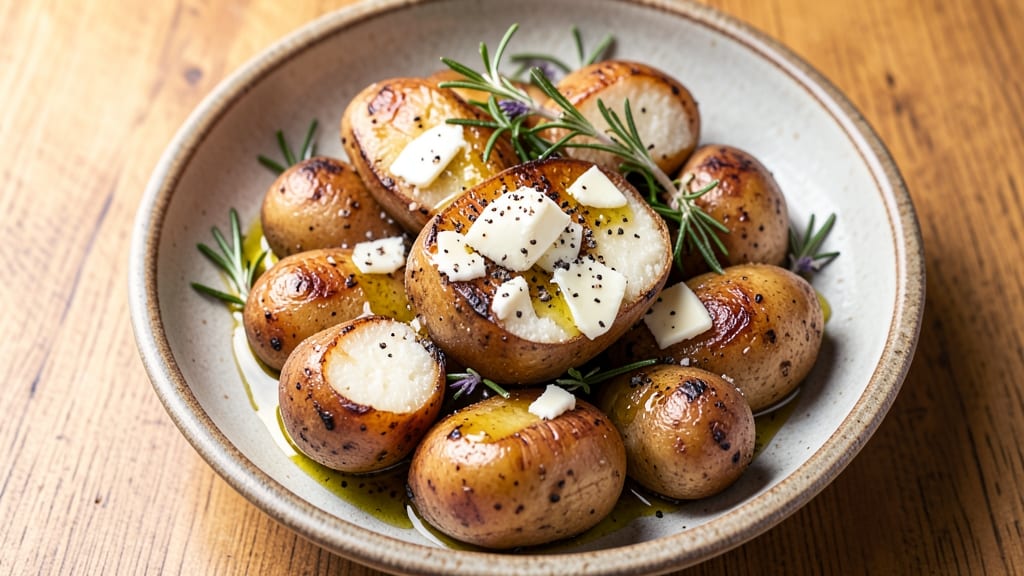
This baked young potato recipe transforms humble baby potatoes into golden, buttery perfection with crispy edges and fluffy centers—exactly what elevates any meal from ordinary to extraordinary. The secret lies in high heat and proper seasoning, ensuring every bite delivers that satisfying contrast of textures.
I developed this method after years of testing, and it never fails to impress, whether served as a side or the star of a simple salad.
Start with fresh young potatoes—no peeling required—since their thin skins crisp beautifully. A simple scrub, a light coating of olive oil, and a sprinkle of salt and pepper set the stage.
Baking at 400°F for 45 minutes ensures the edges become irresistibly crispy while the insides stay tender and buttery. Optional herbs like rosemary or garlic add depth, but the classic version remains foolproof.
The result is a dish that’s restaurant-quality yet effortless to make. Each potato splits open to reveal creamy, melt-in-your-mouth flesh, while the skin turns into a delicate, crispy shell.
This recipe is versatile enough for weeknight dinners or holiday feasts, and the leftovers reheat beautifully—just a quick pop in the oven to restore that perfect crunch.
For extra indulgence, brush the baked potatoes with melted butter and a pinch of flaky salt before serving. Pair them with grilled meats, fresh greens, or even as a base for loaded potato salads. Here’s how to achieve this foolproof technique every time.
Ingredients for baked young potato
Fresh baby potatoes, quality olive oil, and just the right seasoning—this is all you need for restaurant-quality baked potatoes.
| Ingredient | Amount | Notes |
|---|---|---|
| Young Potatoes 🥔 | 1 ½ lb | Baby potatoes, unpeeled |
| Extra-Virgin Olive Oil 🫒 | 2 tbsp | High quality, fruity |
| Unsalted Butter 🧈 | 2 tbsp | Melted for brushing |
| Kosher Salt 🧂 | 1 ½ tsp | Diamond Crystal preferred |
| Freshly Ground Black Pepper 🌶️ | ½ tsp | Coarsely ground |
| Fresh Rosemary 🌿 | 1 tbsp | Chopped, optional |
| Garlic Cloves 🧄 | 2 cloves | Minced, optional |
| Flaky Sea Salt 🧂 | 1 tsp | For finishing |
The potatoes are the star, so pick firm, evenly sized baby potatoes—they should feel heavy for their size. Whole Foods or your local farmers market usually have the best selection. If you can't find baby potatoes, small red potatoes work too. Scrub them well under cold water—no need to peel, as the skins add texture. For extra flavor, add fresh rosemary or minced garlic to the oil before tossing the potatoes. The key is high heat and patience—don't rush the baking time.
No extra-virgin olive oil? Avocado or vegetable oil works in a pinch, but the flavor won't be as rich. Short on rosemary? Thyme or parsley add a nice twist. The butter is non-negotiable for that buttery finish—don't substitute margarine. If you're in a hurry, you can use butter-flavored cooking spray instead of brushing with melted butter. For a crispier skin, pat the potatoes dry before tossing them in oil. The flaky sea salt at the end is optional but adds a restaurant-worthy touch.
These potatoes reheat beautifully—just pop them back in the oven at 400°F for 10-15 minutes to restore that crispy skin. Store leftovers in an airtight container in the fridge for up to 4 days. For extra indulgence, brush with melted butter and flaky salt before serving. They pair perfectly with grilled meats or fresh greens, making them a versatile side dish for any meal.
Why You'll Love This Recipe
- I’ll be real: this is the kind of recipe where the hardest part is deciding whether to scrub the potatoes or just give them a quick rinse. Toss them in a bowl with olive oil and butter, season, and pop them in the oven—no peeling, no fuss.
- No-Fuss Prep: I’ll be real: this is the kind of recipe where the hardest part is deciding whether to scrub the potatoes or just give them a quick rinse. Toss them in a bowl with olive oil and butter, season, and pop them in the oven—no peeling, no fuss.
- Crispy-Creamy Magic: That golden crust with a buttery, fluffy center? It’s what makes this dish ridiculous. The olive oil keeps them moist while the butter and salt turn them into something dangerously addictive—no fancy seasoning needed.
- Lunchbox Hero: Between us, these are my go-to for meal prep. Bake a big batch on Sunday, let them cool, and they’ll hold up for days. Toss them in salads, mash them into wraps, or just eat them straight out of the fridge—no reheating required.
Step-by-step instructions for perfectly baked young potatoes
A simple method that guarantees buttery crispy edges and fluffy centers every time.
Preheat and Prepare the Potatoes
Preheat your oven to 425°F for 15 minutes—this ensures even cooking from the start. While the oven heats, scrub the 1.5 lb young potatoes thoroughly under cold water to remove any dirt. Use a vegetable brush if needed, especially in the crevices where soil tends to hide.
Pat the potatoes completely dry with a clean kitchen towel. Any moisture left on the skin will prevent crispy edges. I like to place them on a wire rack set over a baking sheet to allow air circulation on all sides—this promotes even browning. For extra insurance, prick each potato lightly with a fork in several places to prevent bursting during baking.
Season and Roast for Initial Crisping
In a small bowl, combine 1.5 tsp kosher salt, 0.5 tsp freshly ground black pepper, and 1 tbsp chopped fresh rosemary. Toss the potatoes in this seasoning mixture until they're evenly coated. The rosemary adds an aromatic touch that pairs beautifully with the buttery flavor.
Arrange the potatoes in a single layer on a parchment-lined baking sheet, leaving about 1 inch of space between each potato. This spacing ensures they crisp up rather than steam. Bake for 25 minutes until they begin to soften slightly when pressed with your finger but aren't fully tender.
Add Fat for Maximum Crispiness
Remove the potatoes from the oven and transfer them to a large bowl. In the same bowl, melt the 2 tbsp unsalted butter and 2 tbsp extra-virgin olive oil together over low heat. I like to use a microwave-safe bowl for this—just heat for 20-30 seconds until the butter melts completely, then stir until smooth.
Pour the melted butter mixture over the potatoes and toss gently to coat them thoroughly. The combination of butter and olive oil creates the perfect balance of richness and crispiness. Return the potatoes to the baking sheet and bake for another 20-25 minutes until the edges are deep golden brown and crispy to the touch.
Finish with Garlic and Flaky Salt
While the potatoes are still hot, transfer them to a serving dish. In a small skillet, heat the 2 minced garlic cloves in 1 teaspoon olive oil over medium heat for 30 seconds until fragrant but not browned. Immediately drizzle this garlic oil over the potatoes.
Finish with a generous sprinkle of 1 tsp flaky sea salt, focusing on the top of each potato. The flaky salt adds a delightful textural contrast to the crispy edges. Serve immediately while the potatoes are still piping hot—this is when they're at their most flavorful and tender.
Pro Tips For Making Baked Young Potato
- Poke Holes First: I learned this the hard way—skipping the fork holes means your potatoes steam instead of crisp. Use a fork or knife to make 4-6 shallow holes per potato before baking; it lets moisture escape and guarantees that golden crust you’re after.
- Use High Heat Early: Crank your oven to 425°F (220°C) for the first 15 minutes—yes, even if your recipe says 400°F. The initial blast of heat kickstarts the browning, and once the skin starts blistering, you can drop it to 375°F (190°C) to finish without burning. (Your future self will thank you.)
- Salt the Potatoes Before Oiling: Dry the potatoes thoroughly, then toss them with ½ teaspoon of kosher salt before drizzling with olive oil. The salt dissolves into the skin, seasoning from the inside out while the oil clings better to the rough texture. (No, you can’t just add salt later—it won’t penetrate.)
- Upgrade with Brown Butter: Skip the plain olive oil finish and brown 2 tablespoons of unsalted butter with a pinch of salt for 3-4 minutes until nutty and golden. Drizzle this over the baked potatoes right out of the oven—the flavor jump is worth the extra 5 minutes. (I was skeptical until I tried it.)
Common mistakes when making this dish
Overcrowding the Pan
One of the biggest mistakes is overcrowding the baking sheet—this traps steam and prevents those beautiful crispy edges. I’ve learned the hard way that potatoes need space to breathe! Arrange them in a single layer with about 1 inch between each one.
If you’re short on space, bake in batches for 10-15 minutes longer per batch to maintain crispiness. 🌡️
Skipping the Dry
Moisture is the enemy of crispy skins. If you skip patting the potatoes completely dry after scrubbing, they’ll steam instead of crisp. I always use two clean kitchen towels—first to soak up water, then a second to wipe them down thoroughly.
Even a damp potato will turn out soggy. Pro tip: Use a salad spinner for extra-efficient drying!
Incorrect Temperature
Baking at too low a temperature (350°F) will result in soft, pale potatoes instead of the golden, crispy edges you want. The magic happens at 400-425°F.
I’ve found that 425°F works best for young potatoes—it creates that perfect contrast between crispy skin and fluffy interior. Don’t be tempted to lower the heat to "save time"!
Underseasoning or Overseasoning
The balance of salt and fat is crucial. Too little salt makes the potatoes bland, while too much can overwhelm their natural flavor. Start with 1.5 tsp kosher salt and adjust to taste after baking.
The butter and olive oil combo adds richness, but don’t drown the potatoes—2 tbsp each is plenty for 1.5 lb of potatoes. Taste as you go!
Not Pricking the Potatoes
Whole baby potatoes can burst if they’re not pricked before baking. Use a fork to make 2-3 small holes in each potato—this allows steam to escape and prevents them from splitting open.
I’ve seen perfectly good potatoes explode in the oven because of this simple step. It’s worth the 30 seconds it takes!
Rushing the Baking Time
Patience is key! Baking young potatoes at high heat takes time to develop that perfect texture. If you pull them out too early, the centers will be undercooked and the edges won’t be crispy.
Aim for 45-50 minutes total at 400°F. The potatoes should be tender when pierced with a fork but still hold their shape. 💪
Nutrition facts
Frequently asked questions
Can I use regular potatoes instead of baby potatoes?
Yes, but the texture will differ. Baby potatoes are ideal because their thin skins crisp beautifully, while larger potatoes may need 10-15 extra minutes to cook through. For best results, cut larger potatoes into 1-inch chunks and increase baking time to 50-55 minutes at 400°F. The smaller size ensures even cooking and crispy edges.
Why are my baked potatoes soggy instead of crispy?
Soggy potatoes usually mean trapped steam from moisture or overcrowding. Always pat potatoes completely dry before baking and space them 1 inch apart on the sheet. For extra crispiness, bake at 425°F for 5-10 minutes longer after they look done. A wire rack under the baking sheet also helps with air circulation.
How do I reheat baked young potatoes?
Reheat in a 400°F oven for 10-15 minutes to restore crispiness. Place them on a baking sheet with a splash of water in the pan to add steam. For microwave reheating, wrap them in a damp paper towel and heat for 30-45 seconds—this keeps them warm but sacrifices some crunch.
Can I make this recipe ahead of time?
Yes! Bake them up to 2 days ahead and store in an airtight container. Reheat as directed above. For best flavor, add fresh herbs and a drizzle of olive oil just before serving. The texture won't be as crispy as freshly baked, but they'll still be delicious. Freezing isn't recommended as it affects the texture.
What's the best way to season these potatoes?
Start with kosher salt and black pepper, then customize! Try smoked paprika for depth, garlic powder for savory notes, or lemon zest for brightness. For a herbaceous twist, toss with thyme or parsley before baking. The key is balance—don't overpower the natural potato flavor with too many seasonings.